Tranquil Soto Zen temple in Sengokuhara famed for its five hundred expressive rakan statues and brilliant autumn foliage.
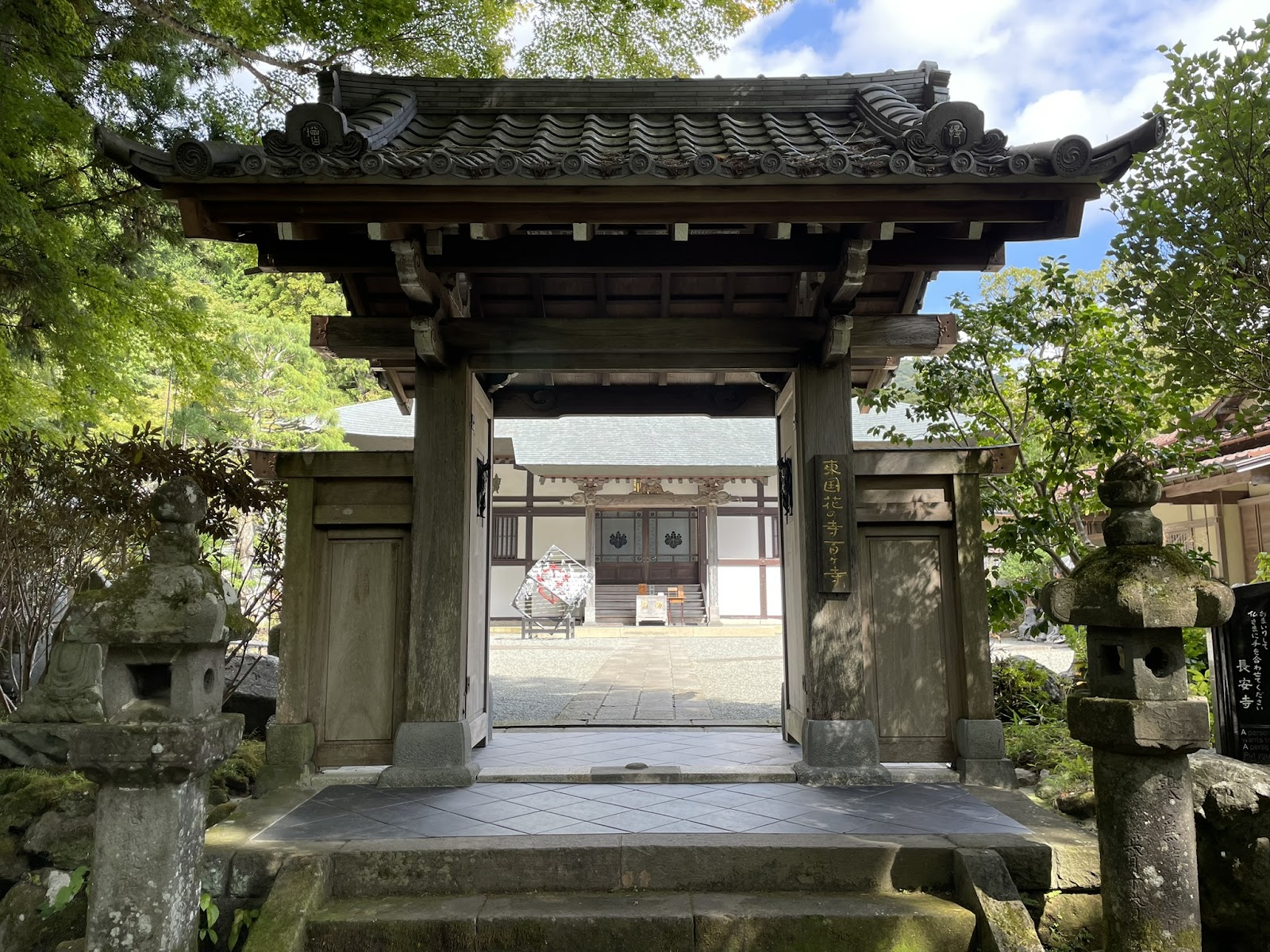
Choan-ji is a serene Soto-school Zen temple tucked into the wooded lower slopes of the Sengokuhara district in northern Hakone. Founded in 1356, it sits hidden off the main road, reached by a short path that passes a koi pond before arriving at a temple that feels wrapped entirely in forest. Quiet, atmospheric and beautifully maintained, it is best known for two things: a remarkable collection of five hundred rakan statues and some of the finest autumn colour anywhere in Hakone.
The temple belongs to the Soto tradition of Zen Buddhism, and its long history is felt in the mossy stonework, weathered timber and the deep calm of its grounds. Set against a hillside and surrounded by tall trees, it has none of the bustle of Hakone's museums and cruise piers; instead it offers a small network of pleasant walking trails winding through the trees behind the halls, inviting slow exploration rather than a quick photograph.
It is along these trails that the temple's celebrated 'gohyaku rakan' are found. The rakan, or arhats, are the five hundred enlightened disciples of the Buddha who, according to tradition, gathered his teachings after his death and attained the highest spiritual rank a human can reach. At Choan-ji they are rendered as individual stone figures placed among the trees and moss, and what makes them so memorable is their humanity: rather than serene, identical icons, each statue is carved with its own vivid expression and posture. Some laugh, some frown, some appear lost in thought, some seem to weep or gossip or doze, so lifelike in their range of emotion that visitors often feel they are walking among people rather than statues. Discovering them one by one along the wooded paths is a quietly delightful experience.
The visiting experience is gentle and unhurried. The grounds are compact enough to explore in three quarters of an hour but rewarding enough to linger far longer, and the mostly level paths make them accessible to casual walkers. Because Choan-ji sits slightly away from the main tourist flow, it is often peaceful even when the rest of Hakone is busy, and it makes an easy and worthwhile addition to a day spent around Sengokuhara, the Owakudani valley or the northern Lake Ashi shore.
Season transforms the temple. In spring and summer the surrounding forest is a cool, deep green, and the rakan sit dappled in leaf-filtered light. But it is autumn that draws the most admirers: from mid to late November the maples across the grounds blaze into brilliant reds and golds, and the combination of fiery foliage, mossy stone figures and quiet Zen architecture makes Choan-ji one of the most photogenic autumn-colour spots in the whole region. Snow occasionally dusts the statues in winter for a starkly beautiful scene.
With free entry, restrooms, parking and its lightly trodden trails, Choan-ji rewards travellers looking to slow down and step away from Hakone's headline attractions. It offers a rare combination of art, nature and spiritual calm, where five hundred stone faces, each subtly different, keep watch over one of Hakone's most peaceful corners.
A local's tip
The five hundred rakan statues are scattered along wooded walking paths rather than lined up formally; take your time to find the ones whose expressions and poses feel almost startlingly human.
Best time to visit
Mid to late November for spectacular autumn maples
Getting there
In the Sengokuhara area of northern Hakone. Take a Hakone Tozan or Odakyu sightseeing bus toward Sengokuhara or Togendai and alight near the Choan-ji stop, then walk about 5 minutes off the main road past a koi pond to the temple gate.
Good to know
- Parking
- Restrooms
- Walking trails
Plan the whole trip offline
Choan-ji Temple is one of many places in the Real Japan app — with turn-by-turn directions, nearby spots and full offline maps you can use with no signal.