A preserved lane of feudal samurai homes and exquisite miniature gardens in a green mountain town.
The Chiran Samurai Residences preserve one of the most complete and beautiful samurai neighbourhoods in Japan, tucked into a tranquil town among the tea-covered hills south of Kagoshima city. A single stone-walled lane runs between hedges of clipped greenery, behind which lie the modest homes of Satsuma retainers and, more famously, a series of exquisite miniature gardens laid out more than 250 years ago. Walking here feels like stepping cleanly into the Edo period.
Chiran was a fumoto, one of the fortified rural settlements the Shimazu clan scattered across Satsuma to station samurai in the countryside rather than concentrating them in a single castle town. This unusual system left the domain dotted with warrior villages, and Chiran is the finest surviving example. The samurai here were middle-ranking retainers, and their homes, though not grand, reflect a refined culture: sliding screens, tatami rooms, and above all the gardens that were a mark of a cultivated household.
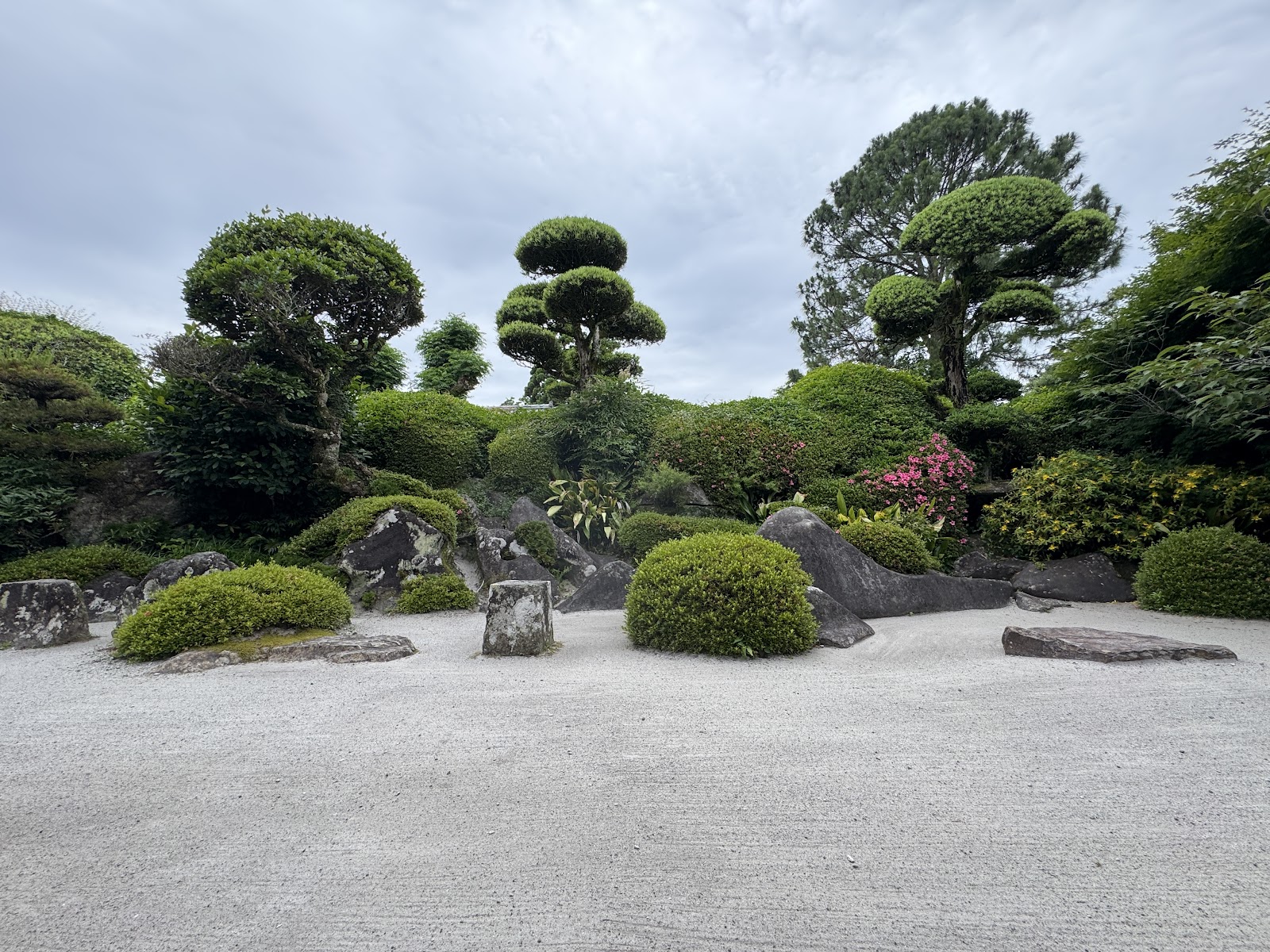
Seven of these gardens are open to visitors on a single combined ticket, and together they form a living museum of Japanese landscape design. Most are karesansui-influenced dry gardens or small pond gardens, using raked gravel, moss, clipped shrubs and carefully placed stones to evoke mountains, rivers and the sea within a space no larger than a suburban yard. Several employ borrowed scenery, framing the real mountains beyond the hedge as part of the composition. Each garden has its own character and mood, and comparing them as you stroll the lane is the great pleasure of a visit. Some of the residences can be entered, their dim interiors and verandas giving a sense of the samurai's daily life.
The town of Chiran carries a second, more sombre layer of history. In the final months of the Second World War it was home to an airfield from which many young kamikaze pilots flew their final missions, and the nearby Chiran Peace Museum for Kamikaze Pilots preserves their letters and stories. Many visitors pair the two sites, moving from the serene beauty of the feudal gardens to a moving meditation on war and youth, a contrast that lingers long after leaving.
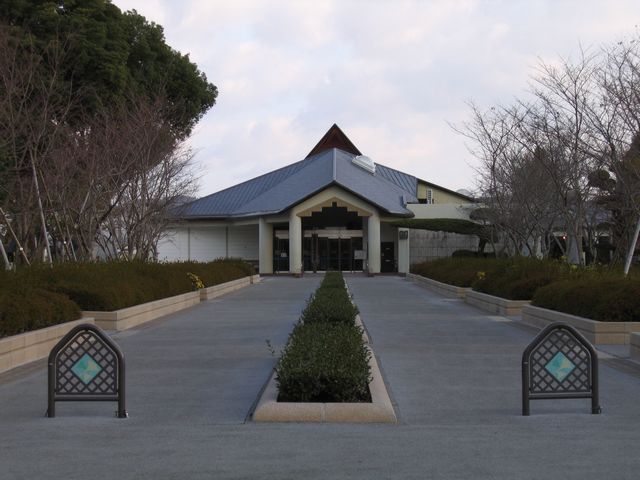
The visiting experience is peaceful and unhurried. The lane is flat and easily walked, though entering the residences involves removing shoes and stepping up onto tatami. A traditional tea house along the street serves matcha and local sweets, and the surrounding town is quiet and green, wrapped in the tea plantations that make Chiran one of Japan's noted tea-growing areas. Spring azaleas and autumn maples bring extra colour to the gardens.
Chiran lies well outside the city, and the journey is part of the day. Direct Kagoshima Kotsu buses run from Kagoshima-Chuo Station in a little over an hour, dropping you near the district entrance. Set aside a full half-day to combine the samurai gardens, the tea house and the Peace Museum. For anyone seeking the atmosphere of old feudal Japan away from the crowds, Chiran is one of Kyushu's quiet treasures.
A local's tip
Your ticket covers seven historic gardens along the lane — pace yourself, as each has a different design, and the volunteer-tended plantings are loveliest in azalea season.
Best time to visit
Spring and autumn for the gardens
Getting there
From Kagoshima-Chuo Station take a Kagoshima Kotsu bus bound for Chiran (about 70-80 minutes); the samurai district is a short walk from the Bukeyashiki-iriguchi bus stop.
Good to know
- Parking
- Restrooms
- Tea House
Plan the whole trip offline
Chiran Samurai Residences is one of many places in the Real Japan app — with turn-by-turn directions, nearby spots and full offline maps you can use with no signal.