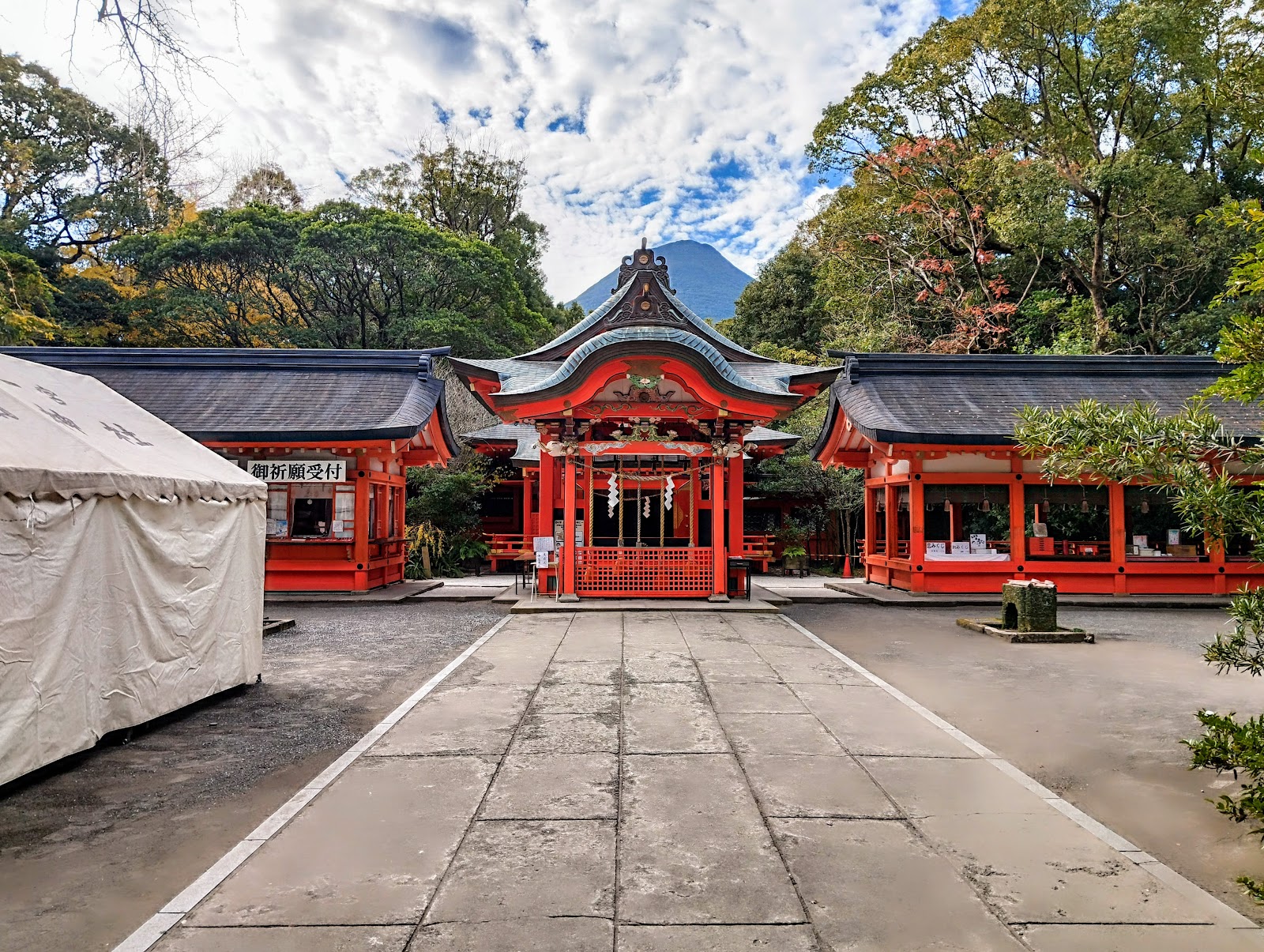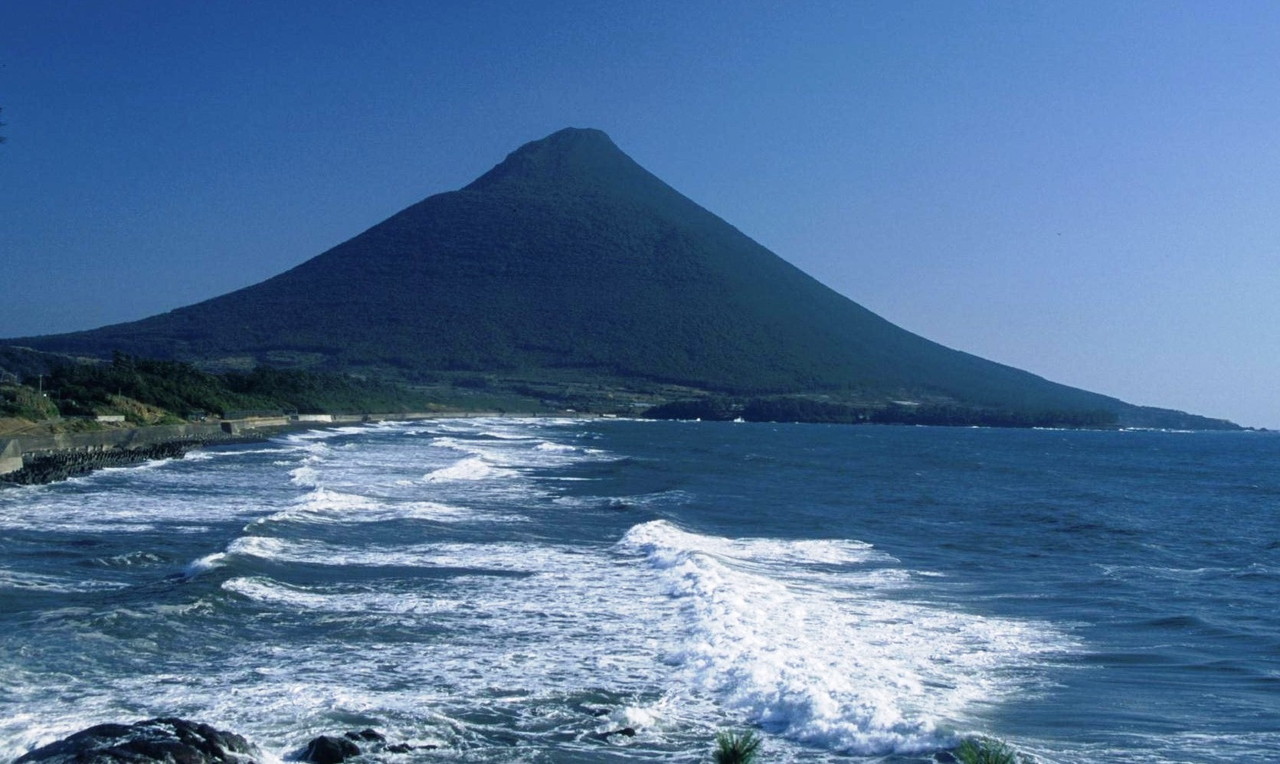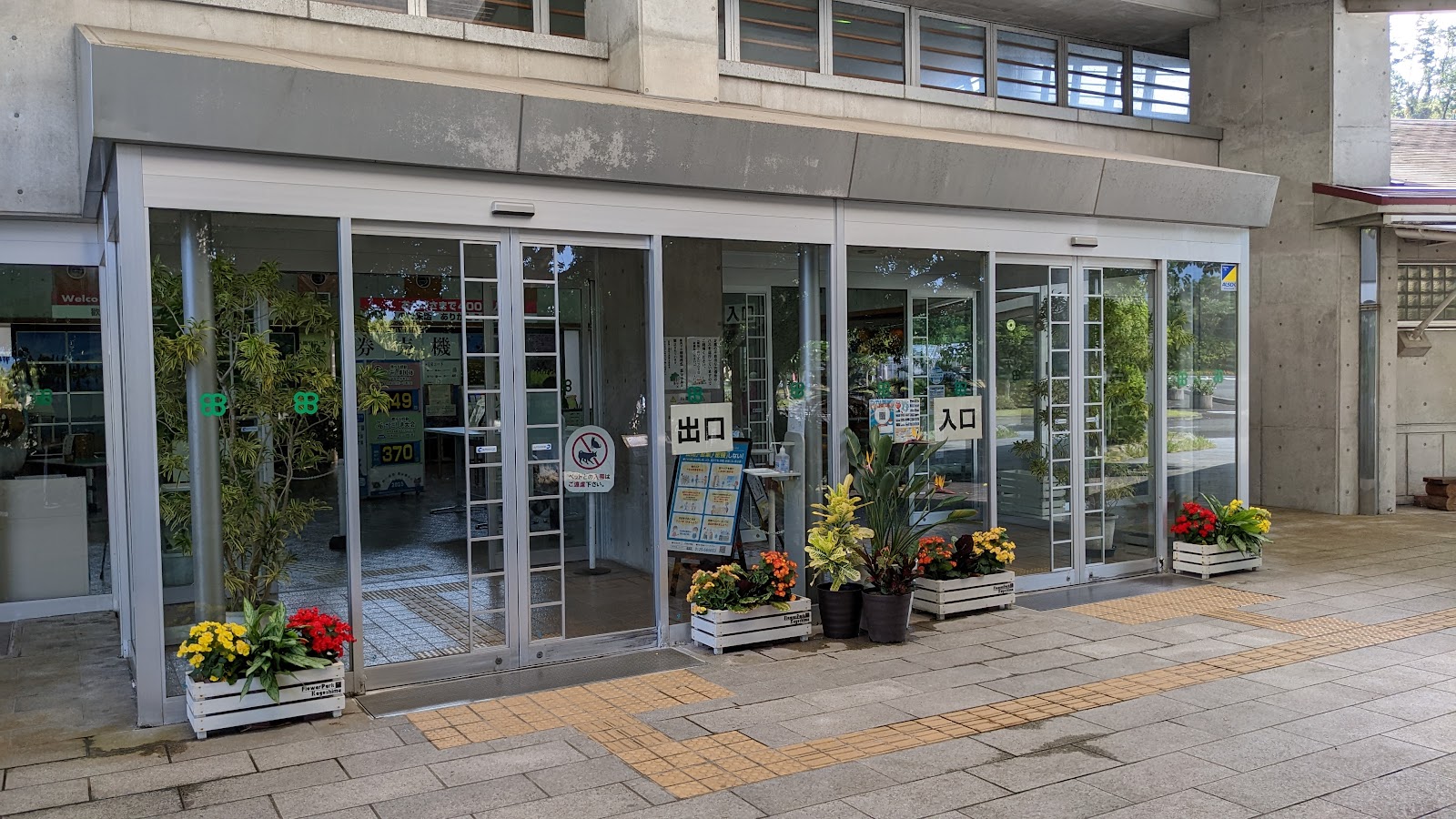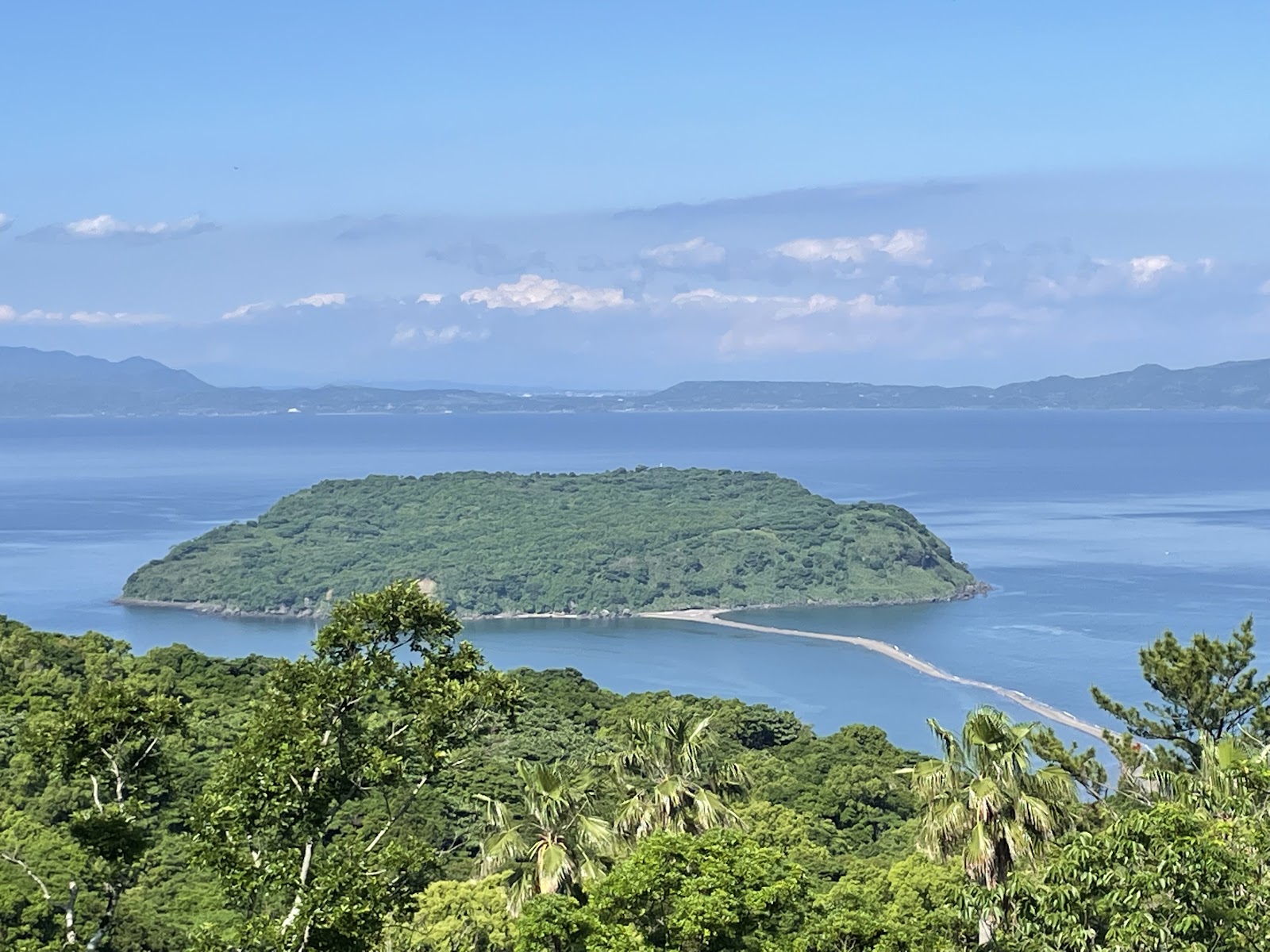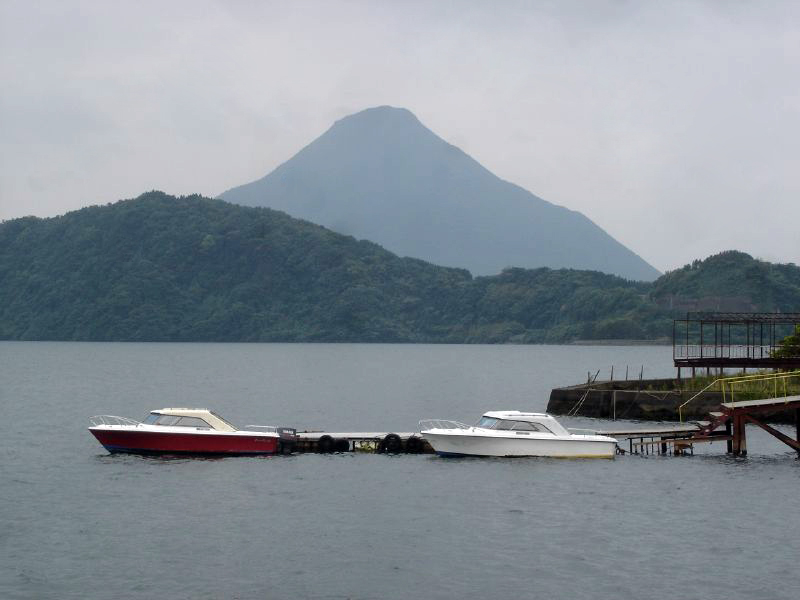
Kyushu's largest caldera lake, framed by Mount Kaimon and famous for its legendary lake monster, Issie.
Lake Ikeda, cradled in the hills of the southern Satsuma Peninsula, is the largest caldera lake on the island of Kyushu and one of Kagoshima's most serene natural attractions. Formed thousands of years ago by a massive volcanic eruption, the lake fills a roughly circular crater, its deep blue waters ringed by green slopes and, to the south, framed by the elegant cone of Mount Kaimon. The combination of still water, rolling countryside, and the symmetrical volcano makes for classic, postcard-perfect Kyushu scenery.
The lake sits at a considerable depth and stays cool and mysterious year-round — appropriately, since it is home to one of Japan's more charming local legends. Lake Ikeda is said to harbor Issie, a Loch Ness-style monster reputedly glimpsed rising from the depths over the years. Whether or not you believe in the creature, the legend adds a playful spark to a visit, and monster imagery pops up in local signage and souvenirs. The lake also shelters unusually large eels, some reportedly over a meter long, which lends the folklore a grain of natural plausibility.
The lakeshore is an easy and rewarding place to spend an hour or so. Walking paths and viewpoints line parts of the shore, cafes and rest areas offer refreshment with a view, and the surrounding fields shift with the seasons. The most celebrated sight comes in the depths of winter and early spring, when fields of bright yellow rape blossoms bloom along the shore against the backdrop of snow-dusted or clear-skied Mount Kaimon — a scene so photogenic it has become emblematic of the region. In other seasons the lake is a peaceful spot for a gentle stroll, a picnic, or simply taking in the volcanic landscape.
Lake Ikeda pairs naturally with the other highlights of the southern Satsuma Peninsula. Many visitors combine it with a climb or view of Mount Kaimon, the legend-rich Ryugu Shrine at Cape Nagasakibana, and the famous sand baths of Ibusuki, stitching them together into a satisfying day of coastal and volcanic scenery. The area is best explored by car, though buses and taxis connect it to Ibusuki for those relying on public transport.
Allow around an hour at the lake to enjoy the viewpoints and shoreline, longer if you plan to picnic or explore the surrounding countryside. The lakeside is freely accessible at all hours, with restrooms, parking, and cafes at the main viewing areas. Bring a camera, especially in the rape-blossom season, and check bus schedules if you are not driving, as services can be infrequent. Quiet, scenic, and touched with a hint of legend, Lake Ikeda is a lovely natural counterpoint to Kagoshima's volcanic drama — a still blue heart at the center of the Satsuma Peninsula.
A local's tip
Come in January and February when fields of yellow rape blossoms bloom along the lakeshore with the cone of Mount Kaimon reflected in the water — one of Kyushu's classic winter scenes.
Best time to visit
Winter and early spring for rape blossoms with Mount Kaimon
Getting there
From Ibusuki Station take a bus or taxi toward Lake Ikeda (about 25 minutes). The caldera lake sits inland on the Satsuma Peninsula, often visited alongside Mount Kaimon and Cape Nagasakibana.
Good to know
- Cafe
- Parking
- Restrooms
Plan the whole trip offline
Lake Ikeda is one of many places in the Real Japan app — with turn-by-turn directions, nearby spots and full offline maps you can use with no signal.