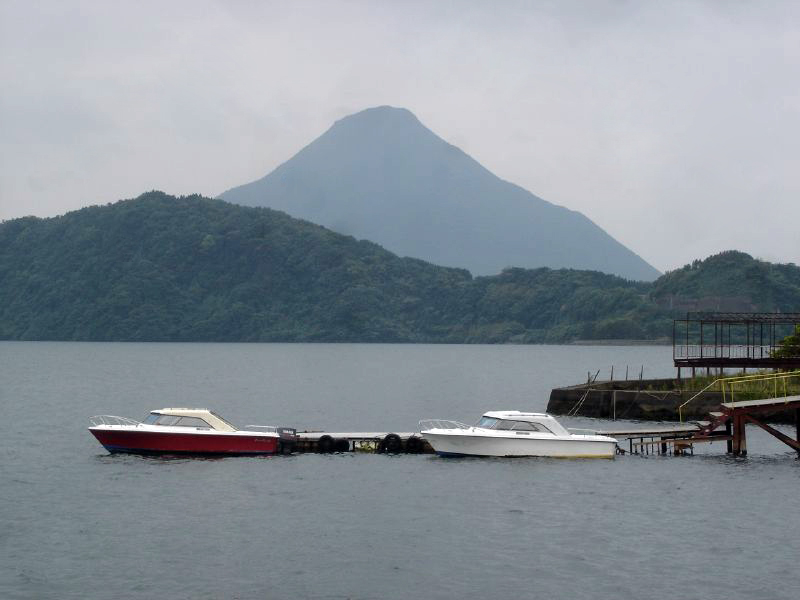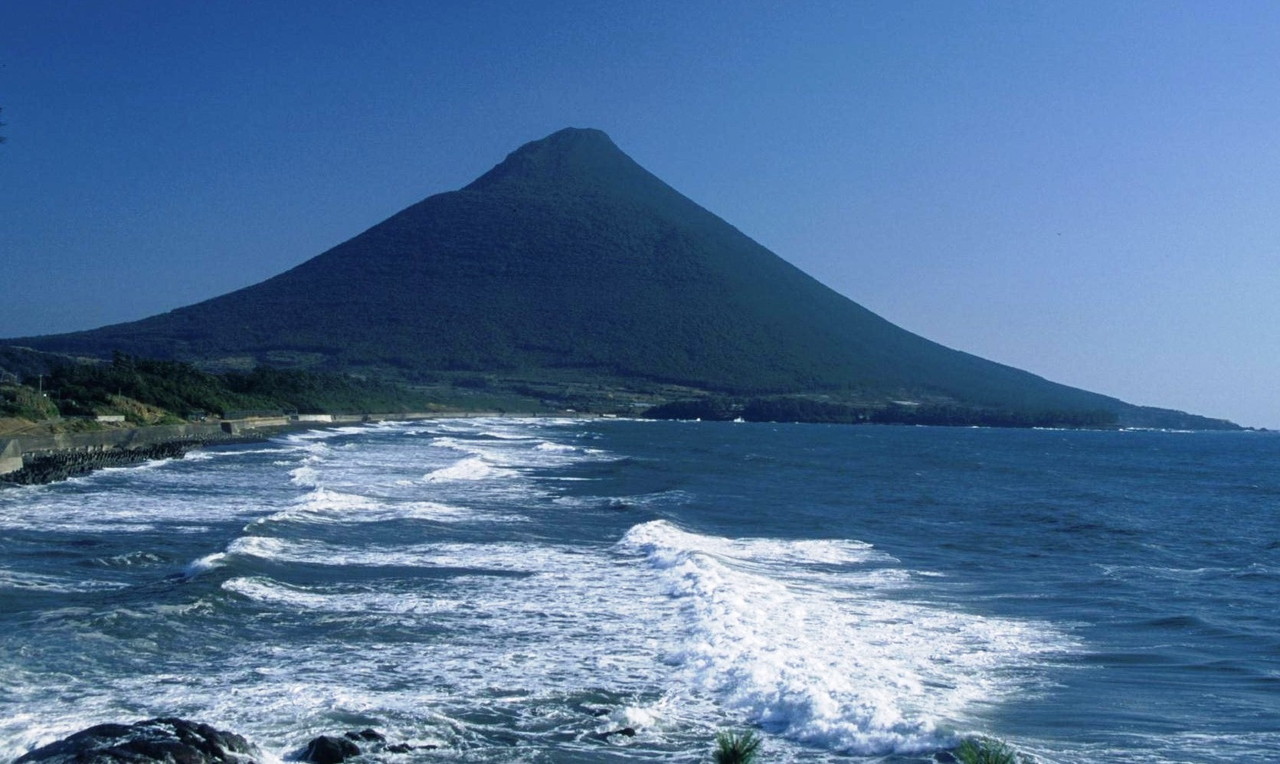
The 924-metre 'Satsuma Fuji', a symmetrical volcanic cone with a spiral trail to panoramic summit views.
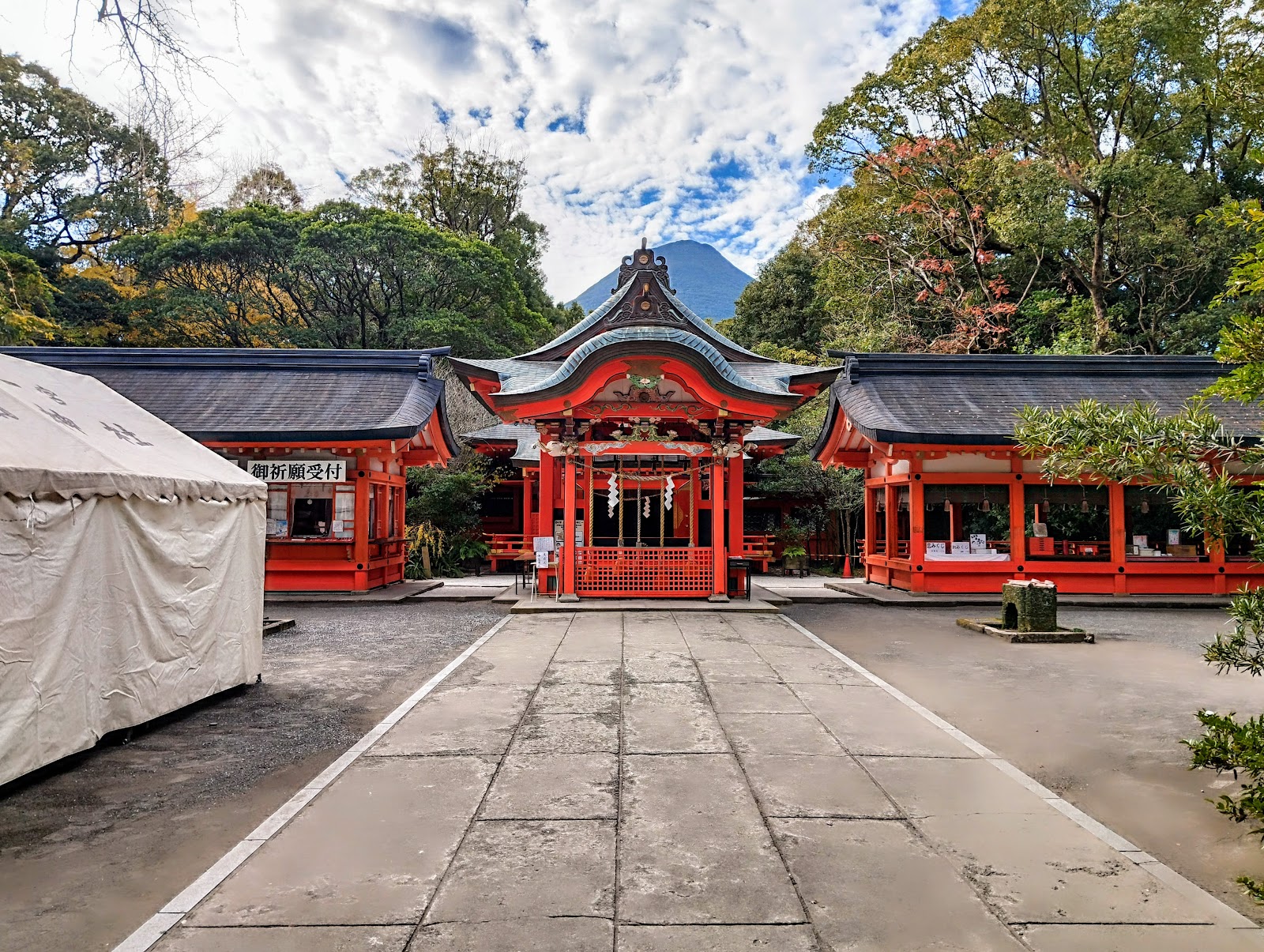
Mount Kaimon, known locally as Kaimondake, is the iconic volcanic cone that presides over the southern tip of the Satsuma Peninsula, and its near-perfect symmetry has earned it the affectionate nickname Satsuma Fuji. Rising 924 metres straight from the coastline, it is visible for miles around, a defining feature of southern Kagoshima's landscape that appears in views from Cape Nagasakibana, Ibusuki, and boats crossing Kinko Bay. For active travelers, climbing it is one of the great rewards of the region.
Geologically, Kaimon is a stratovolcano and part of the Kirishima-Kinkowan National Park, its slopes clothed in dense green forest that shelters birds and wildflowers. Unlike its more famous namesake Mount Fuji, Kaimon can be climbed in a single half-day, and the trail is one of the most distinctive in Japan: rather than heading straight up, it spirals around the entire cone in a great clockwise loop, so that the panorama continuously rotates as you ascend. One moment you are looking out over the caldera Lake Ikeda, the next over the open Pacific, then over the town of Ibusuki and the sweep of the peninsula.
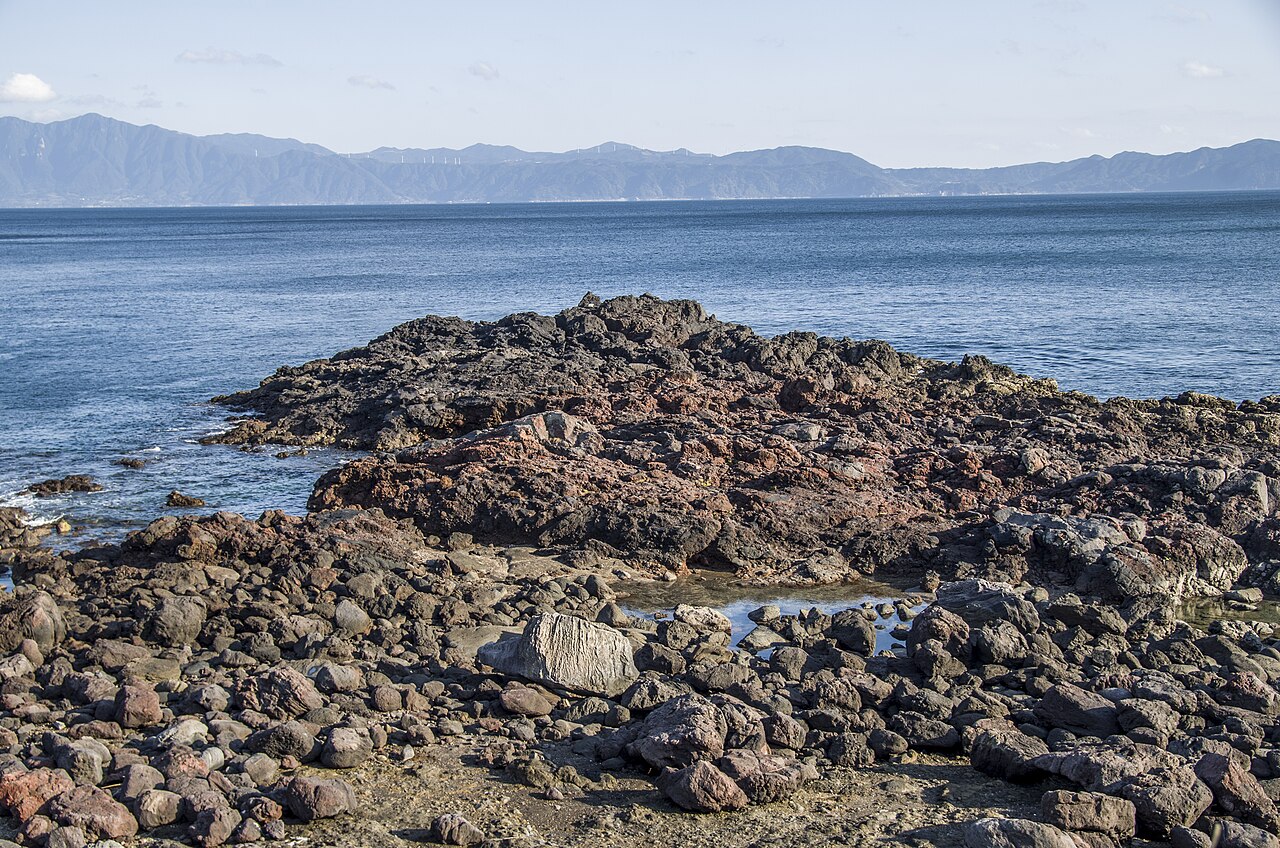
The hike is moderately strenuous and takes roughly two and a half hours to reach the summit, with a total round trip of around four to five hours depending on pace. The path is well marked and popular but genuinely demanding in places, especially the final approach, where a rocky scramble aided by fixed ropes and chains leads to the top. The effort is repaid with a breathtaking 360-degree panorama: the Satsuma Peninsula spread out below, Cape Nagasakibana pointing into the sea, Kinko Bay and Sakurajima to the north, and on exceptionally clear days the distant islands of Tanegashima and Yakushima floating far to the south.
Because the mountain stands alone and close to the sea, weather can shift quickly, and the summit is often wrapped in cloud, so clear, dry days in autumn and winter tend to offer the sharpest views. Proper hiking shoes, water, and sun protection are essential, and hikers should start early to allow plenty of daylight for the descent. This is a real mountain climb rather than a casual stroll, and it should be approached with appropriate preparation and respect for the conditions.
Mount Kaimon anchors a wider exploration of the Ibusuki area, which is among Kagoshima's most scenic. After the climb, many hikers soothe their muscles in Ibusuki's famous natural sand baths, where you are buried in warm volcanic sand, or visit the nearby caldera Lake Ikeda and the folktale headland of Cape Nagasakibana, all within a short drive.
To reach the trailhead, take the JR Ibusuki-Makurazaki Line to Kaimon Station, covered by the Japan Rail Pass as far as it runs, and walk about 30 minutes to the start of the trail, or drive to the trailhead parking near the Kaimondake foot. There is no charge to climb, but the mountain is strictly a daylight-hours undertaking. Budget a full half-day, around five hours, for the round trip including breaks at the top. For fit travelers, summiting the Satsuma Fuji is an exhilarating highlight and offers what may be the single best view in all of southern Kagoshima.
A local's tip
The trail spirals clockwise around the entire cone, so the view keeps rotating as you climb; save energy for the final rocky scramble near the top, where ropes help you up to the panoramic summit.
Best time to visit
Clear autumn or winter days for the sharpest summit views
Getting there
The trailhead near Kaimon Station on the JR Ibusuki-Makurazaki Line, or a short drive from Ibusuki to the Kaimondake trailhead parking; the climb itself is a demanding half-day hike.
Good to know
- Parking
- Restrooms
Plan the whole trip offline
Mount Kaimon is one of many places in the Real Japan app — with turn-by-turn directions, nearby spots and full offline maps you can use with no signal.