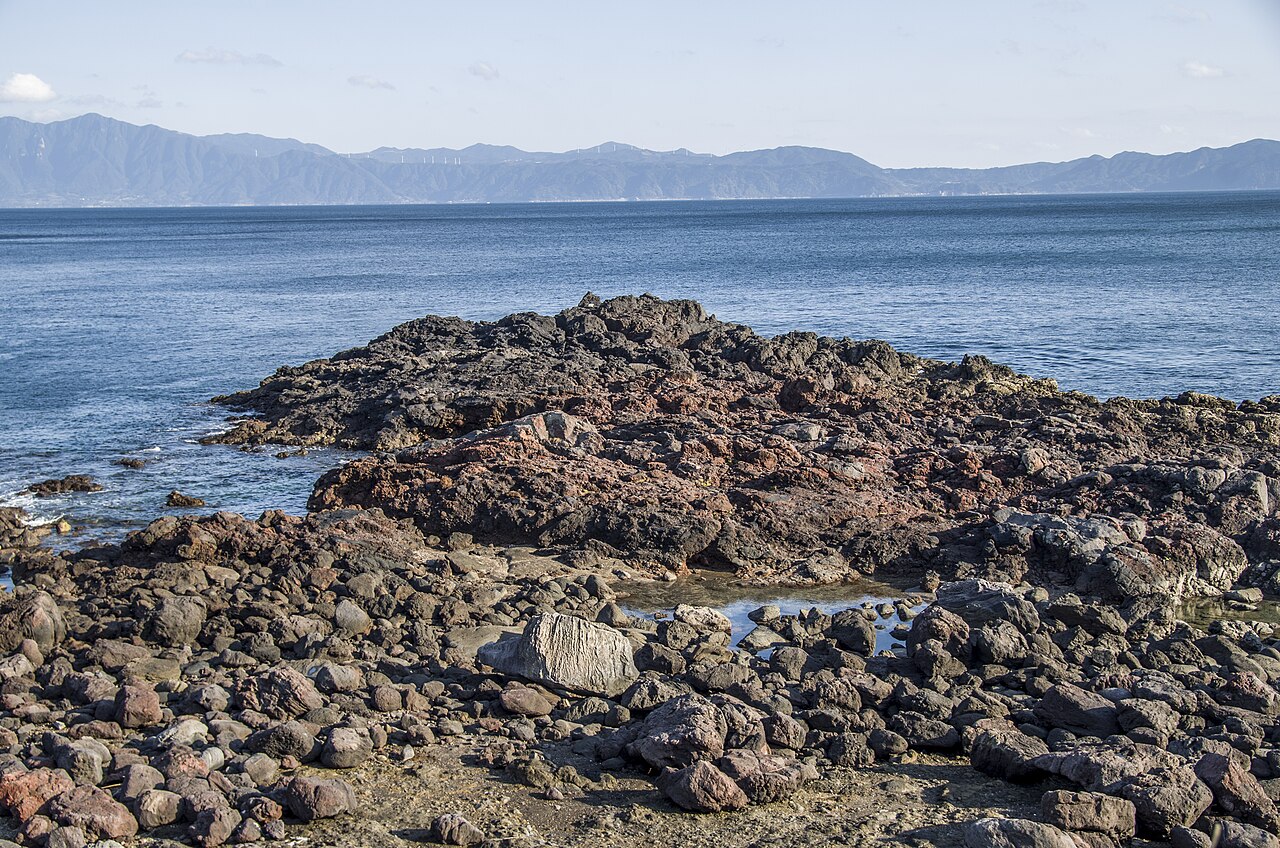
The southern tip of the Satsuma Peninsula, with a lighthouse, a folktale shrine, and postcard views of Mount Kaimon.
Cape Nagasakibana is the dramatic southernmost point of the Satsuma Peninsula, a rocky volcanic headland thrusting out into the sea at the very entrance to Kagoshima Bay. Also known as Cape Ryugu, it is one of the most scenic and legend-rich spots in the Ibusuki area, combining sweeping coastal views, a photogenic lighthouse, and a shrine steeped in one of Japan's best-loved fairy tales.
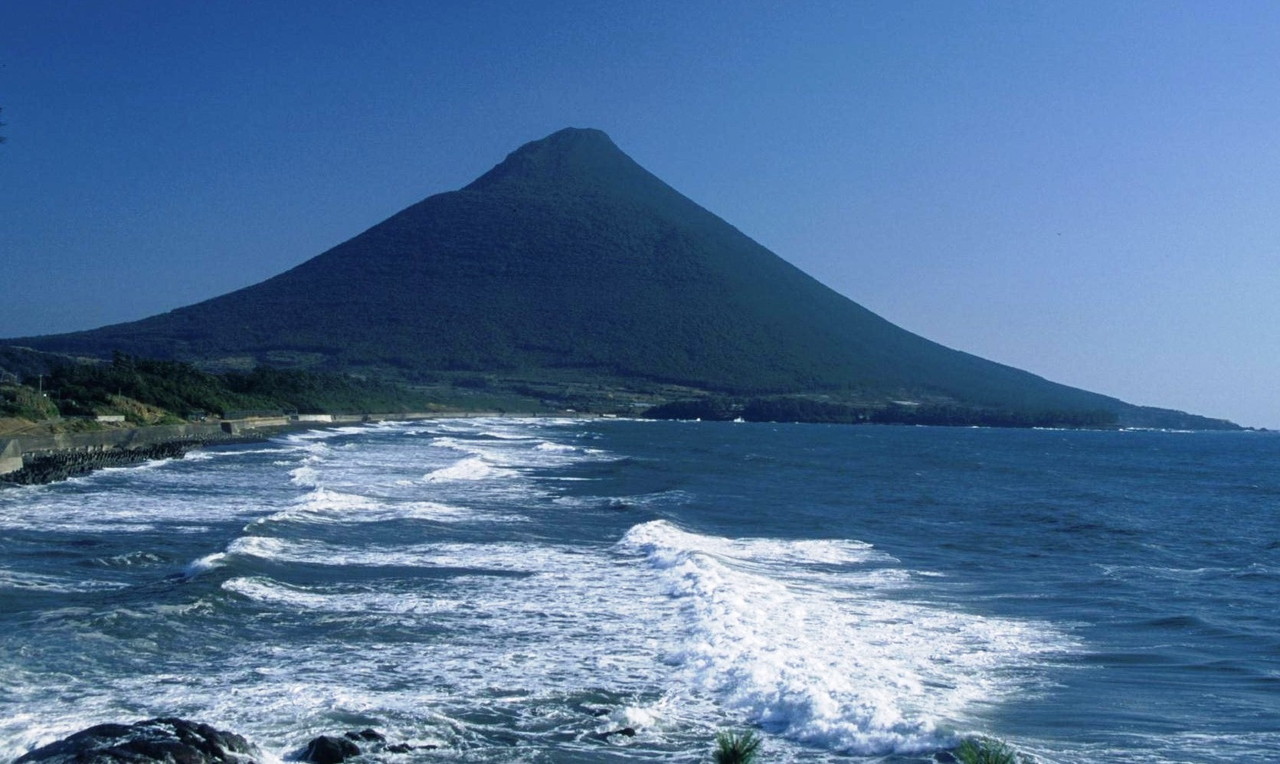
The cape's greatest visual draw is its view of Mount Kaimon, the near-perfect volcanic cone often called Satsuma Fuji for its resemblance to Mount Fuji. Rising 924 metres straight from the coastline a short distance to the west, Kaimon dominates the horizon, and from Nagasakibana it appears in flawless symmetry across the water, an image that defines southern Kagoshima. On clear days the panorama extends far out to sea, and it is sometimes possible to glimpse the distant islands of Yakushima and Tanegashima shimmering on the horizon.
At the tip of the cape stands a slender white lighthouse, reached by a short walking path over dark volcanic rock. The shoreline here is fringed with tide pools that teem with small marine life at low tide, making it a fun place for casual exploration as well as photography. The cape is volcanic in origin and marks the southern edge of the Ibusuki volcanic field, so the rugged black rock underfoot is part of the story.
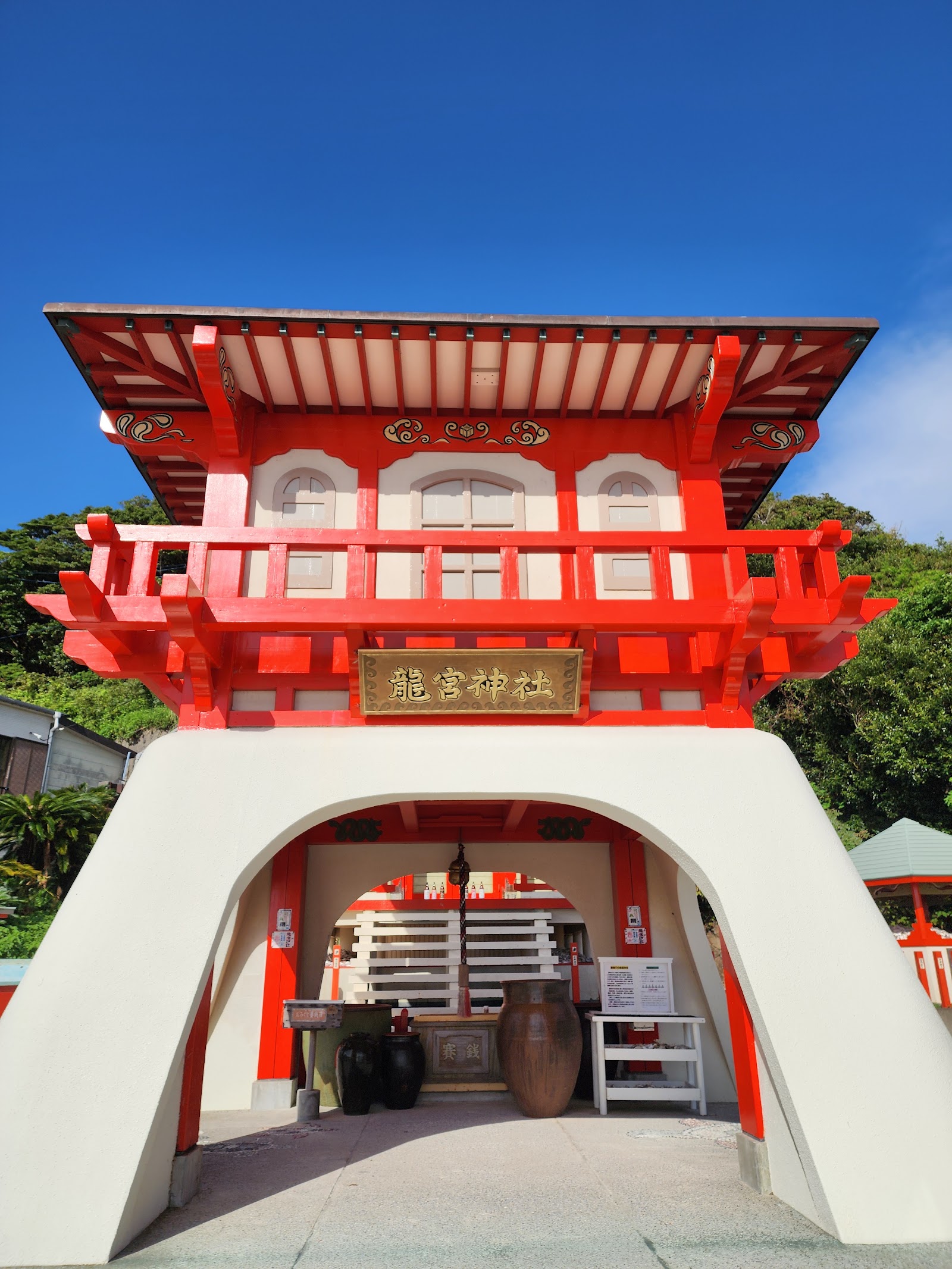
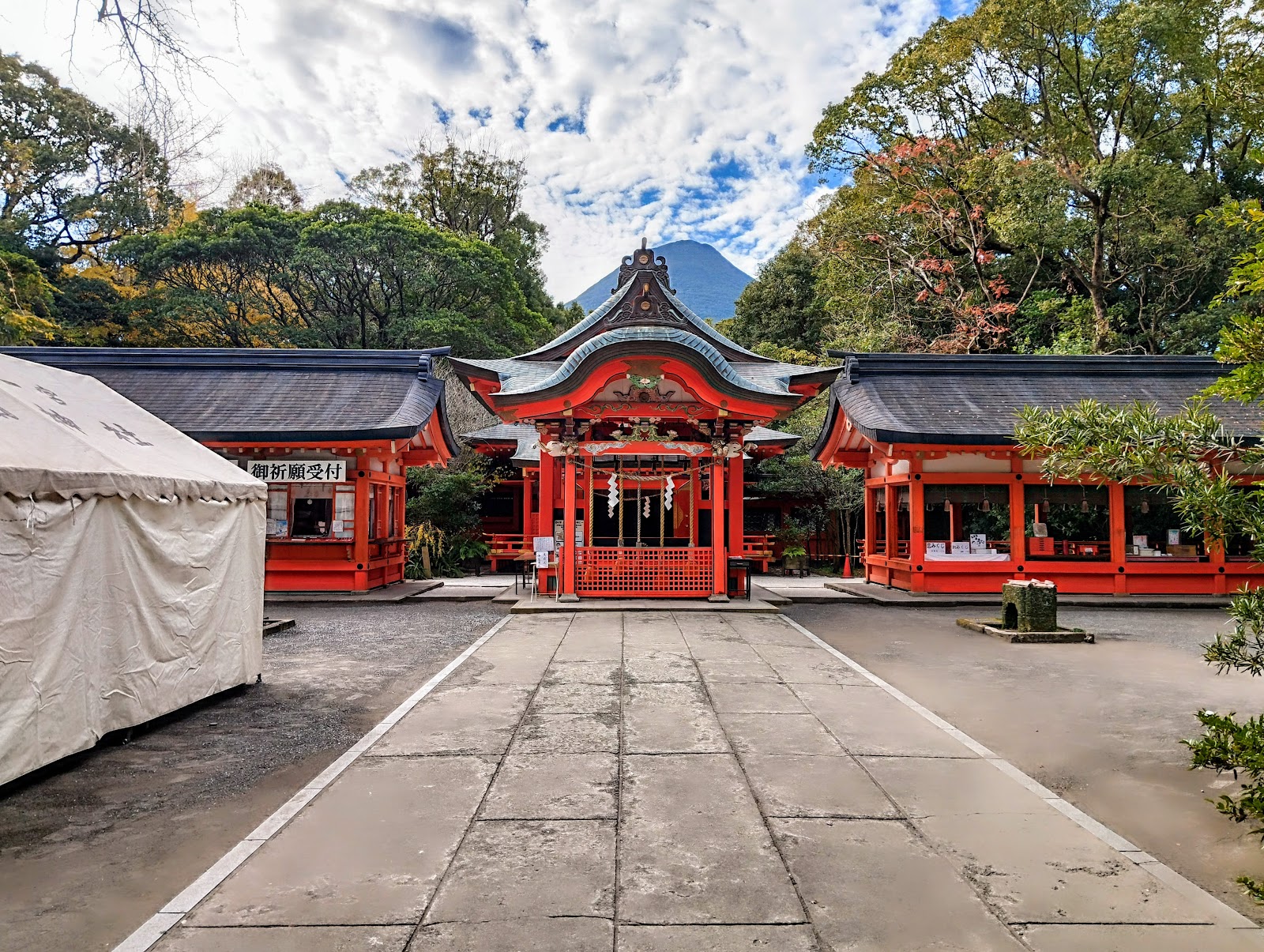
Nagasakibana is also known as Cape Ryugu because of its association with the tale of Urashima Taro, the fisherman who, in Japanese legend, rescued a sea turtle and was carried to the underwater palace of the dragon god. A statue of Urashima Taro and the Ryugu Shrine, dedicated to the dragon deity and painted in vivid colors, stand near the cape, and the area has become a place where visitors pray for love and good fortune, often leaving shell-shaped ema plaques. The gentle mythology adds a layer of charm to the natural beauty. Fittingly, sea turtles really do come ashore to lay eggs on nearby beaches in summer.
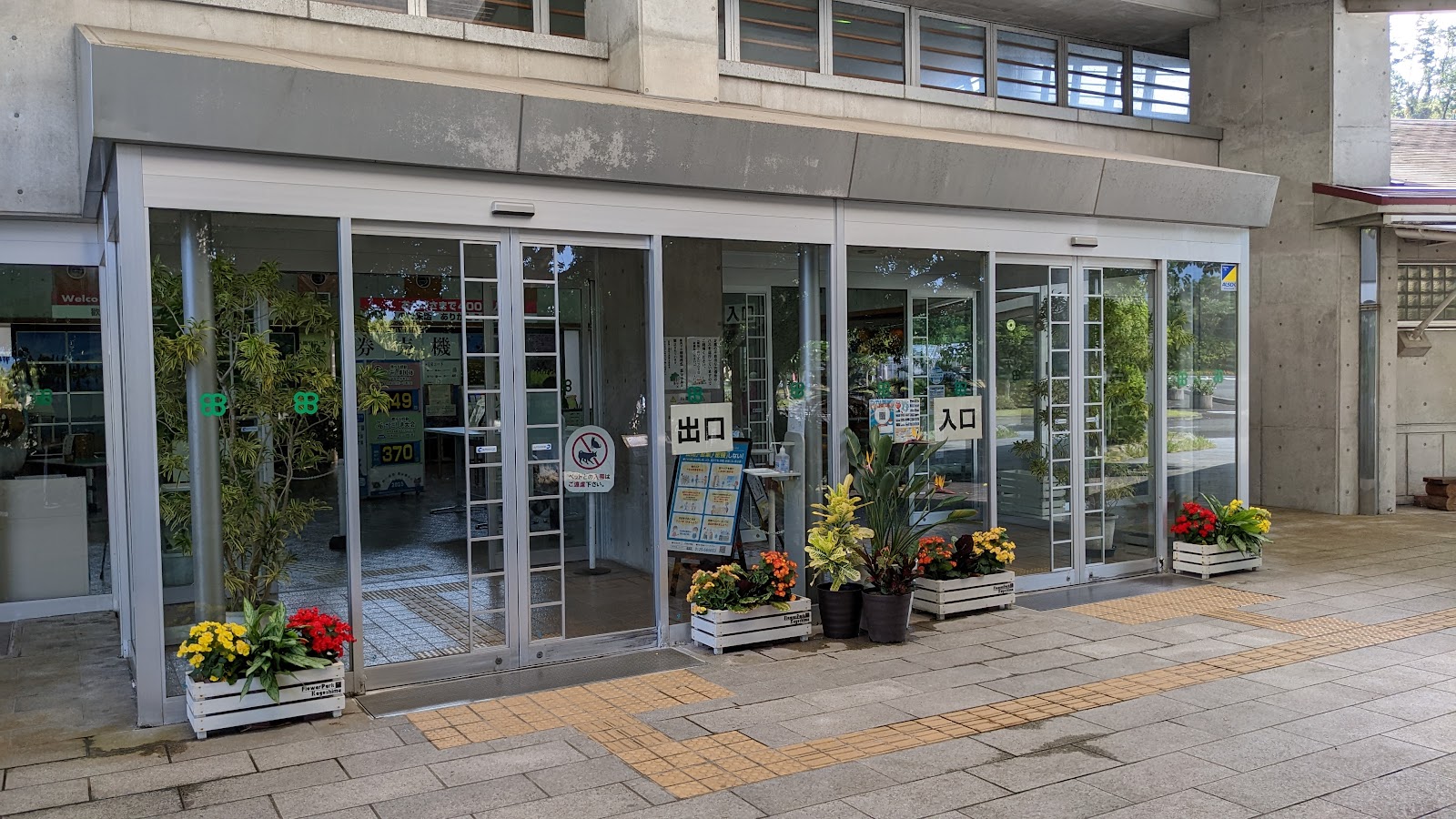
A small cluster of souvenir shops and stalls near the parking area sells local snacks and turtle-themed trinkets, and the whole site is relaxed and family-friendly. It works beautifully as part of a wider tour of the Ibusuki region, which is also famous for its natural sand baths, where bathers are buried in warm volcanic sand, as well as Lake Ikeda and the trailhead for climbing Mount Kaimon itself.
Getting to the cape is easiest by car, roughly 25 minutes from central Ibusuki, as public transport to this southern tip is limited. Local buses run toward Nagasakibana, and from Yamagawa Station on the JR Ibusuki-Makurazaki Line a taxi covers the last stretch quickly. There is no admission charge, parking is available, and the cape is accessible at any hour, though clear daytime skies best reveal Mount Kaimon. Allow around fifty minutes to walk to the lighthouse, visit the shrine, and take in the views. Wild, scenic, and steeped in legend, Cape Nagasakibana is a highlight of any journey through southern Kagoshima.
A local's tip
Walk out to the white lighthouse at the very tip at low tide to explore the tide pools, then frame the perfect cone of Mount Kaimon rising across the water behind the Ryugu Shrine torii.
Best time to visit
Clear mornings for sharp views of Mount Kaimon
Getting there
From Ibusuki Station, drive about 25 minutes or take a local bus toward Nagasakibana; from Yamagawa Station it is a short taxi ride. A car is by far the easiest option in the Ibusuki area.
Good to know
- Shops
- Parking
- Restrooms
Plan the whole trip offline
Cape Nagasakibana is one of many places in the Real Japan app — with turn-by-turn directions, nearby spots and full offline maps you can use with no signal.