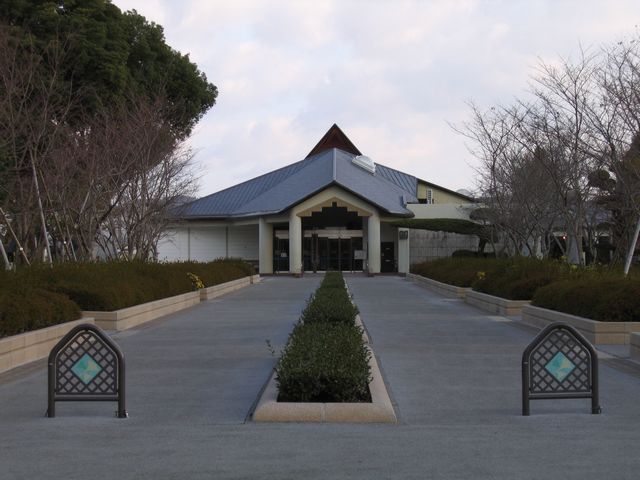
A sobering, deeply human memorial to the young pilots who flew their last flights from Chiran's airfield.
The Chiran Peace Museum for Kamikaze Pilots is one of Japan's most affecting historical sites, a quiet memorial in a country town that confronts visitors with the human cost of war in the most personal terms. Built on the site of the former Chiran airfield, from which hundreds of young men took off on one-way tokkotai, or special-attack, missions in the closing months of the Second World War, it preserves their photographs, personal effects and, above all, their final letters home.
In 1945, as the war turned decisively against Japan, the military launched the tokkotai campaign, sending pilots to deliberately crash their aircraft into Allied ships. Chiran, in southern Kyushu, became the busiest of the army's departure bases for these missions targeting the invasion fleet off Okinawa. The pilots, many still teenagers, would spend their last nights in Chiran before flying south to their deaths. The museum, opened in 1975 and expanded since, exists to record their stories and to advocate for peace so that such sacrifices are never repeated.
The heart of the collection is the pilots' own words. Hundreds of farewell letters and poems are displayed, many with English translations, written to mothers, fathers, wives and siblings in the hours before the men flew. They are by turns stoic, tender, frightened and heartbreakingly ordinary, and reading them collapses the distance of history entirely. Alongside the letters hang wall after wall of photographs of the young faces, together with uniforms, personal belongings, and recovered aircraft including a Zero fighter salvaged from the sea. The effect is not triumphal but profoundly sorrowful, and the museum is careful to present the pilots as individuals rather than symbols.
The grounds outside continue the memorial. Stone lanterns line the approach, one traditionally for each pilot, and a serene park surrounds the buildings. A reconstructed barracks shows the spartan hut where pilots spent their final night, and a statue of a departing airman stands nearby. Cherry trees, long associated in Japan with the fleeting lives of the young men, blossom here in spring.
A visit is a moving rather than a comfortable experience, and the museum asks to be approached with respect and reflection. Photography is restricted inside, and the atmosphere is hushed. An audio guide helps international visitors follow the exhibits, and the modest entrance fee supports the memorial's upkeep. Restrooms, parking and a small shop with related books are available. Allow at least ninety minutes, and more if you read the letters carefully.
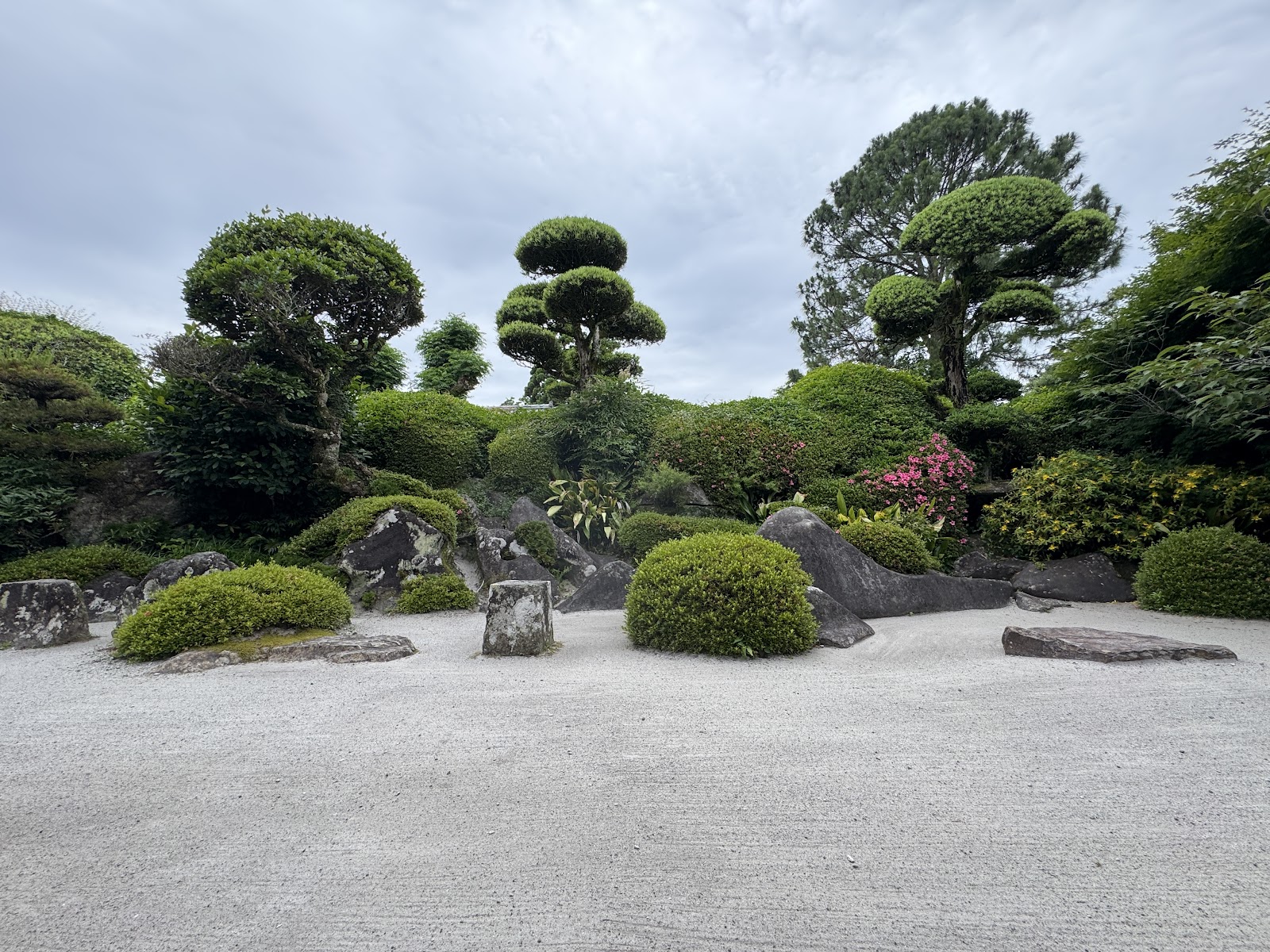
Chiran sits over an hour by bus from Kagoshima city, and most visitors combine the Peace Museum with the town's beautifully preserved samurai residences and gardens, a striking juxtaposition of feudal serenity and modern tragedy. Direct buses run from Kagoshima-Chuo Station. Difficult but important, the Chiran Peace Museum offers not a glorification of war but a sober, deeply human plea for peace, told through the voices of those who did not return.
A local's tip
The audio guide and the English translations of the pilots' final letters are what make the visit unforgettable — allow extra time to read them slowly rather than rushing the displays.
Best time to visit
Any time; allow quiet reflection
Getting there
Take a Kagoshima Kotsu bus from Kagoshima-Chuo Station toward Chiran and alight at the Tokko-Kannon-iriguchi or Peace Museum stop; the museum is a short walk through the memorial park.
Good to know
- Parking
- Gift Shop
- Restrooms
Plan the whole trip offline
Chiran Peace Museum for Kamikaze Pilots is one of many places in the Real Japan app — with turn-by-turn directions, nearby spots and full offline maps you can use with no signal.