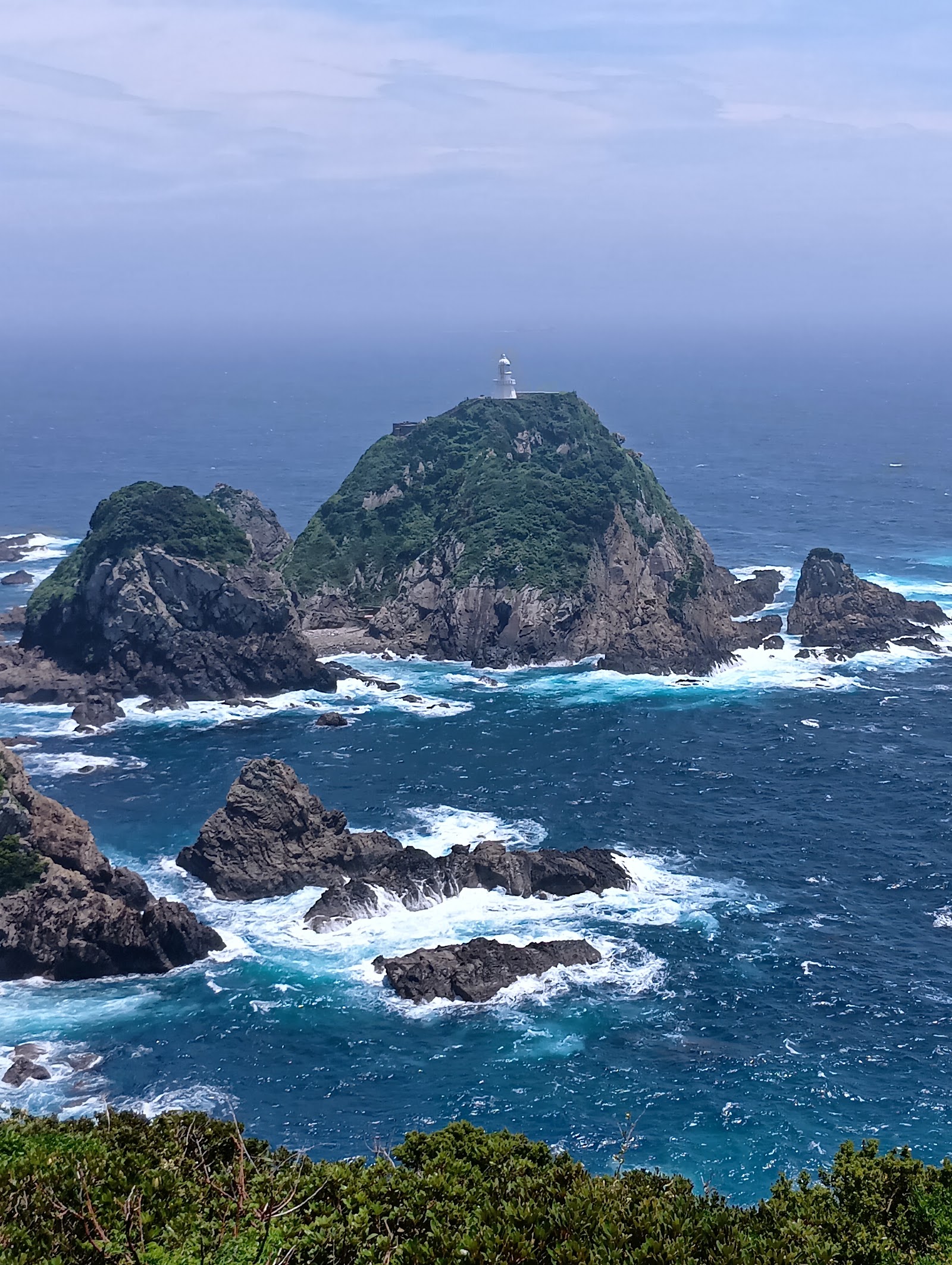
The southernmost tip of mainland Kyushu, a subtropical cape with a historic lighthouse and ocean-spanning views.
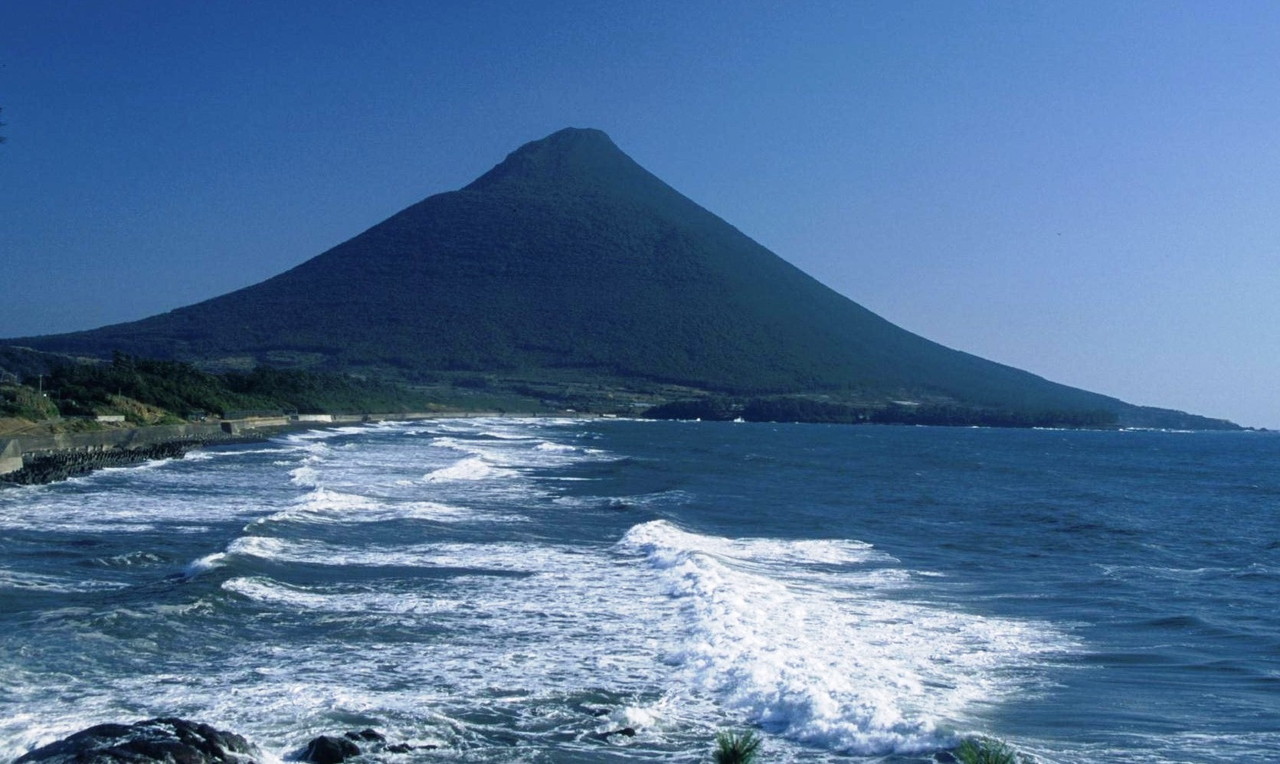
Cape Sata, or Sata Misaki, is the southernmost point of mainland Kyushu and indeed of Japan's four main islands, a wild subtropical headland at the tip of the Osumi Peninsula that feels genuinely like the end of the land. Reaching it requires effort, but that remoteness is part of its appeal: this is a place where the Japanese archipelago tapers to a point and the open Pacific and East China Sea meet in a vast, glittering horizon.
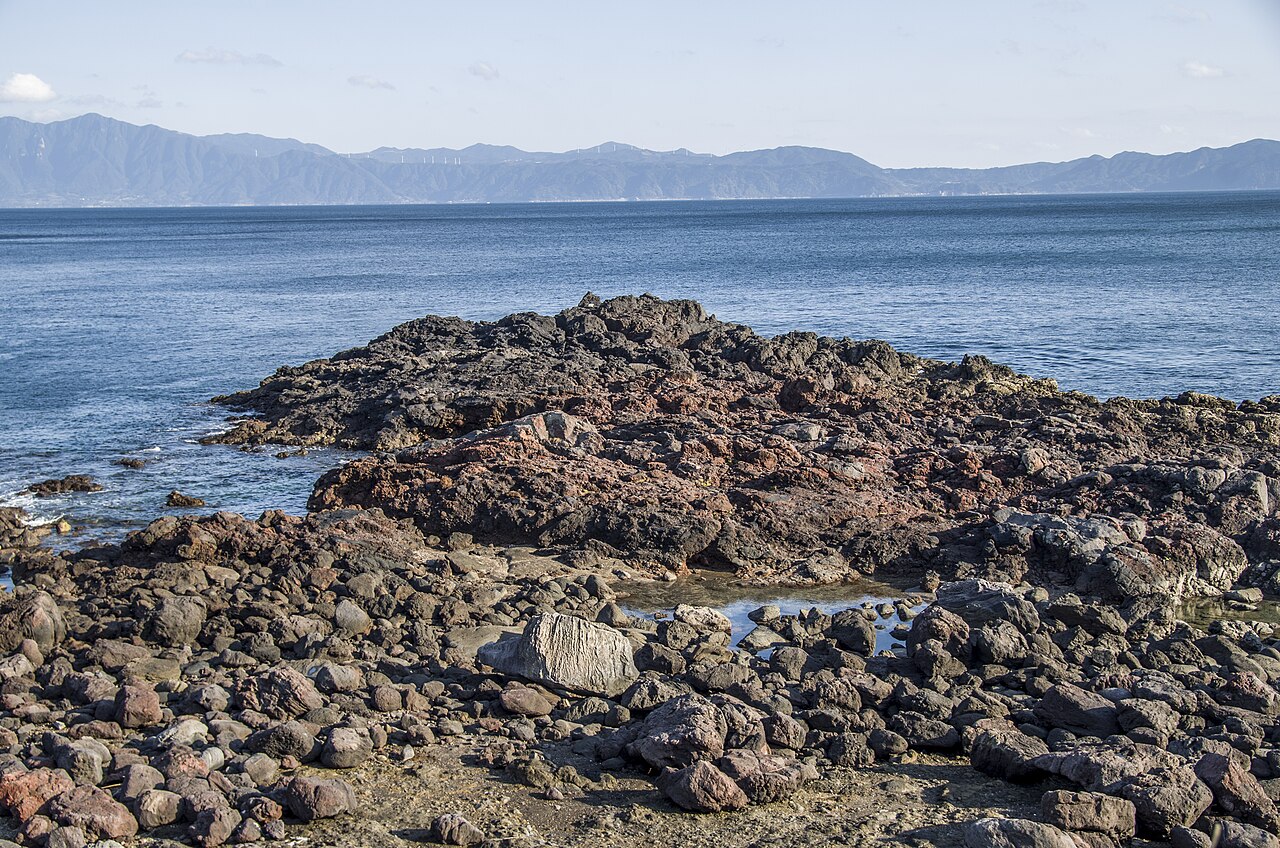
The cape lies along the 31st parallel north, and its observatory was newly remodeled in 2018 to give visitors a comfortable, panoramic vantage over the meeting of the waters. From the deck the views stretch far out to sea, and on clear days you can make out the islands of Tanegashima, from which Japan launches its rockets, and the misty peaks of Yakushima, the ancient cedar island, floating on the horizon. The surrounding waters are known for their strong currents where the bay meets the ocean, and the sense of standing at a true geographical edge is powerful.
Just offshore rises the Sata lighthouse, perched on a small islet. It holds a special place in Japanese history as the oldest Western-style lighthouse in the country, first lit in 1871 and designed by the British engineer Richard Henry Brunton, often called the father of Japanese lighthouses, who built a string of navigational beacons around the newly opening nation. The white tower against the blue sea makes a classic image and anchors the cape's identity.
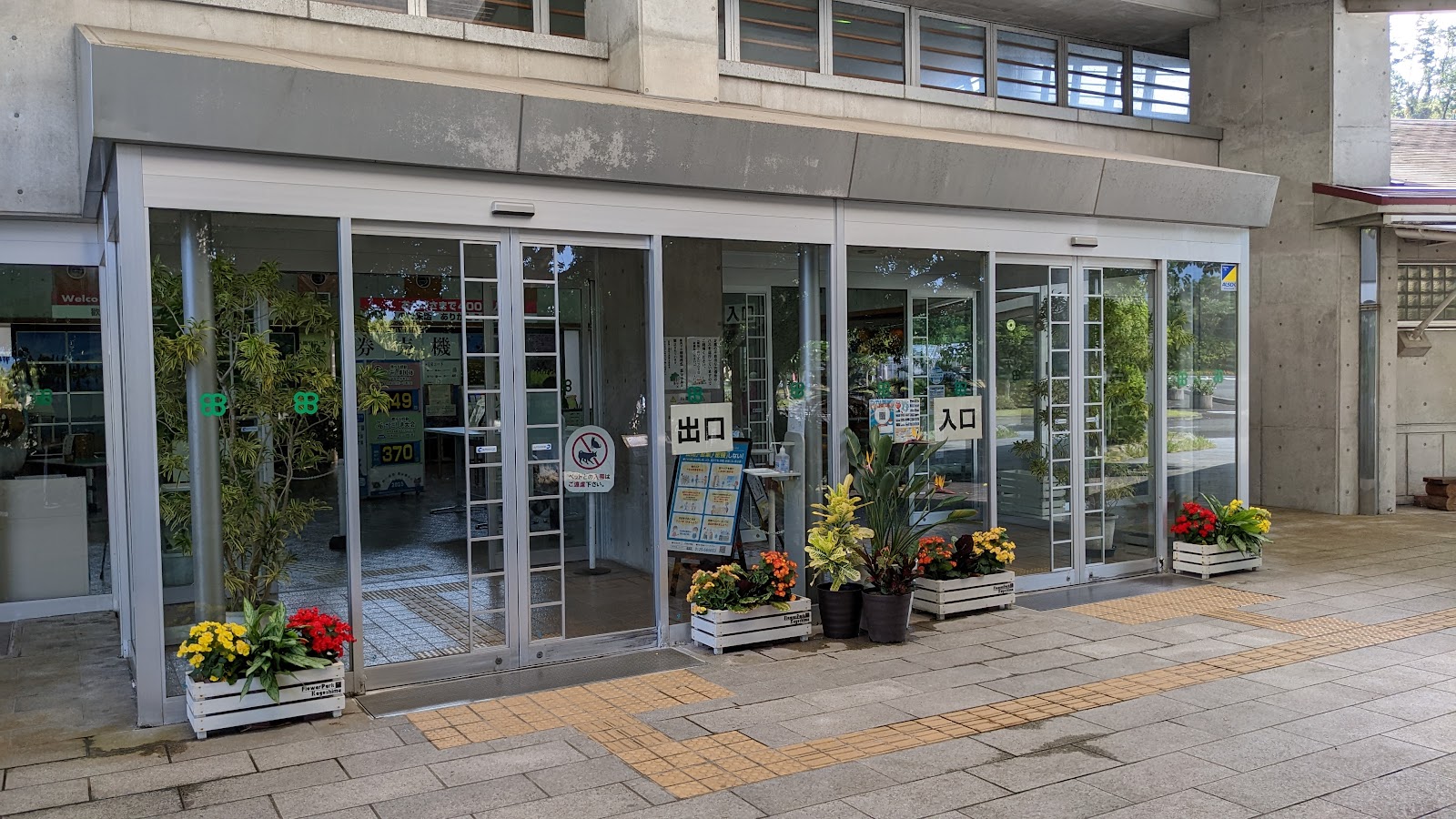
The walk to the observatory passes through a short tunnel and along a path lined with subtropical vegetation, palms, and flowering plants that thrive in the mild, humid climate here at the southern edge of the mainland. The area falls within the Kirishima-Kinkowan National Park, and the lush greenery combined with the dramatic coastal cliffs gives the whole cape a lost-world atmosphere. A small shop and rest facilities near the parking area provide refreshments and local souvenirs.
Because Cape Sata sits so far from the usual tourist circuit, it rewards travelers looking for something off the beaten path and a sense of real journey. It is often combined with a wider exploration of the Osumi Peninsula, a rugged and lightly visited region of Kagoshima, or reached as a memorable day out by those touring southern Kyushu by car.
Getting here calls for planning. The cape is remote and effectively requires a car: one common route is to cross Kagoshima Bay by ferry to Nejime Port and then drive about 60 minutes to the cape, while another is the long, scenic road journey around the bay from Kagoshima city. Public transport is minimal, so a rental car or organised tour is strongly recommended, and none of the local ferries or buses are covered by the Japan Rail Pass. Admission is free, the grounds are accessible at any hour, and the facilities keep daytime hours. Allow around an hour to walk out to the deck, take in the vast seascape, and photograph the historic lighthouse. For those willing to make the trip, Cape Sata offers a rare and stirring sense of reaching the very edge of Japan.
A local's tip
Walk the tunnel-and-path to the renovated observation deck at the 31st parallel, then look for the old Sata lighthouse offshore, Japan's oldest Western-style lighthouse, designed by the British engineer Richard Brunton.
Best time to visit
Clear days to spot Tanegashima and Yakushima offshore
Getting there
Remote and best reached by car on the Osumi Peninsula; roughly a 60-minute drive from Nejime Port, itself reachable by ferry across Kagoshima Bay, or a long scenic drive around the bay from Kagoshima city.
Good to know
- Shop
- Parking
- Restrooms
Plan the whole trip offline
Cape Sata Observatory is one of many places in the Real Japan app — with turn-by-turn directions, nearby spots and full offline maps you can use with no signal.