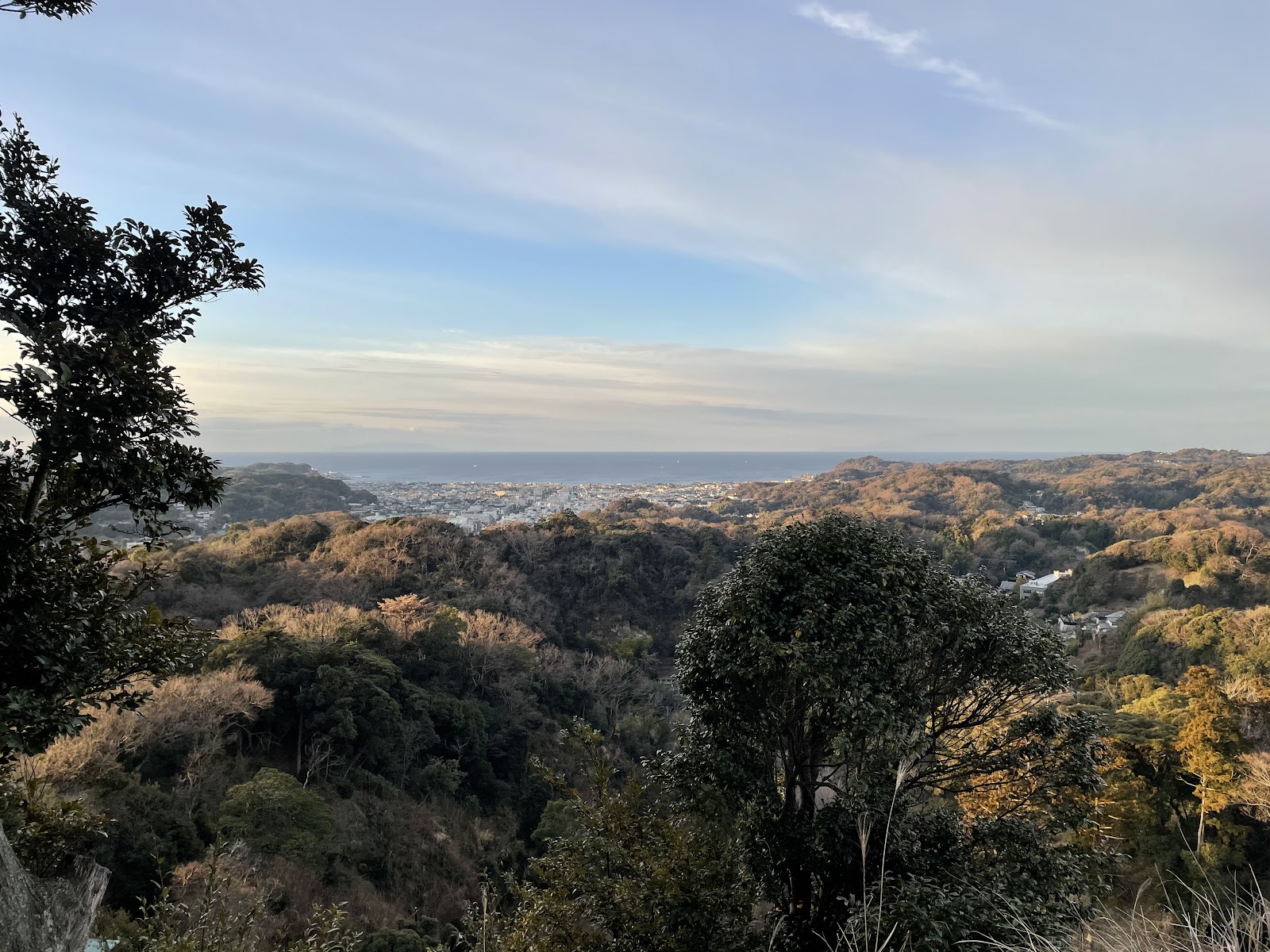
A hillside 'Fuji-viewing platform' behind a historic Nichiren temple, overlooking Kamakura's seaside townscape and Mt Fuji.
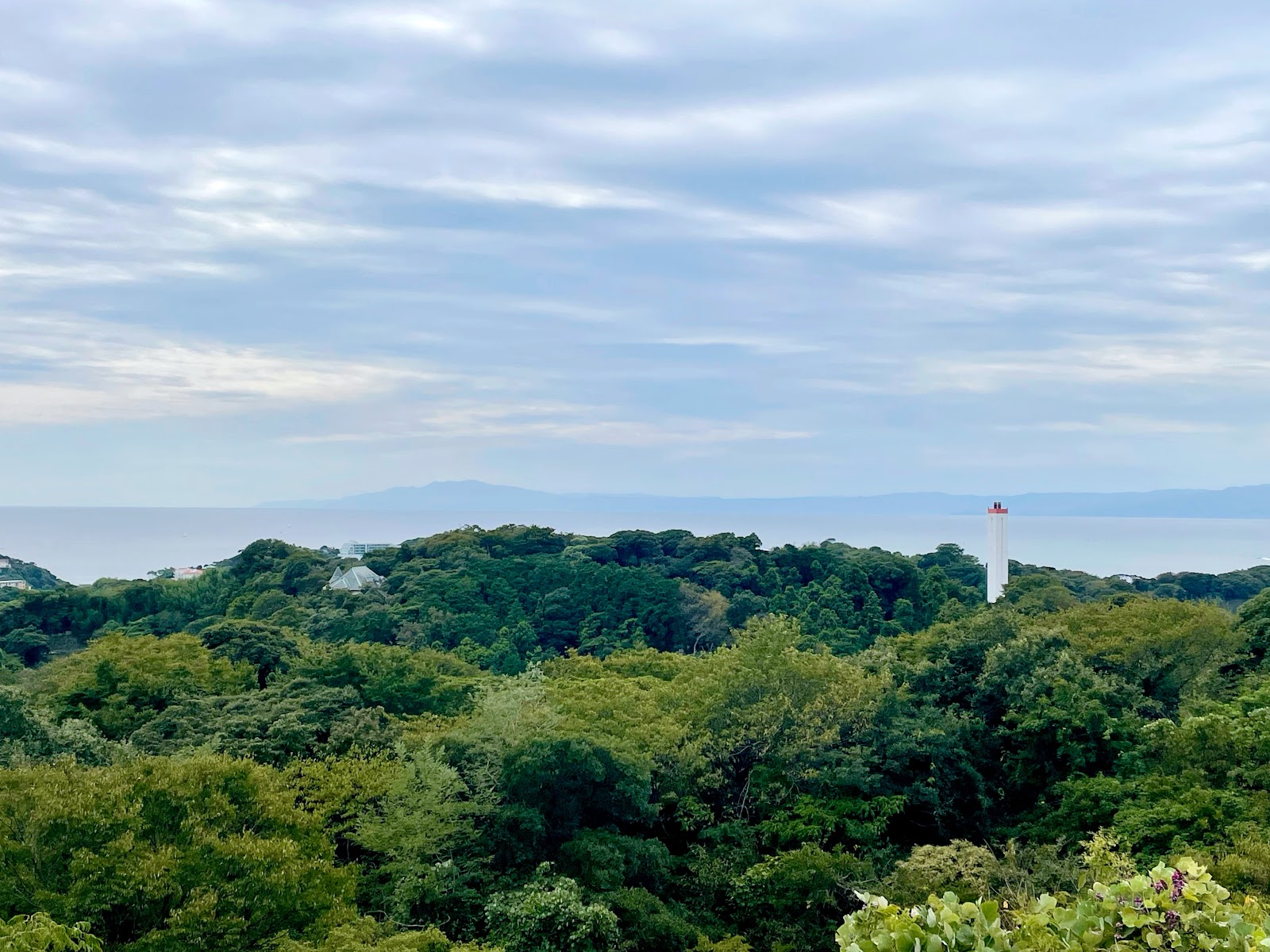
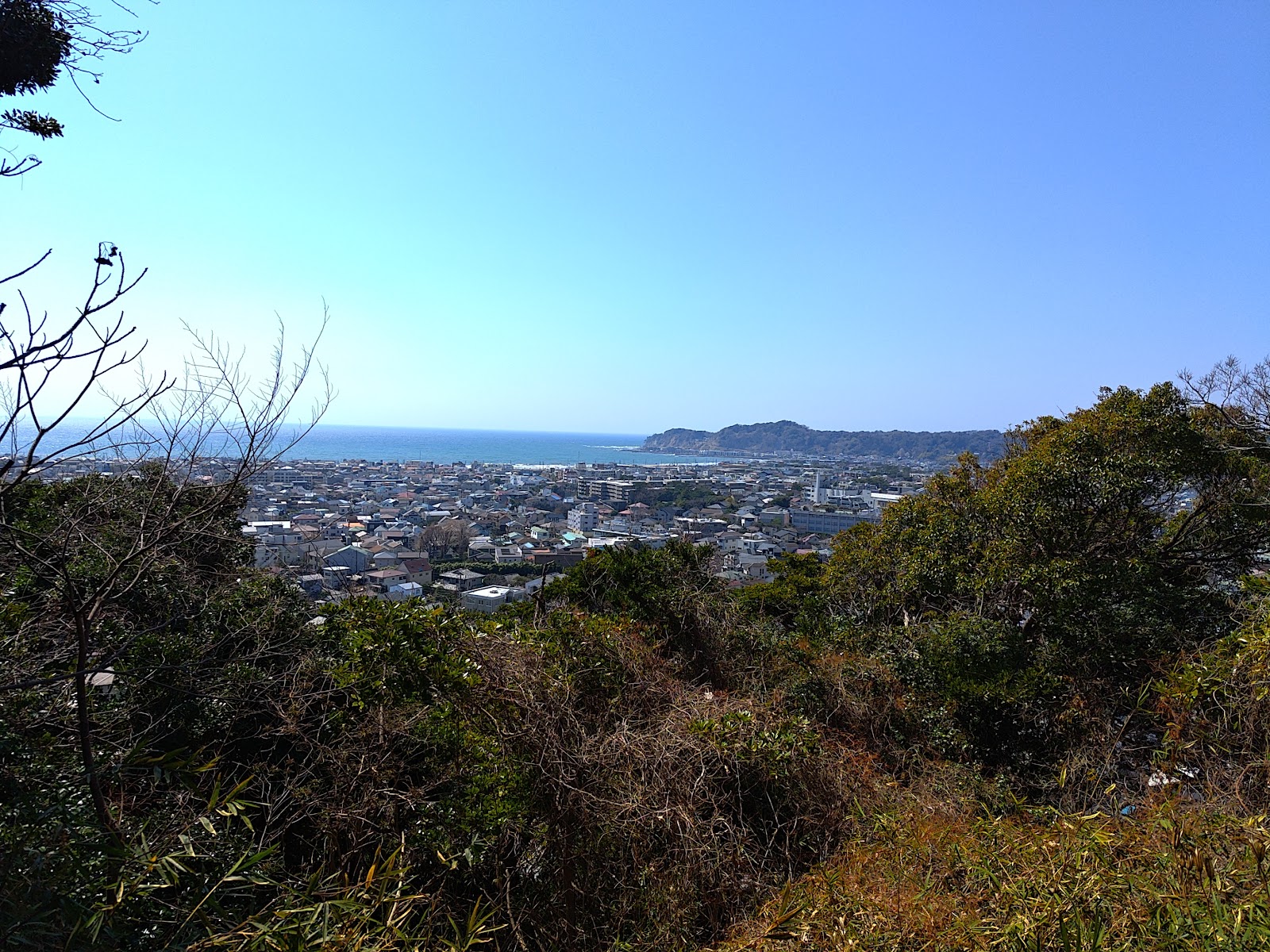
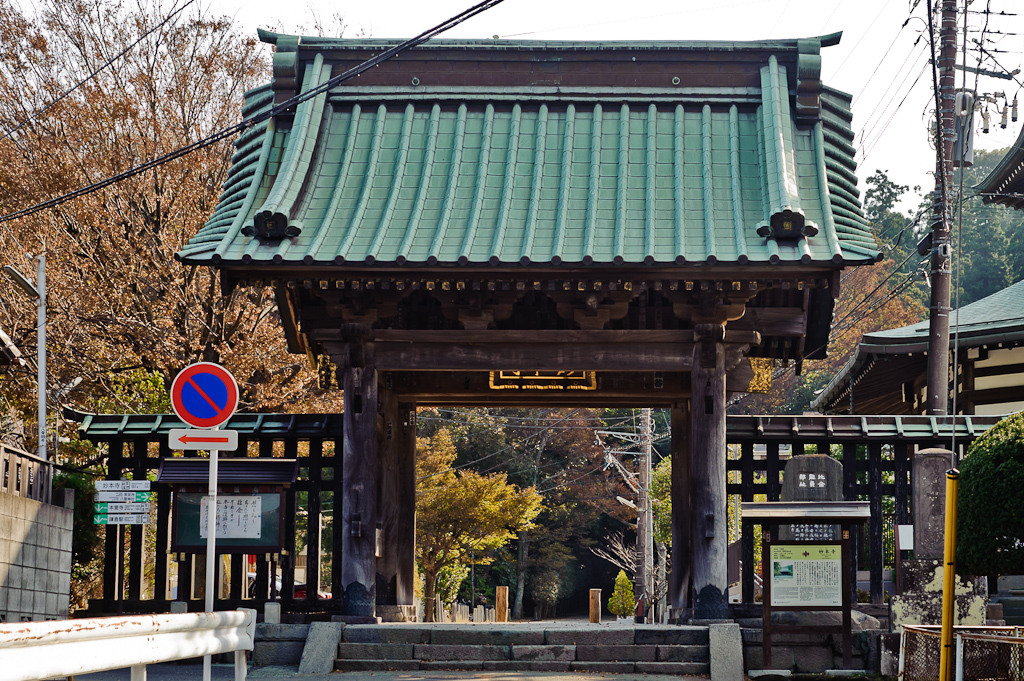
Ankokuron-ji is a Nichiren-sect Buddhist temple set in the sacred valley of Matsubagayatsu in the Omachi district, where a sea breeze drifts up from the nearby coast. Behind the temple, reached by a climb up the wooded hillside, is the Fujimidai, literally the 'Mt Fuji viewing platform', an observation deck woven into both the landscape and the temple's founding legend. From it the view opens over Kamakura's seaside townscape, the cape of Inamuragasaki and, on clear days, the distant cone of Mt Fuji.
The temple's significance is tied directly to Nichiren, the fiery thirteenth-century monk who founded the Buddhist school that bears his name. Matsubagayatsu is traditionally held to be where Nichiren lived and, according to the temple, where he wrote one of his most important treatises, the 'Rissho Ankoku-ron', which gives Ankokuron-ji its name. Legend has it that Nichiren would climb the hill behind the temple each day and chant the Lotus Sutra while facing Mt Fuji from this very platform, making the Fujimidai not merely a scenic spot but a place of devotional memory.
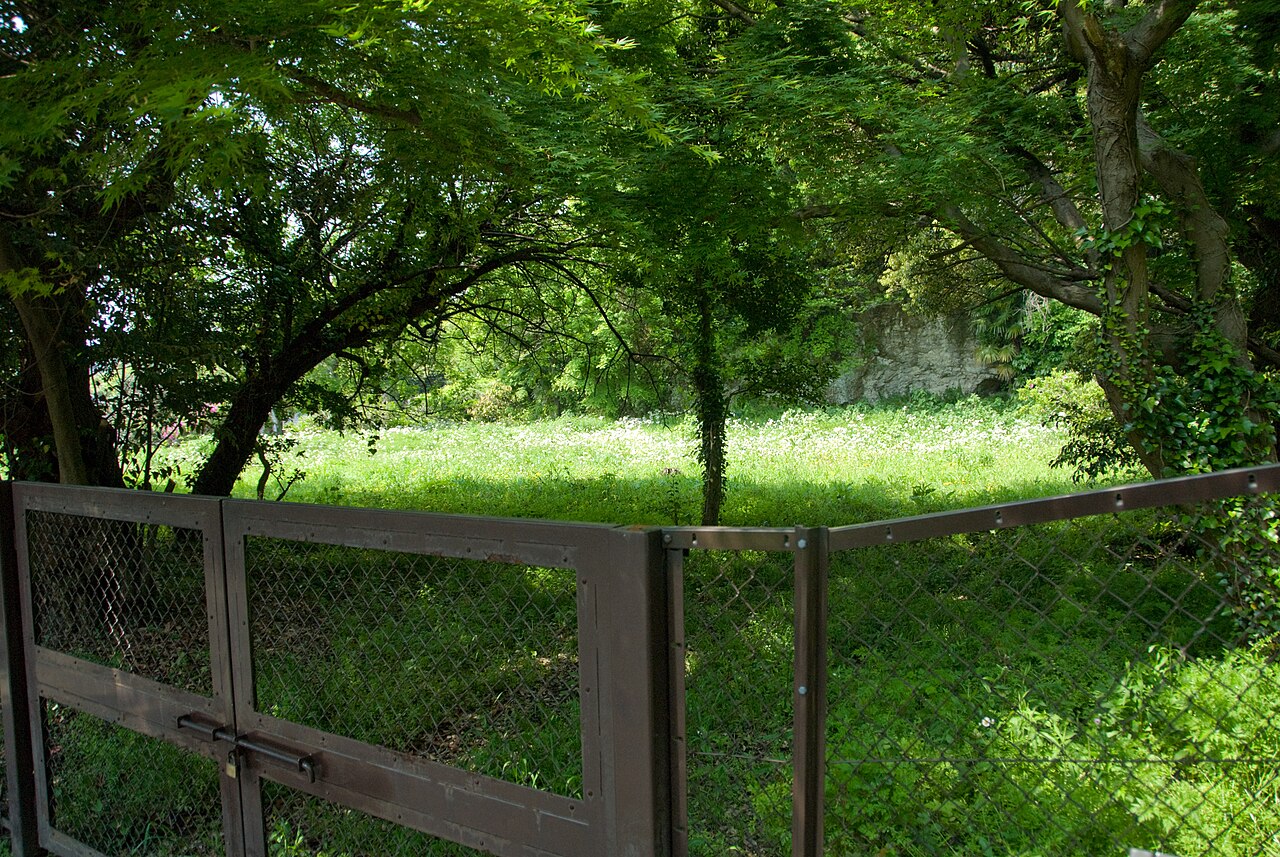
The climb to the deck begins on the path next to the Kumao-den hall within the temple precincts, ascending a steep hillside before the view unfolds. Beyond the Fujimidai the route continues as a short pilgrimage trail along the ridge, leading to the Bell of Peace, a bronze temple bell cast by the Living National Treasure metalworker Katori Masahiko and dedicated to a prayer for world peace. Its handsome bell tower is worth the few extra minutes, and the loop gives the visit a satisfying sense of walking in the founder's footsteps.
The temple grounds themselves are quietly beautiful and famous for their seasonal flowers, including early cherry blossom in spring and vivid maples in autumn, which frame the hillside walk in colour. Ankokuron-ji sees far fewer visitors than Kamakura's headline temples, so the atmosphere is contemplative and unhurried. A small admission is collected to help maintain the grounds, and simple restrooms are available; note that the temple keeps daytime hours, closes on some Mondays and may restrict access during certain winter periods, so checking ahead is wise. The hillside path is steep and can be slippery after rain, so wear proper shoes.
As with all of Kamakura's Fuji viewpoints, timing is decisive. The cold, dry air of late autumn and winter offers the clearest and most reliable sightings of the mountain, ideally in the morning before haze builds, while spring and summer humidity often hides Fuji even as the gardens flourish. To reach the temple, take the JR Yokosuka Line to Kamakura Station, a stop covered by the Japan Rail Pass, then walk about 20 minutes southeast into the Omachi valley, or ride a short local bus toward Nagoe. Allow roughly 45 minutes to explore the temple, climb to the Fujimidai and walk the short ridge loop to the Bell of Peace, and choose a crisp, clear morning for the best chance of seeing Fuji framed above the old capital.
A local's tip
Continue past the Fujimidai along the pilgrimage path to the Bell of Peace by Living National Treasure Katori Masahiko; the short loop adds history and a second quiet viewpoint over the valley.
Best time to visit
Clear winter mornings for Mt Fuji over the townscape
Getting there
From Kamakura Station on the JR Yokosuka Line, walk about 20 minutes southeast to the Matsubagayatsu area of Omachi, or take a short bus toward Nagoe. Inside Ankokuron-ji, climb the hill path beside the Kumao-den hall to reach the Fujimidai deck.
Good to know
- Parking
- Restrooms
Plan the whole trip offline
Ankokuron-ji Fujimidai Observation Deck is one of many places in the Real Japan app — with turn-by-turn directions, nearby spots and full offline maps you can use with no signal.