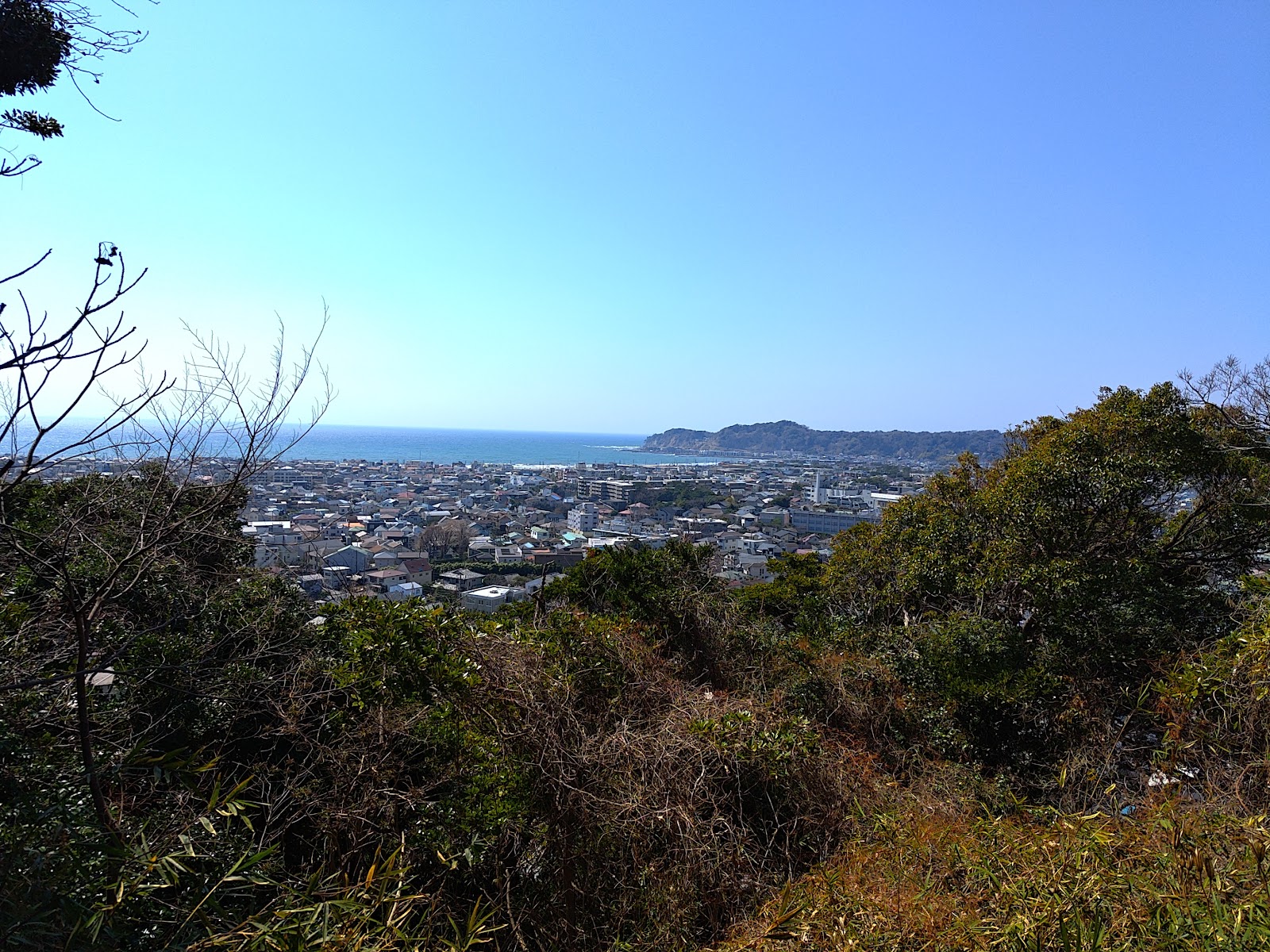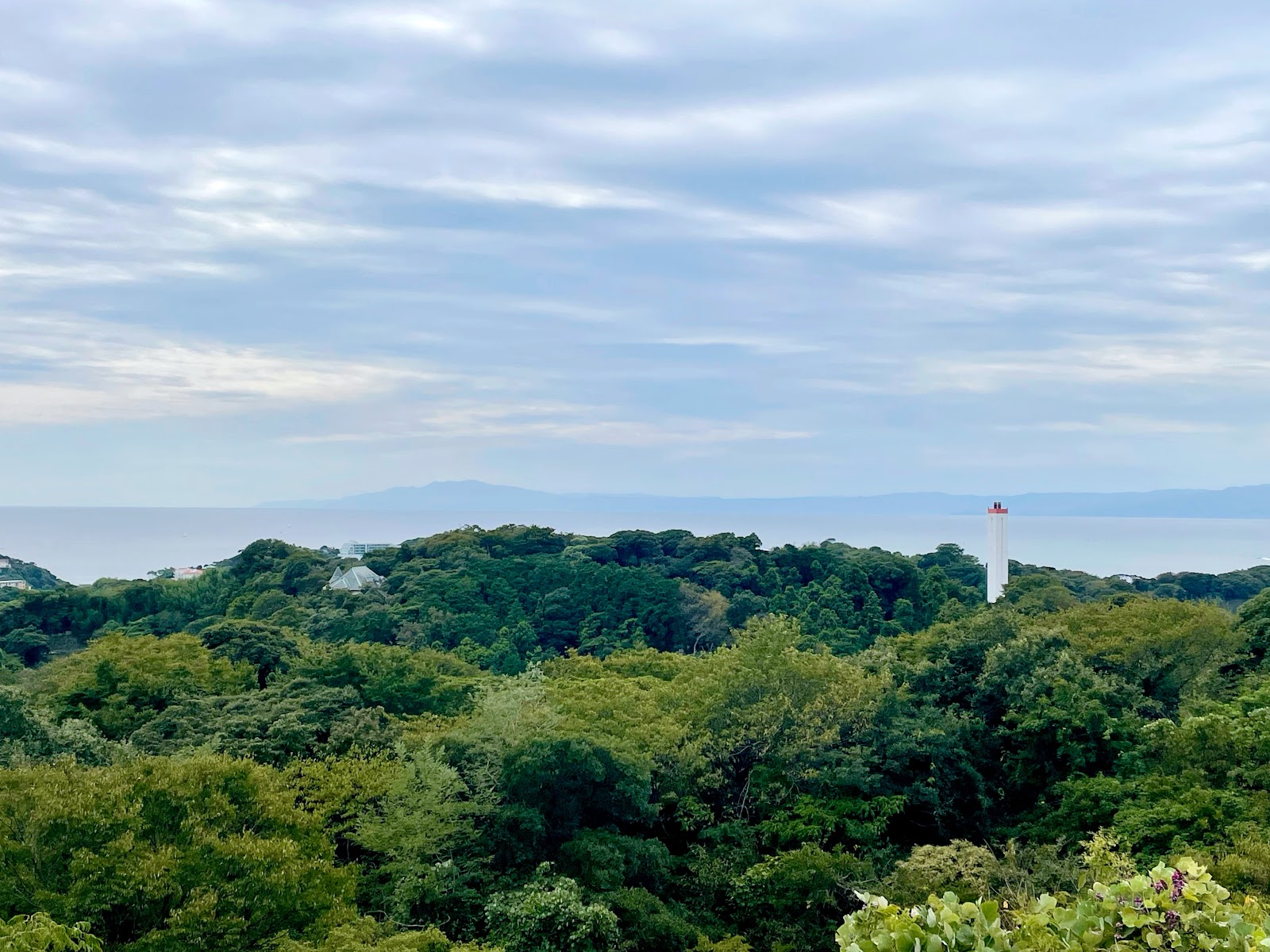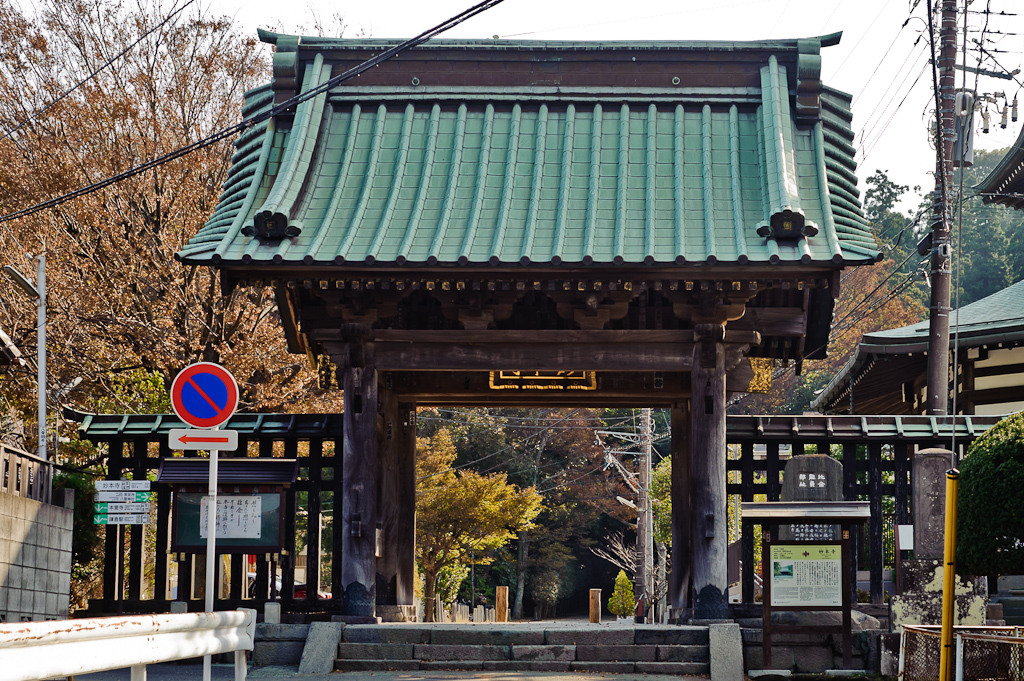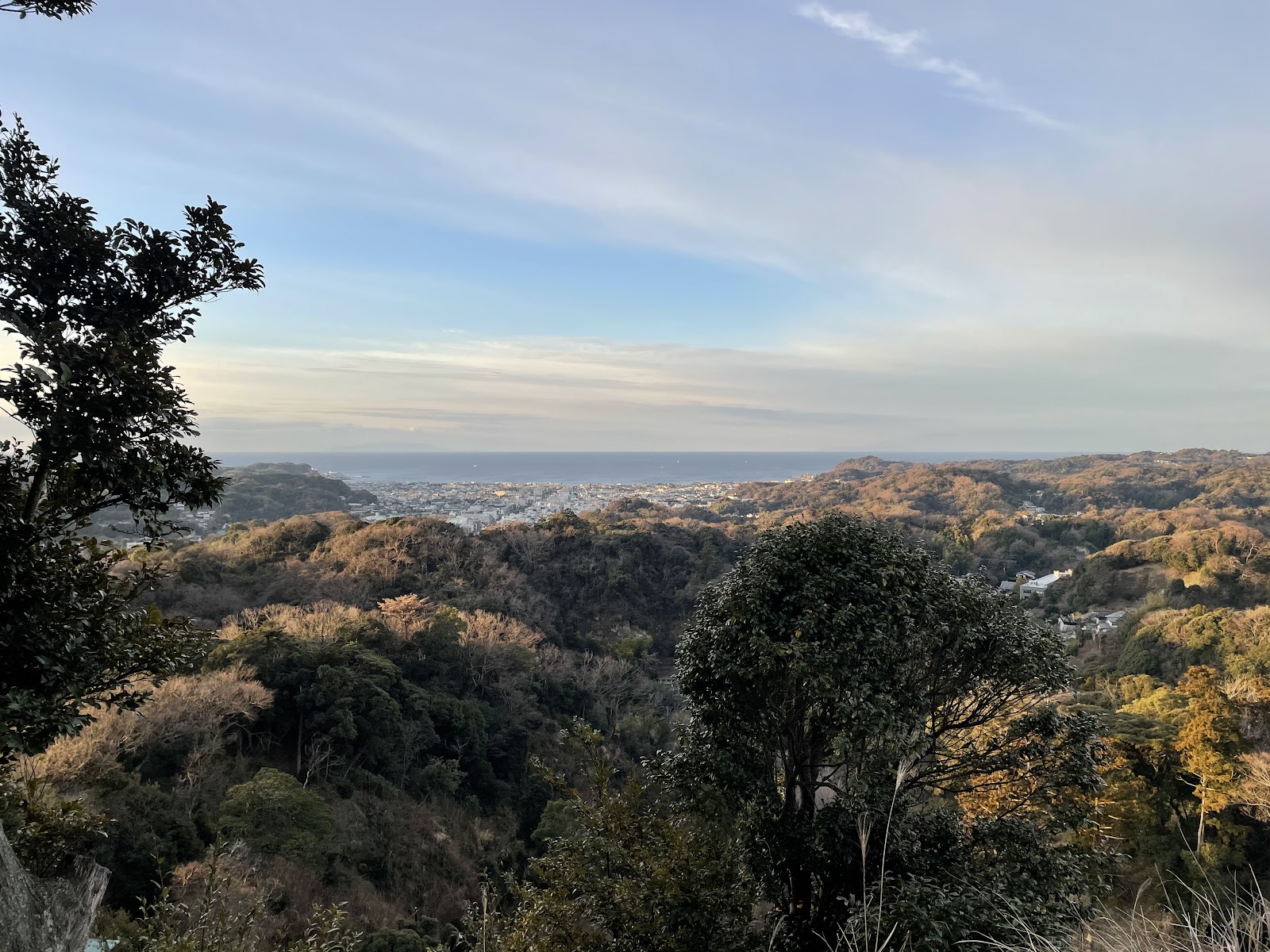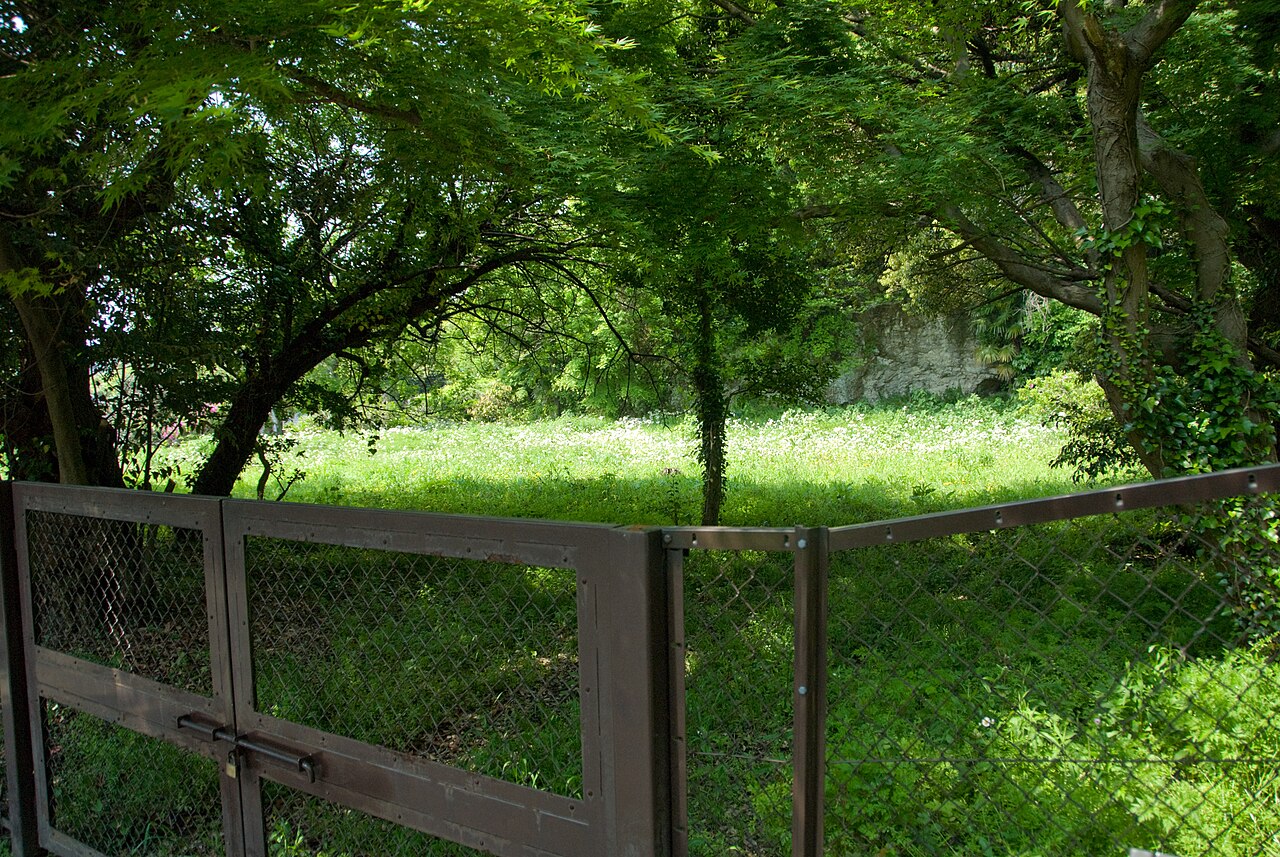
The forested site where the Kamakura shogunate came to a bloody end in 1333, as hundreds of the Hojo clan committed mass suicide.
The Tosho-ji ruins are among the most historically momentous yet physically understated sites in all of Kamakura. There is no grand hall to admire and little more than a stone marker and a wooded hollow — but this is the place where the Kamakura shogunate, Japan's first samurai government, met its violent end in the summer of 1333.
Tosho-ji was the family temple of the Hojo, the clan of regents who, from behind a series of puppet shoguns, had effectively ruled Japan for over a century. By the 1330s their grip was failing. Emperor Go-Daigo had raised the banner of imperial restoration, and the brilliant, treacherous general Ashikaga Takauji had switched sides against his former Hojo masters. In May 1333 the warrior Nitta Yoshisada led an army against Kamakura itself, breaking into the city — according to legend, by praying to the sea god at Inamuragasaki so that the tide receded and let his troops march around the headland. As the city fell and fires spread, the last regent, Hojo Takatoki, retreated with his family and closest retainers to Tosho-ji.
There, rather than surrender, they chose death. In one of the most infamous episodes of the samurai age, Takatoki and hundreds of Hojo clansmen, retainers, and their families committed mass suicide by seppuku as the temple burned around them — chronicles put the number of the dead in the hundreds. With them died the Kamakura shogunate. The temple was destroyed and never rebuilt, and the site was left to the forest, which is why almost nothing remains today.
What a visitor finds now is a quiet, tree-shaded hollow at the edge of the city, near the mouth of a hiking trail, marked by a stone monument and an information board explaining what happened here. The absence of any surviving structure is, in a sense, the point: this is a place of memory rather than sightseeing, where the weight of history is carried entirely by the setting and the story. Standing in the green silence, it is sobering to reflect that the collapse of an entire era of government took place on this unremarkable patch of ground.
The walk out from the station takes around twenty minutes and involves some gentle slopes and rougher, unpaved ground near the trailhead, so sturdy shoes are wise; the site is not really suited to those who need level, paved paths. There are no facilities, no crowds, and no admission charge — only the woods and the marker.
This is a stop for the historically curious rather than the casual sightseer, and it rewards reading up on the fall of Kamakura before you go. For those who make the effort, it offers something rare: the chance to stand at the exact spot where one age of Japanese history ended and another began. Combine it with the temples of the southern Nagoe valley or the start of a hiking trail into the hills for a walk that threads through the city's dramatic past.
A local's tip
There is little to 'see' but much to feel — this quiet wooded hollow is where the Kamakura shogunate literally ended, as hundreds of the Hojo clan took their own lives here in 1333.
Best time to visit
Daylight; wear proper shoes for the wooded trail
Getting there
About a 20-minute walk south-east from Kamakura Station toward the Nagoe area; the site is marked near the entrance to a hiking trail.
Plan the whole trip offline
Tosho-ji Temple Ruins is one of many places in the Real Japan app — with turn-by-turn directions, nearby spots and full offline maps you can use with no signal.