Kamakura's only Tendai-sect temple, built on the Hojo clan's residence to console the spirits of those who died in the shogunate's fall.
Hokai-ji is a small, serene temple with a poignant purpose: it was founded to mourn the dead of the Hojo clan, whose story ended so violently just up the valley at Tosho-ji in 1333. It stands, moreover, on ground of great significance — the site of the Hojo family's own residence, the very heart of the regents' power during the century they ruled Japan from Kamakura. To build a temple of consolation on the ashes of the ruling family's home was a deliberate and symbolic act of atonement.
The temple was established in 1335, only two years after the fall of Kamakura, on the orders of Ashikaga Takauji — the general whose defection had helped destroy the Hojo — reportedly at the urging of Emperor Go-Daigo, who feared the vengeful spirits of the hundreds who had perished. In an age when it was widely believed that those who died in violence and grievance could return as angry ghosts to curse the living, founding a temple to pacify their souls was both a religious duty and a political precaution. Hokai-ji is unique in Kamakura as the city's only temple of the Tendai school of Buddhism, the venerable sect centred on Mount Hiei near Kyoto.
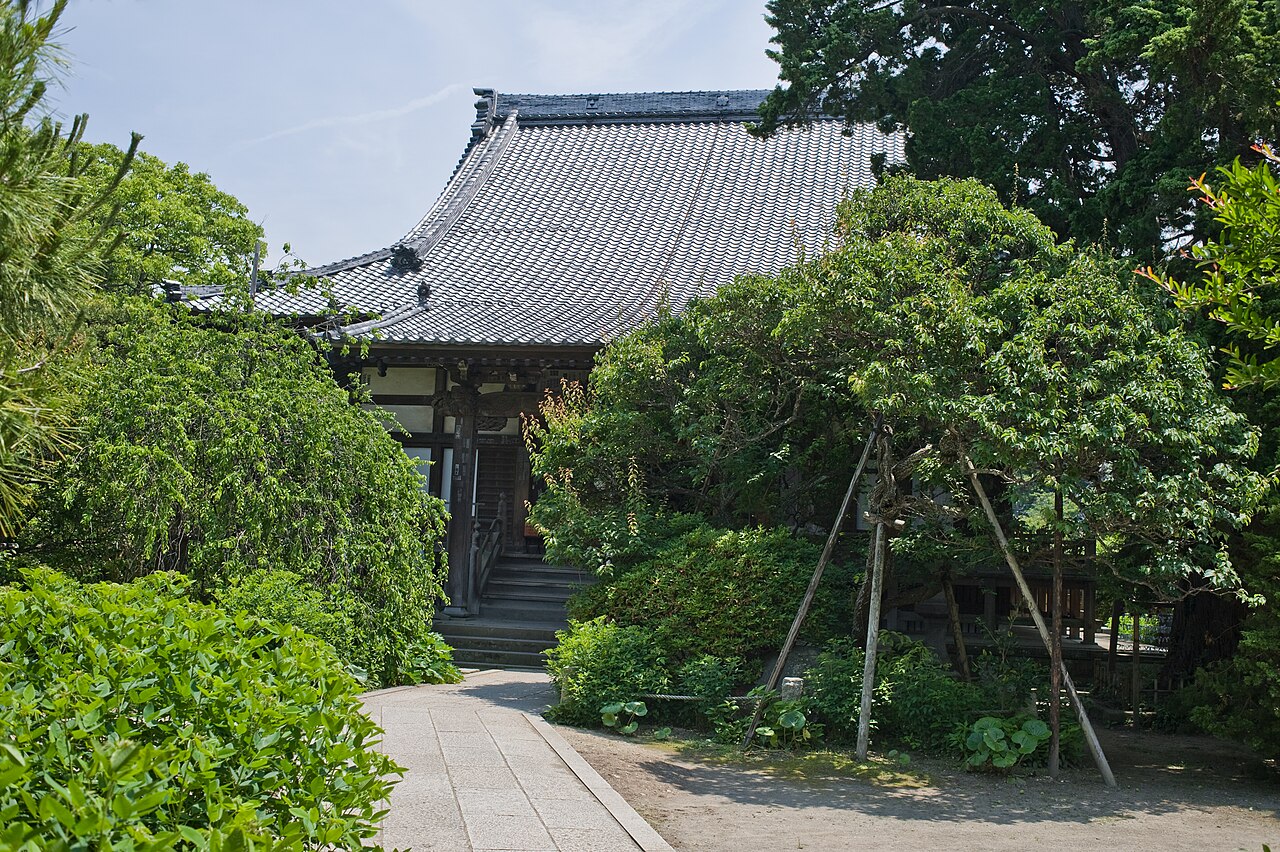
The temple that stands today is intimate and beautifully kept. Its main hall, the Butsuden, is an elegant structure with a gracefully curved roof, unusual among Kamakura's temples, and it enshrines a group of important Buddhist statues, some designated cultural properties. The compound is compact and flat, with a well-tended garden that changes character through the year. Because it was built as a place of mourning, there is a gentle, reflective quality to the grounds that rewards a slow, quiet visit.
Hokai-ji is especially famous for its flowers. In spring the plum and cherry bloom, but the temple is best known for the extraordinary display of higanbana, the red spider lily, which carpets the grounds in vivid scarlet in mid-to-late September. These flowers, traditionally associated in Japan with death and the afterlife, could hardly be more fitting for a temple dedicated to consoling the fallen, and their brief, blazing appearance draws photographers each autumn. Bush clover and other seasonal plants add colour at other times of year, earning it a reputation as a temple of flowers.
A visit is short, free, and easy for almost anyone — the grounds are level and close to the road, with basic facilities. Its position, just beyond the marked site of the Hojo residence and on the way toward the eastern valleys, makes it a natural stop on a history-themed walk through Kamakura. Read the story of the Hojo before you come, and the quiet little temple takes on real emotional depth.
Come in September for the spider lilies, or simply on any calm morning to stand on the ground where the regents of Japan once lived, now given over to the consolation of their souls. Hokai-ji lies about twelve minutes on foot from Kamakura Station, an easy addition to a day exploring the medieval capital.
A local's tip
Visit in mid-to-late September when the grounds fill with brilliant red higanbana (spider lilies) — a striking, slightly melancholy sight fitting for a temple built to console the souls of the fallen Hojo.
Best time to visit
September for the field of red spider lilies; any quiet morning
Getting there
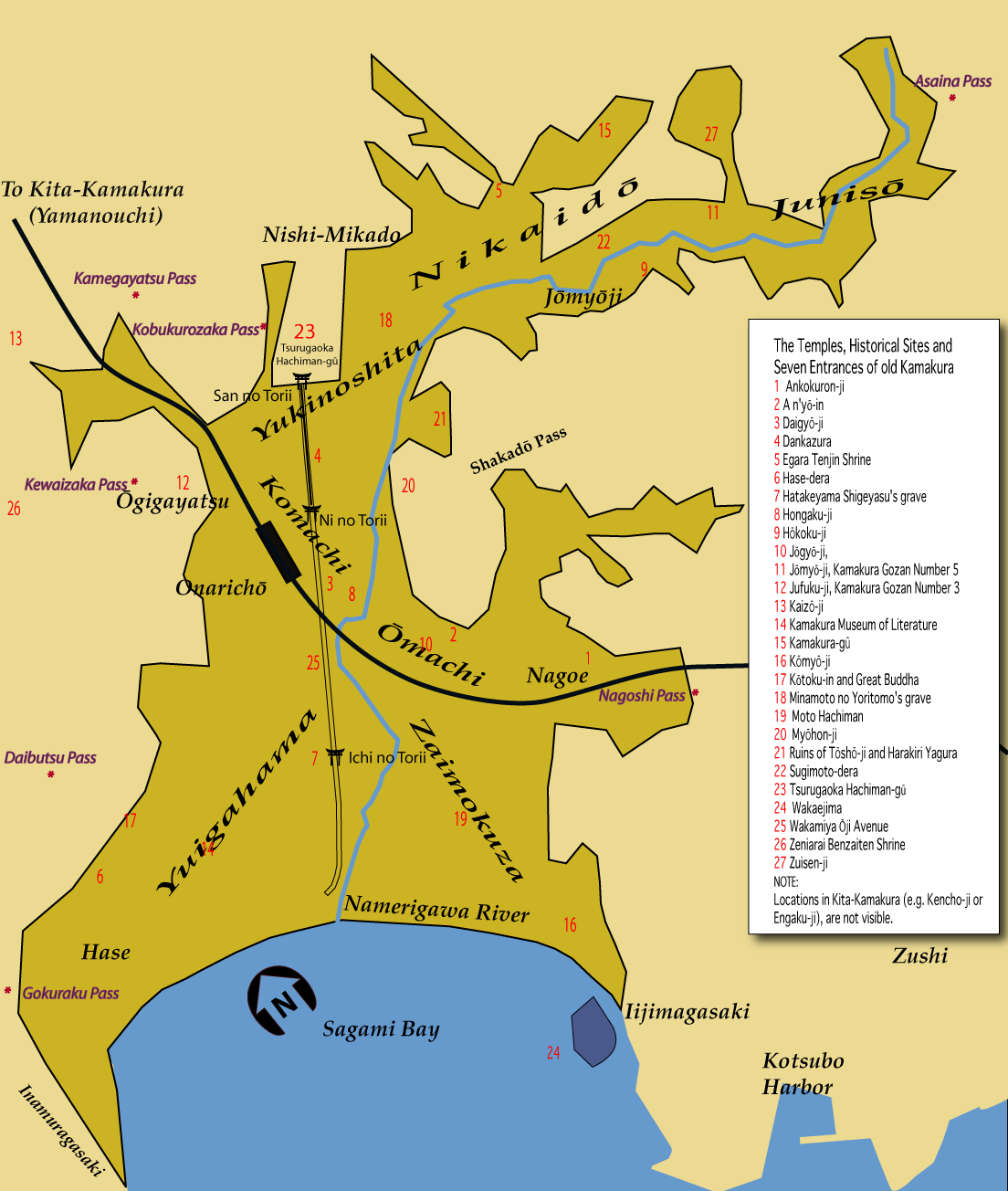
A 12-minute walk east from Kamakura Station toward the Kanazawa road, just past the Hojo residence site.
Good to know
- Restrooms
Plan the whole trip offline
Hokai-ji Temple is one of many places in the Real Japan app — with turn-by-turn directions, nearby spots and full offline maps you can use with no signal.