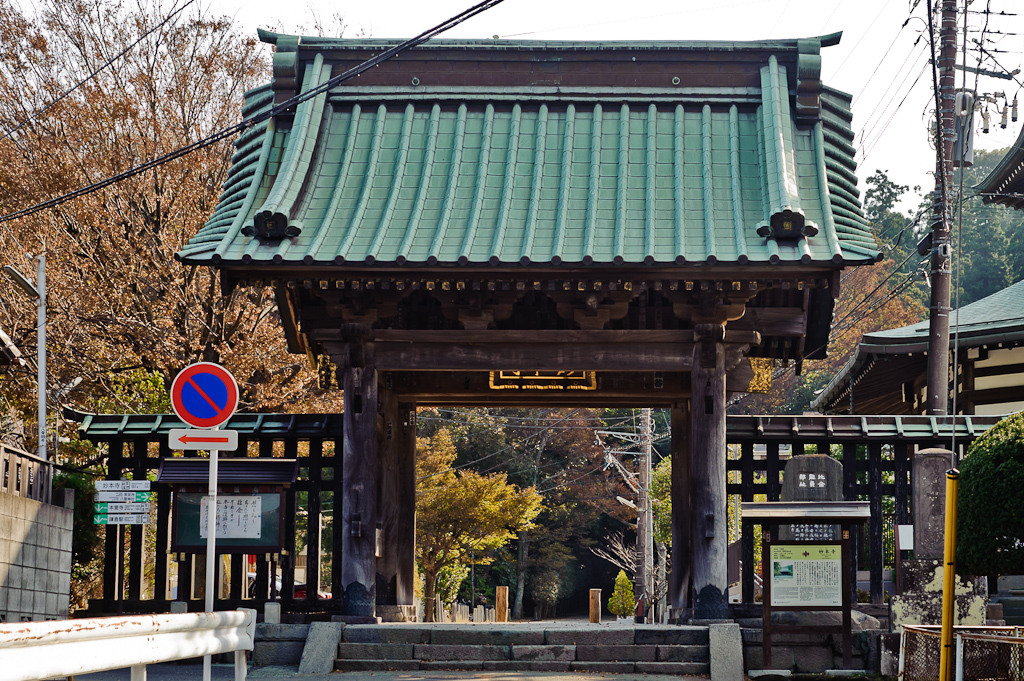
The oldest Nichiren temple in Kamakura, set in a dramatic wooded ravine that was the site of a bloody 1203 clan massacre.
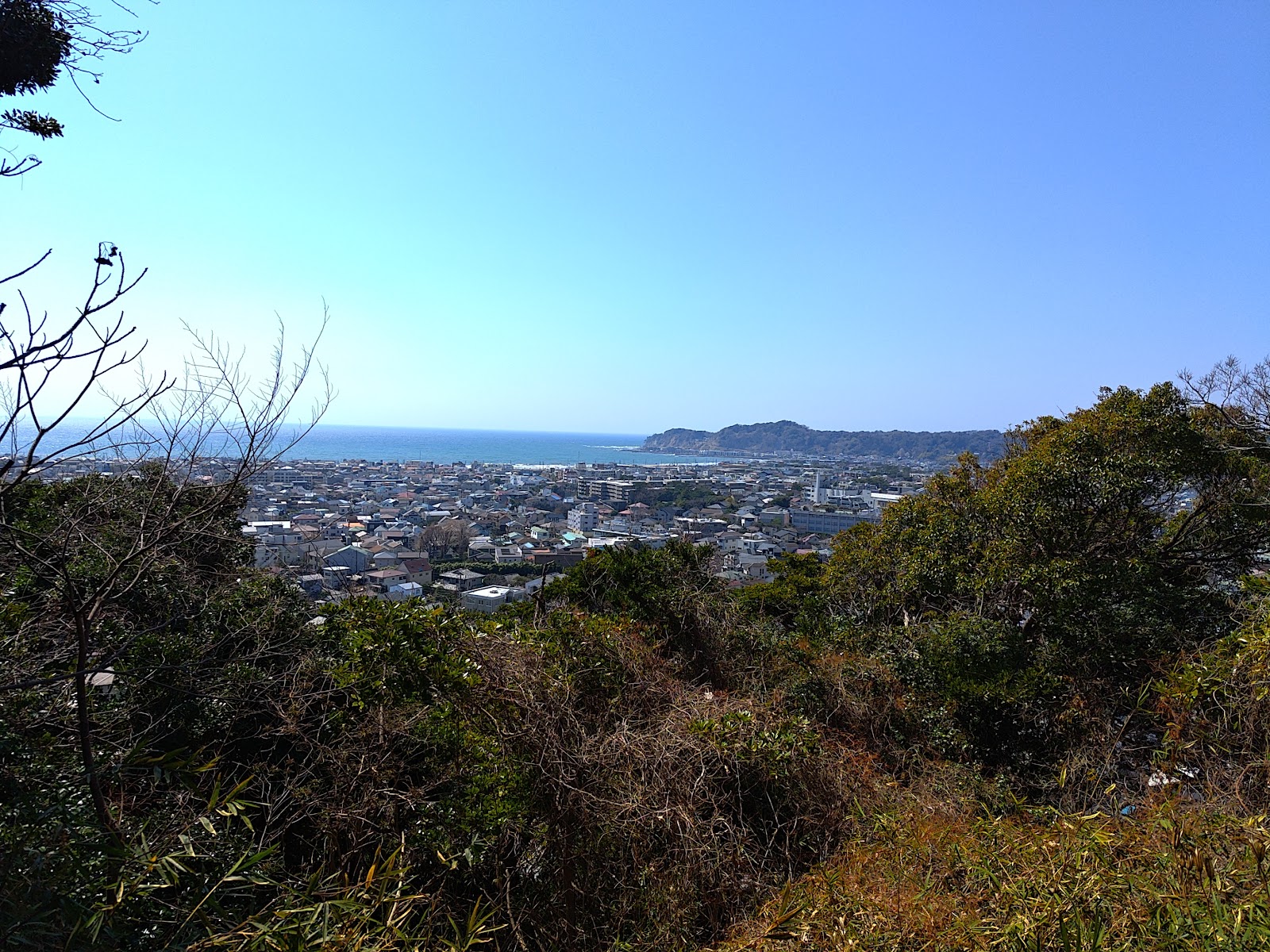
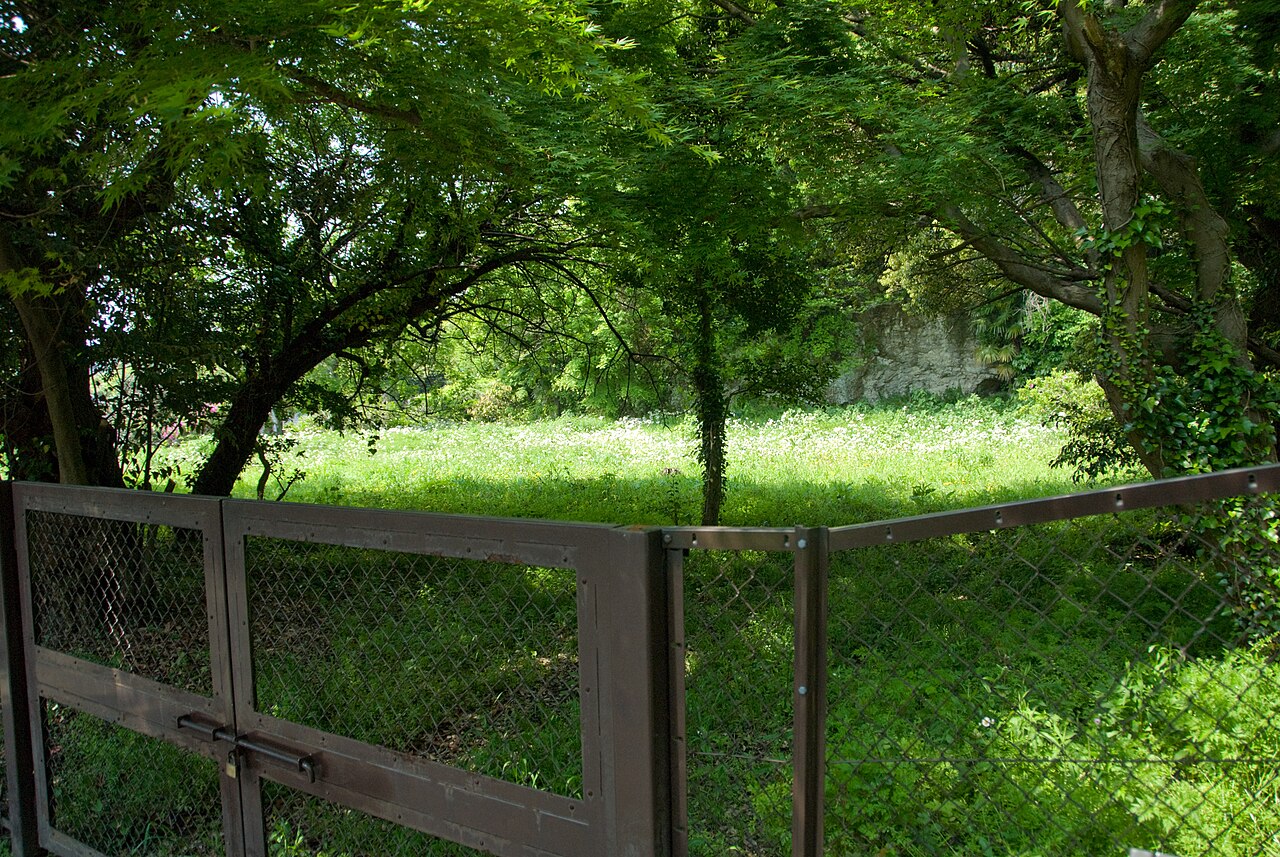
Myohon-ji is the oldest and grandest of the Nichiren-sect temples in Kamakura, and one of the city's most atmospheric historical sites, hidden in a steep wooded ravine barely ten minutes from the bustle of the station yet feeling worlds away. Its setting is inseparable from a dark chapter of samurai history. This valley, called Hikigayatsu, was the stronghold of the Hiki, a powerful family who had married into the ruling Minamoto line and were poised to dominate the young shogunate. In 1203, in a ruthless power struggle, the rival Hojo clan attacked and annihilated the Hiki here, wiping out almost the entire family in a single bloody episode that cleared the Hojo's path to supreme power.
Decades later, in 1260, a surviving descendant of the Hiki who had become a follower of the charismatic reformer-monk Nichiren donated this very land for a temple, and Myohon-ji was founded on the site of his family's destruction. The choice was deliberate: a place of mourning and a memorial to the fallen clan, as well as a base for Nichiren's fierce new school of Buddhism, which preached devotion to the Lotus Sutra and would go on to become one of Japan's major Buddhist movements.
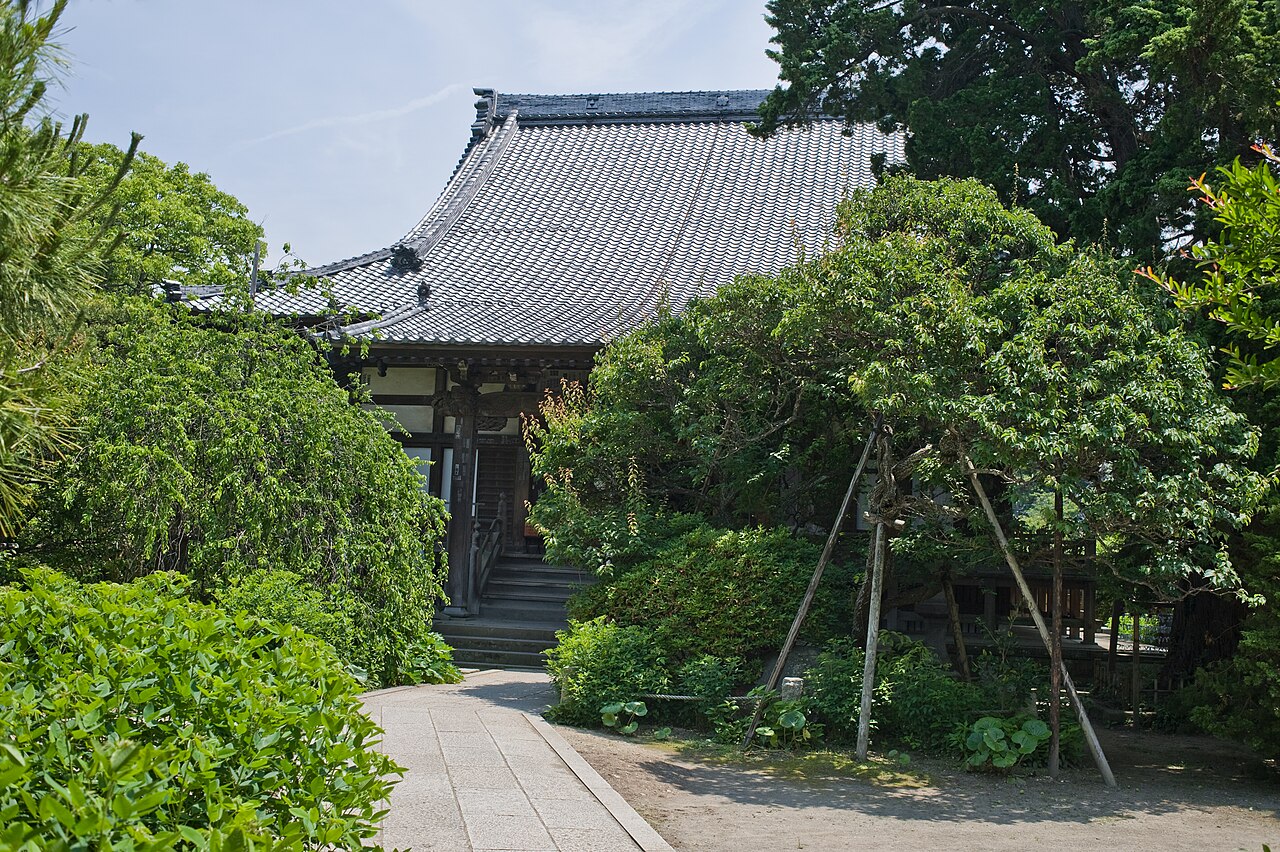
The temple that grew here is unexpectedly large and dignified. Passing through the outer gate, you climb into the ravine to find a spacious compound dominated by the Soshi-do, a massive wooden hall with a sweeping, deeply eaved roof that is one of the largest wooden temple buildings in Kamakura. Around it stand a two-story main gate, a hall enshrining Nichiren, and the graves of the Hiki family, quietly tended among the trees. The dense forest presses close on all sides, and the ravine's steep green walls give the site a hushed, almost sombre grandeur that suits its tragic origins.
Despite its size and importance, Myohon-ji sees relatively few visitors, and entry is free. On a weekday morning you may share the grounds with no one but a resident cat or a priest sweeping the path. In spring the compound's cherry trees bloom spectacularly against the dark halls, and in autumn the maples flare; the mix of grand architecture, deep forest, and layered history makes it one of the most rewarding stops in the city for those willing to seek it out.
The walk from the station is easy at first but rises gently into the valley, with some steps and slopes within the grounds, so reasonable mobility helps. There are basic facilities but no commercial trappings — this is a working temple, not a tourist attraction. Come for the sense of standing in a place where the founding violence of the samurai age still seems to hang in the air, and stay for the beauty of the great hall framed by the wooded ravine. Myohon-ji is an eight-minute walk from Kamakura Station and pairs well with the nearby Nichiren temples and the shops of Komachi-dori.
A local's tip
The temple's location is its story — this secluded valley is where the Hiki clan was massacred in 1203, and the atmosphere of the tree-shrouded ravine is remarkably solemn for a spot so close to the station.
Best time to visit
Spring for cherry blossoms; quiet on weekday mornings
Getting there
An 8-minute walk from Kamakura Station's east exit, up a valley behind the town into a wooded ravine.
Good to know
- Restrooms
Plan the whole trip offline
Myohon-ji is one of many places in the Real Japan app — with turn-by-turn directions, nearby spots and full offline maps you can use with no signal.