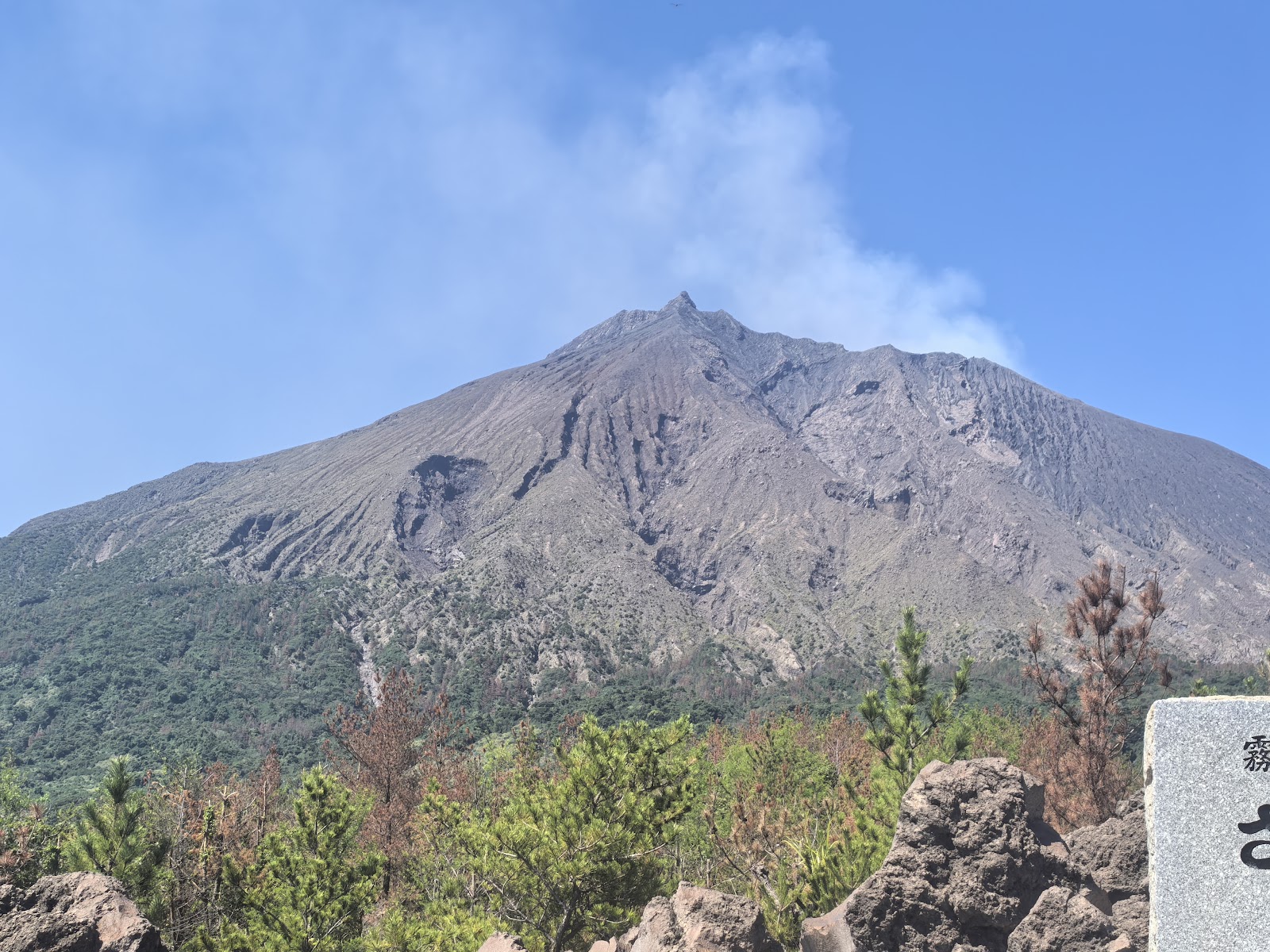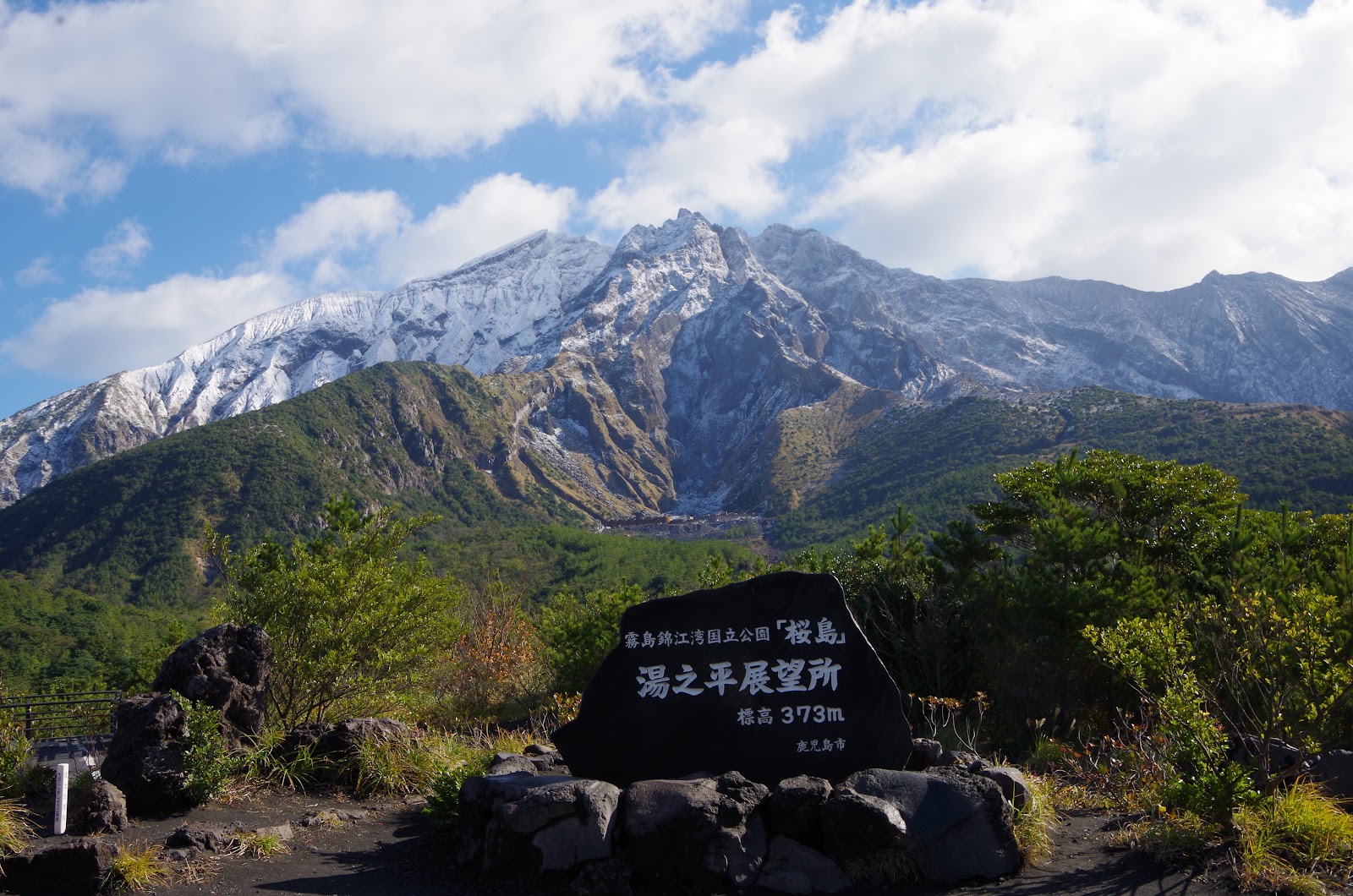
The highest point visitors can reach on Sakurajima, staring straight up at the live volcano's flanks.
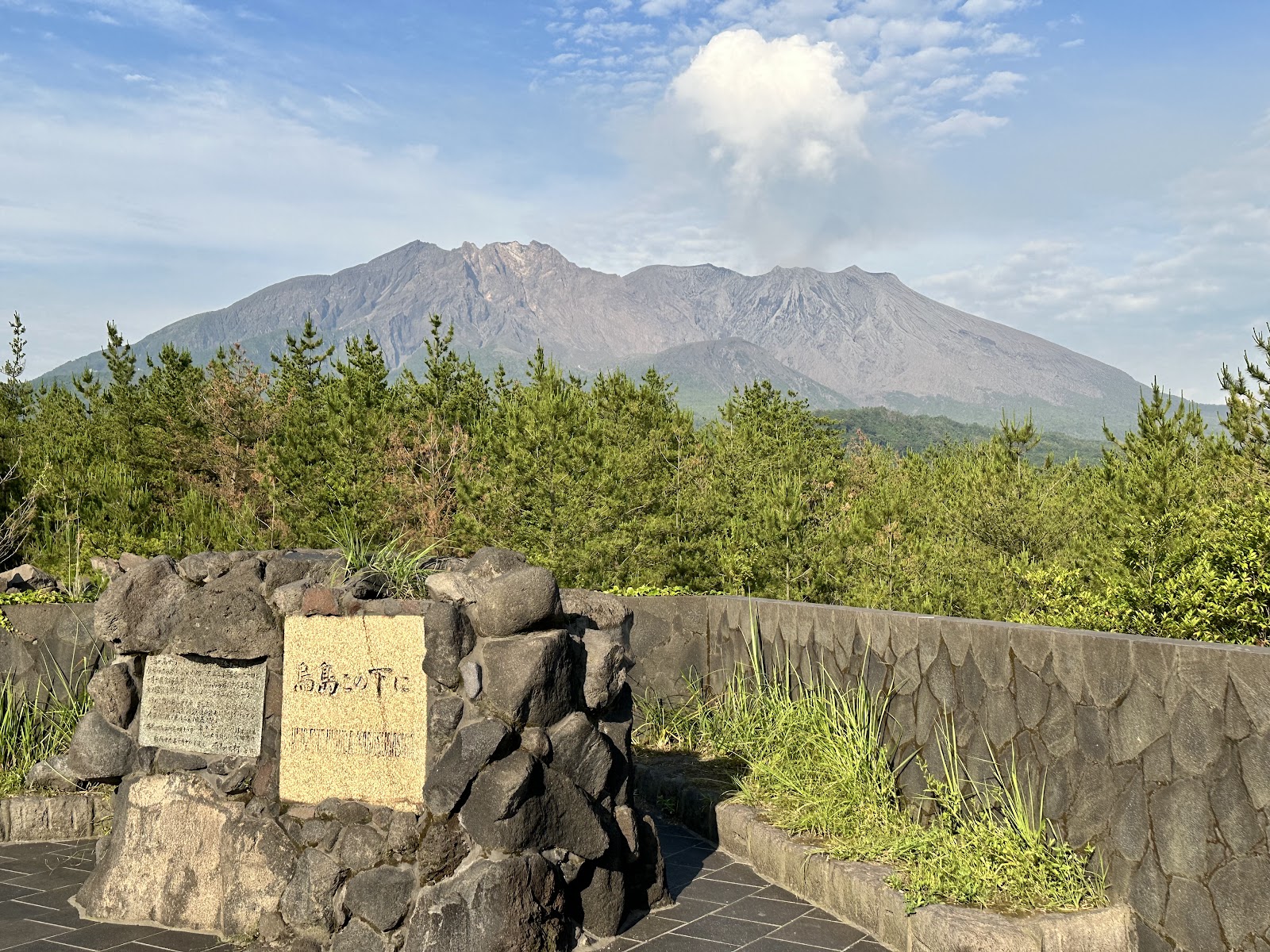
Yunohira Observatory is the highest viewpoint on Sakurajima that ordinary visitors are permitted to reach, sitting at 373 metres on the volcano's northwestern flank. From this exposed deck you are astonishingly close to one of the most active volcanoes on the planet, its scarred grey-brown slopes rising directly above you and its summit craters often venting steam or ash. It is a raw, elemental place that makes the geology of southern Kyushu feel immediate and alive.
Sakurajima was once a true island, but the colossal eruption of 1914 — the most powerful in twentieth-century Japan — poured out so much lava that it fused the island to the Osumi Peninsula, and that lava field is still visible today. The volcano continues to erupt hundreds of times a year, usually in small ash bursts, and the surrounding communities live with falling ash as a routine fact of life, with children even wearing hard hats to school during active spells. Standing at Yunohira, with the crater looming and the city of Kagoshima glittering across the bay, you grasp the strange coexistence of danger and daily life that defines this region.
The observatory platform offers a genuine 360-degree sweep: up toward the Minamidake and Showa craters, out over the lava flows and the pine-clad lower slopes, and across Kinko Bay to Kagoshima city and the Kirishima mountains beyond. Interpretive signs explain the volcano's eruptive history and the monitoring stations that keep constant watch. A small shop and rest area sell Sakurajima's oddities, including the giant daikon radishes and tiny mikan oranges that grow in the mineral-rich volcanic soil, plus ash-themed souvenirs.
The visit is easy and free. The deck is reached by a short path from the car park and bus stop, with restrooms and vending machines on hand. Because it is open around the clock, some visitors come after dark hoping to glimpse the faint red glow of the crater during eruptive phases, though this is never guaranteed. On ashy days the wind can carry gritty volcanic dust across the platform, so a mask or cloth is worth having.
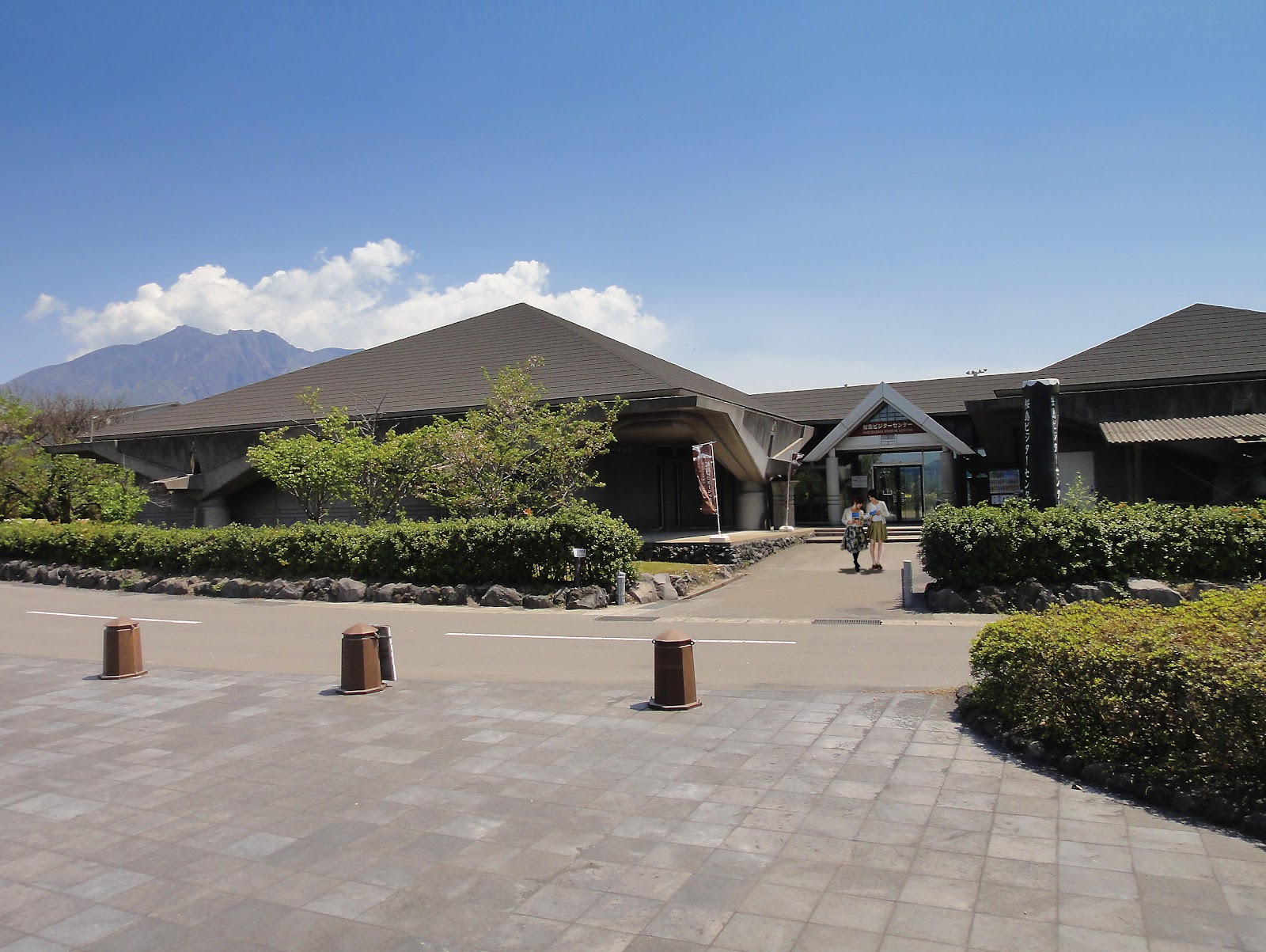
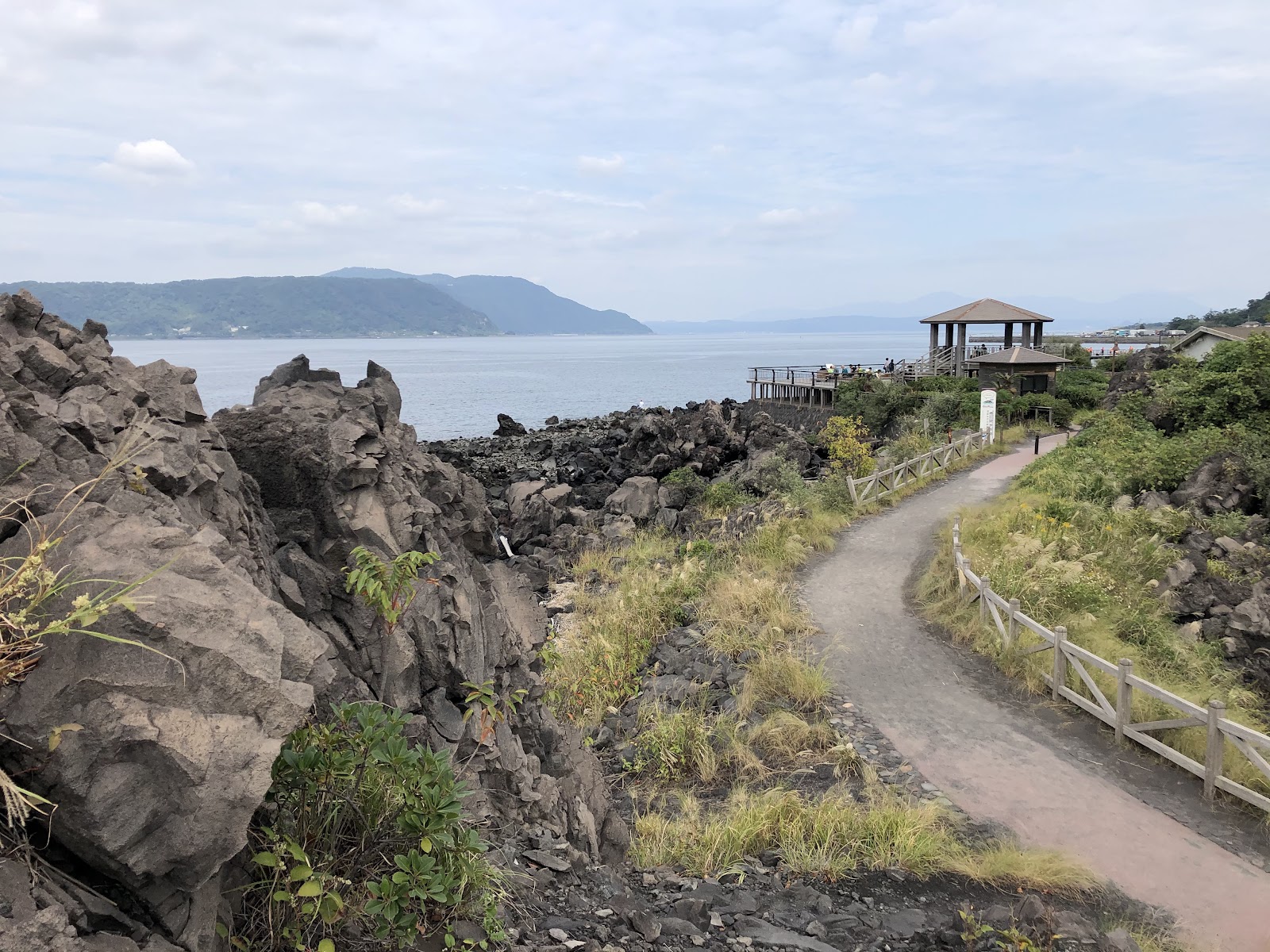
Getting here is part of the adventure. From central Kagoshima the frequent Sakurajima ferry makes the crossing in about fifteen minutes, running day and night. On the island the Sakurajima Island View sightseeing bus loops past the main sights, including a stop near Yunohira. Combine the viewpoint with the Nagisa Lava Trail, the foot baths along the shore, and the Sakurajima Visitor Centre for a full half-day exploring the volcano up close. For anyone who wants to feel the power beneath Kagoshima's postcard scenery, Yunohira is as close as it gets.
A local's tip
This is the closest viewpoint the public can legally reach to the crater — bring a cloth or mask on ashy days, as fine volcanic grit can blow across the deck when the wind turns.
Best time to visit
Daytime with clear skies
Getting there
Take the 15-minute Sakurajima ferry from central Kagoshima, then the Sakurajima Island View sightseeing bus which stops at Yunohira; the observatory is a short walk from the bus stop.
Good to know
- Parking
- Gift Shop
- Restrooms
Plan the whole trip offline
Yunohira Observatory (Sakurajima) is one of many places in the Real Japan app — with turn-by-turn directions, nearby spots and full offline maps you can use with no signal.