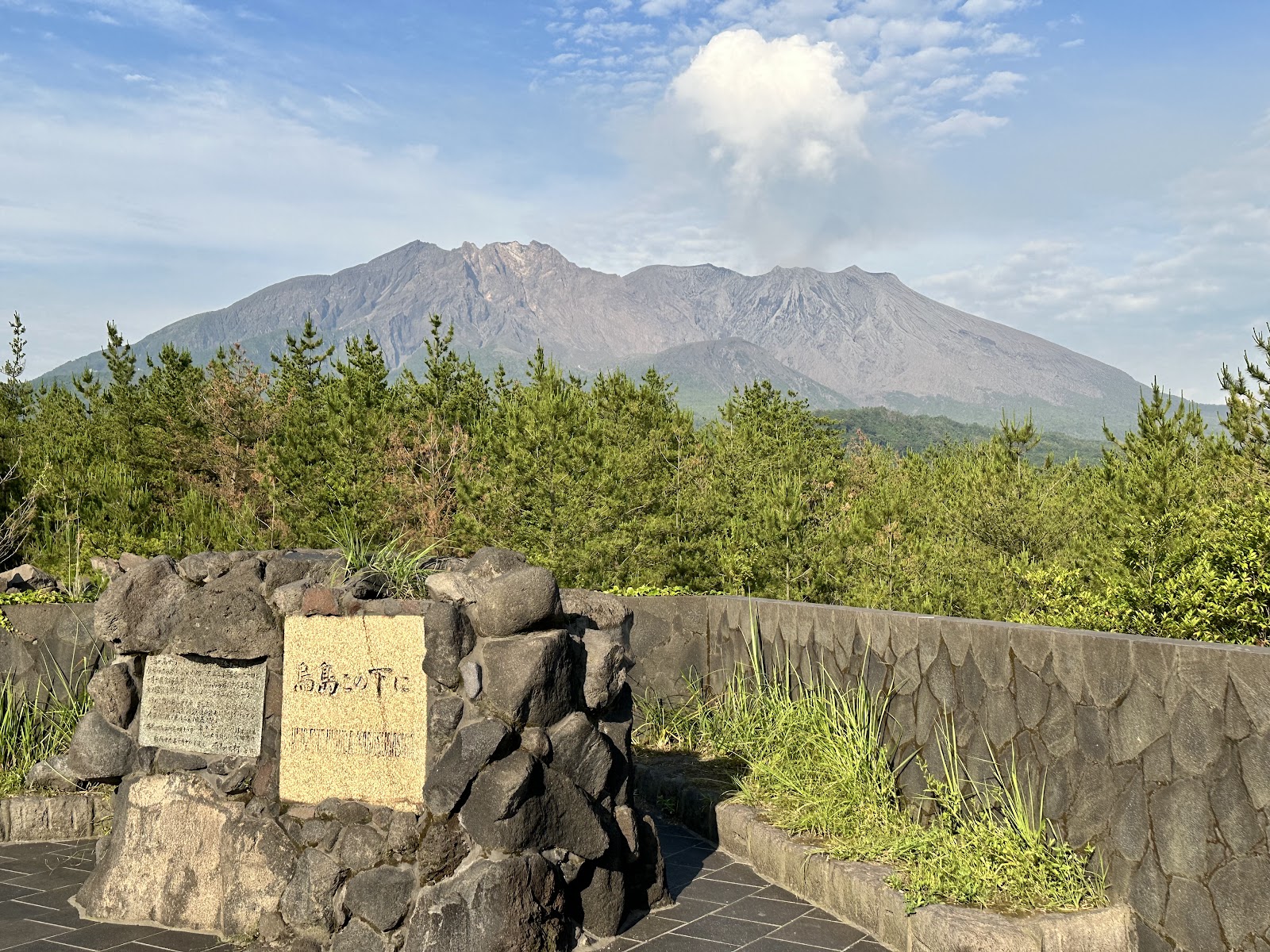
A viewpoint built on lava that buried an entire offshore island in Sakurajima's colossal 1914 eruption.
The Karasujima Observatory is a compact but historically powerful viewpoint on the western side of Sakurajima, and its story is as compelling as its scenery. It stands atop the lava that erupted during the catastrophic Taisho eruption of 1914, one of the most violent volcanic events in modern Japanese history. That eruption poured out so much lava that it did something almost unimaginable: it completely buried a small island named Karasu-jima, or Crow Island, which had stood about 500 metres off the coast, and in the process joined the entire Sakurajima landmass to the Osumi Peninsula, ending its existence as a true island.
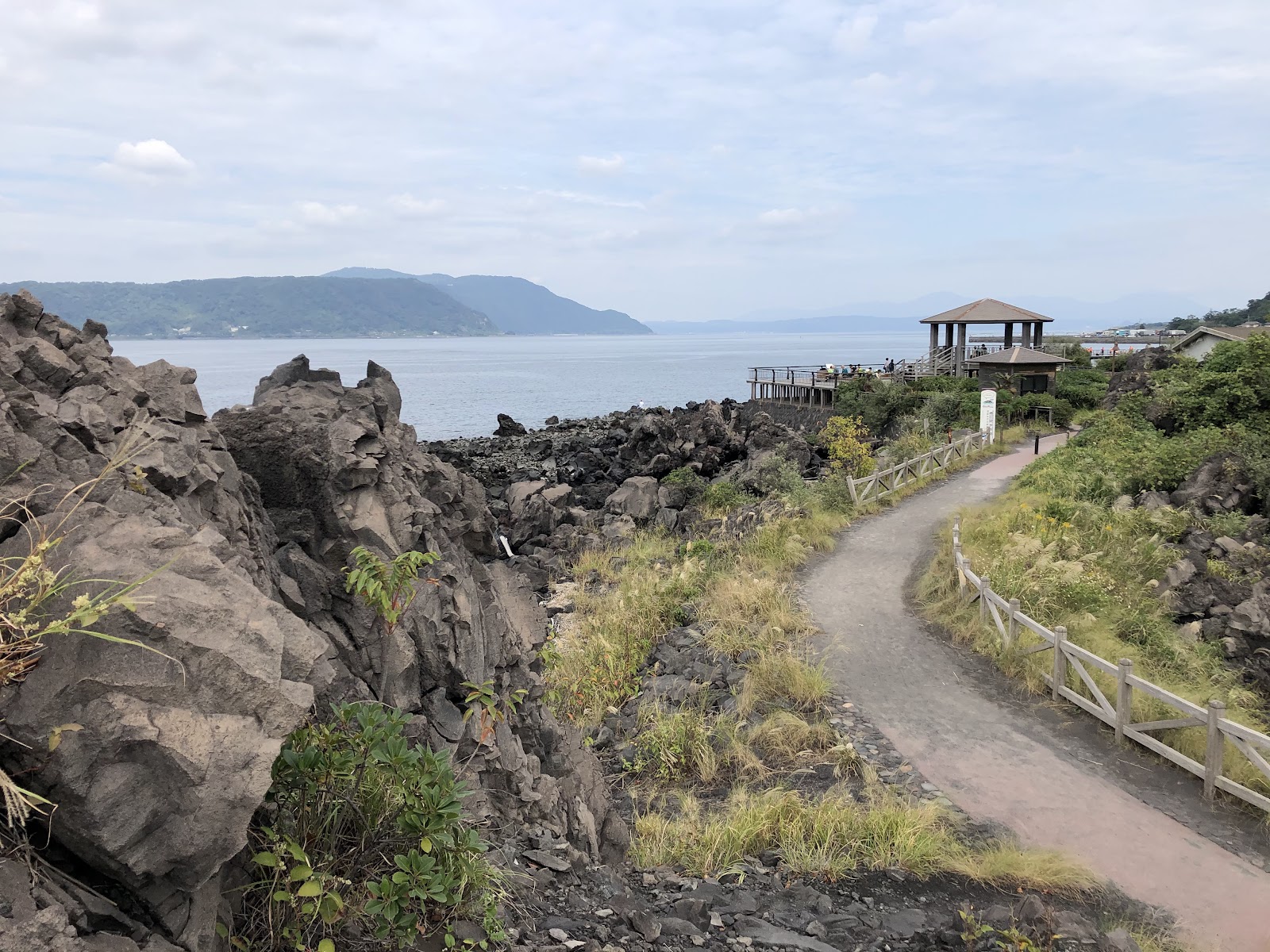
Today the observatory sits on the very lava flow that swallowed Karasu-jima, and a monument and explanatory markers recount how the island vanished beneath the rock. Standing here, it takes a moment to absorb the scale of what happened: the ground beneath your feet is the tomb of a former island, and the flat black expanse around you was open sea just over a century ago. Few viewpoints anywhere make the reshaping power of a volcano so tangible.
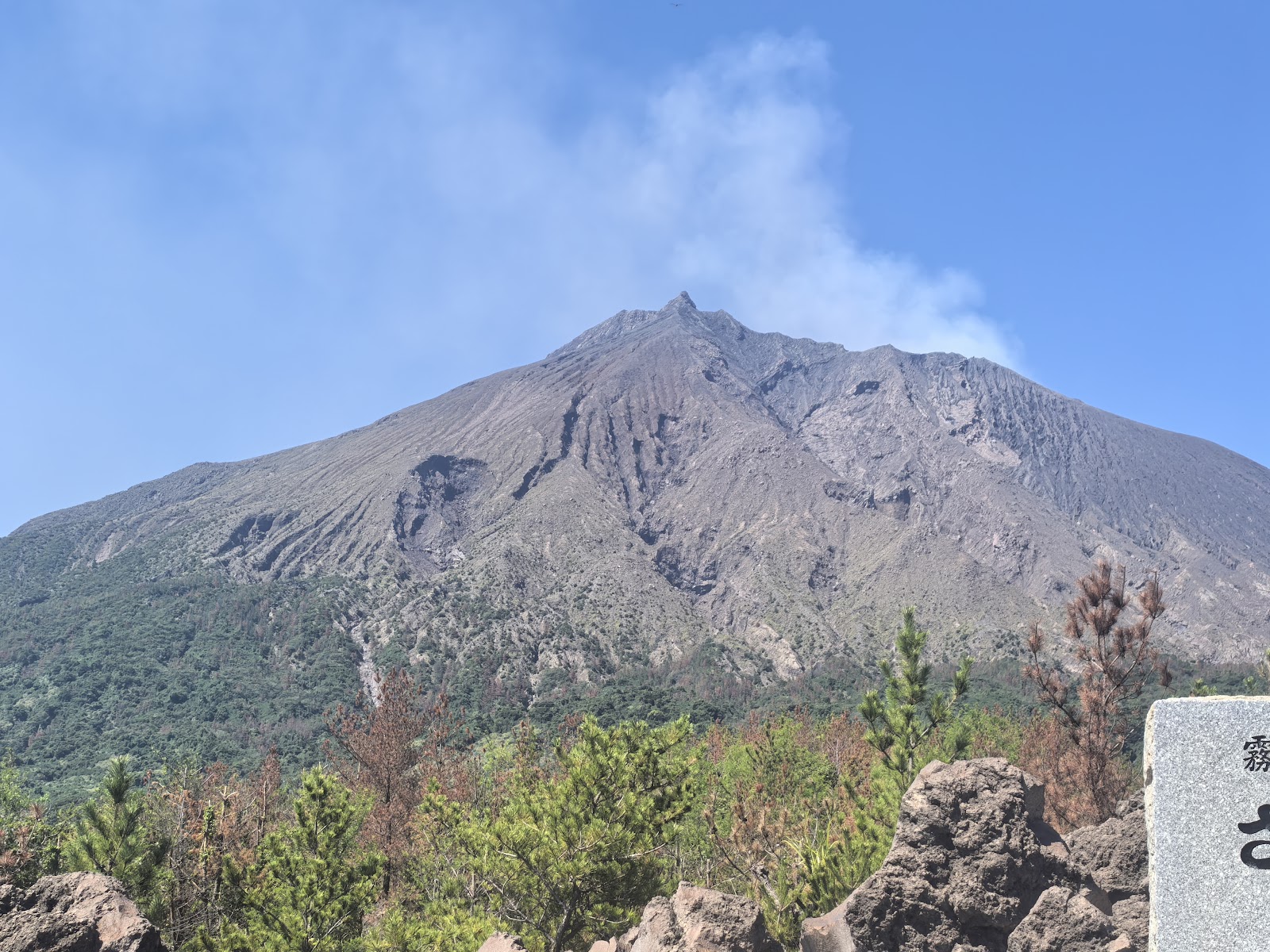
The views are excellent in every direction. The great cone of Sakurajima rises close behind, frequently crowned with a plume of steam or ash, while across the water lies the skyline of Kagoshima city, backed on clear days by distant mountains. The interplay of black lava, blue bay, and smoking summit makes for striking photographs, and the light is especially beautiful in the late afternoon when the low sun warms the volcano's slopes.
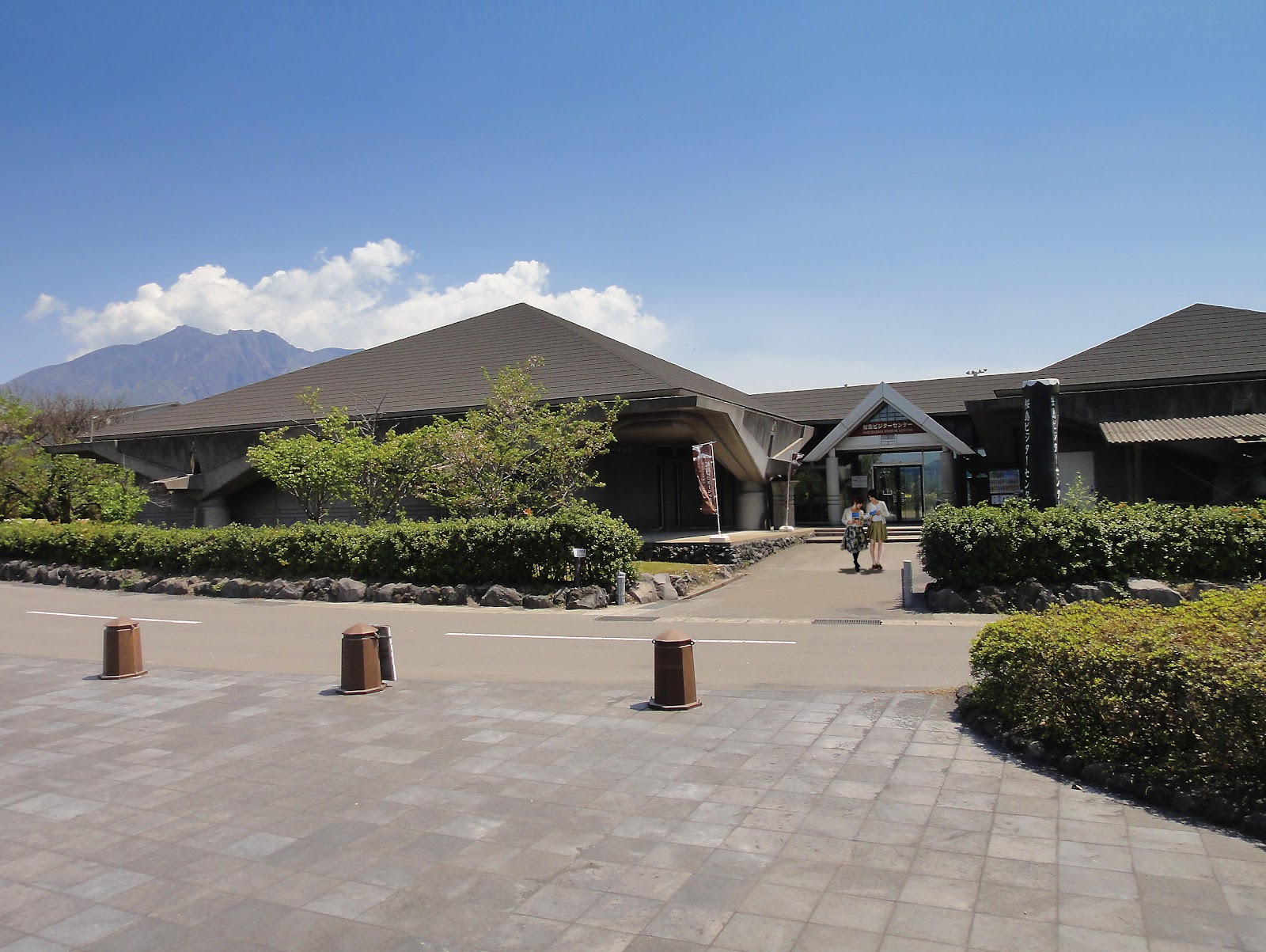
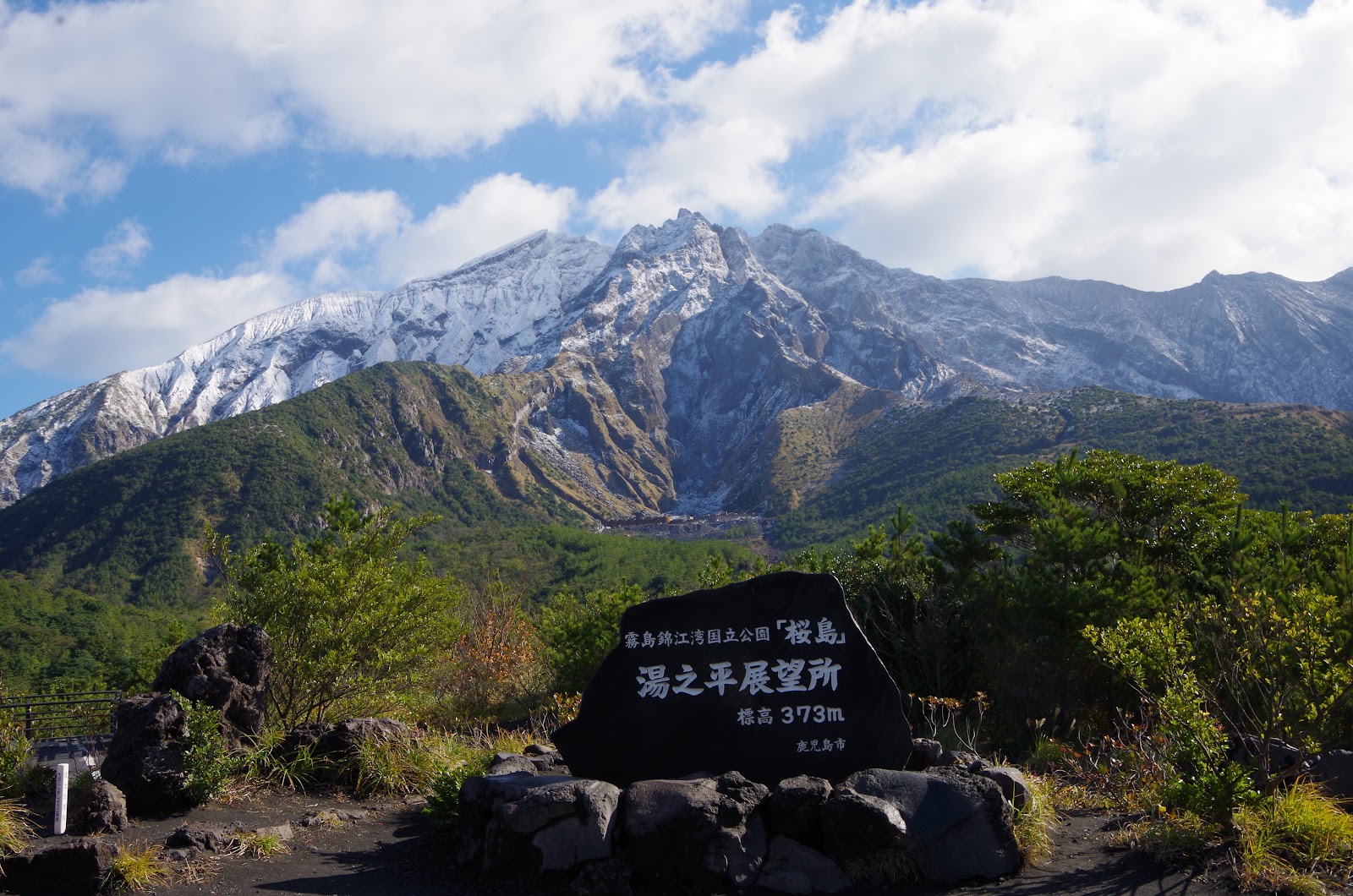
Because it is small and requires no walking to speak of, Karasujima is an easy, quick stop rather than a lengthy excursion, which makes it ideal as one bead on a string of Sakurajima viewpoints. It combines naturally with the Sakurajima Visitor Center, the nearby Yogan Nagisa Park with its long free footbath fed by volcanic heat, the higher Yunohira Observatory with its sweeping panorama, and the Arimura Lava Observatory on the far side of the island that peers up at the active crater.
Many travelers experience Sakurajima as a half-day loop, and Karasujima fits neatly into that plan. The Sakurajima Island View sightseeing bus circles the island's western highlights and stops here, so you can hop on and off between viewpoints without a car, though driving gives you the most flexibility to linger where the volcano is putting on a show.
To get here, take the frequent car ferry from central Kagoshima across to Sakurajima Port, a crossing of about fifteen minutes, then continue roughly ten minutes by car or the Island View bus. Neither the ferry nor the bus is covered by the Japan Rail Pass, but fares are low. Admission is free, parking is available, and the observatory is open at any hour, with daylight best for the views and the informative markers. Allow around thirty minutes to read the story, walk to the lookout, and take your photos. Small in size but large in meaning, Karasujima captures the drama of living beside one of Japan's most active volcanoes.
A local's tip
Read the marker explaining that the small hill you are standing on is all that remains visible of Karasu-jima, an island that once sat 500 metres offshore before the 1914 lava flow buried it completely.
Best time to visit
Late afternoon for the light on the volcano and bay
Getting there
About 10 minutes by car or the Sakurajima Island View sightseeing bus from Sakurajima Port; it is a regular stop on the island loop.
Good to know
- Parking
- Restrooms
Plan the whole trip offline
Karasujima Observatory is one of many places in the Real Japan app — with turn-by-turn directions, nearby spots and full offline maps you can use with no signal.