Remote mountain hot-spring village of Heike-clan legend, famous for its magical winter Kamakura snow-hut festival.
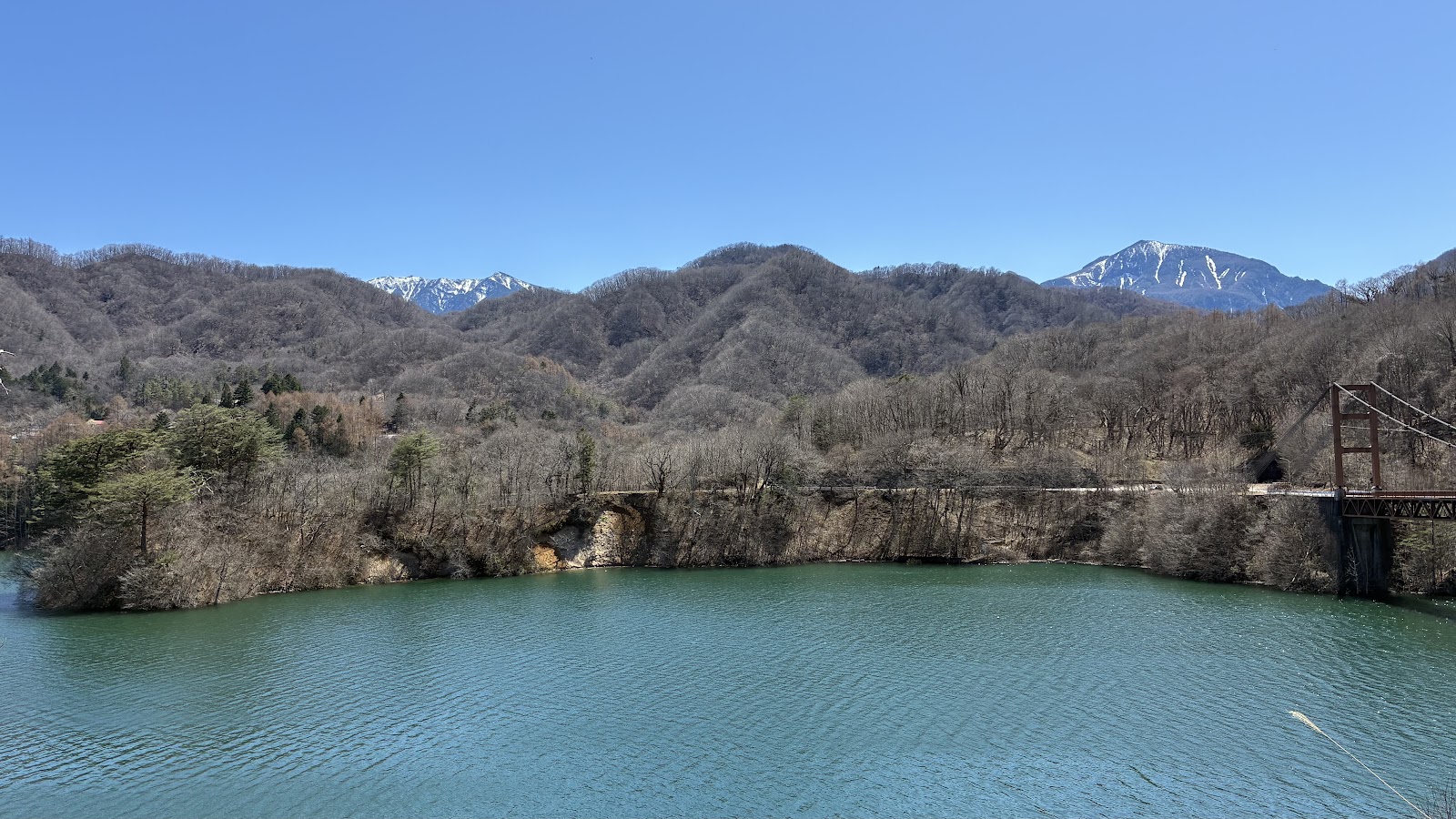
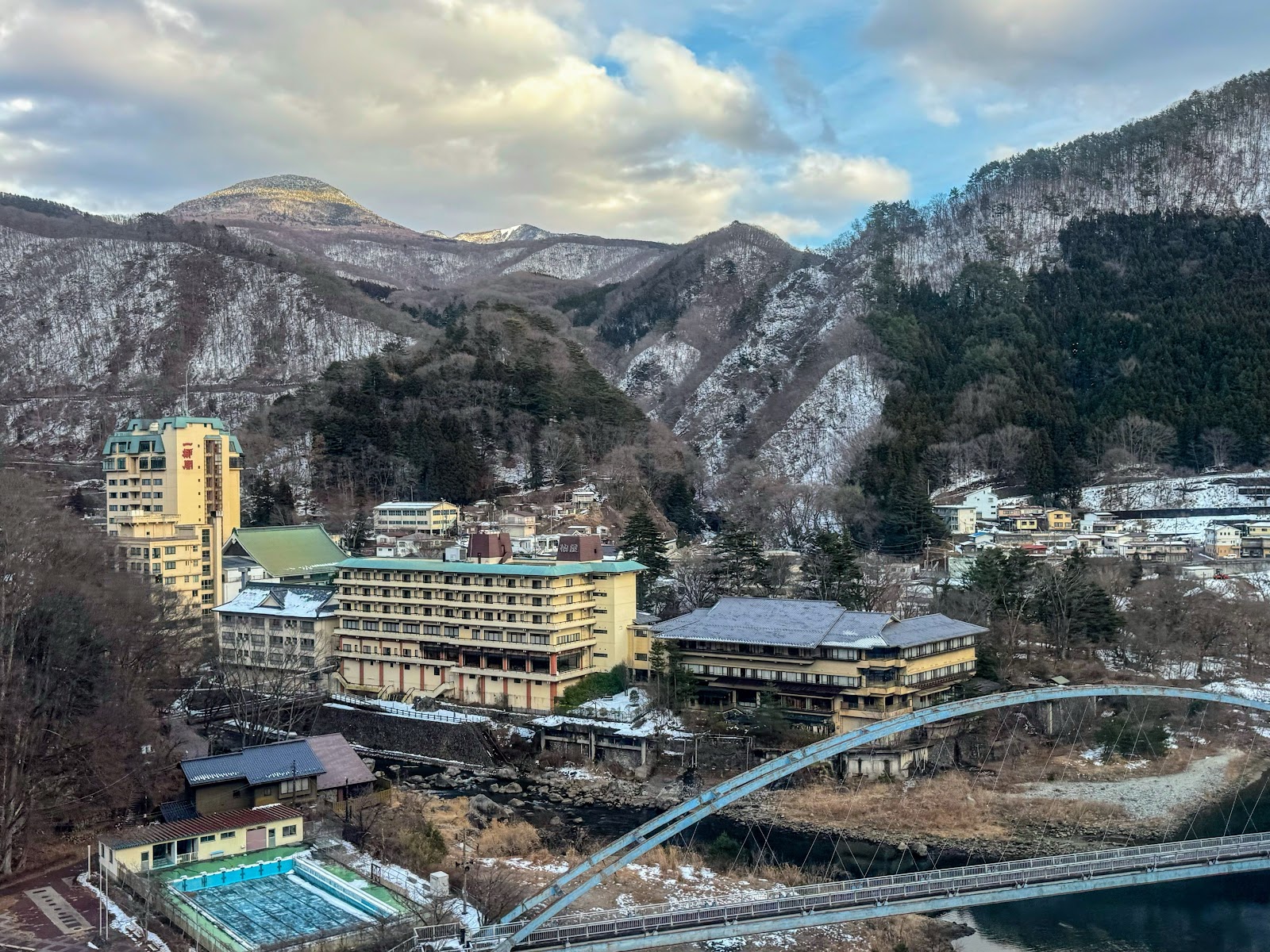
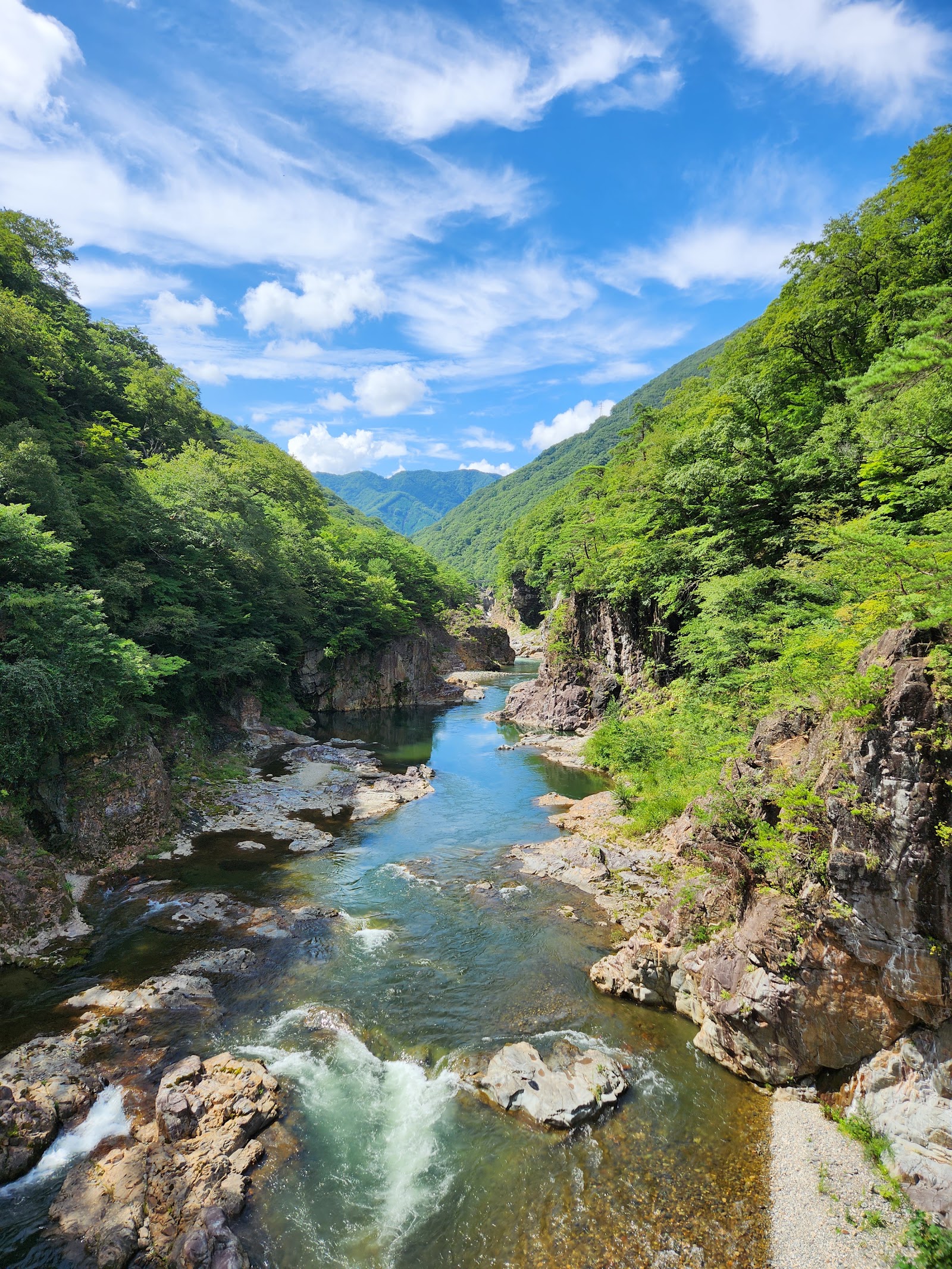
Yunishigawa Onsen is a remote mountain hot-spring village hidden deep in the northern folds of Nikko City, celebrated both for its atmospheric hearth-cooked cuisine and for one of Japan's most enchanting winter events, the Kamakura Snow House Festival. Strung along a narrow valley and river, the village feels far removed from the day-trip bustle of central Nikko, and reaching it is a small journey in itself, part of what gives the place its secluded, storybook character.
The village's identity is rooted in the legend of the Heike (Taira) clan. According to tradition, defeated Heike warriors fleeing the twelfth-century Genpei War took refuge in this hidden valley, discovered its mineral-rich springs while healing their wounds, and settled to establish the onsen. That heritage is preserved at Heike-no-Sato, an open-air site that recreates a thatched-roof settlement of Heike refugees and anchors the town's cultural life. A local speciality is irori ryori, food grilled and simmered over a traditional sunken hearth, served in the village's ryokan.
The town's signature draw is the Yunishigawa Kamakura Festival, held annually from around late January into early March across several sites in the village. Its most famous scene unfolds at the Sawaguchi riverbank and Heike-no-Sato, where roughly 800 miniature kamakura (snow huts) are set out and lit from within, glowing like lanterns against the snow in the evenings until about nine o'clock. Full-size snow huts are also built, and visitors can step inside some to enjoy a barbecue meal, making it a rare interactive winter spectacle.
A notable fact is how completely the festival transforms a tiny, hard-to-reach hamlet into a destination: for a few weeks each winter the illuminated snow houses draw visitors from across Japan and abroad to a valley that is otherwise one of Nikko's quietest corners.
Outside winter, the experience is one of hot-spring relaxation and nature, with autumn foliage colouring the surrounding mountains and hearth dining year-round. The core village and festival sites along the river are flat and walkable, with restrooms, parking and ryokan baths, though the setting is genuinely alpine and deep-snow cold in festival season, so proper winter footwear and warm clothing are essential. The riverbank illumination sites are largely accessible on foot once you reach the village.
Winter, for the Kamakura Festival, is unquestionably the marquee season, with autumn a close second for colour and calm. Getting there requires patience: from Kinugawa Onsen, ride the Yagan Railway Aizu-Kinugawa Line north to Yunishigawa-Onsen Station, then transfer to a connecting town bus for roughly 25 minutes up the valley to the Yunishigawa Onsen village and Heike-no-Sato. The festival illuminations run only on Friday, Saturday and Sunday evenings during the festival period, so plan your dates carefully; IC cards are accepted on the approach, and an overnight stay in a village ryokan is the ideal way to experience the snow huts after the day crowds thin.
A local's tip
Come on a Friday, Saturday or Sunday evening during the winter festival, when roughly 800 miniature snow huts are illuminated along the Sawaguchi riverbank and at Heike-no-Sato until around 21:00.
Best time to visit
Winter Kamakura Snow Festival (late Jan-early Mar)
Getting there
From Kinugawa Onsen ride the Yagan Railway Aizu-Kinugawa Line north to Yunishigawa-Onsen Station, then take a connecting town bus about 25 minutes up the valley to the Yunishigawa Onsen village and Heike-no-Sato. Allow half a day round trip from Nikko.
Good to know
- Parking
- Restrooms
- Ryokan baths
Plan the whole trip offline
Yunishigawa Onsen is one of many places in the Real Japan app — with turn-by-turn directions, nearby spots and full offline maps you can use with no signal.