Hidden hot-spring hamlet high up the Kinugawa River past Setoaikyo Canyon and Lake Kawamata, the last outpost before the wild Okukinu springs.
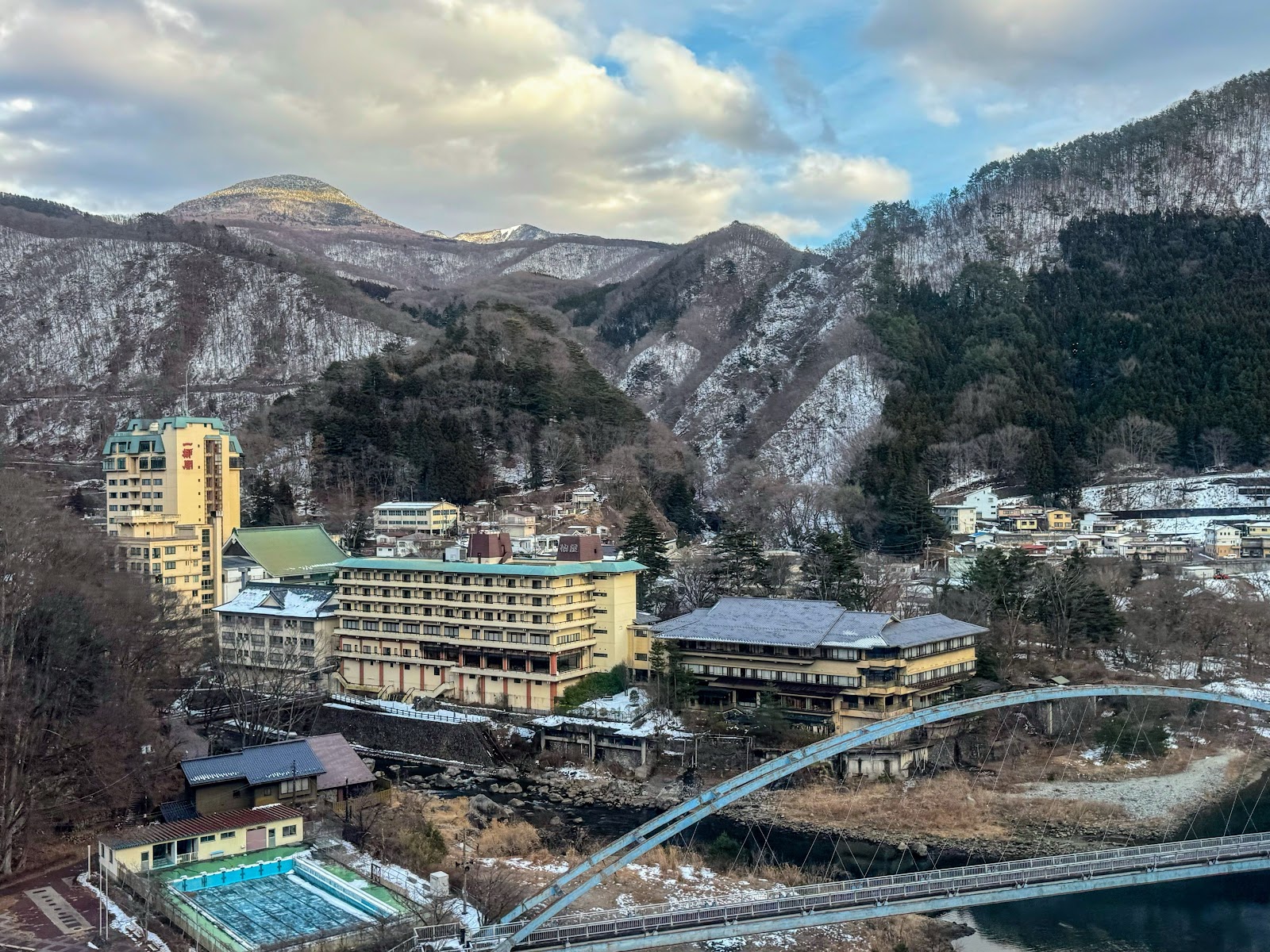
Kawamata Onsen is a hidden hot-spring hamlet nestled far upstream on the Kinugawa River, deep in the mountainous north of Nikko City. Reaching it means travelling well beyond the busy resort strip of Kinugawa Onsen, past the spectacular Setoaikyo Canyon and along the southern edge of Lake Kawamata, until the valley narrows and a scatter of ryokan appears among the forest. It is a remote, tranquil onsen village for travellers who want mountain solitude and clean river air rather than crowds or amusements.
The hamlet's character is defined by its isolation and its setting at the head of the Kinugawa valley. Where Kinugawa Onsen downstream is large and developed, Kawamata is small and quiet, a place of hearth meals, riverside baths and forested hillsides. Its waters are prized as a genuine hidden-onsen (kakushi-yu) experience, and the village has long served as the final accessible outpost on the road before the mountains close in.
There is little to do here beyond the essentials of a mountain onsen, and that is the point. Visitors soak in ryokan baths overlooking the river, walk short trails to viewpoints over the gorge and Lake Kawamata, and breathe air noticeably cooler and cleaner than the lowlands. Because the paved road effectively ends near here, Kawamata is also the gateway to the even more remote Okukinu onsen further upstream, a cluster of inns reachable only on foot or by inn shuttle, so hikers use Kawamata as a staging point for the deepest springs in the region.
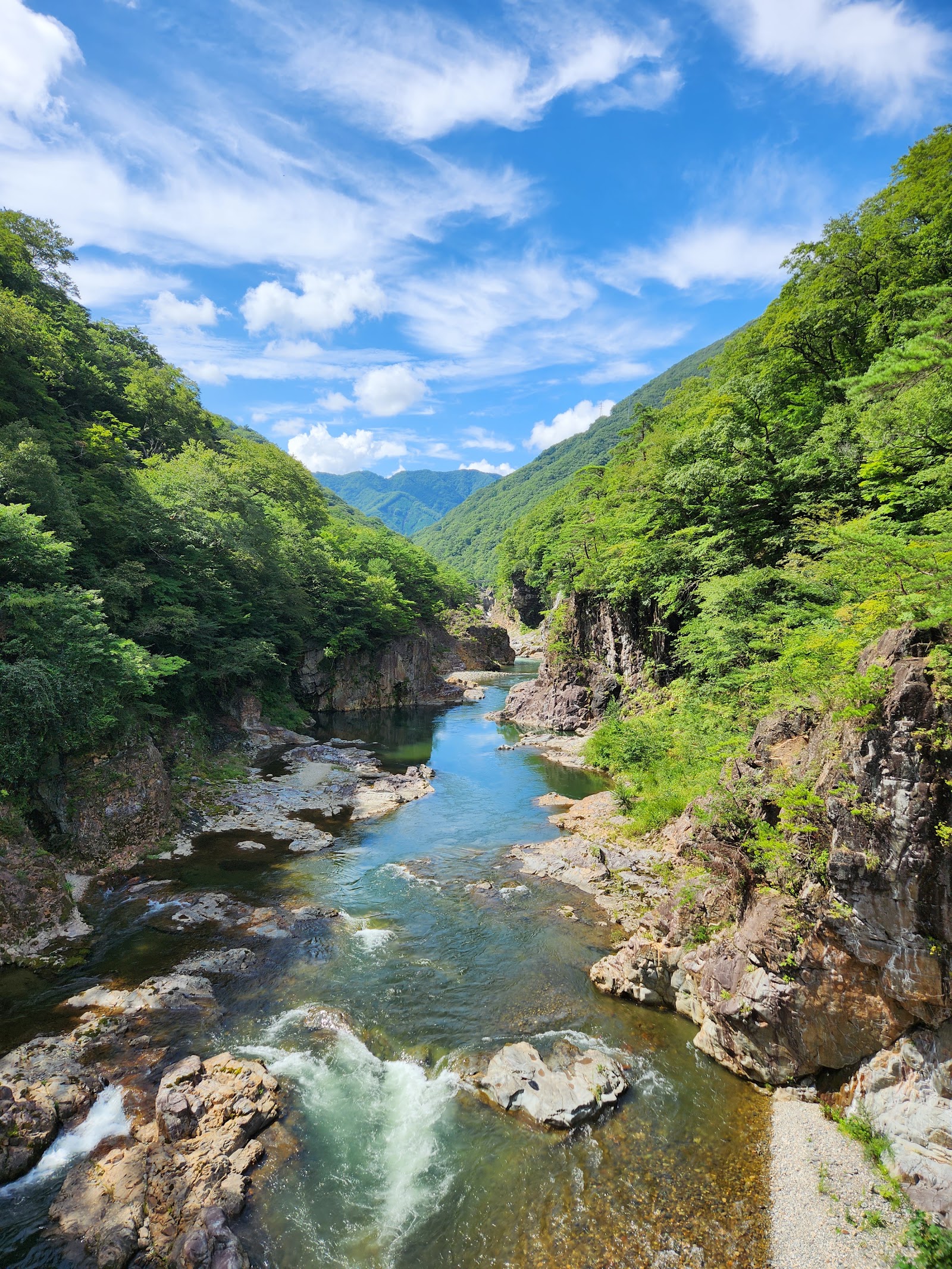
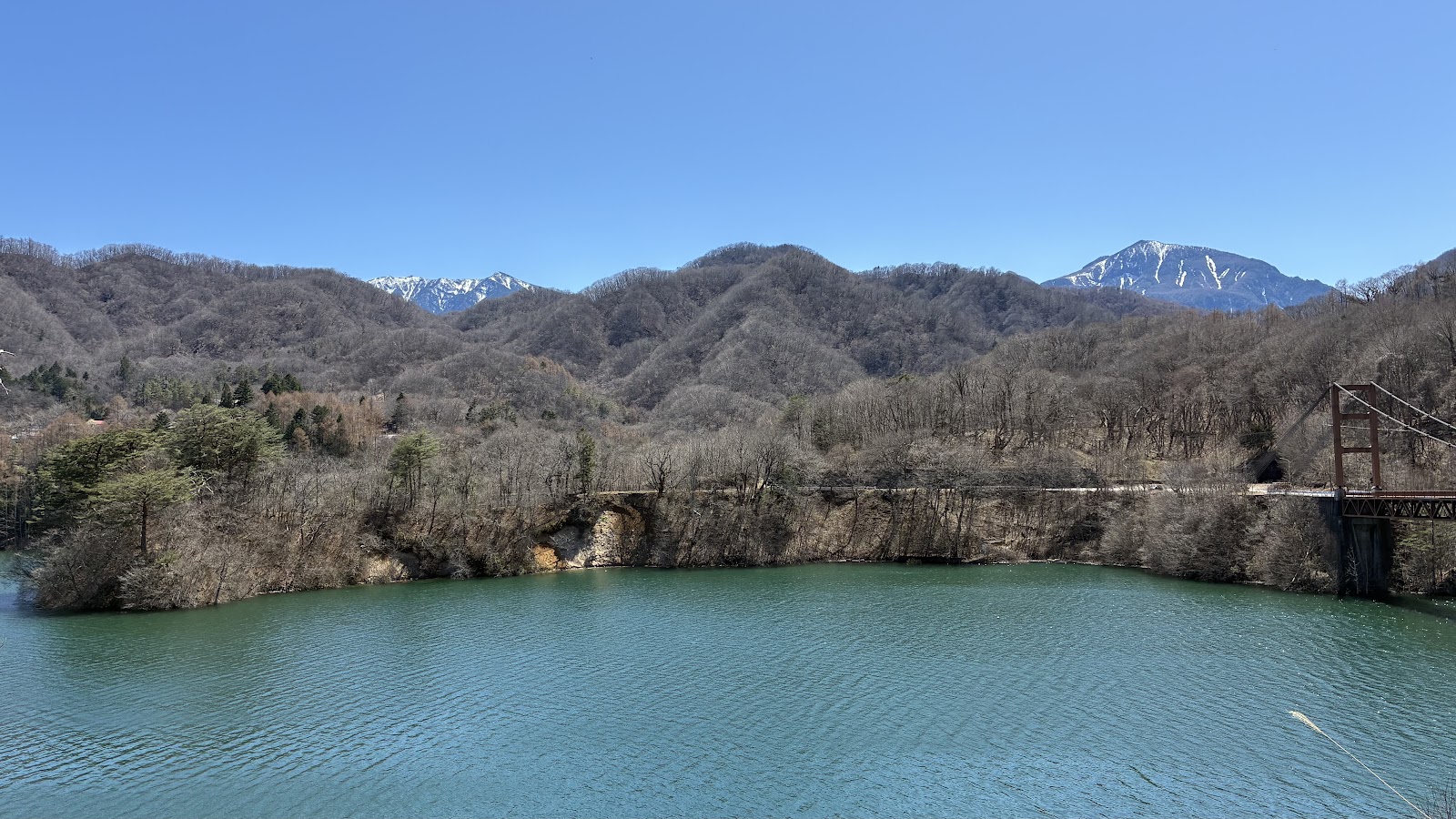
A notable fact is the route itself: the journey up passes the dramatic Setoaikyo Canyon and skirts Lake Kawamata, a reservoir formed by the Kawamata Dam, making the approach a scenic highlight in its own right and a reason the trip feels like an expedition into the back country.
The visiting experience is peaceful, rustic and nature-immersed, best suited to an overnight stay rather than a rushed day trip given the long access. The village core along the river is flat and walkable, with restrooms, parking and ryokan baths, though services are limited and English signage is sparse, so it rewards travellers comfortable with a slower, self-directed pace. Mobile coverage and shops are minimal, so arrive prepared.
Autumn, when the maples and larches of the upper Kinu valley blaze against the river and lake, is the standout season, with summer offering cool green escape from the heat. Getting there takes commitment: ride the Tobu Kinugawa Line to Kinugawa-Onsen Station, then board a Nikko City or Tobu bus up the valley past Setoaikyo Canyon and Lake Kawamata to the Kawamata Onsen area, a ride of well over an hour. Bus services are infrequent, so check timetables carefully and plan a full day or an overnight; IC cards are accepted on the approach, and the reward is one of the most genuinely secluded soaks in the whole Nikko region.
A local's tip
Kawamata is the trailhead for the truly hidden Okukinu onsen further upstream that are reachable only on foot or by inn shuttle, so this is the last easily bus-accessible soak before the road ends.
Best time to visit
Autumn foliage in the upper Kinu valley
Getting there
Ride the Tobu Kinugawa Line to Kinugawa-Onsen Station, then take a Nikko City / Tobu bus up the Kinu River valley past Setoaikyo Canyon and Lake Kawamata; the ride to the Kawamata Onsen area takes well over an hour. Services are infrequent, so check timetables and allow a full day.
Good to know
- Parking
- Restrooms
- Ryokan baths
Plan the whole trip offline
Kawamata Onsen is one of many places in the Real Japan app — with turn-by-turn directions, nearby spots and full offline maps you can use with no signal.