Iconic thatched-roof udon house at the foot of Yashima, serving kamaage Sanuki udon from a giant wooden tub.
Waraya, whose name literally means 'thatched house,' is one of Kagawa Prefecture's most beloved udon institutions and a fitting introduction to the region that Japan calls the 'Udon Kingdom.' Housed in a sprawling collection of old farmhouse buildings with a distinctive kayabuki thatched roof, it sits at the base of the Yashima plateau, directly beside the entrance to the Shikoku Mura open-air museum. The setting alone — dark timber beams, a rushing stream turning an old water wheel, and low wooden tables — makes it feel like stepping into rural Japan of a century ago.
Kagawa is the smallest of Japan's 47 prefectures, yet it produces and consumes more udon per capita than anywhere else in the country. The local style, Sanuki udon, is defined by its firm, springy, square-edged noodles with a satisfying chew known as 'koshi.' That texture comes from the region's soft wheat, low-mineral water, and the tradition of kneading the dough underfoot. Waraya's signature dish is kamaage udon: noodles boiled to order and served still swimming in their cooking water inside a wooden tub, accompanied by a small pot of concentrated hot dipping broth (tsuke-dashi) enriched with dried sardine and kelp dashi. You ladle the broth into your cup, add grated ginger and scallions, and dip the hot noodles straight in.
The restaurant is famous for its 'family tub' — an oversized wooden barrel of udon big enough to feed an entire group, hauled to the table by staff. Other favourites include bukkake udon (chilled noodles with a splash of cold dashi) in summer and tempura on the side, from lightly battered shrimp to seasonal vegetables. The self-service, casual rhythm is part of the Sanuki udon culture: order at the counter, carry your tray, slurp quickly, and move on.
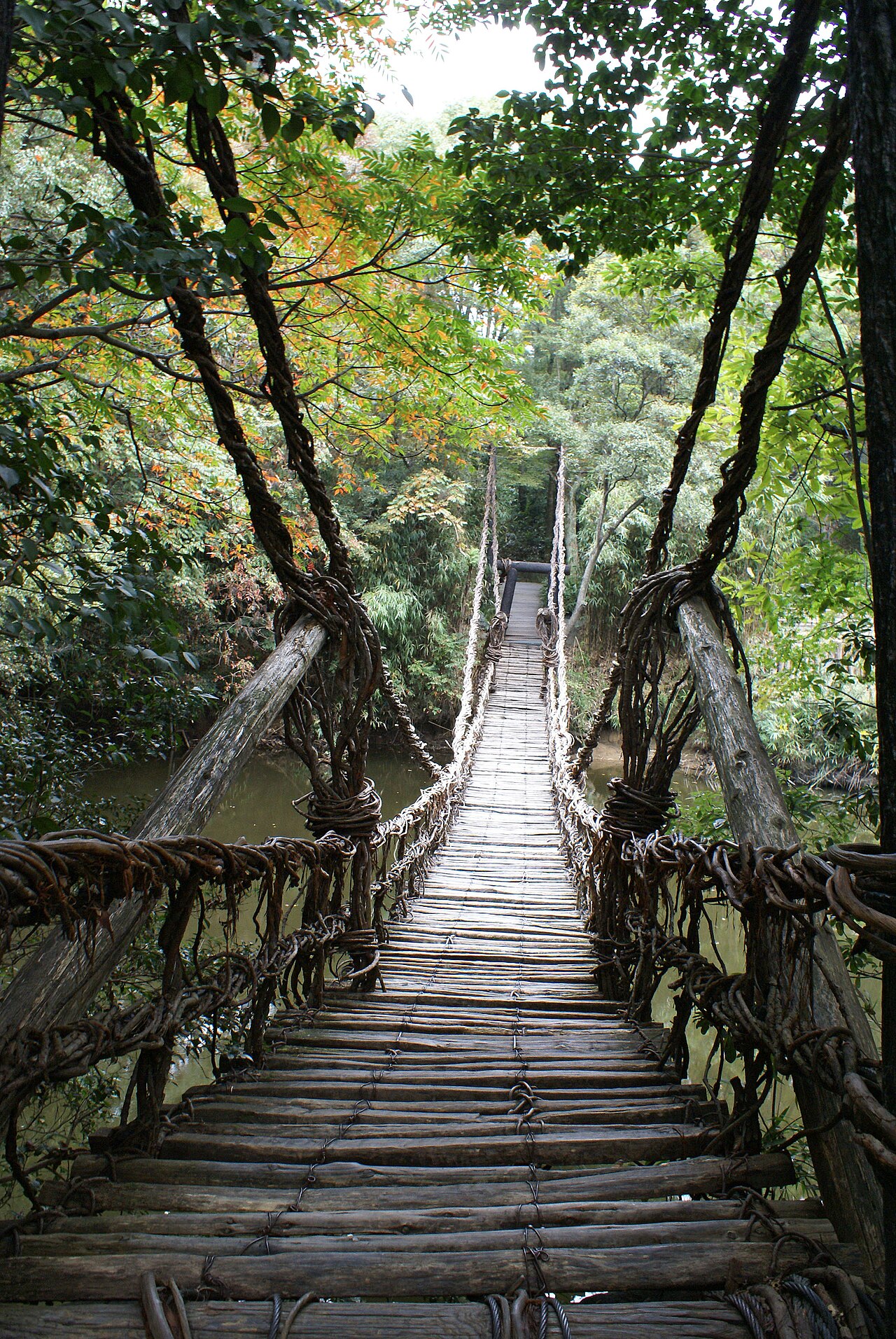
Beyond the food, Waraya is inseparable from its neighbours. Right next door, Shikoku Mura gathers dozens of relocated traditional buildings — a vine suspension bridge, a kabuki stage, sugar-boiling huts — from across the island, making it easy to combine a cultural morning with an udon lunch. The Yashima ropeway and the panoramic viewpoints over the Seto Inland Sea are a short climb above.
The experience is at its best on a clear weekday around late morning, before tour groups arrive. In spring the surrounding hillsides bloom; in autumn the maples above Shikoku Mura turn red, and a bowl of hot kamaage udon feels especially welcome. Visitors travelling on a Japan Rail Pass should note the final approach is on the private Kotoden railway rather than JR, though Takamatsu itself is an easy JR hub. Few meals capture Kagawa's identity as completely as a tub of Waraya's udon eaten beneath its ancient thatched roof.
A local's tip
Order the 'kamaage' (fresh-boiled) udon served in a wooden tub — you dip it in a hot broth ladled from the enormous barrel at your table. Arrive before noon on weekends or expect a long wait.
Best time to visit
Weekday lunch, 11:00-13:00 before the crowds
Getting there
From Takamatsu take the Kotoden Shido Line to Kotoden Yashima Station; the restaurant sits at the foot of Yashima plateau near the entrance to Shikoku Mura, about an 8-minute walk.
Good to know
- Parking
- Restrooms
- English menu
Plan the whole trip offline
Waraya Udon is one of many places in the Real Japan app — with turn-by-turn directions, nearby spots and full offline maps you can use with no signal.