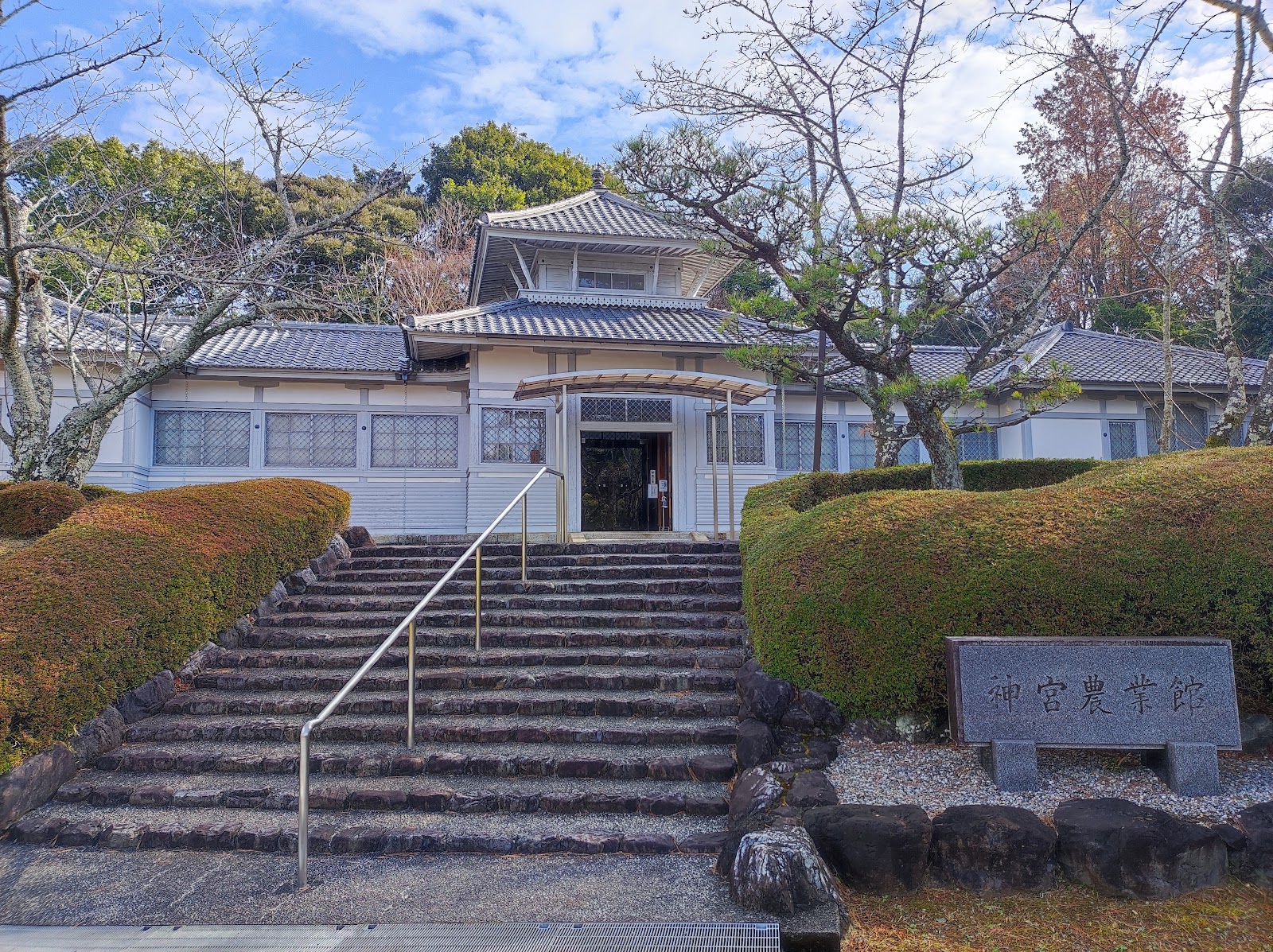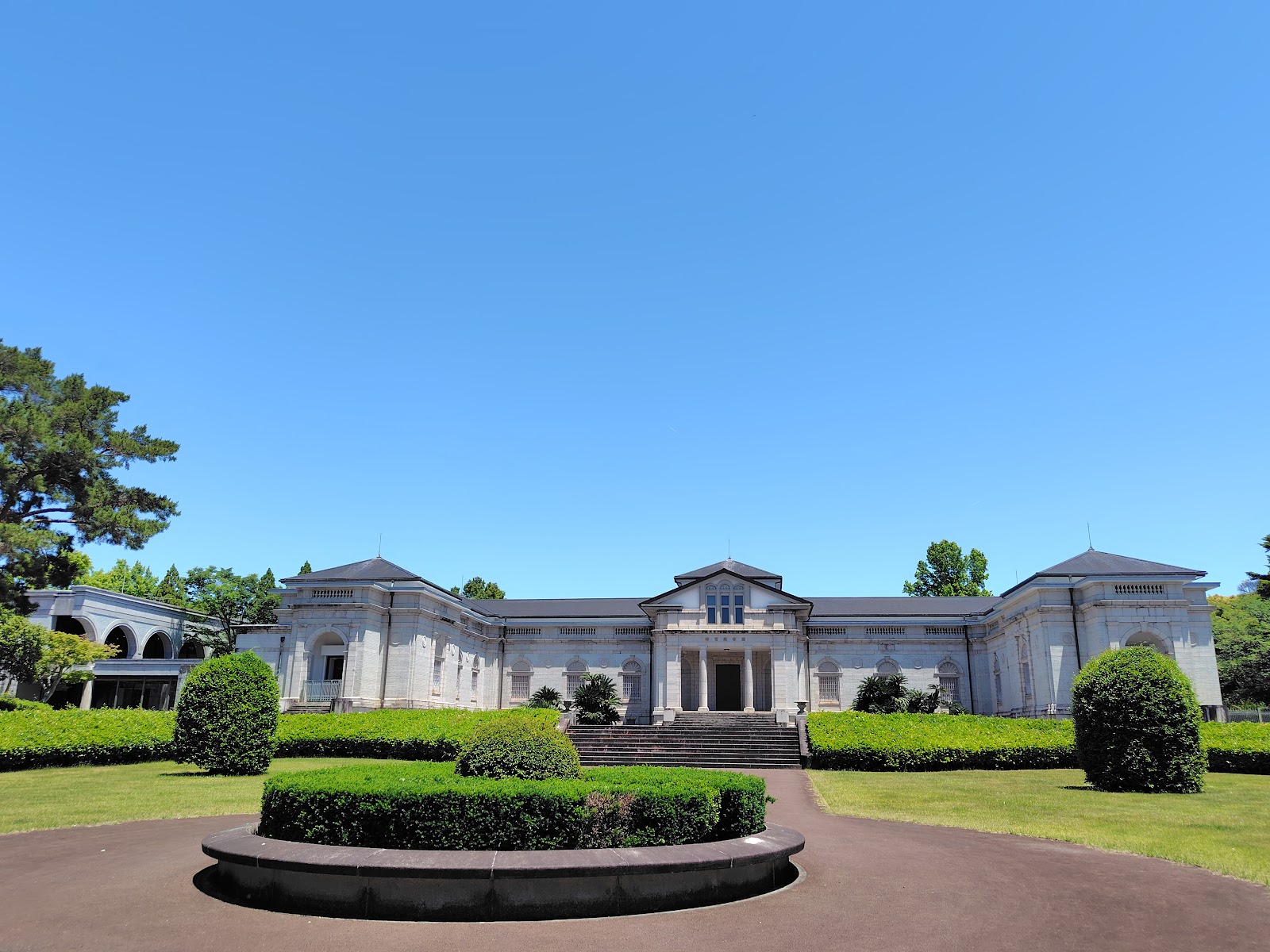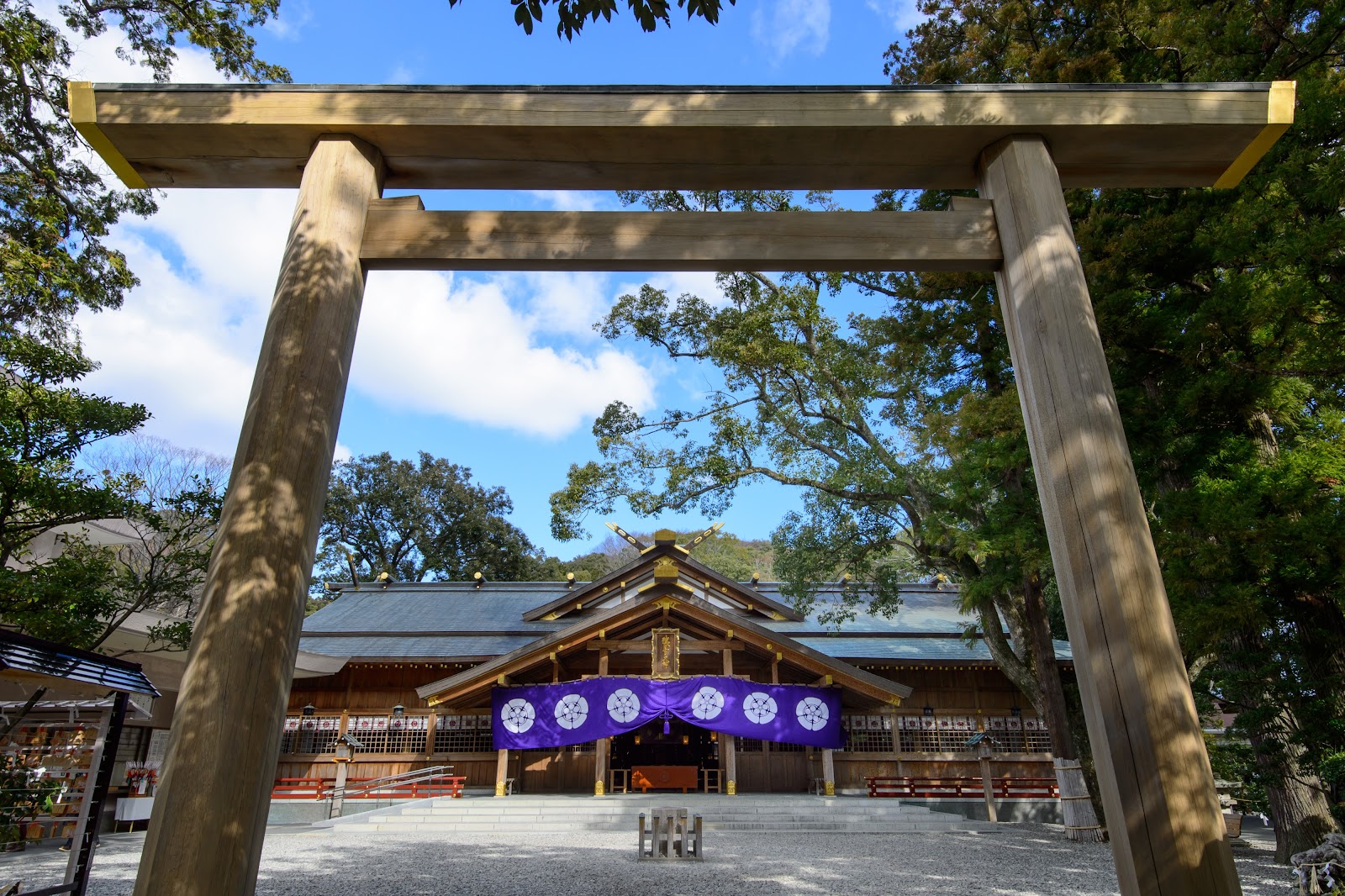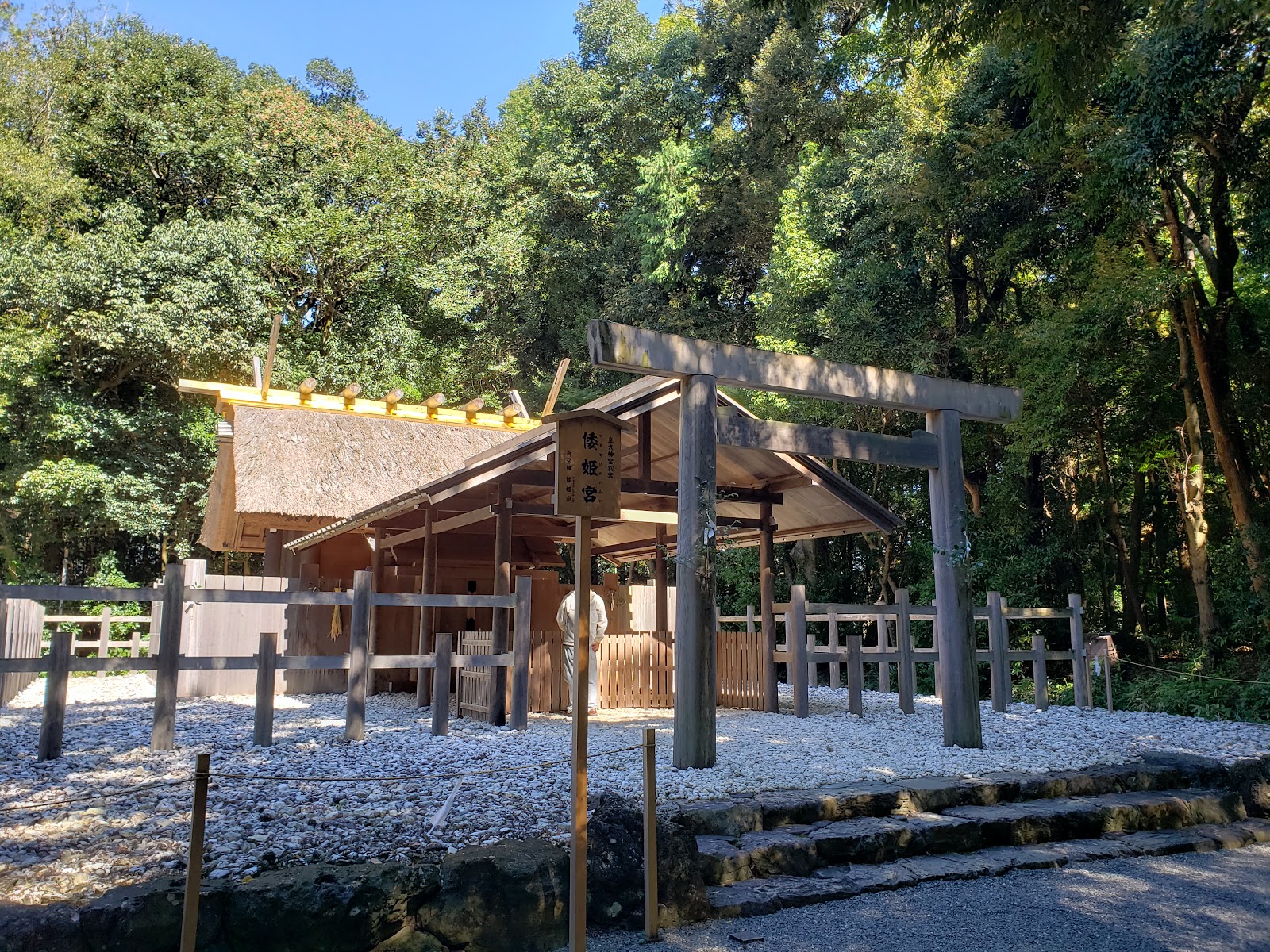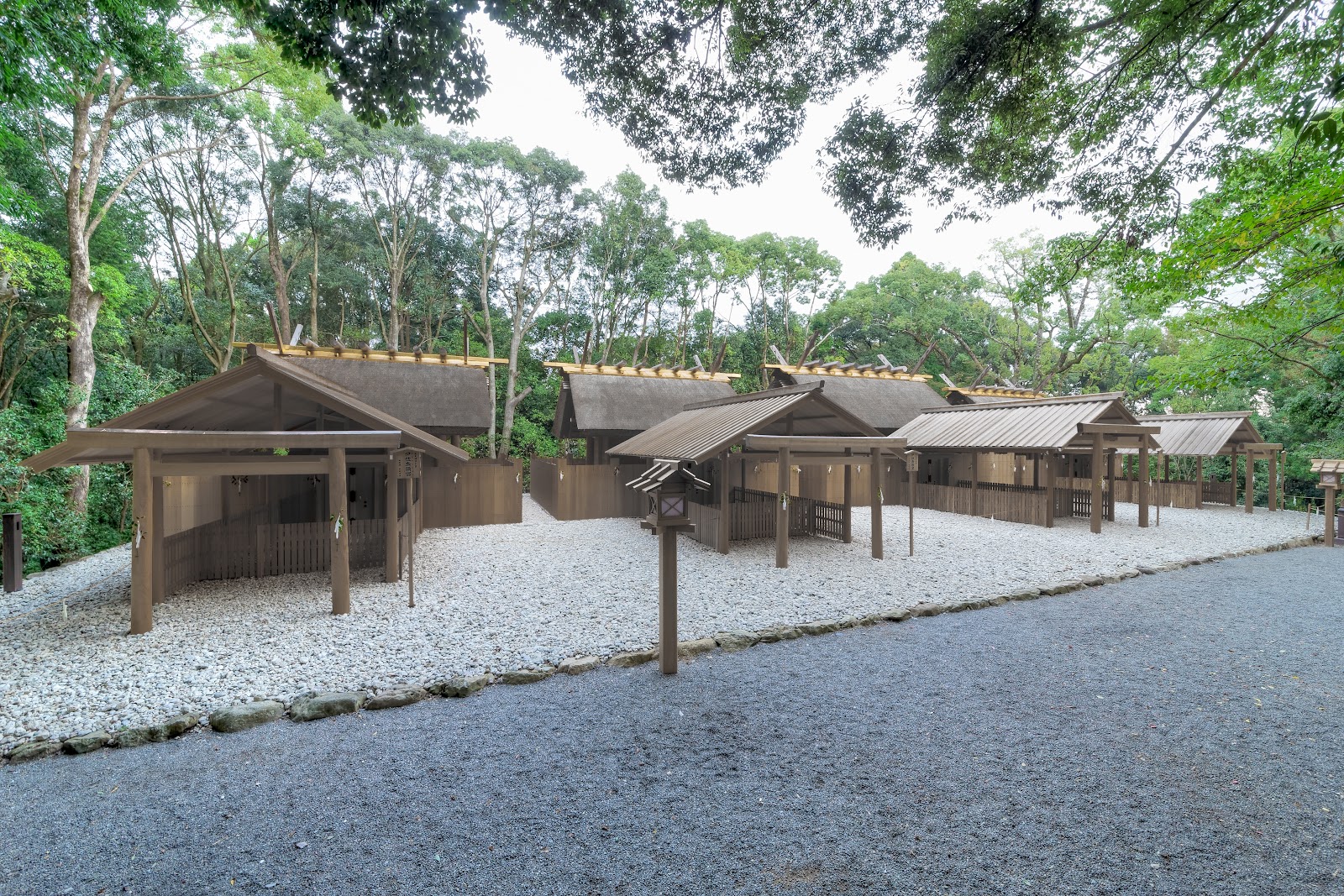
An auxiliary shrine of the Naiku enshrining the moon deity Tsukiyomi, a peaceful stop between the two main shrines.
Tsukiyomi-no-miya is one of the most important of the betsugu, the auxiliary shrines that belong to the Naiku, the Inner Shrine of Ise Jingu. Set in a quiet residential district between the Outer and Inner Shrines, it enshrines Tsukiyomi no Mikoto, the deity of the moon, and offers pilgrims a serene and less-visited stop that rounds out an understanding of the wider Ise Jingu complex.
Ise Jingu is not a single shrine but a vast network of some 125 sanctuaries spread across the region, ranked in a careful hierarchy. At the top stand the Naiku and Geku; beneath them come the betsugu, or auxiliary shrines, of which Tsukiyomi-no-miya is one of the highest in status. Being able to visit a betsugu gives travellers a fuller sense of how the sacred landscape of Ise extends far beyond the two famous main shrines.
The moon deity enshrined here occupies an intriguing place in Japanese mythology. Tsukiyomi was born, according to legend, from the right eye of the creator god Izanagi as he purified himself, at the same moment the sun goddess Amaterasu emerged from his left eye. As sibling of the sun, the moon god complements the solar deity worshipped at the nearby Naiku, and the pairing of sun and moon lends the shrine a quiet cosmological resonance.
What surprises many visitors is that the precinct contains not one but four sanctuaries standing in a neat row, each built in the same austere unpainted cypress style as the main shrines and each dedicated to a related deity, including Tsukiyomi's aramitama, or turbulent spirit, and the parental gods Izanagi and Izanami. Devout worshippers pay their respects at each in turn. Like the great shrines, these sanctuaries too are subject to the twenty-year rebuilding cycle of the Shikinen Sengu, and the adjacent vacant plots for the next reconstruction can be seen.
The atmosphere is intimate and hushed, the small compound shaded by trees and free of the crowds that gather at the Naiku. A visit takes only a short time, but the shrine's calm and its elegant quartet of sanctuaries make it a rewarding pause for those willing to step slightly off the main pilgrimage route.
Tsukiyomi-no-miya lies between the Geku and Naiku, close to Isuzugawa Station and served by the same bus lines that ferry visitors between the main shrines, so it slots easily into a day of exploring Ise. Admission is free. For travellers who want to experience Ise Jingu as the sprawling sacred web it truly is, rather than just its two headline shrines, this tranquil moon shrine is an ideal and easily reached introduction to its many hidden sanctuaries.
A local's tip
Four sanctuaries stand side by side here; walk to the far end to pay respects at each in turn, as devout pilgrims do.
Best time to visit
Morning
Getting there
Located between the Geku and Naiku; take a Mie Kotsu bus and alight at Nakamura-cho, or walk from Isuzugawa Station. A short detour off the main shrine route.
Good to know
- Parking
- Restrooms
Plan the whole trip offline
Tsukiyomi-no-miya is one of many places in the Real Japan app — with turn-by-turn directions, nearby spots and full offline maps you can use with no signal.