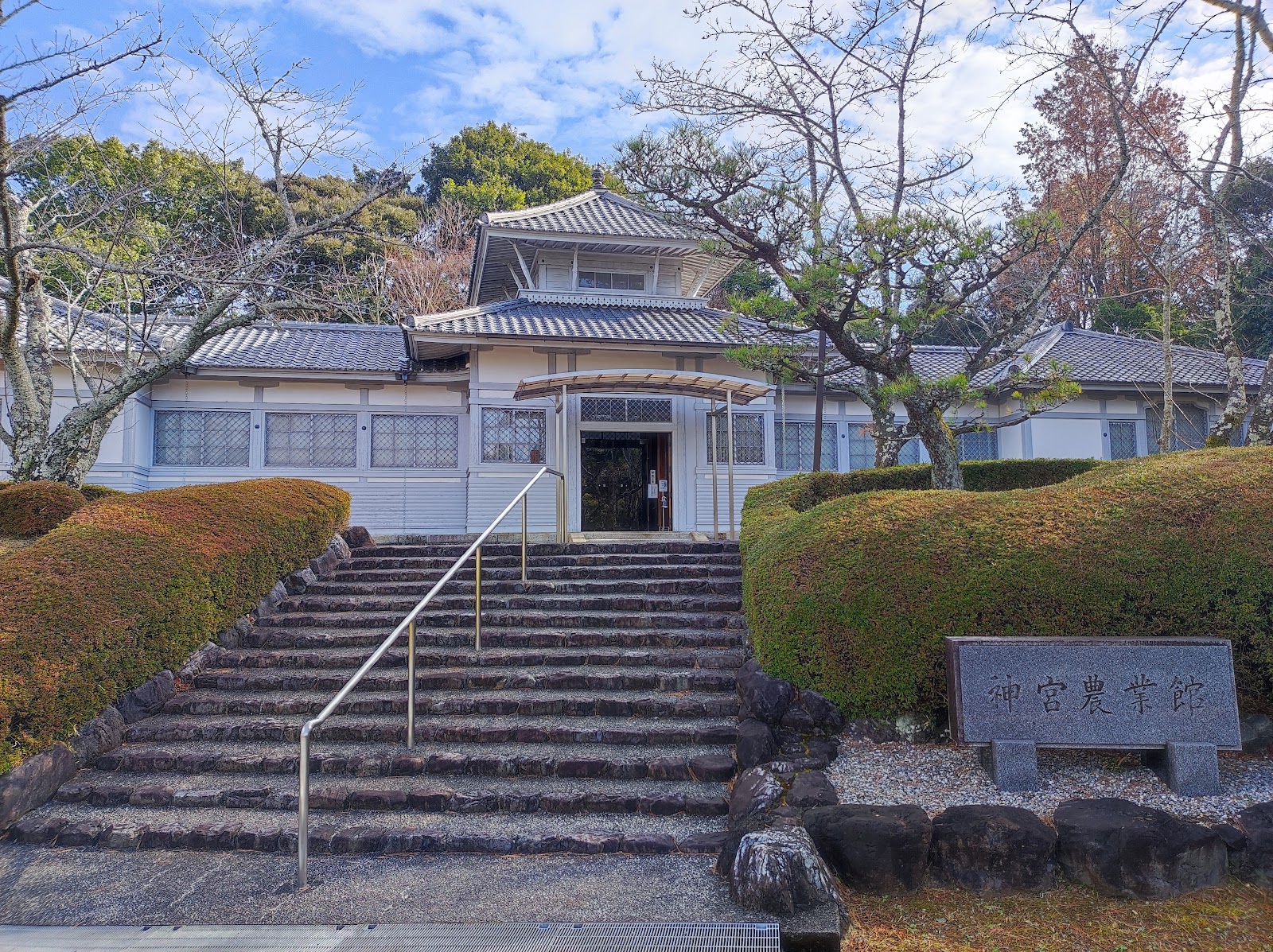
Japan's oldest agricultural museum, exploring rice, farming and the sacred foods offered daily at Ise Jingu.
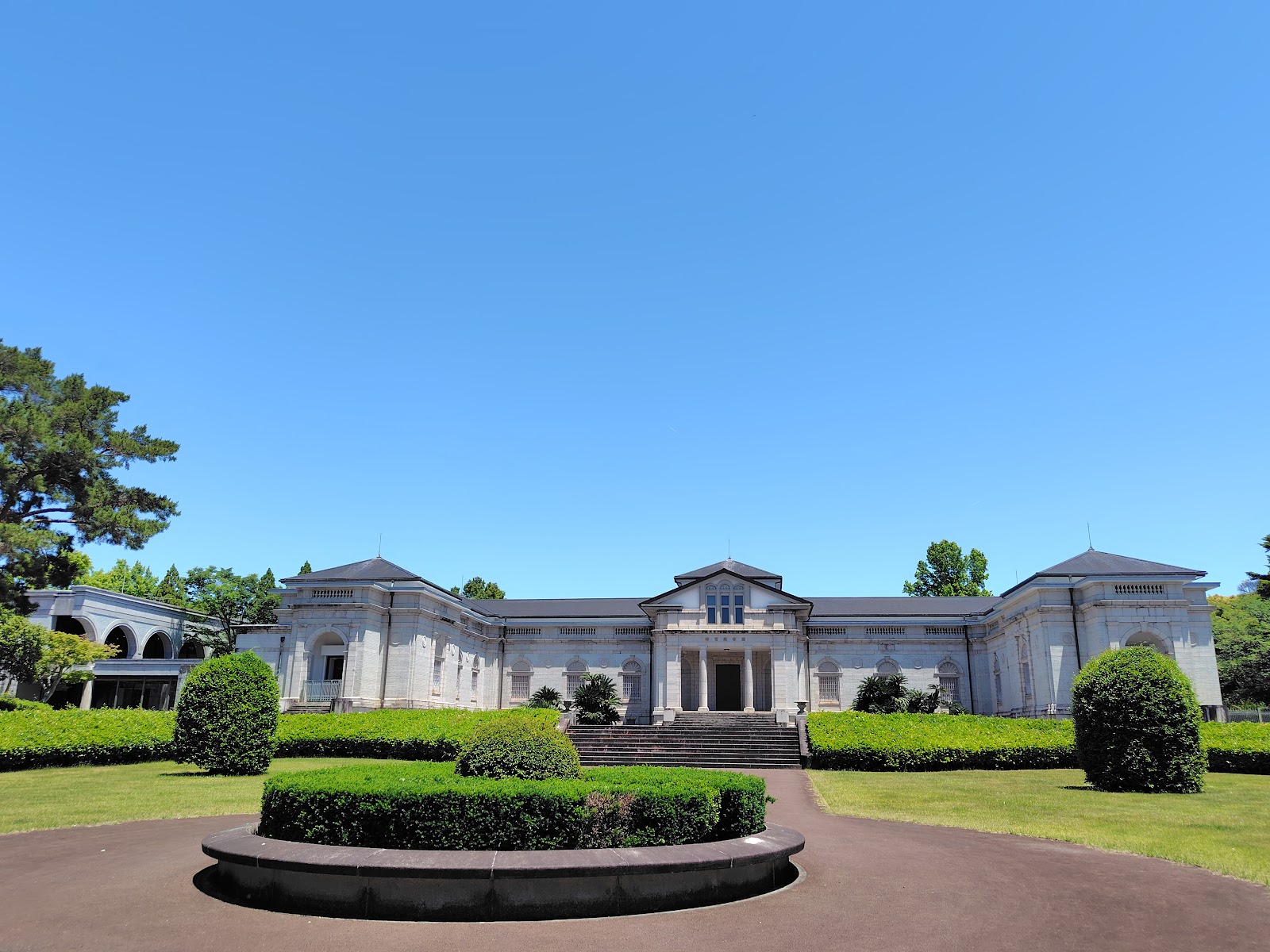
The Jingu Agricultural Museum, or Nogyokan, holds the distinction of being Japan's oldest museum dedicated to agriculture, first opened in 1891 before moving to its present home in the graceful Meiji-era Shokeikan hall on the wooded grounds of Kuratayama Park. It shares this leafy hillside between Ise's Outer and Inner Shrines with the Jingu Chokokan and the Museum of Fine Arts, and together the three form one of the most rewarding and least crowded cultural stops in the whole Ise-Shima region.
At first glance a museum about farming may seem an unusual companion to Japan's holiest shrine, but the connection is fundamental. Ise Jingu is, at its heart, a shrine to Amaterasu, the sun goddess, and to Toyouke, the deity of food, agriculture and industry enshrined at the Geku. Twice every day, without fail, for over 1,500 years, priests have prepared and offered a sacred meal to the gods, the Higoto Asayu Omikesai — rice, salt, water, vegetables, fish and rice wine, much of it grown and harvested on the shrine's own sacred fields and salt flats. Agriculture is therefore not incidental to Ise but woven into its daily ritual life, and this museum makes that link explicit.
The exhibits trace the history and science of Japanese farming, with a natural emphasis on rice cultivation, the crop at the centre of Shinto ritual and imperial ceremony alike. Displays cover traditional tools, seed varieties, sacred rice paddies, the salt-making of the nearby coast, and the botanical specimens that fascinated Meiji-era naturalists when the collection was young. Models and dioramas illustrate the annual cycle of planting and harvest festivals that still punctuate the shrine calendar, from the rice-planting Otaue rituals to the autumn Kanname-sai thanksgiving.
The building itself, a handsome wooden hall in the restrained Meiji public style, is part of the appeal, set among cherry and maple trees that flush pink in spring and crimson in late autumn. It is the kind of place where you can slow down, escape the pilgrim crowds entirely, and appreciate a quieter dimension of Ise's meaning.
Because a single combined ticket admits you to all three Jingu museums, the Agricultural Museum makes most sense as part of a leisurely half-day that also takes in the treasures of the Chokokan and the fine art of the Bijutsukan. Allow around 45 minutes here. English signage is limited, so bring a translation aid, but the theme is intuitive and the objects speak clearly. The site sits directly on the Ise loop bus route between the shrines, with parking for drivers, making it an easy and worthwhile addition to a Jingu pilgrimage rather than a detour.
A local's tip
A single combined ticket covers the Agricultural Museum, the History Museum and the Museum of Fine Arts — buy it once and see all three in a relaxed half-day.
Best time to visit
Alongside the Chokokan
Getting there
On the same Kuratayama Park grounds as the Jingu Chokokan, between the Geku and Naiku; combined-ticket access, reached by the Ise loop bus (Chokokan-mae stop).
Good to know
- Garden
- Parking
- Restrooms
Plan the whole trip offline
Jingu Agricultural Museum is one of many places in the Real Japan app — with turn-by-turn directions, nearby spots and full offline maps you can use with no signal.