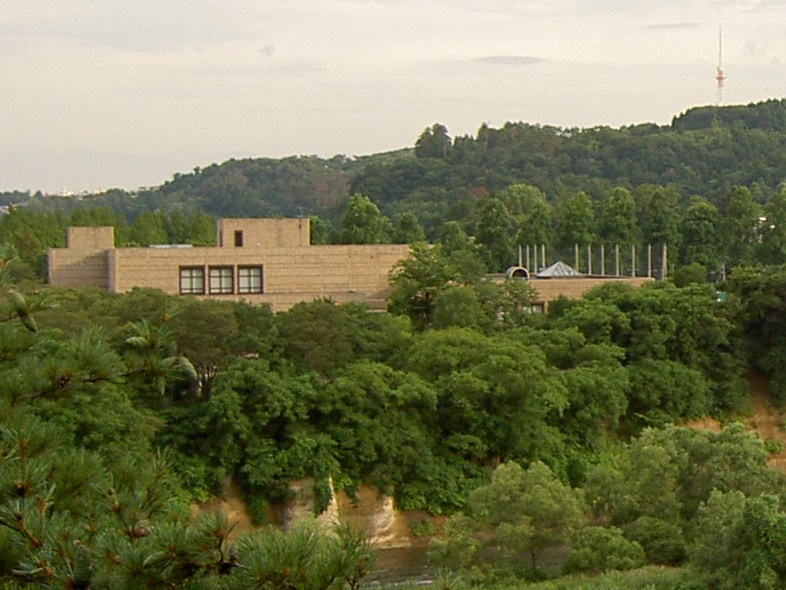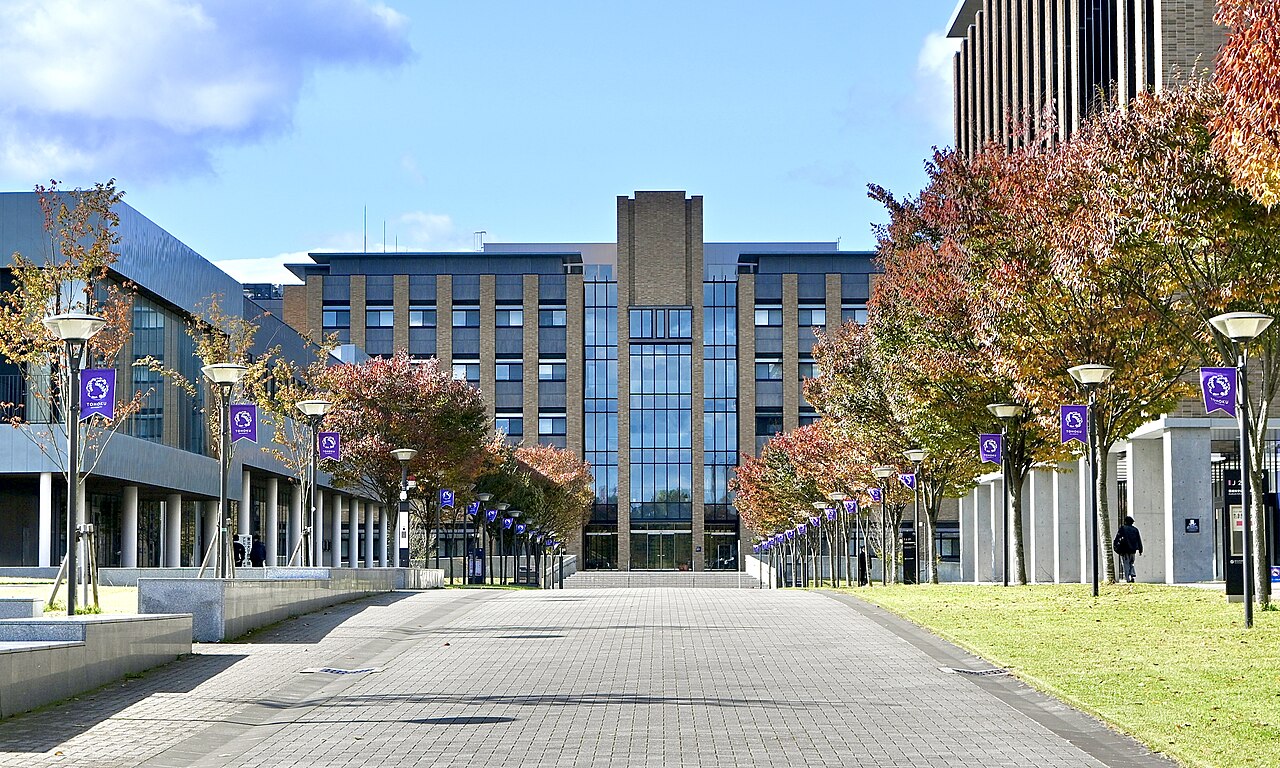
The natural-history museum of Tohoku University, displaying fossils, minerals and specimens from one of Japan's foremost research institutions.
The Tohoku University Museum is the public natural-history museum of one of Japan's most prestigious universities, presenting the fruits of the institution's long history of research in geology, palaeontology and the earth sciences. Located near the university's campus on the wooded western side of Sendai, it is a modest but genuinely rewarding museum, and its low admission fee makes it one of the best-value cultural stops in the city for anyone with a curiosity about the natural world.
Tohoku University has been a leading centre of scientific research since its founding in the early 20th century, and its museum draws on a deep collection of specimens accumulated through generations of study. The displays focus above all on fossils, minerals and rocks, tracing the deep history of the Earth and of life through carefully chosen and often striking specimens. Ammonites, ancient marine creatures, dinosaur-era fossils and a wealth of minerals reveal the geological story of Japan and beyond, presented with the academic care you would expect of a research institution.
What makes the museum appealing is precisely its scholarly character. This is not a slick, entertainment-driven attraction but a working university museum, where the specimens are the stars and the interpretation is grounded in real science. For visitors with an interest in earth sciences, palaeontology or mineralogy, it offers depth and authenticity, while the visual drama of fossils and crystals gives even casual visitors and children plenty to enjoy. Rotating special displays draw on the university's ongoing research to keep the offering fresh.
The visiting experience is quiet, compact and inexpensive, typically taking about an hour. The museum is rarely crowded, so there is space to examine the specimens closely, and its setting near the leafy university campus - close to the Aoba Castle hillside and the Tohoku University Botanical Garden - makes it easy to combine with other attractions on Sendai's western side. Facilities are simple but adequate, and the modern sections are accessible; a very modest admission fee applies and the museum keeps daytime hours, closing on Mondays.
As an indoor attraction it works in any season and any weather, a good option for a wet or cold day. Interpretation is partly in Japanese, but the specimens themselves speak clearly across any language barrier, and the earth-science theme is universally legible. Allow about an hour, and consider pairing it with the nearby botanical garden and castle ruins for a science-and-history afternoon.
Getting there is easy. The Sendai Subway Tozai Line reaches Kawauchi Station near the campus, from which the museum is a ten-minute walk. For travellers who appreciate the substance of a genuine research collection - fossils, minerals and the long story of the Earth - the Tohoku University Museum offers real intellectual reward at a very small price, and rounds out the cluster of cultural and natural attractions on the historic western hills of Sendai.
A local's tip
Entry is inexpensive and the fossil and mineral halls are surprisingly rich - a rewarding, low-cost stop for anyone with an interest in earth science.
Best time to visit
Any season
Getting there
Take the Sendai Subway Tozai Line to Kawauchi Station, near the Tohoku University campus, and walk about 10 minutes to the natural-history museum.
Good to know
- Restrooms
- Fossil exhibits
- Mineral collection
Plan the whole trip offline
Tohoku University Museum is one of many places in the Real Japan app — with turn-by-turn directions, nearby spots and full offline maps you can use with no signal.