A research botanical garden on the wooded slope below Sendai Castle, protecting a rare natural forest and thousands of labelled plant species.
The Tohoku University Botanical Garden occupies a remarkable site: the forested hillside of Mount Aoba directly below the ruins of Sendai Castle, land that was once part of the Date domain's stronghold and has therefore escaped centuries of development. Established in 1958 as a research and teaching garden for one of Japan's leading universities, it combines cultivated collections with a genuinely wild tract of natural forest, and it is designated a National Natural Monument for the primeval woodland it preserves.
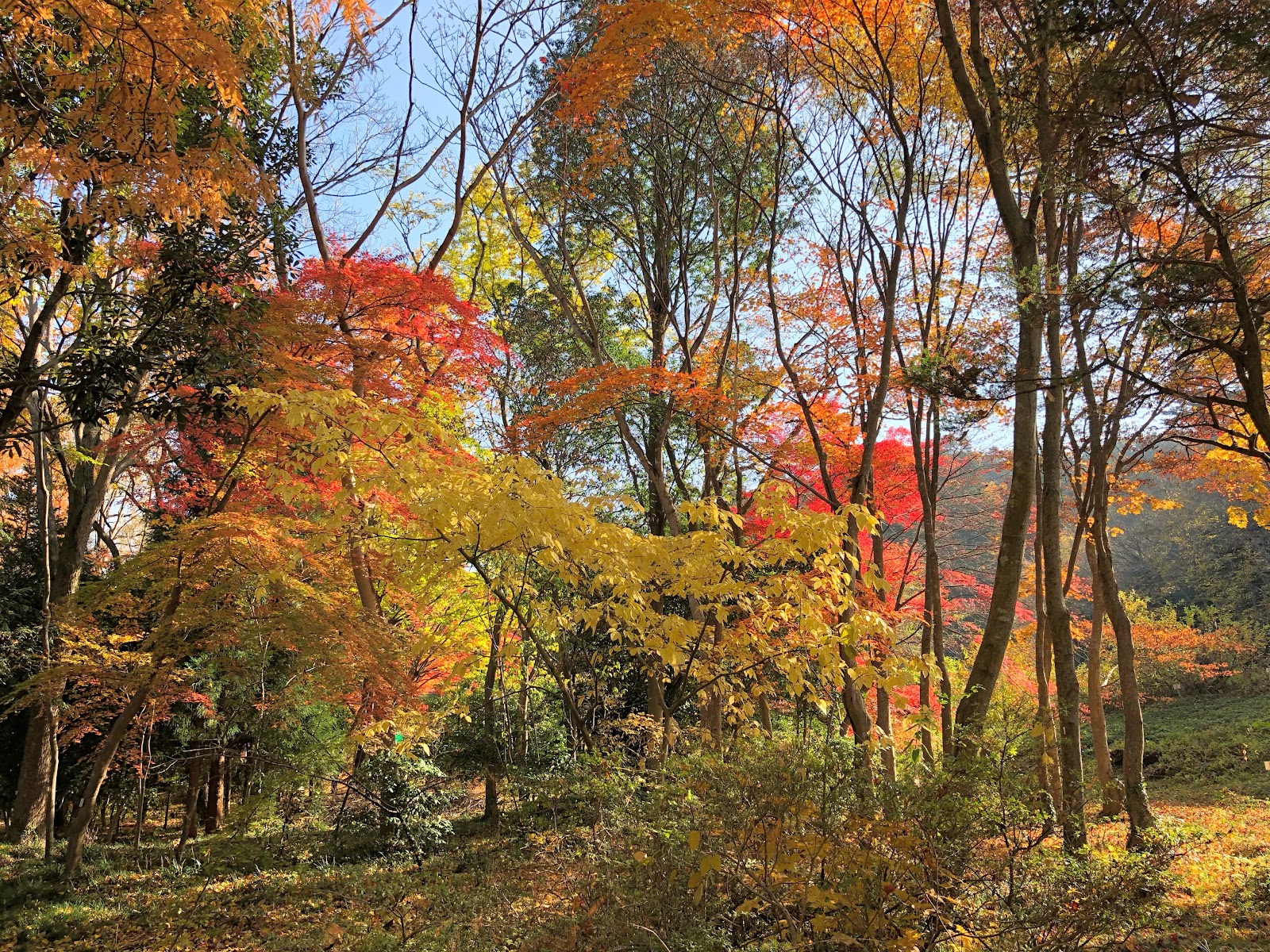
That forest is the garden's great distinction. Much of Japan's lowland has long since been cleared, but here, protected first by the castle and then by the university, survives a mature stand of warm-temperate broadleaf forest - a living picture of what the hills around Sendai looked like before human settlement. Marked nature trails climb through the trees, past streams and mossy outcrops, offering a quiet woodland walk with the added interest of scholarly labelling and interpretation.
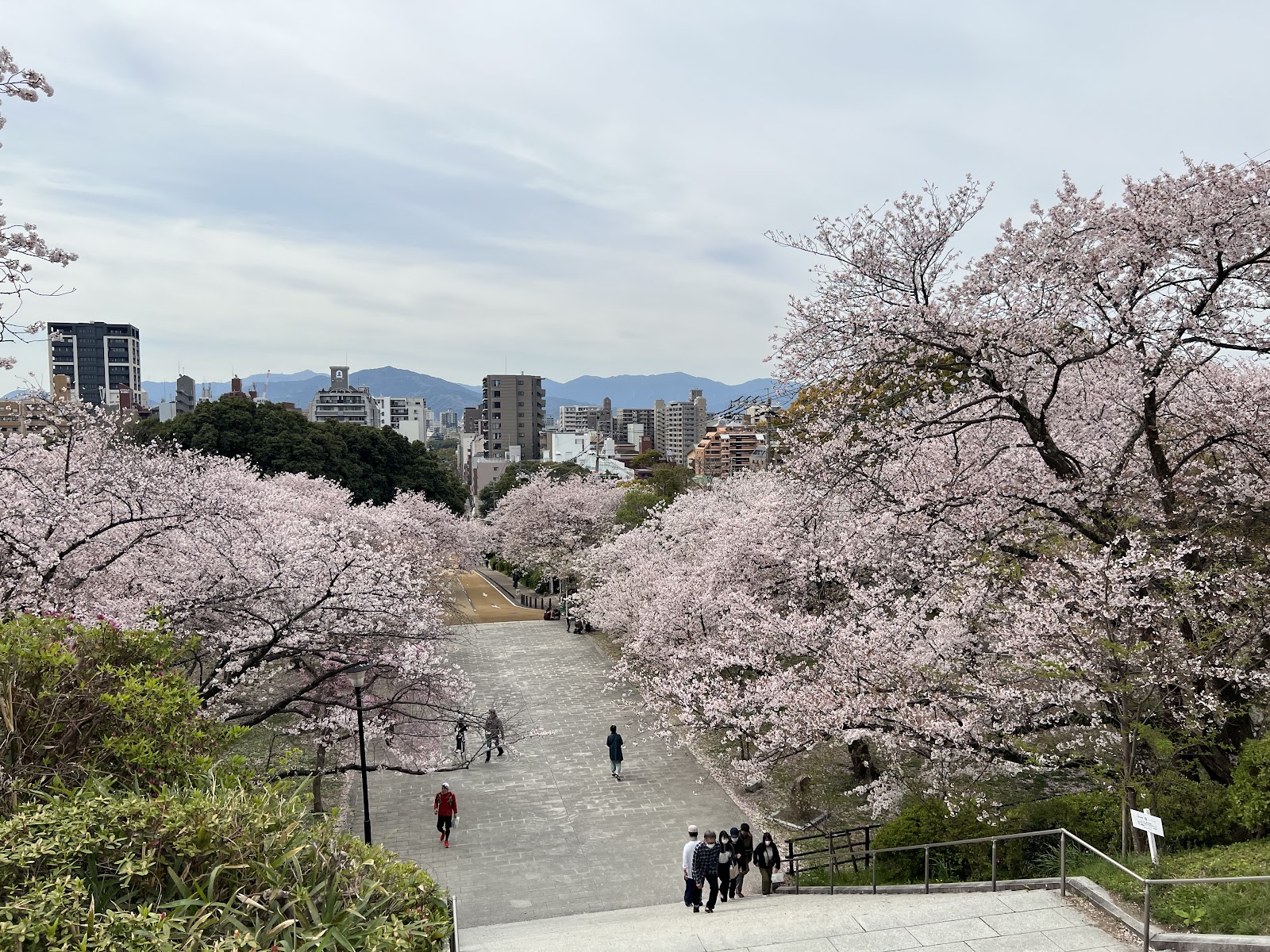
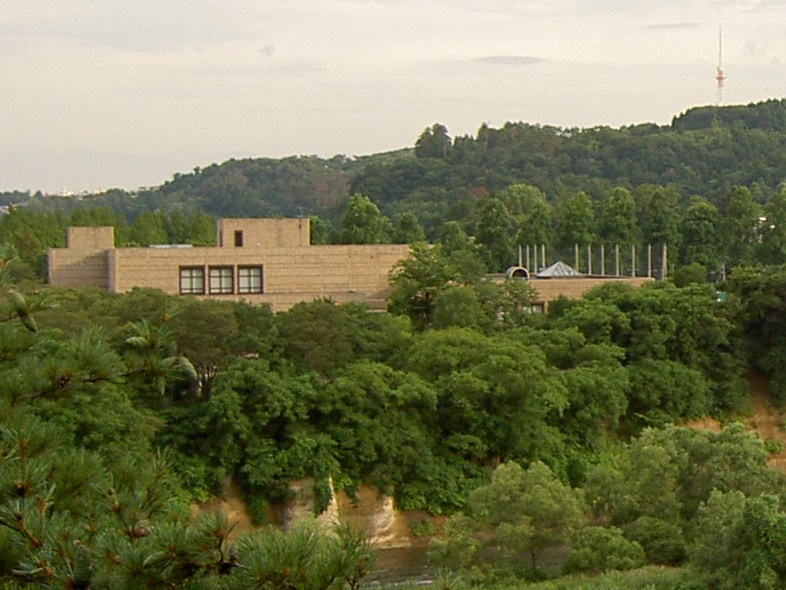
Around this natural core the garden maintains extensive cultivated collections: medicinal and useful plants, alpine and wetland species, ferns, and beds arranged to illustrate plant families and ecology. Thousands of species are grown and labelled, making the garden as much an open-air textbook as a place of beauty. A small exhibition building displays herbarium material and explains the region's flora, and seasonal highlights range from spring wildflowers and cherry blossom to summer greenery and vivid autumn maples.
The visiting experience is contemplative and educational rather than showy. This is a working scientific garden, so the atmosphere is studious and uncrowded, popular with botanists, photographers and curious walkers rather than tour groups. A modest admission fee applies, and the garden keeps daytime hours and closes on Mondays. Because it sits on a hillside, the woodland trails involve slopes and uneven, sometimes steep ground, so comfortable footwear is important and the natural areas are less suited to wheelchairs, though the cultivated flat sections near the entrance are more accessible.
Spring and autumn are the finest seasons - the former for fresh foliage and flowering, the latter for the koyo that sets the forest ablaze - while summer offers deep, cooling shade. Allow an hour and a half to combine the cultivated beds with at least one of the forest trails; keen naturalists will happily spend longer.
Getting there fits neatly with Sendai's castle sightseeing. From Sendai Station the Tozai subway line reaches Kokusai Center Station, from which it is a fifteen-minute uphill walk toward the castle, or the Loople Sendai tourist loop bus serves the Aoba Castle area nearby. Pairing the botanical garden with the castle ruins and their sweeping city views makes for a satisfying half-day that unites Sendai's samurai past with the natural heritage the Date lords inadvertently preserved.
A local's tip
The garden protects a rare tract of natural warm-temperate forest on the castle hillside - follow the woodland trail rather than only the cultivated beds to see it.
Best time to visit
Spring for wildflowers, autumn for foliage
Getting there
From Sendai Station take the Tozai Line subway to Kokusai Center Station and walk about 15 minutes uphill toward the castle, or take a Loople Sendai loop bus toward the Aoba Castle area.
Good to know
- Restrooms
- Nature trails
- Herbarium exhibits
Plan the whole trip offline
Tohoku University Botanical Garden is one of many places in the Real Japan app — with turn-by-turn directions, nearby spots and full offline maps you can use with no signal.