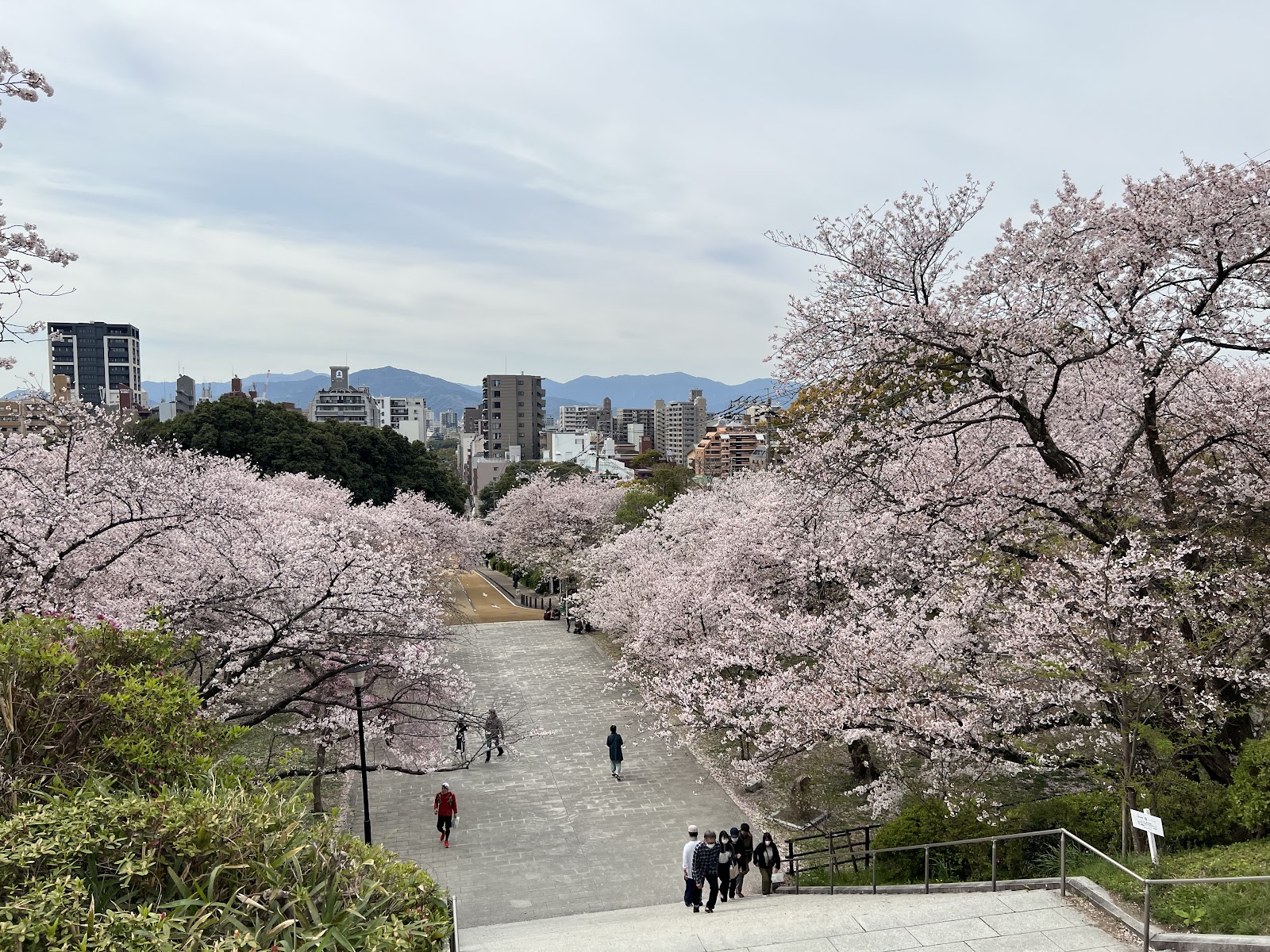
Sendai's oldest public park, a leafy riverside retreat famous for spring cherry blossoms and a historic Confucius shrine.
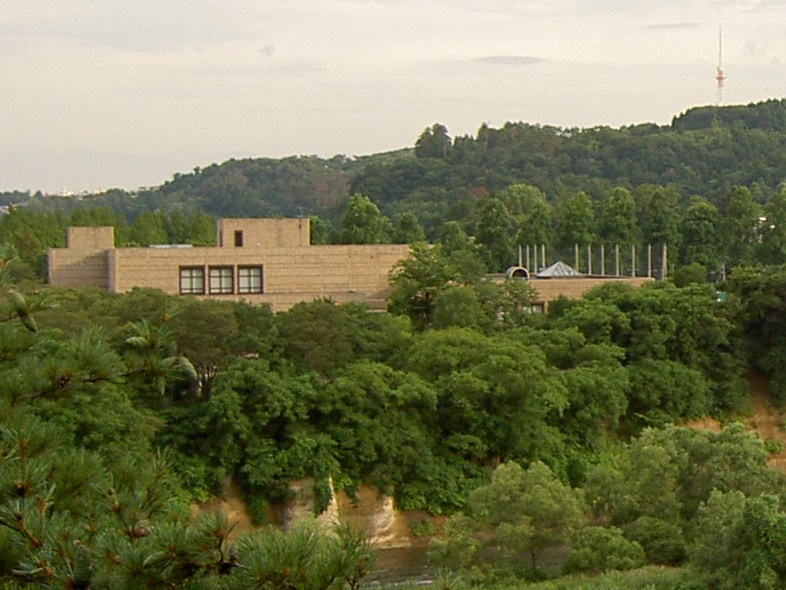
Nishi Park, or Nishi Koen, is the oldest public park in Sendai, opened in 1875 on the west bank of the Hirose River within easy reach of the city centre. For generations of Sendai residents it has been the neighbourhood green lung: a gently landscaped expanse of mature trees, curving paths, ponds and open lawns where families picnic, students revise and elderly locals practise morning exercises. Its long history gives it a settled, lived-in atmosphere quite different from the manicured formality of Japan's great feudal gardens.
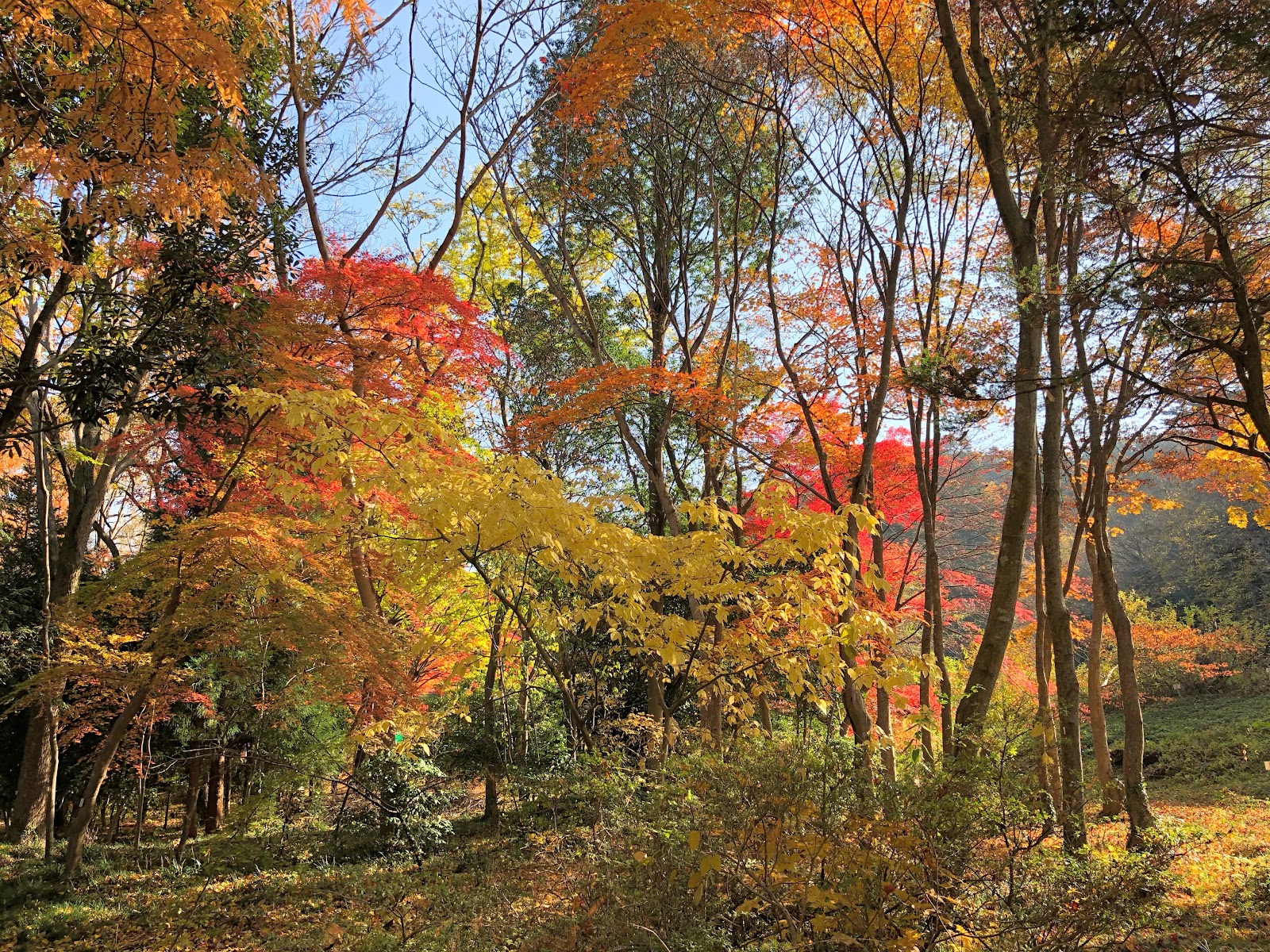
The park is best known for its cherry trees. In late March and early April hundreds of Somei-Yoshino and other varieties burst into bloom, and the grounds fill with hanami parties beneath the pink canopy. Autumn brings a second show as the maples and ginkgos turn gold and crimson, reflected in the park's ponds. Because the park sits right beside the Hirose River, spring and autumn walks can be extended along the water and across to the leafy slopes below Sendai Castle.
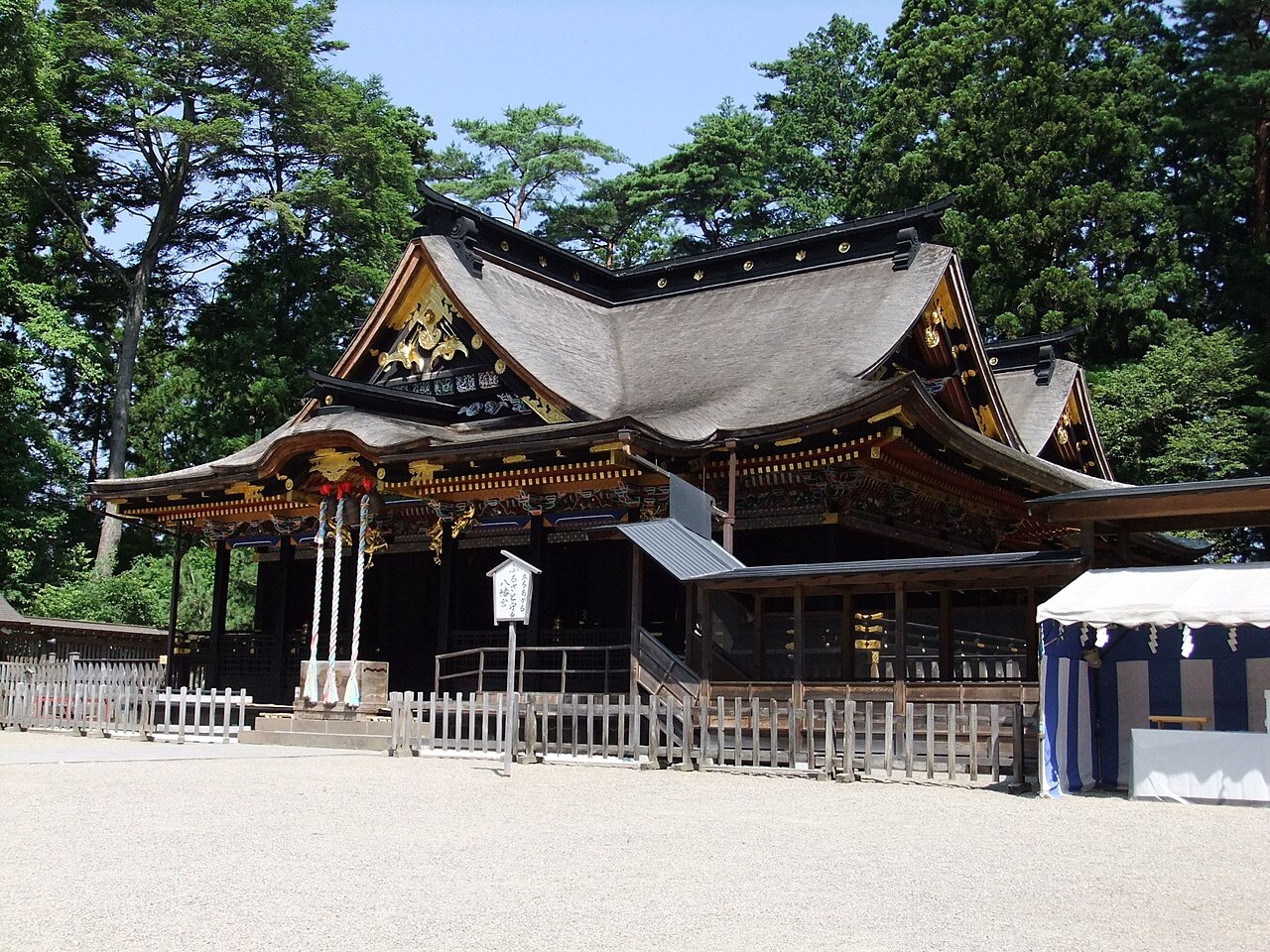
Nishi Park is also a small open-air museum of relocated heritage. A Confucius shrine (the Sendai Rinshi) honours the scholarly traditions of the Date domain, and a graceful five-story pagoda belonging to Kotokuin temple stands among the trees, moved here to escape wartime redevelopment. Scattered monuments and a traditional tea house add cultural texture to what might otherwise be simply a pleasant green space. Children gravitate to the small play areas and the seasonal fountains.
The visiting experience is relaxed and unhurried. There is no admission charge and the park never truly closes, so it works equally well as a morning stroll, a lunchtime escape or an evening walk when the paths are softly lit. Paths are broad and mostly level, making the park accessible for wheelchairs, strollers and older visitors, though a few of the historic corners involve short flights of steps. Vending machines and restrooms are available, and cafes line the surrounding streets.
The best time to visit is unquestionably cherry-blossom season, when Nishi Park becomes one of central Sendai's most popular hanami spots, but the wisteria of early summer and the fiery koyo of November are rewarding too. Even in the depths of winter the bare trees and quiet ponds have a stark beauty, and the park is rarely crowded outside blossom season.
Getting there could hardly be easier. The Sendai Subway Tozai Line stops at Omachi-Nishikoen Station, just a three-minute walk from the park entrance, and it is a pleasant twenty-minute walk from Sendai Station through the downtown grid. Combine it with a visit to the Aoba Castle ruins across the river, or with the museums clustered on the castle hillside, for a half-day that pairs the city's greenery with its samurai history.
A local's tip
Climb to the relocated five-story pagoda of Kotokuin at the park's edge for a quiet photo spot most day-trippers miss.
Best time to visit
Early April for cherry blossoms
Getting there
Take the Sendai Subway Tozai Line to Omachi-Nishikoen Station; the park is a 3-minute walk from Exit 1. From Sendai Station it is about a 20-minute walk or a short subway ride.
Good to know
- Benches
- Restrooms
- Tea house
Plan the whole trip offline
Nishi Park is one of many places in the Real Japan app — with turn-by-turn directions, nearby spots and full offline maps you can use with no signal.