Fukuoka's beloved central park built around a huge former-moat pond, with island bridges, a jogging loop and a serene Japanese garden.
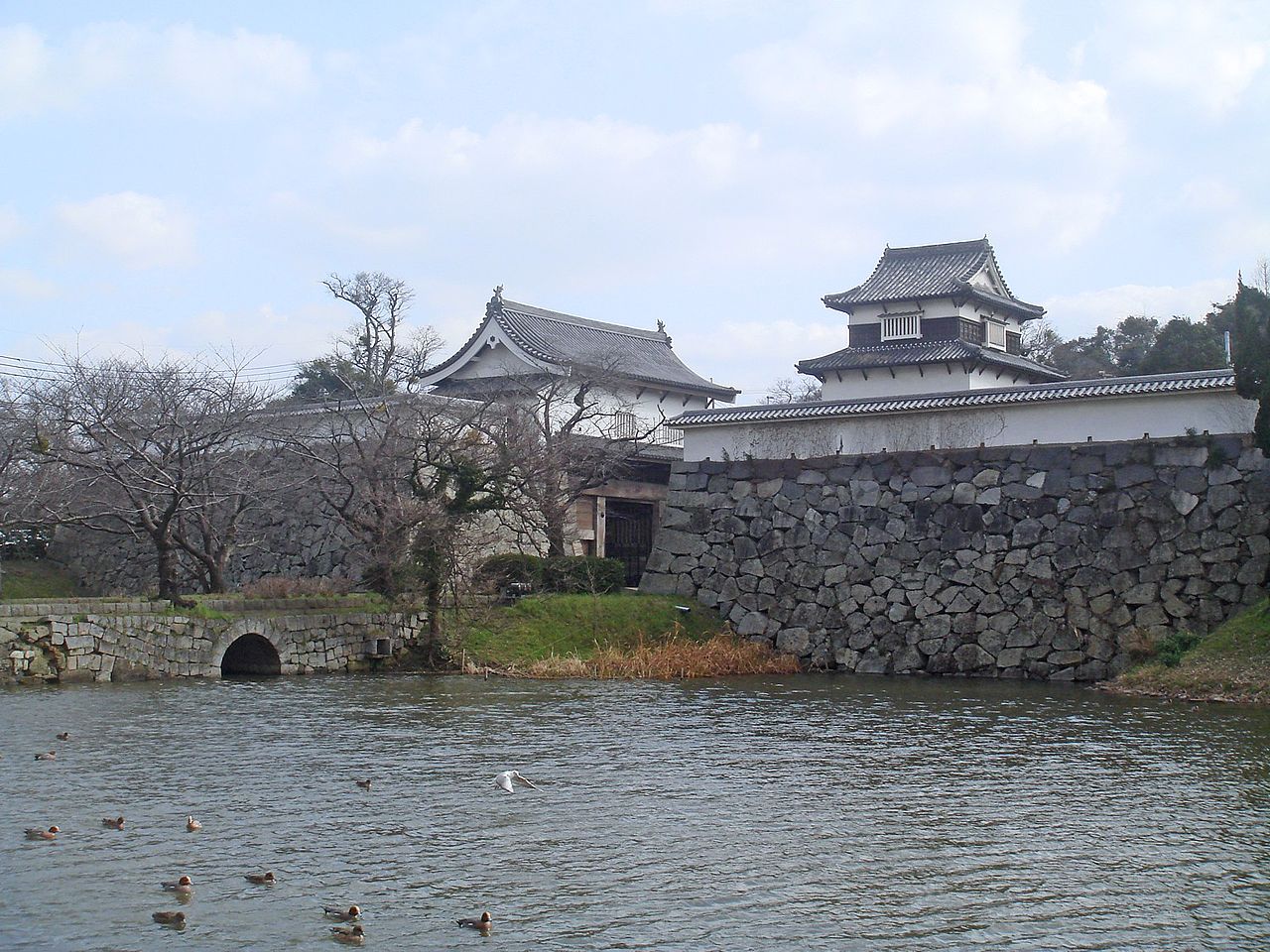
Ohori Park is the green heart of central Fukuoka, a broad expanse of water and lawn that residents treat as their communal back garden. Its name means "large moat," and that is exactly what it once was: the water here formed part of the defensive system of Fukuoka Castle, built by the daimyo Kuroda Nagamasa in the early 1600s. When the park was laid out in 1929, its designers took inspiration from the classic gardens of West Lake in Hangzhou, China, stringing a chain of small islands across the pond and linking them with elegant stone bridges. Today it is registered as a Place of Scenic Beauty.
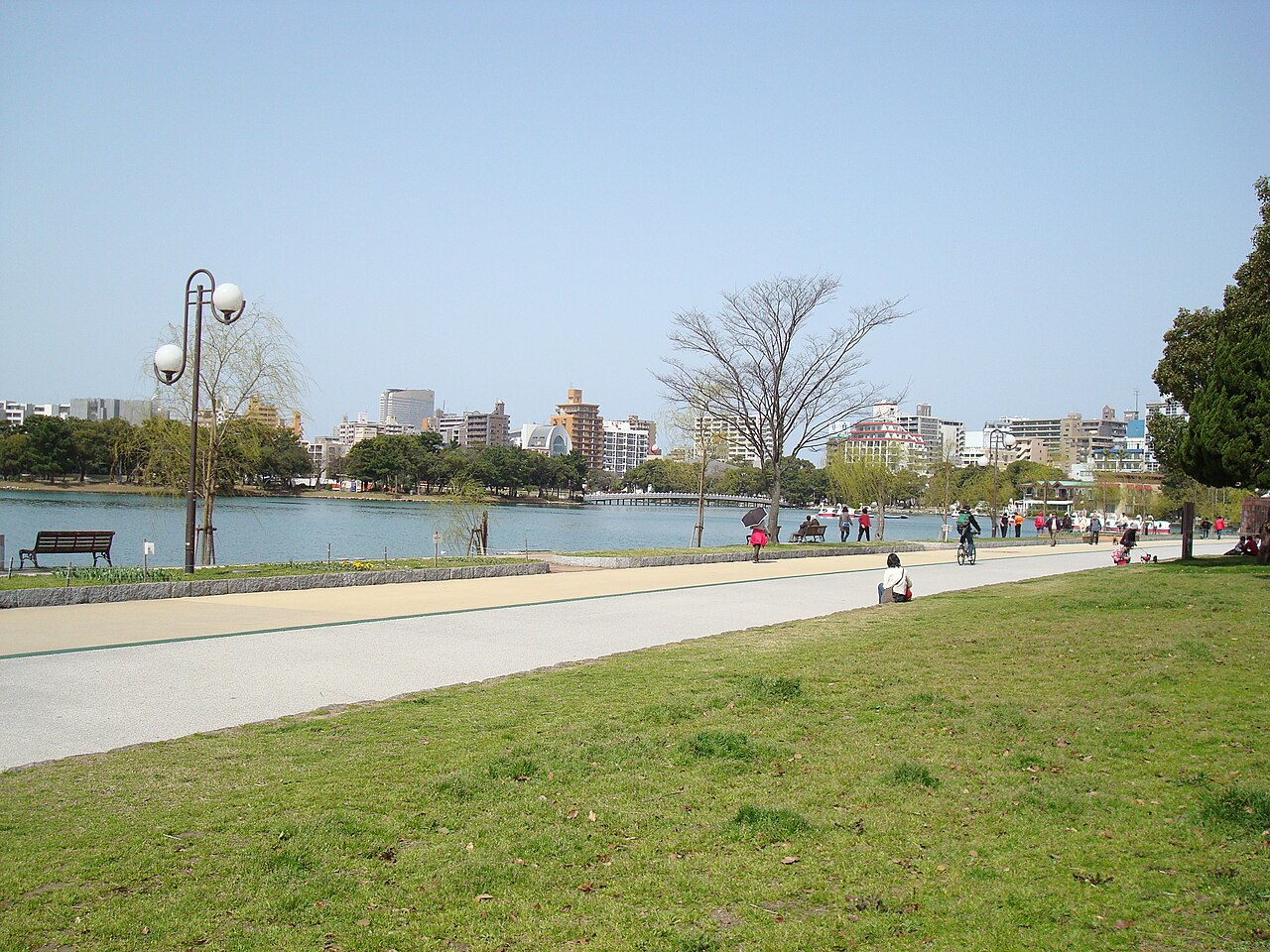
The park's defining feature is the great central pond, roughly a kilometre and a half around its edge. A flat, well-marked path circles the water and has become one of the city's most popular jogging and walking routes; you will see runners at dawn, families with strollers by midday, and couples watching the light fade in the evening. Crossing the water on the island bridges is the classic experience, with willows trailing into the pond and turtles basking on the rocks. Herons, cormorants and flocks of ducks make the park a quiet haven for birdwatchers in the middle of a busy city.
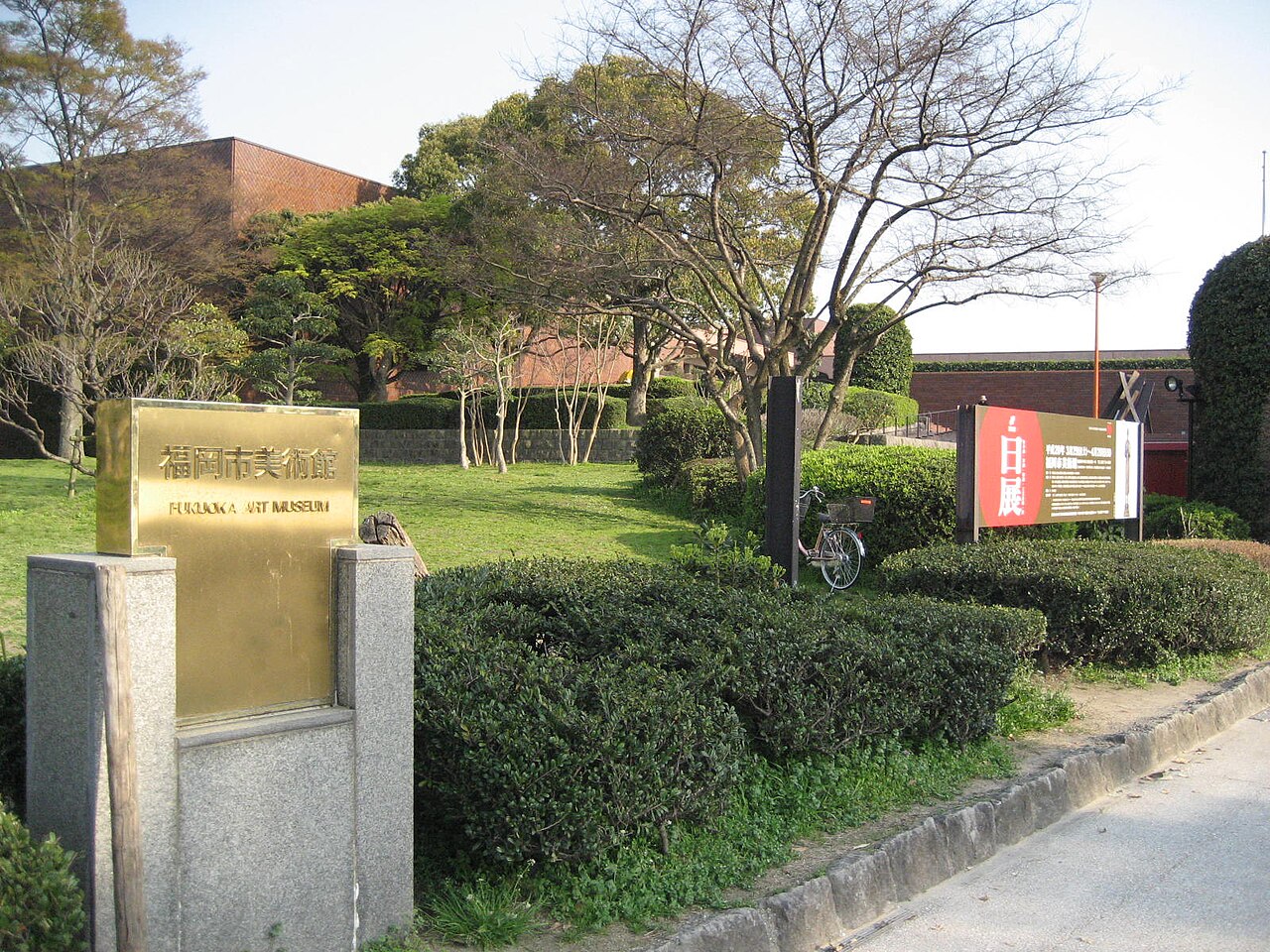
Tucked into the southeast corner is the Ohori Park Japanese Garden, a separate ticketed enclosure (a few hundred yen) opened in 1984 to mark the park's fiftieth anniversary. Compact but exquisitely composed, it gathers a dry karesansui gravel garden, a pond-and-stream stroll garden and a tea house within its walls, and it is one of the best places in Fukuoka to slow down. Nearby stand the Fukuoka Art Museum, whose collection ranges from Buddhist sculpture to Dali and Warhol, and the ruined stone walls of Maizuru Park, so the area rewards a longer visit.
Spring is the showpiece season. In late March the cherry trees around the water and in adjacent Maizuru Park erupt into bloom, and the banks fill with hanami picnickers. Summer brings a spectacular fireworks festival over the pond, one of Fukuoka's largest, while autumn tints the maples in the Japanese garden. Even in the depths of winter the park stays appealing, with clear reflections of the sky on still mornings.
Getting there could hardly be easier. The Kuko (Airport) subway line stops at Ohorikoen Station, and exits deliver you straight to the water's edge; the ride from Hakata Station takes only about twelve minutes, and Tenjin, the downtown shopping district, is just a couple of stops away. There is a Starbucks with a terrace over the pond, several small cafes, and clean restrooms around the loop. Because it is free, open around the clock and endlessly photogenic, Ohori Park is the ideal first stop for orienting yourself in Fukuoka, whether you have twenty minutes between trains or a whole lazy afternoon.
A local's tip
Rent a swan pedal boat or rowboat at the boathouse, then time your loop so you finish on the west bank for the sunset over the water and the Fukuoka Tower skyline behind it.
Best time to visit
Early morning or sunset; late March for cherry blossoms
Getting there
Take the Kuko (Airport) subway line to Ohorikoen Station; exits 3 and 6 open right onto the park. From Hakata Station it is about 12 minutes by subway.
Good to know
- Cafe
- Wi-Fi
- Restrooms
- Boat rental
Plan the whole trip offline
Ohori Park is one of many places in the Real Japan app — with turn-by-turn directions, nearby spots and full offline maps you can use with no signal.