Fukuoka's flagship art museum in Ohori Park, blending ancient Buddhist treasures with Dali, Warhol and Kusama.
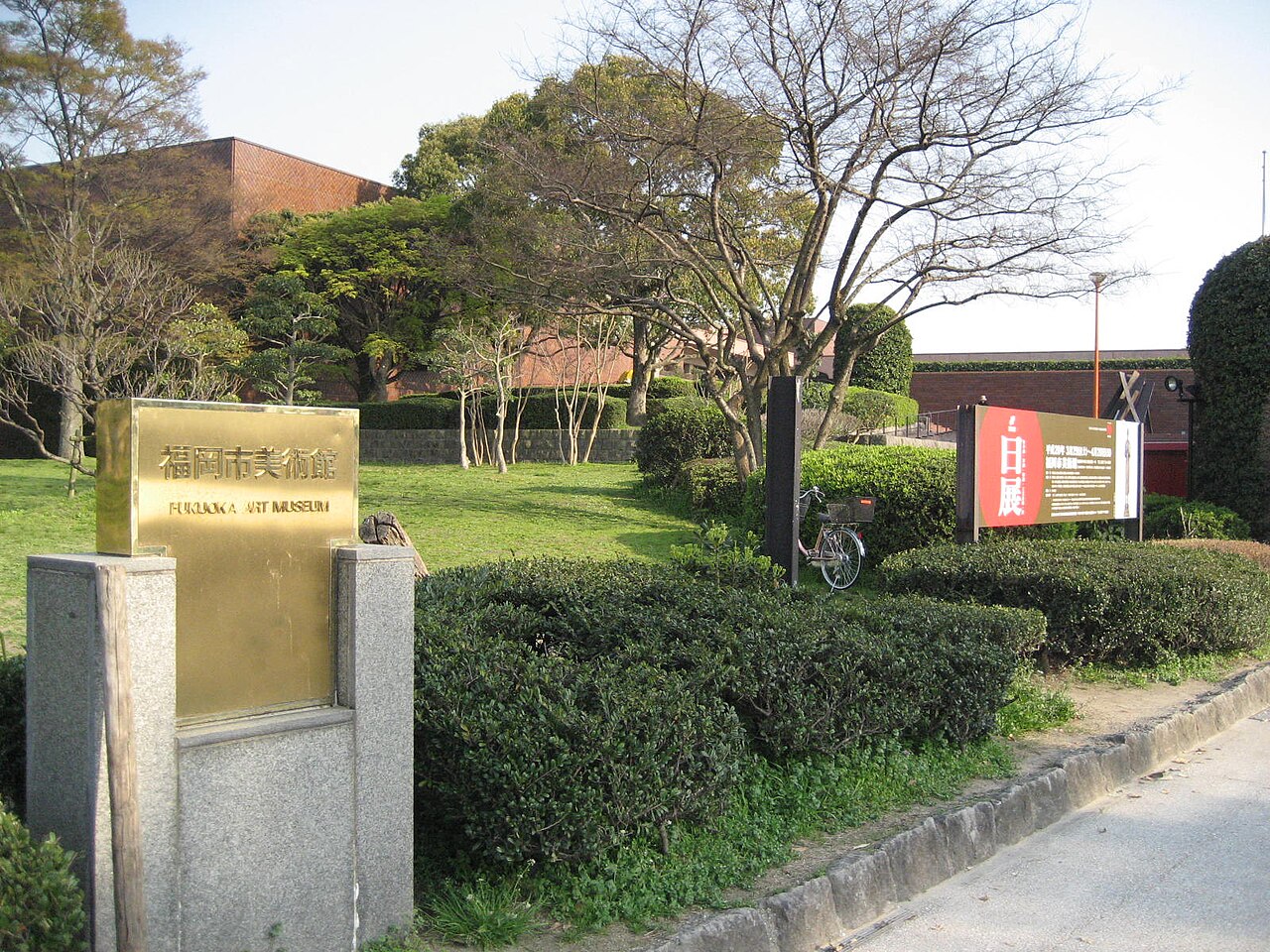
The Fukuoka Art Museum is the city's flagship art collection, set on the green southeastern edge of Ohori Park within the grounds of the former Fukuoka Castle. Opened in 1979 and reopened in 2019 after a major renovation, it occupies a handsome brick building designed by the celebrated architect Kunio Maekawa, a student of Le Corbusier whose warm modernism gives the galleries a calm, human scale.
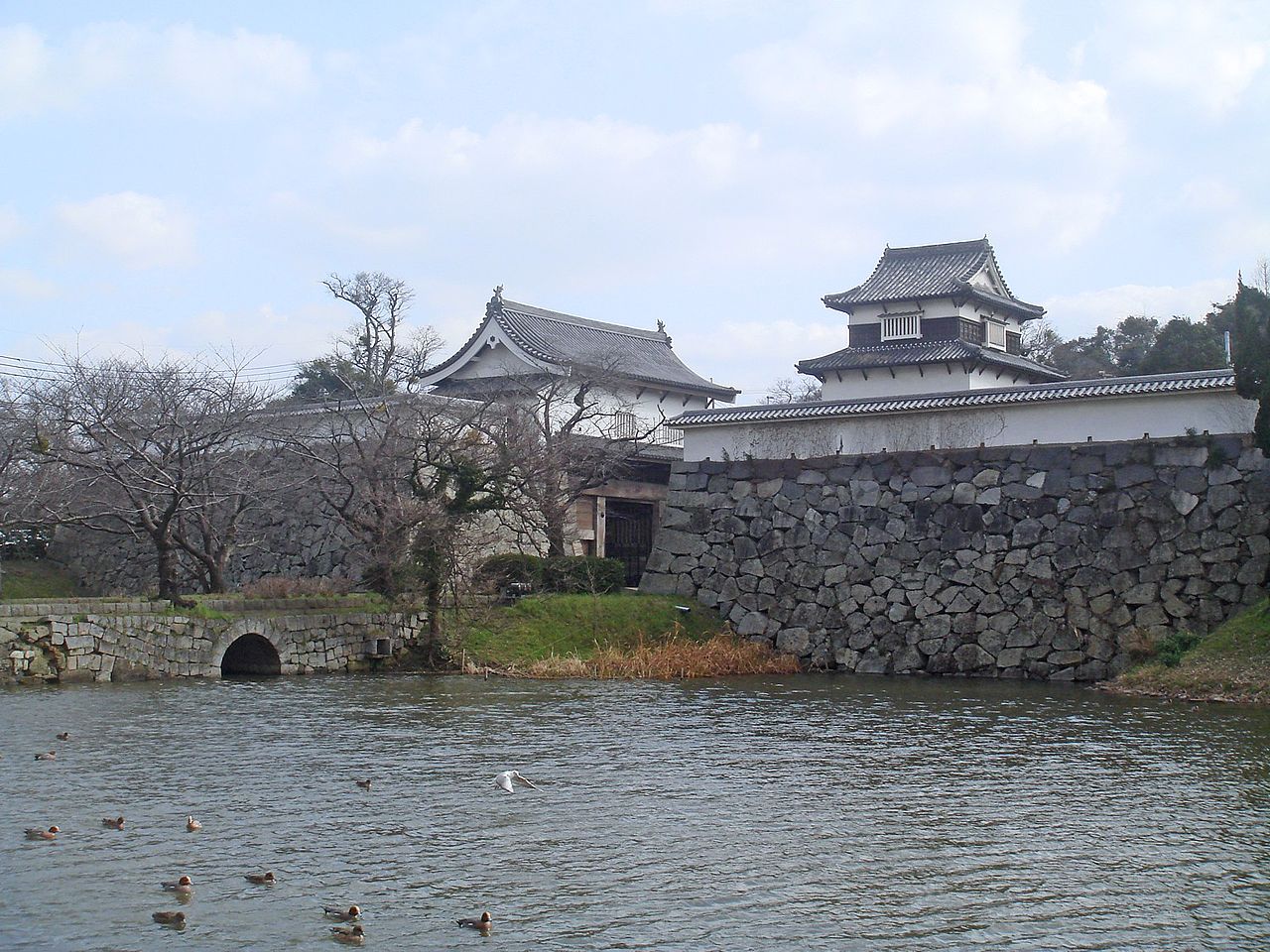
What makes the museum unusually rewarding is the breadth of its holdings, which span two very different worlds under one roof. On one side sit the ancient and pre-modern collections: Buddhist sculpture and paintings, tea-ceremony ceramics, and the treasures of the Kuroda family, the feudal lords who ruled Fukuoka from the castle whose moats still surround the park. On the other side is a strong modern and contemporary collection featuring international names such as Salvador Dali, Joan Miro, Marc Chagall and Andy Warhol, alongside major Japanese artists. The contrast between a serene medieval Buddhist statue and a bold twentieth-century canvas, encountered within the same visit, is part of the museum's charm.
The renovation modernised the lighting, circulation and public spaces while keeping Maekawa's distinctive architecture. Outdoor and lobby sculptures greet visitors before they even buy a ticket, most famously a bright yellow polka-dotted pumpkin by Yayoi Kusama that has become a favourite photo spot. Inside, the galleries are spacious, well lit and fully accessible, with lifts, ramps, English labelling on major works, a museum shop and a cafe overlooking the greenery.
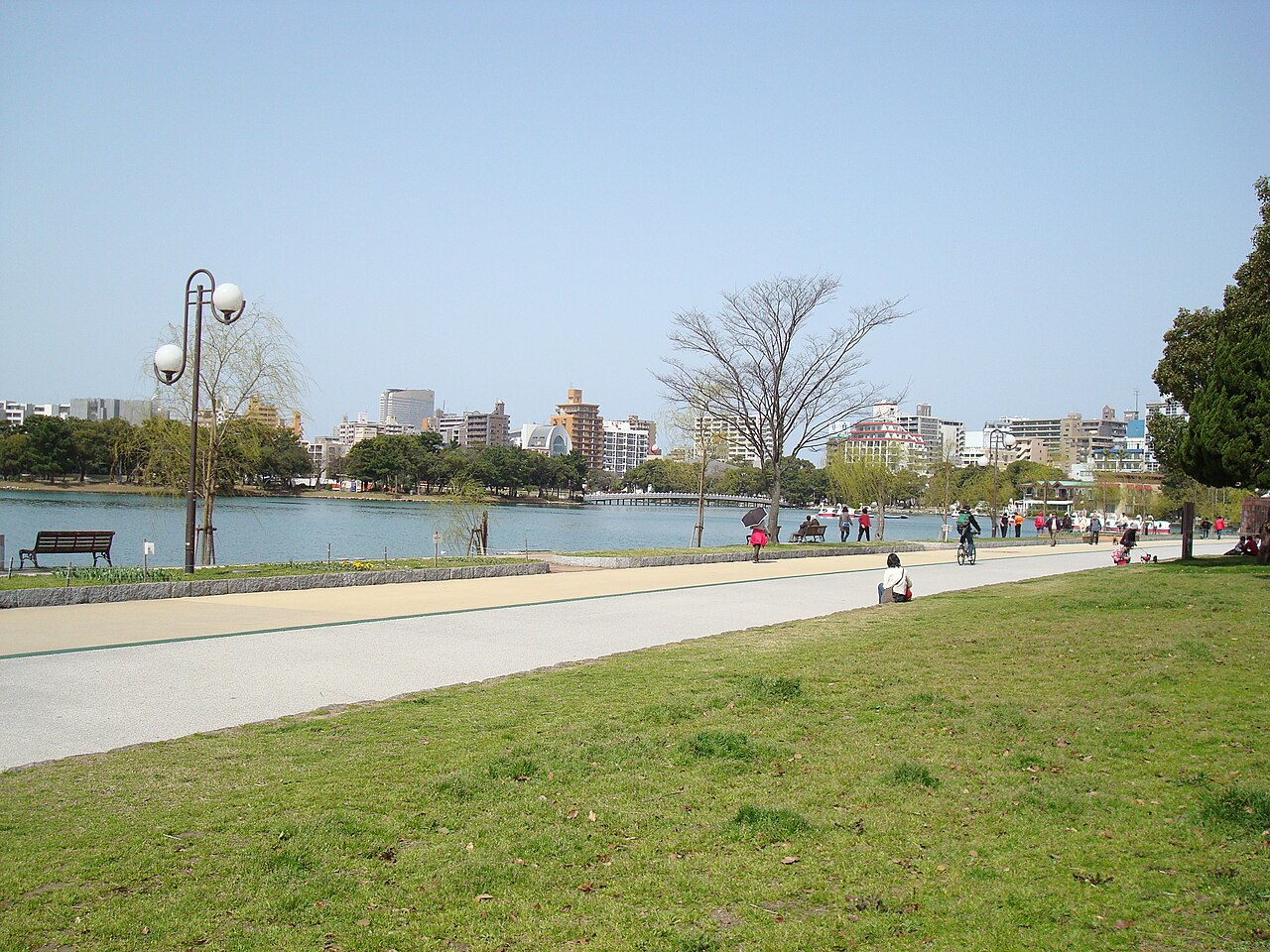
Admission to the permanent collection is very affordable, with special exhibitions ticketed separately, and most visitors spend around 90 minutes exploring. The museum's greatest asset, though, may be its setting. Ohori Park is one of Fukuoka's most beloved green spaces, built around a large lake left from the castle's outer moat, with a stone bridge path crossing island to island. Adjoining the museum is a fine traditional Japanese garden with raked gravel, ponds and tea-house views, and a short walk away are the stone ruins of Fukuoka Castle itself.
This makes the museum an ideal anchor for a relaxed half day. You might start with a morning stroll around the lake, tour the galleries, pause for tea in the Japanese garden, and finish by climbing the castle ruins for a view over the city. In spring the park's cherry blossoms are among the best in Fukuoka, and autumn brings warm colour to the maples, so the surrounding season often adds as much to the day as the art indoors.
Getting there is easy: from the city centre take the Kuko subway line to Ohorikoen Station, from where it is a pleasant ten-minute walk through the park to the museum. IC cards are accepted on the subway and at the ticket desk, and the flat park paths make the whole area comfortable for wheelchairs and strollers alike.
A local's tip
Look for Yayoi Kusama's yellow pumpkin sculpture near the entrance, then combine the visit with the adjacent Japanese garden and a loop of the Ohori Park lake path.
Best time to visit
Combine with a morning walk around Ohori Park
Getting there
Take the Kuko subway line to Ohorikoen Station and walk about 10 minutes into Ohori Park; the museum stands on the park's southeastern edge beside the old castle moat and gardens.
Good to know
- Cafe
- Wi-Fi
- Restrooms
- Wheelchair
- English signage
Plan the whole trip offline
Fukuoka Art Museum is one of many places in the Real Japan app — with turn-by-turn directions, nearby spots and full offline maps you can use with no signal.