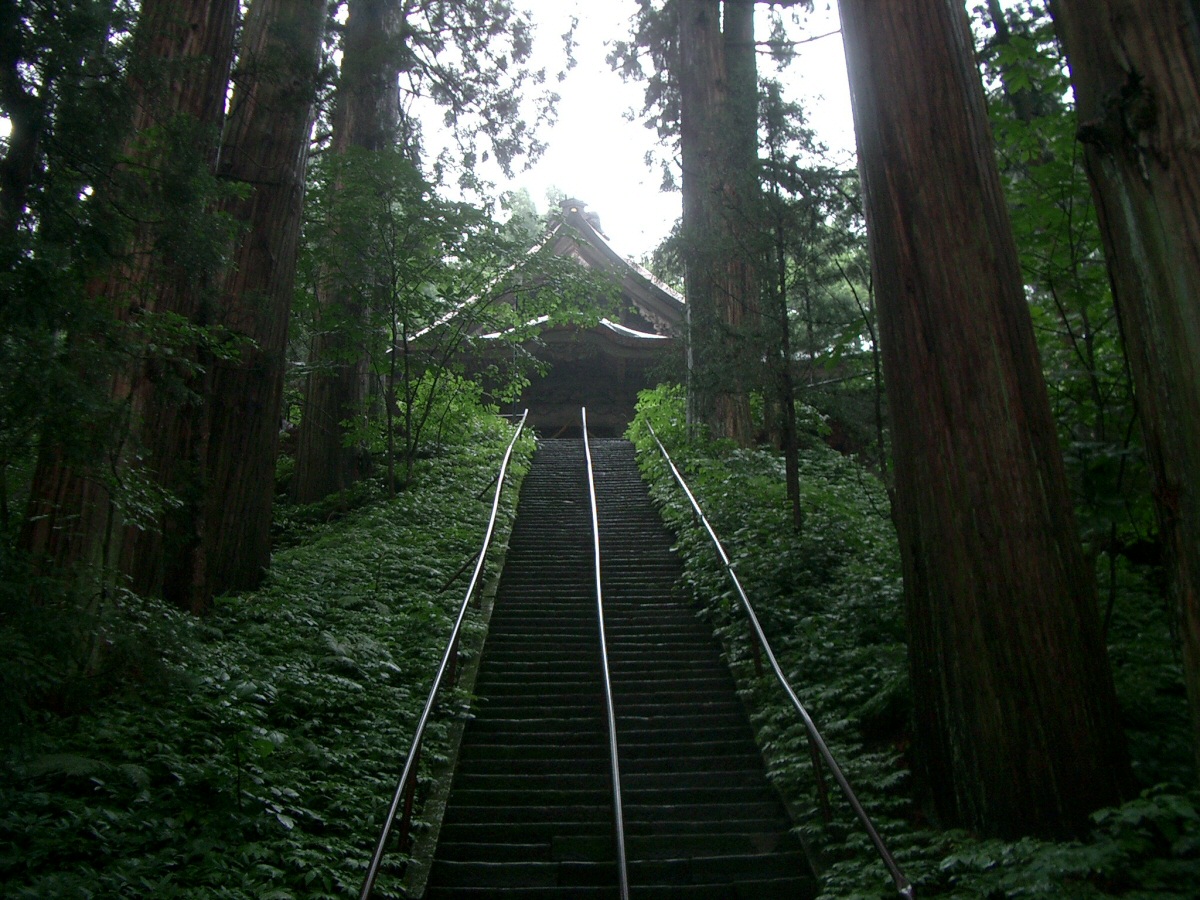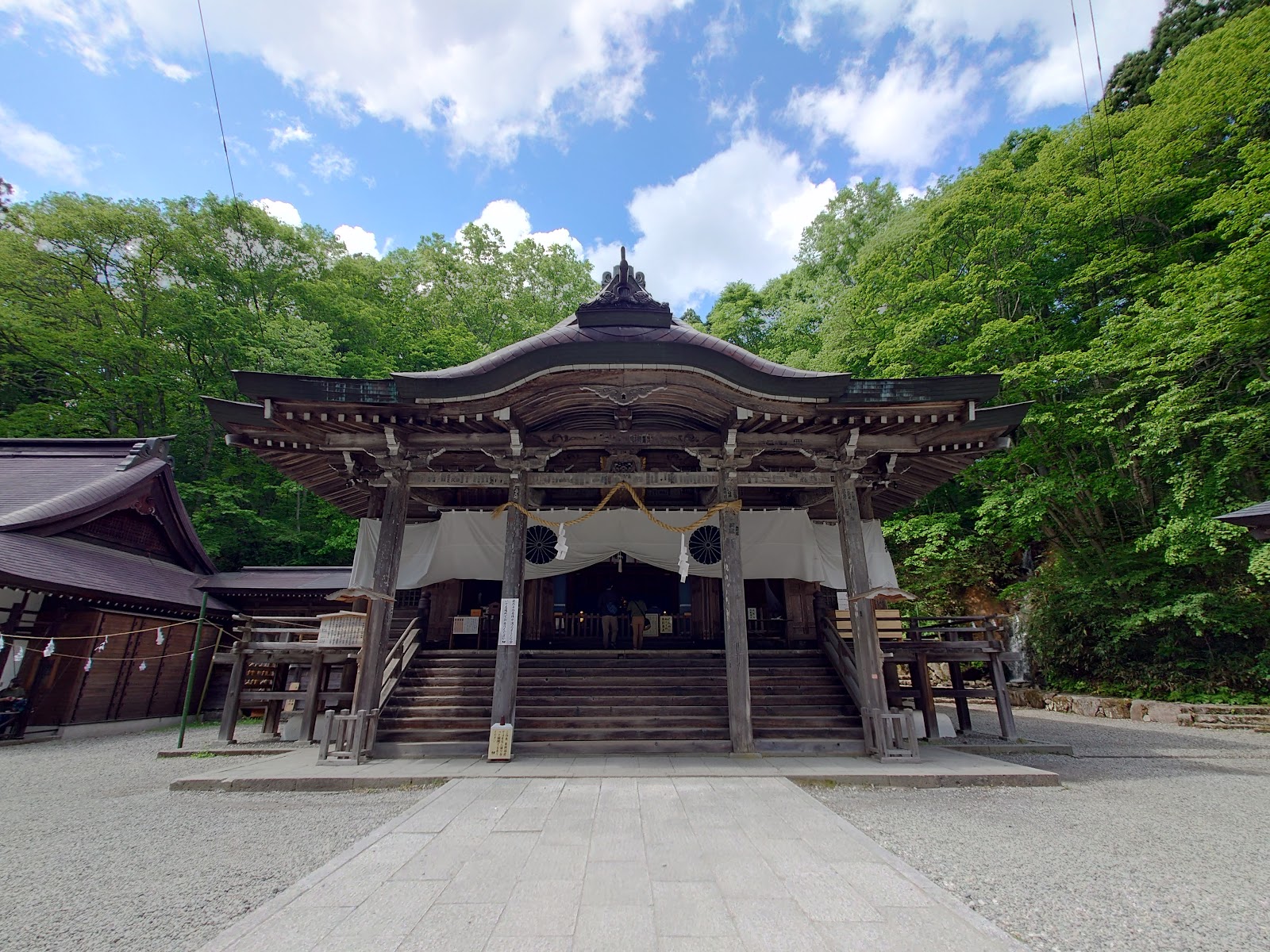
The middle shrine of Togakushi, ringed by 700-year-old cedars at the heart of the mountain soba village.
Togakushi Shrine Chusha, the middle shrine of the Togakushi Jinja complex, sits at the center of the atmospheric mountain village that shares its name, surrounded by soba restaurants, pilgrim lodgings and towering ancient trees. Easier to reach than the inner Okusha yet rich in its own sacred character, Chusha is the natural hub of a Togakushi visit and a place where mountain faith, folklore and highland cuisine come together beautifully.
The shrine enshrines Ame-no-Yagokoro-omoikane, the god of wisdom and the deity who, in Japanese mythology, devised the clever plan to lure the hidden sun goddess Amaterasu out of her cave and restore light to the world. Because of this connection, Chusha is revered as a shrine of intellect, learning and good ideas, and students and scholars come to pray for inspiration and success. The Togakushi shrines as a whole retell the myth of the heavenly cave across their five sites, with Chusha holding the pivotal figure of the god of ingenuity.
Chusha's grounds are guarded by immense cryptomeria cedars, several of them more than seven hundred years old. The most famous are the three great trees traditionally counted among the shrine's treasures, including a majestic specimen beside the stone steps and the celebrated Sanbon-sugi, a cluster of ancient cedars said to have grown from a single planting. Their massive trunks, thick with moss, lend the compact precinct a powerful sense of age and sanctity. A small waterfall and a vermilion torii complete a scene that is especially striking when framed by fresh green in summer or fiery maples in autumn.
The village around Chusha is renowned throughout Japan for Togakushi soba, ranked among the country's three greatest soba traditions. The cool climate and pure mountain water produce buckwheat of exceptional quality, and the local style of serving the noodles in small coiled bundles called bocchi-mori is a regional specialty. Dozens of soba shops cluster near the shrine, and pausing for a bowl after paying respects is an essential part of the Togakushi experience.
Chusha also serves as a convenient base for exploring the wider Togakushi highlands. The forested walking trails, the mirror-like Kagami-ike pond, the ninja museum and the long cedar avenue leading to Okusha are all within reach, and energetic visitors can follow the pilgrim path that links the five shrines on foot. In winter the area transforms into a quiet snow-covered retreat with a small ski field nearby.
Getting to Chusha is simple compared with the inner shrine: an Alpico bus from Nagano Station climbs into the mountains in about fifty-five minutes and stops right in the shrine village, with the torii just a short walk uphill. Allow around forty-five minutes for the shrine itself, and far longer if you plan to slurp soba, wander the cedar-lined lanes and continue on to the other Togakushi shrines. Summer greenery and autumn color are the loveliest seasons, though the ancient trees and mountain stillness reward a visit at any time of year.
A local's tip
The three giant sacred cedars around Chusha are over 700 years old — find the pair known as the Sanbon-sugi that frame the approach, and eat soba at one of the village shops right by the torii.
Best time to visit
Autumn; summer
Getting there
From Nagano Station take the Alpico bus bound for Togakushi (about 55 minutes) to the Chusha stop, which sits right in the shrine village. The shrine is a few minutes' walk uphill from the bus stop.
Good to know
- Wi-Fi
- Parking
- Restrooms
Plan the whole trip offline
Togakushi Shrine Chusha is one of many places in the Real Japan app — with turn-by-turn directions, nearby spots and full offline maps you can use with no signal.