A five-part mountain shrine reached through an avenue of 400-year-old giant cedars, steeped in ninja and creation myth.
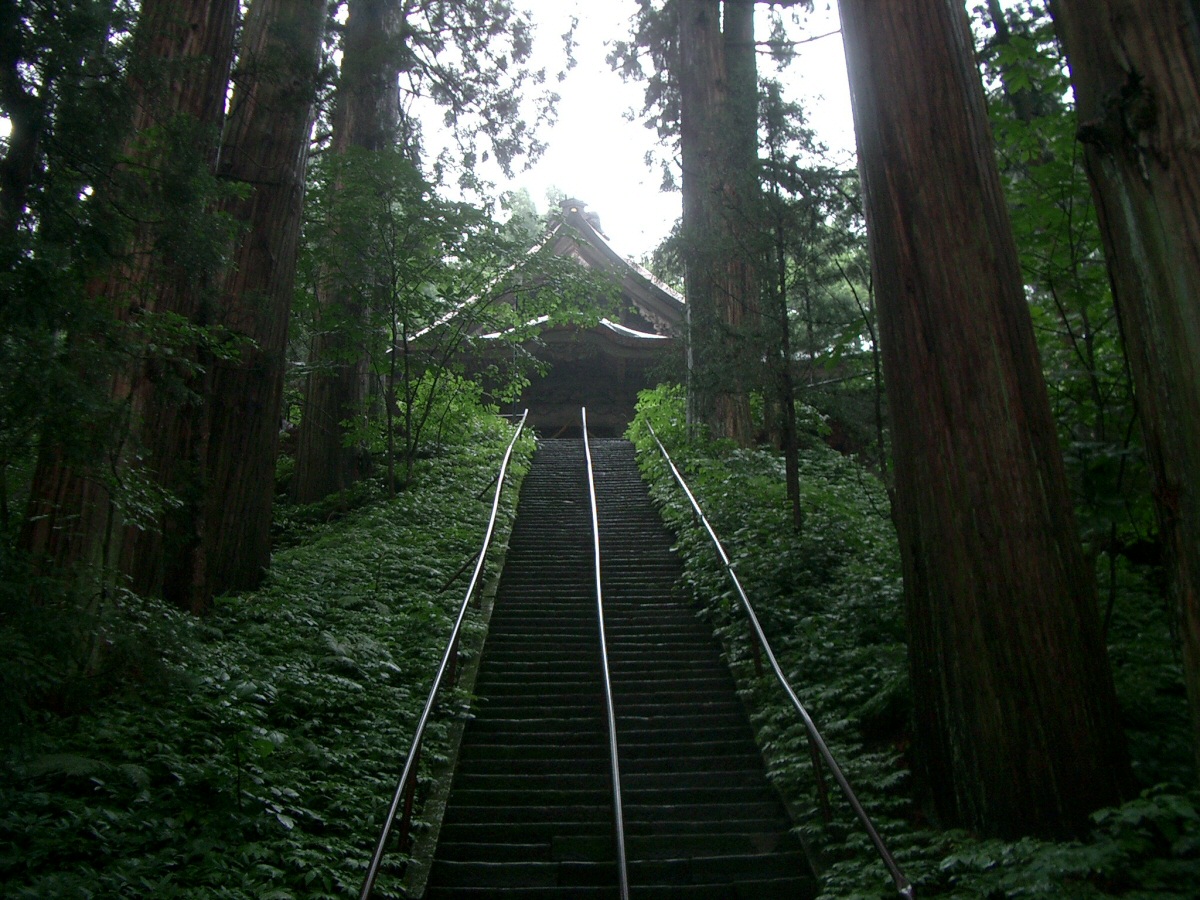
Togakushi Shrine sits high in the forested mountains northwest of Nagano city, a complex of five separate shrines scattered across the slopes of Mount Togakushi. Its origins reach back over two thousand years and are bound up with one of Japan's central myths: the story of the Ama-no-Iwato, the rock cave into which the sun goddess Amaterasu retreated, plunging the world into darkness. According to legend, the god Ame-no-Tajikarao hurled the great stone door of that cave here, where it became the mountain itself — and the shrines honor the deities who lured Amaterasu back and restored the light.
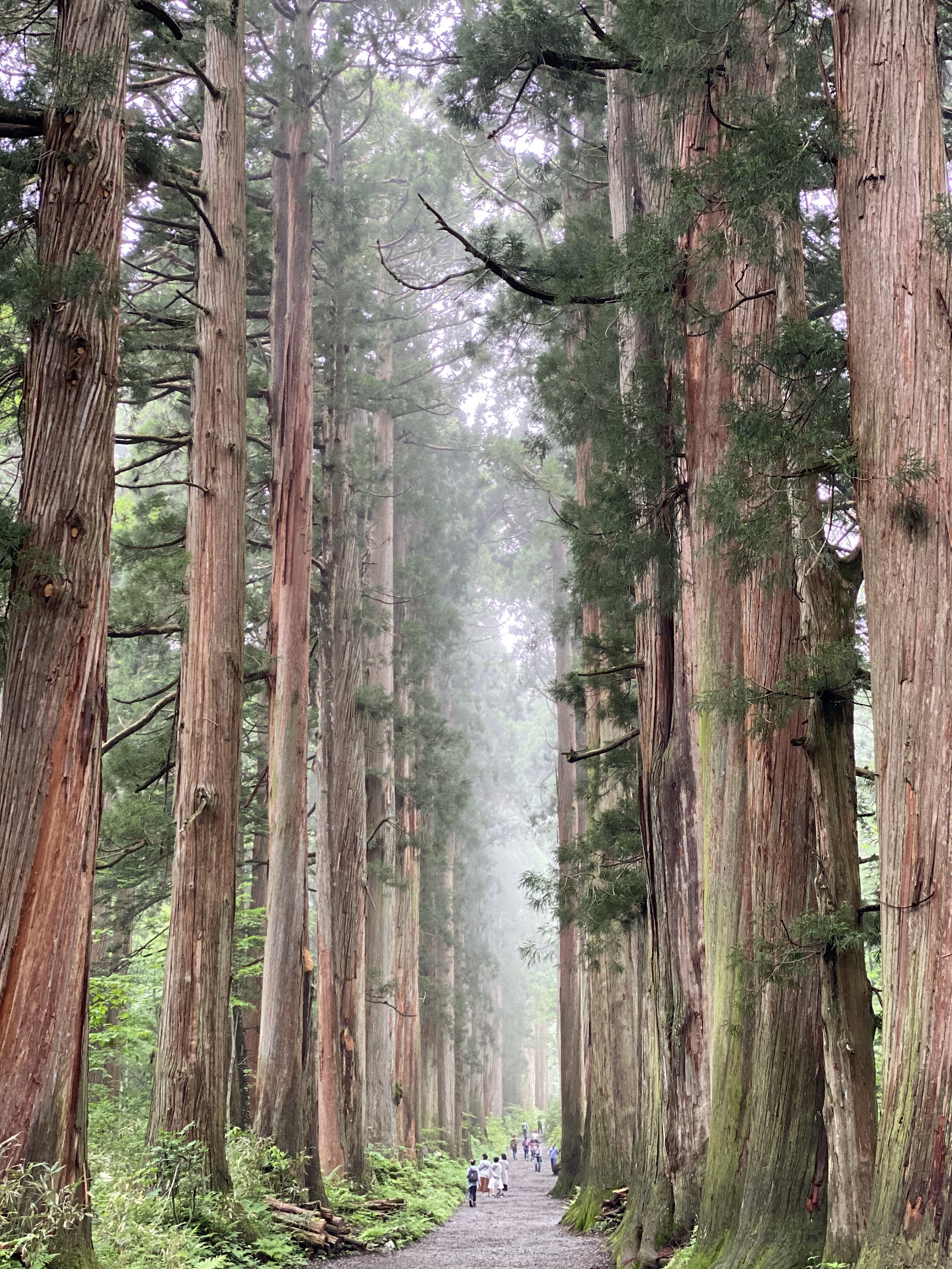
The five shrines — Hokosha, Hinomikosha, Chusha, Kuzuryusha, and the mountaintop Okusha — are meant to be visited as a pilgrimage on foot. The undisputed highlight is the approach to the Okusha, the inner shrine. After passing through the Zuishinmon gate, the path becomes an avenue of towering Japanese cedars, many over 400 years old and planted in the Edo period, their trunks rising like the columns of a natural cathedral. In fresh snow or morning mist the effect is otherworldly, and the avenue regularly appears on lists of Japan's most beautiful walking paths.
Togakushi is also famous as a cradle of the Togakure-ryu school of ninjutsu, and the surrounding area leans into that heritage with a ninja museum and children's obstacle courses. More seriously, the mountains were a major center of Shugendo, the syncretic mountain asceticism that blended Shinto, Buddhism, and folk belief; wandering yamabushi monks trained on these peaks for centuries.
No visit is complete without Togakushi soba, considered among the finest buckwheat noodles in Japan. The cool climate and clean mountain water produce firm, fragrant noodles, traditionally served in small coiled bundles called bocchi-mori. Dozens of soba restaurants cluster near the Chusha shrine, many run by families who have milled and cut noodles for generations.
The walk to the Okusha and back takes a couple of hours and involves a steady uphill stretch near the top, so wear proper shoes; in winter the upper path can require snowshoes. Along the way, don't miss Kagami-ike, the nearby Mirror Pond that reflects the jagged Togakushi ridgeline on still days.
To reach the shrines, take the Alpico bus from Nagano Station, a scenic hour-long climb into the highlands; the bus stops serve the Hokosha, Chusha, and Okusha entrances so you can walk the shrines in sequence. The area is best combined with an overnight stay in one of the highland guesthouses to slow down and appreciate the mountain air, the soba, and the quiet after the day-trippers leave. Spring arrives late and the autumn colors are spectacular, but many visitors find the deep-winter cedar avenue, silent and white under fresh snow, the most unforgettable sight of all, and it is worth planning a trip around that season.
A local's tip
Walk the full 2 km cedar avenue to the Okusha rather than driving between shrines — the giant sugi trees are the whole point.
Best time to visit
Summer and autumn; the cedar avenue is stunning in fresh snow
Getting there
Take the Alpico bus from Nagano Station bound for Togakushi (about 60 minutes) to the Okusha-iriguchi or Chusha stops.
Good to know
- Wi-Fi
- Restrooms
- Soba shops
Plan the whole trip offline
Togakushi Shrine is one of many places in the Real Japan app — with turn-by-turn directions, nearby spots and full offline maps you can use with no signal.