Renowned soba house by Togakushi Shrine serving handmade Togakushi soba in the coiled 'bocchi' style.
Uzuraya is one of the most celebrated soba restaurants in Togakushi, the highland shrine village north of Nagano city that is counted among the three great soba regions of Japan. Set close to the Chusha, the middle of Togakushi Shrine's five sites, Uzuraya has built a reputation over decades for handmade buckwheat noodles of exceptional quality, and the queues that form outside it — sometimes well before opening — are testament to how seriously visitors take the pilgrimage to eat here.
Nagano, historically the province of Shinano or Shinshu, is Japan's spiritual home of soba. Its cool climate and mountain slopes are ideal for buckwheat, and the region's dry highland air and pure water are said to produce noodles of unusual fragrance and firmness. Togakushi soba in particular is prized, and it is traditionally served in a distinctive presentation called 'bocchi mori': the noodles are arranged in several small coiled bundles on a woven bamboo basket, drained but not rinsed dry, so their delicate texture and aroma come through. At Uzuraya the soba is made from carefully sourced buckwheat, stone-ground and hand-cut, with the nutty, faintly sweet flavour of good Shinshu buckwheat front and centre. Eaten cold as zaru or seiro soba with a robust dipping sauce, wasabi, and scallions, it is the purest way to appreciate the craft.
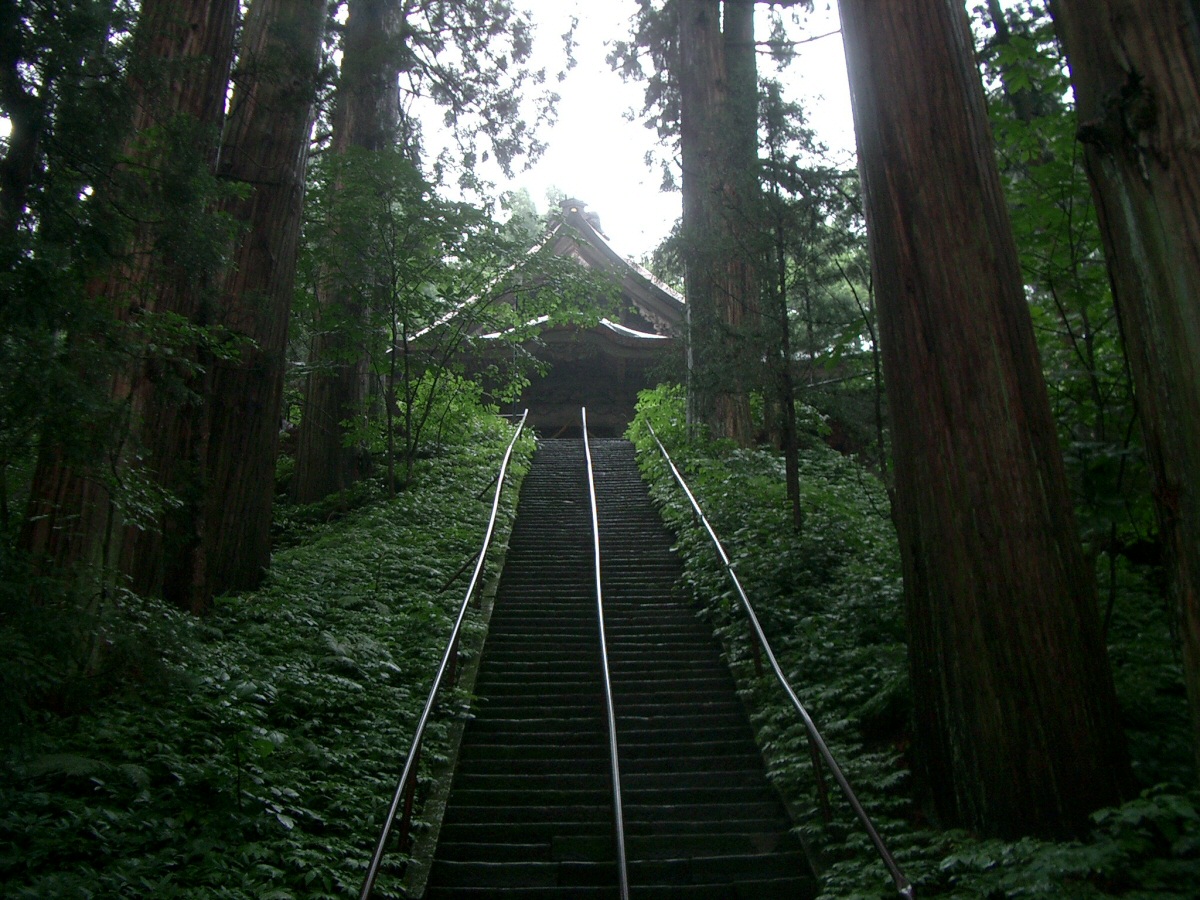
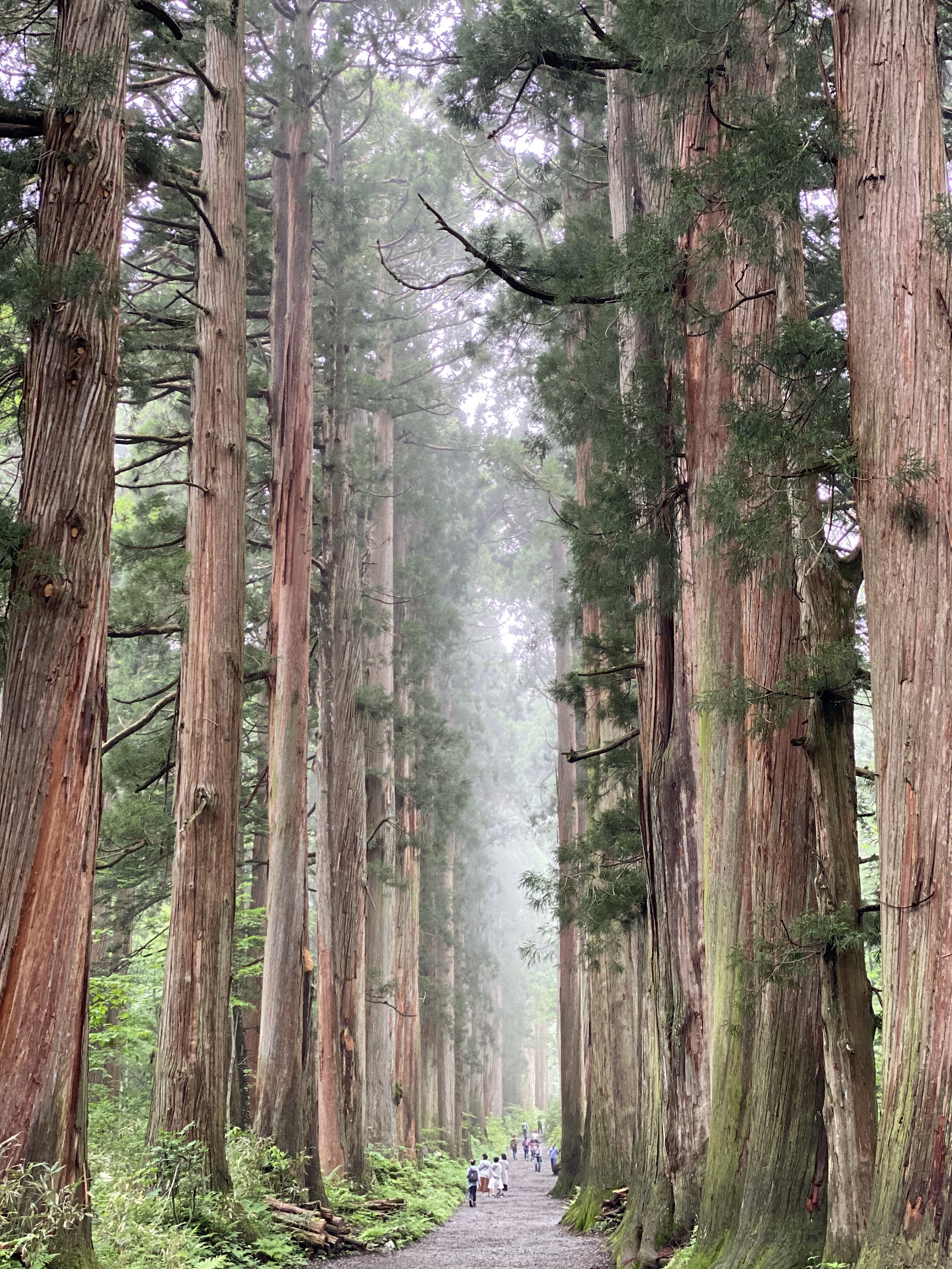
The setting is a large part of the pleasure. Togakushi sits high in the mountains, wrapped in cedar forest and steeped in legend — the shrine is tied to the myth of the Sun Goddess and the cave from which she was coaxed, and its avenue of towering ancient cryptomeria trees leading to the upper shrine is one of the most atmospheric walks in Japan. Combining a hike between the shrines with a bowl of Uzuraya's soba is a classic Nagano day out, and in autumn the surrounding forests blaze with colour, making the noodles taste even better after a crisp mountain walk.
Because the shop makes a limited quantity of noodles each day and does not reopen once it sells out, it keeps short hours and often closes in the afternoon; arriving by late morning is essential, especially on weekends and during the autumn foliage season, when Togakushi is at its busiest. The wait can be long, but regulars consider it part of the ritual, and the reward is a bowl of soba widely regarded as among the best in the country.
Togakushi is reached from Nagano Station by the Alpico bus, a scenic climb into the highlands that is not covered by the Japan Rail Pass, though Nagano itself is an easy shinkansen hub. Many visitors pair Uzuraya with the shrine walk, the nearby Togakushi ninja museum, or the Kagami-ike mirror pond. For travellers who want to understand why Nagano and soba are so tightly linked, a tray of Uzuraya's fragrant, hand-cut buckwheat noodles, eaten in the cedar-scented air of Togakushi, is the definitive experience.
A local's tip
Order 'zaru soba' to taste the buckwheat at its purest, served in the local 'bocchi mori' style — small coiled bundles on a bamboo tray. Arrive before noon, as Togakushi's famous soba shops routinely sell out.
Best time to visit
Late morning; it sells out and closes early
Getting there
In the highland village of Togakushi, near the Togakushi Shrine Chusha (middle shrine). From Nagano Station take the Alpico bus toward Togakushi and alight near Chusha; the shop is a short walk away.
Good to know
- Parking
- Restrooms
- Table seating
Plan the whole trip offline
Uzuraya Soba is one of many places in the Real Japan app — with turn-by-turn directions, nearby spots and full offline maps you can use with no signal.