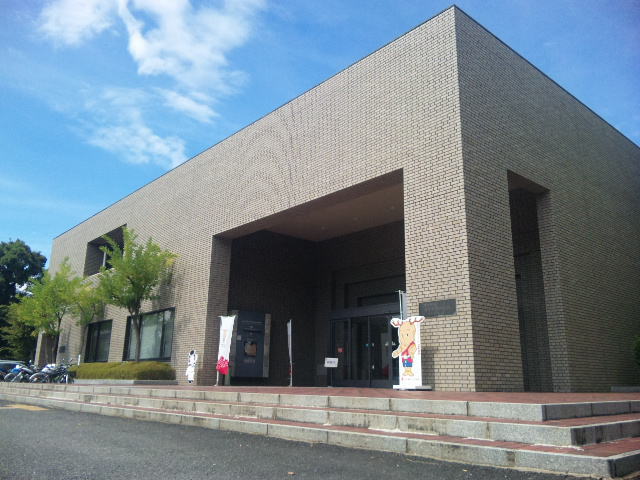
Nara Prefecture's leading archaeology museum, tracing the Yamato heartland from the Stone Age through the Kofun era.
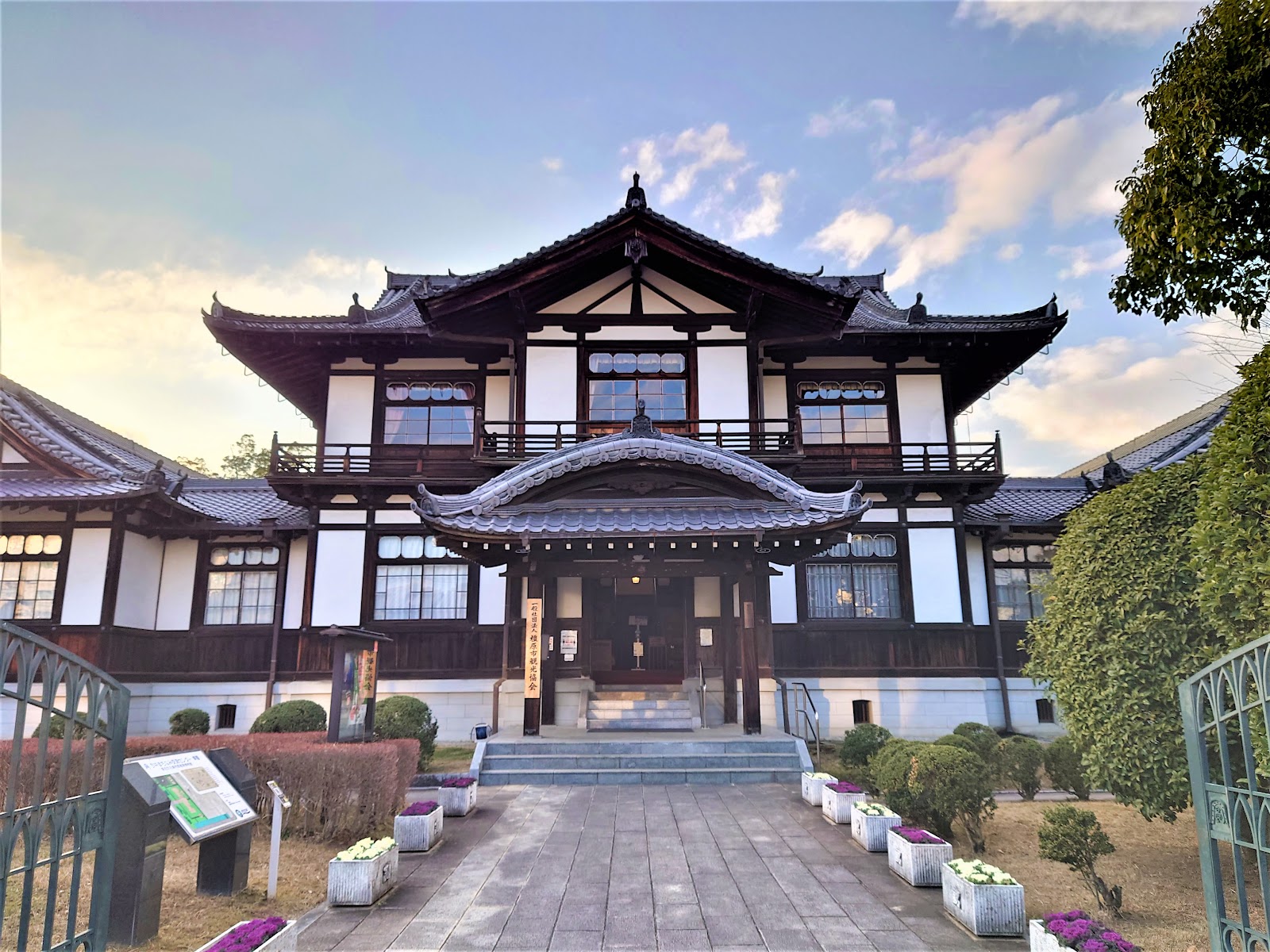
The Museum of the Archaeological Institute of Kashihara is the finest place in Japan to understand the ancient Yamato region, the heartland where the Japanese state first took shape. Located in Kashihara in southern Nara Prefecture, it is the public face of a distinguished research institute that has excavated tombs, palaces and settlements across the prefecture for generations, and its galleries hold many of the most important finds unearthed from Nara's soil.
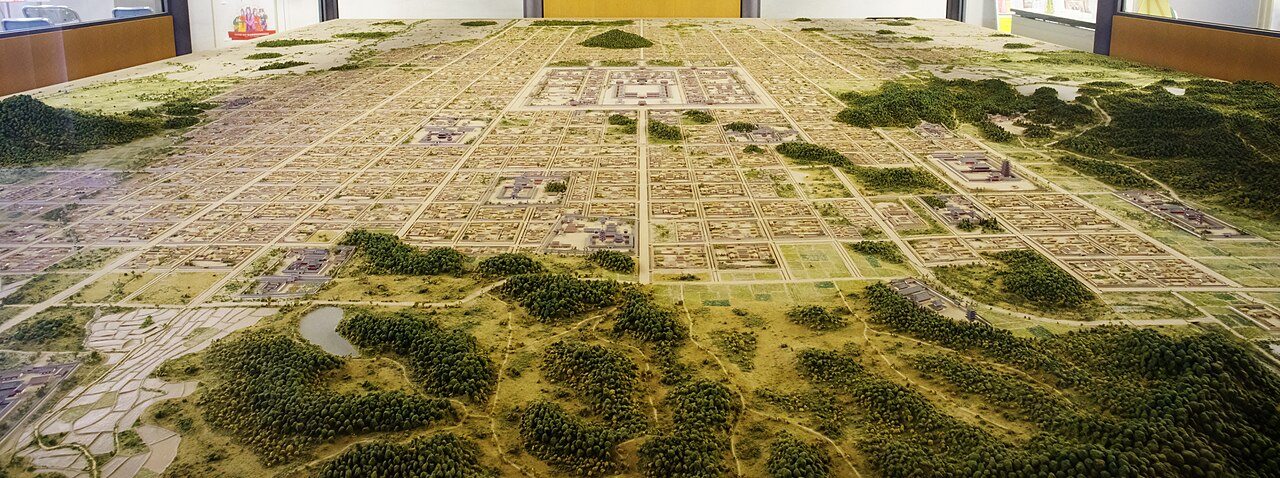
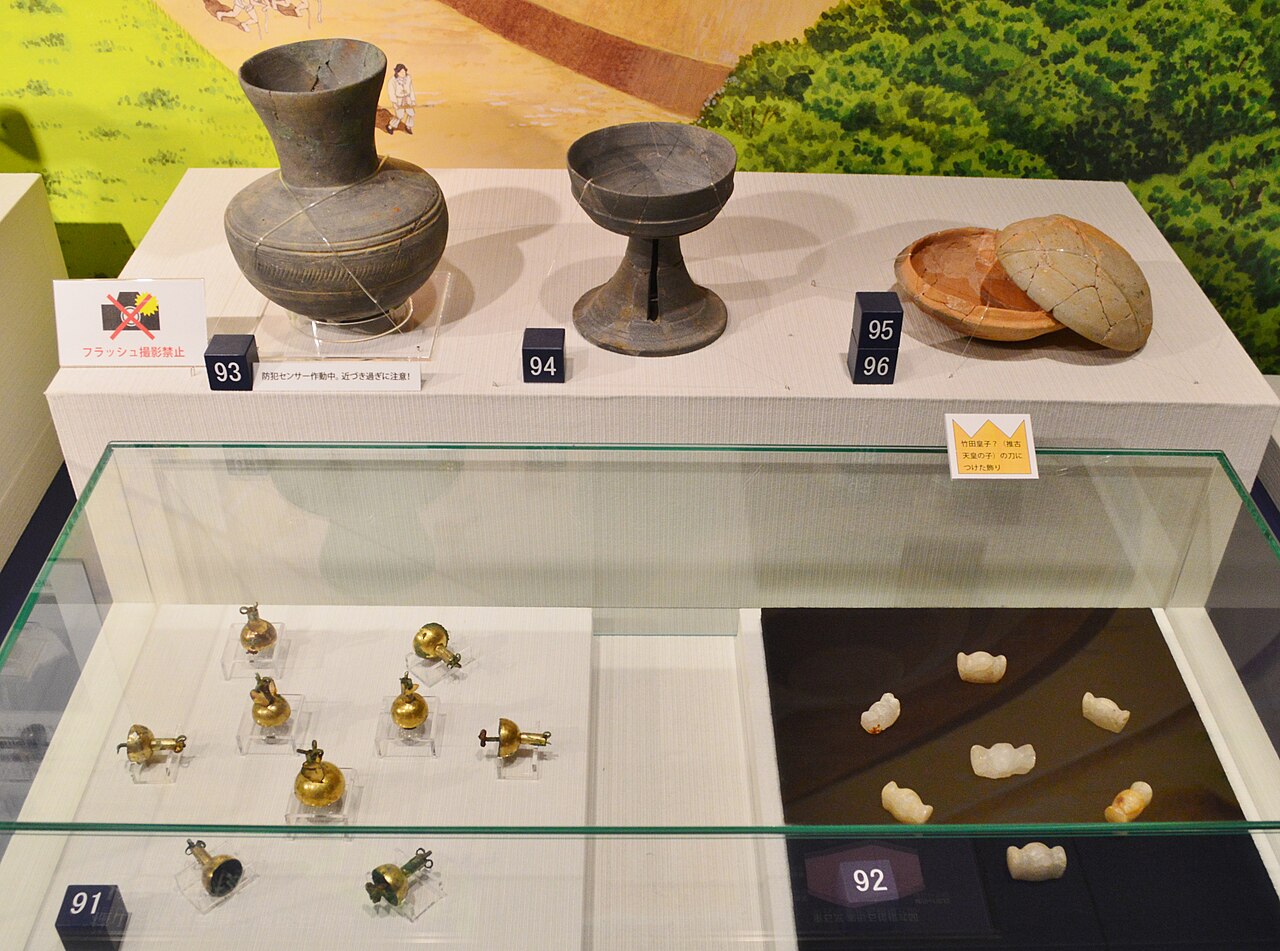
First opened under an earlier name in 1940, the museum presents the human story of the Nara basin from the Late Stone Age, around 40,000 years ago, through to the Muromachi period. Its exhibits are arranged chronologically across three main rooms. The first covers the hunter-gatherer Jomon period and the rice-farming Yayoi period, with stone tools, pottery and the earliest traces of settled life. The second is devoted to the Kofun period, the age of the great keyhole-shaped burial mounds, and here the museum truly shines: bronze mirrors, iron weapons, gilded ornaments, and above all the clay haniwa figures — horses, houses, warriors and attendants — that once ringed the tombs of Yamato's rulers. The third room carries the story onward through the Asuka, Nara, Heian and later periods, showing how the region evolved from a landscape of tombs into an imperial capital.
What makes the museum so valuable to a traveller is context. Nara Prefecture is scattered with burial mounds, ancient palace sites and mysterious carved stones, but on the ground many of these are simply grassy hills or fenced fields. The Kashihara museum gathers the treasures that came out of them and explains what they meant, so that a visit here transforms every tomb and ruin you later encounter into something legible. Serious history enthusiasts often rank it among the best archaeology museums in Japan, and its displays are generous, well-lit and increasingly well-signed in English.
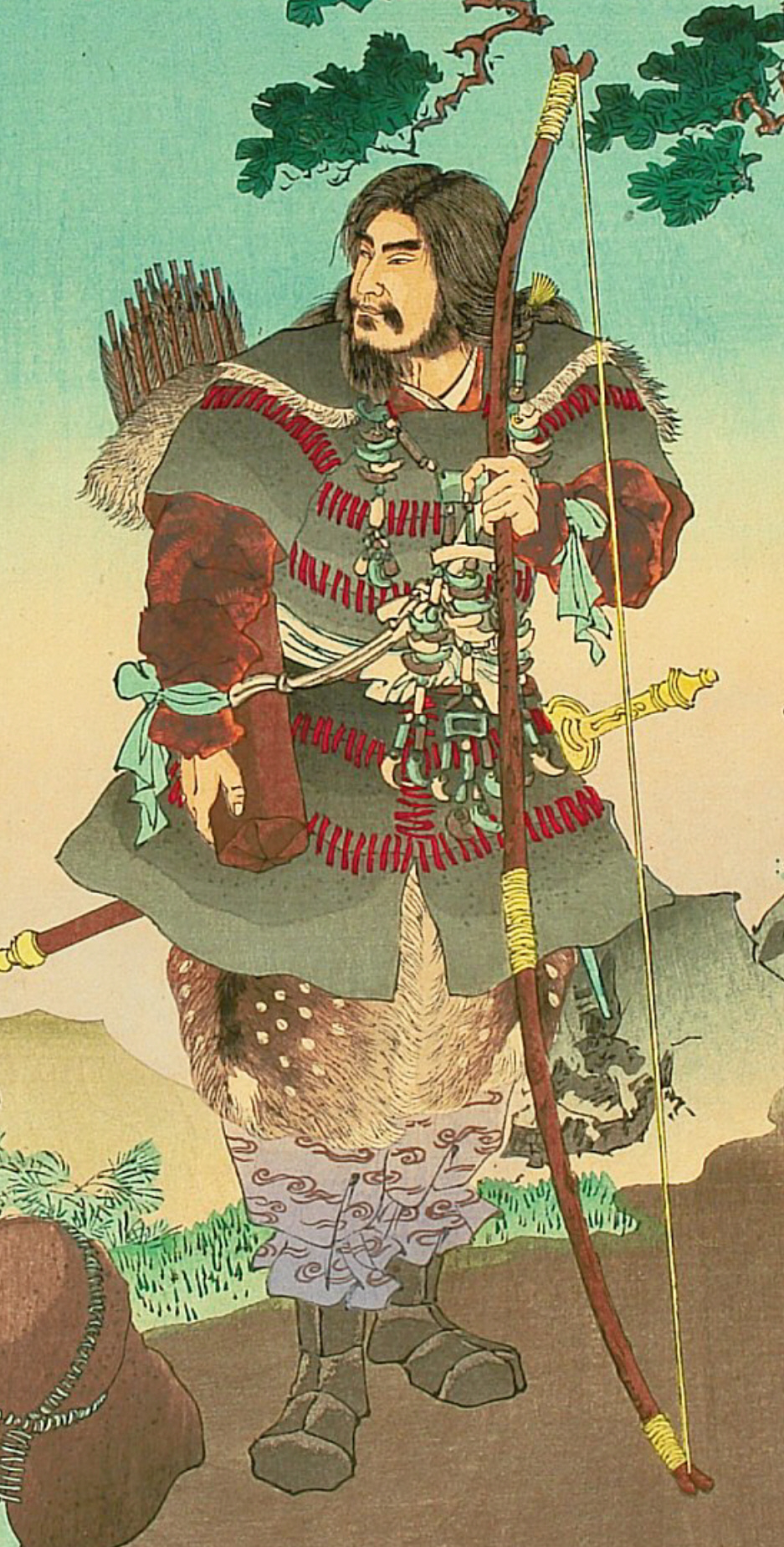
The museum is easy to enjoy in about ninety minutes, longer for the truly curious. It is fully accessible, with level floors, lifts and ample parking, and a shop sells scholarly publications on Yamato archaeology. Its location places it within easy reach of Kashihara Shrine, the legendary site of Japan's first emperor, and of the Asuka valley with its tombs and temples, making it a natural anchor for a day exploring the ancient south of the prefecture.
The museum is worthwhile in any season. To reach it, take the Kintetsu Kashihara or Yoshino Line to Unebi-Goryo-mae or Kashiharajingu-mae Station — the network is Kintetsu-operated, so a Japan Rail Pass will not cover the trip — then walk five to ten minutes. Begin your day here, absorb the sweep of Yamato history, and then step out into the very landscape that produced it.
A local's tip
This is the place to make sense of every burial mound and haniwa figure you will see across Nara — walk its chronological rooms first, then visit the Asuka ruins with the whole timeline already in your head.
Best time to visit
Year-round; ideal for history enthusiasts
Getting there
In Kashihara, southern Nara Prefecture. Take the Kintetsu Kashihara or Yoshino Line to Unebi-Goryo-mae or Kashiharajingu-mae Station, then walk about 5-10 minutes. It pairs naturally with nearby Kashihara Shrine and the ancient Yamato tombs.
Good to know
- Shop
- Wi-Fi
- Parking
- Restrooms
Plan the whole trip offline
The Museum, Archaeological Institute of Kashihara is one of many places in the Real Japan app — with turn-by-turn directions, nearby spots and full offline maps you can use with no signal.