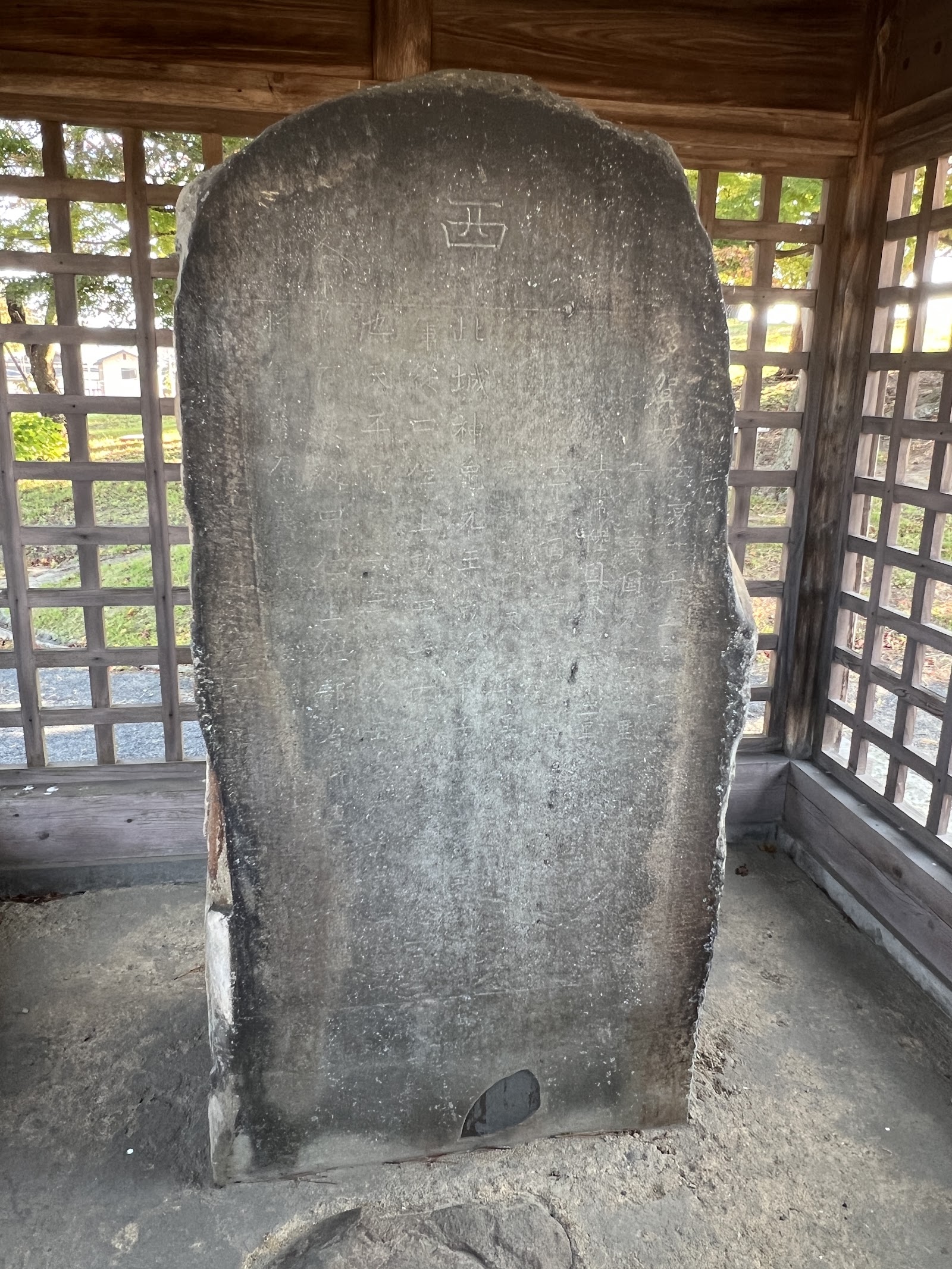
The vast Nara-period fortress that governed northern Japan, one of the country's three great ancient administrative sites, now an open hilltop of ruins.
Taga Castle, or Taga-jo, is the grass-covered remnant of a monumental Nara-period fortress-headquarters that once ruled the entire northern frontier of ancient Japan. Founded in 724 by the inspector and guardian-general Ono no Azumahito, it was not a samurai stronghold but a josaku-style provincial capital, combining a walled government compound with military barracks that projected imperial power over the Emishi peoples of the northeast. In 762 it was substantially repaired by the chinjufu shogun Fujiwara no Nakamaro. Together with the Heijo-kyo palace ruins in Nara and the Dazaifu government-office site in Kyushu, Taga-jo is regarded as one of the three greatest ancient administrative complexes in Japan, and it has held the highest heritage rank of Special Historic Site since 1922.
The site sprawls across roughly 100 hectares, so what you walk today is landscape rather than buildings. From the reconstructed South Gate a broad ceremonial avenue leads uphill to the raised earthen platform of the Seicho, the central government hall, where excavated foundation stones mark the pillar positions of the vanished halls. Interpretive panels and outlines let you picture the compound wall, gates and offices that once stood here. Nearby, a stone monument known as the Tsubo-no-Ishibumi, inscribed in 762, records the castle's distances to the capital and frontier; celebrated by the poet Matsuo Basho on his Narrow Road to the Deep North journey, it is one of the most literarily famous stones in Japan.
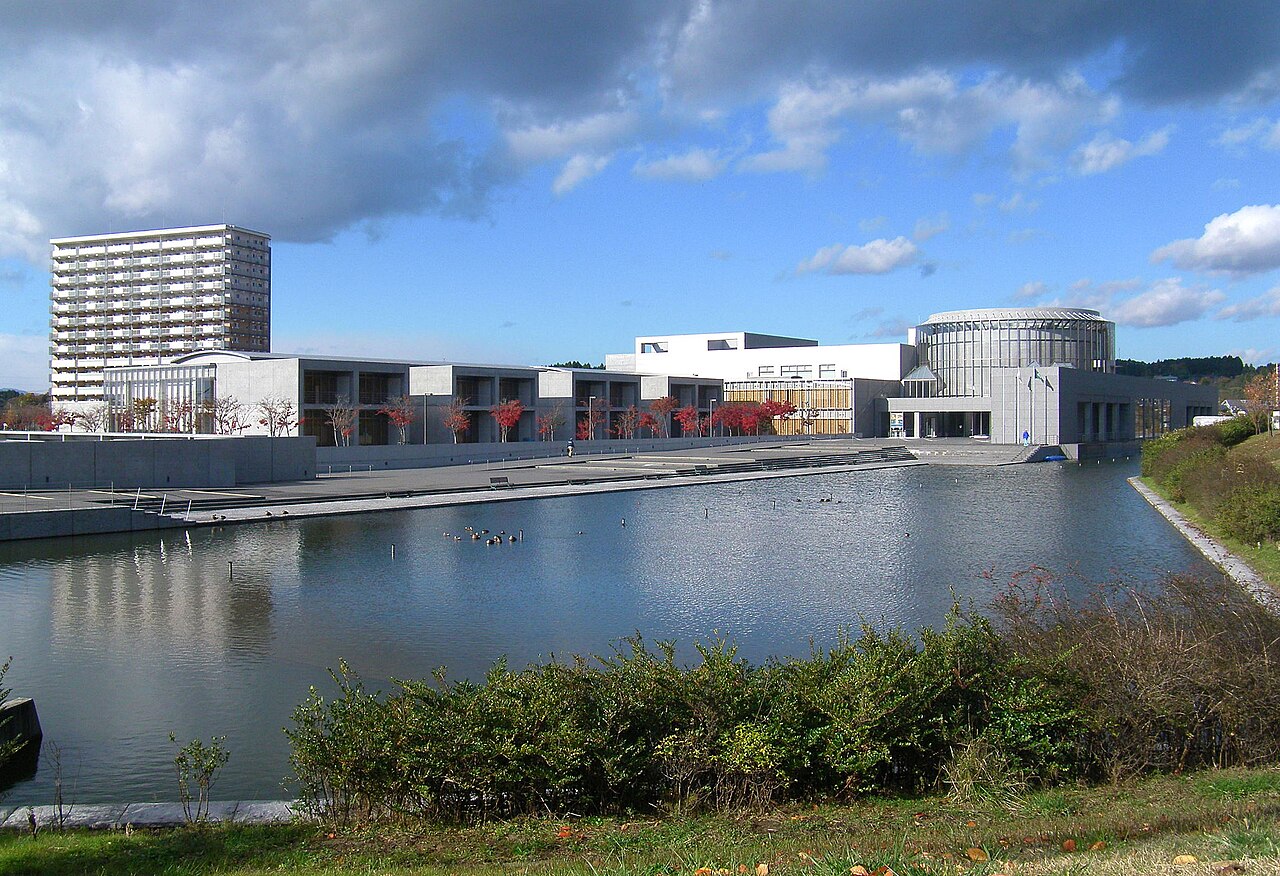
A remarkable detail is that Taga-jo functioned for centuries as the seat of Mutsu Province, effectively the political capital of the Tohoku region long before Sendai existed. Excavations here have yielded wooden document tablets, roof tiles and jade artifacts that reshaped understanding of how the ancient state administered its distant north; many of these finds are displayed at the neighboring Tohoku History Museum.
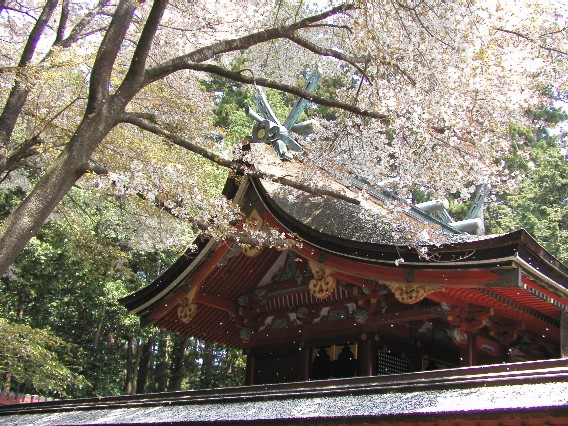
The visiting experience is quiet and contemplative, best suited to travelers who enjoy imagining history over grand architecture. Paths are gentle and mostly level, with a modest rise to the central hall, and the open meadows are ringed with cherry trees that bloom beautifully in spring, while autumn brings warm color to the surrounding groves. Bring water and sun protection in summer, as shade is limited on the platforms. Restrooms and parking are available, and the recently restored South Gate gives a satisfying sense of scale.
To reach Taga-jo, take the JR Tohoku Main Line from Sendai Station about 14 minutes to Kokufu-Tagajo Station, then walk roughly 15 minutes north through a residential neighborhood to the site; signage is bilingual. The JR Senseki Line to Tagajo Station is an alternative, about a 20-minute walk away. Because the Tohoku History Museum sits directly beside Kokufu-Tagajo Station, most visitors combine both in a half-day trip. Morning light is ideal for photographing the gate and the long processional avenue, and the whole excursion pairs naturally with nearby Shiogama and Matsushima.
A local's tip
Pair the ruins with the adjacent Tohoku History Museum and pick up the free English site map at the Kokufu-Tagajo tourist information center before you climb to the government-hall platform.
Best time to visit
Morning / spring cherry blossoms
Getting there
From Sendai Station take the JR Tohoku Main Line about 14 minutes to Kokufu-Tagajo Station, then walk roughly 15 minutes north to the site. Alternatively, ride the JR Senseki Line to Tagajo Station and walk about 20 minutes.
Good to know
- Parking
- Restrooms
Plan the whole trip offline
Taga Castle Ruins (Taga-jo) is one of many places in the Real Japan app — with turn-by-turn directions, nearby spots and full offline maps you can use with no signal.