The intimate, stream-crossed original site of the Suwa upper shrine, believed to be its oldest sacred ground.
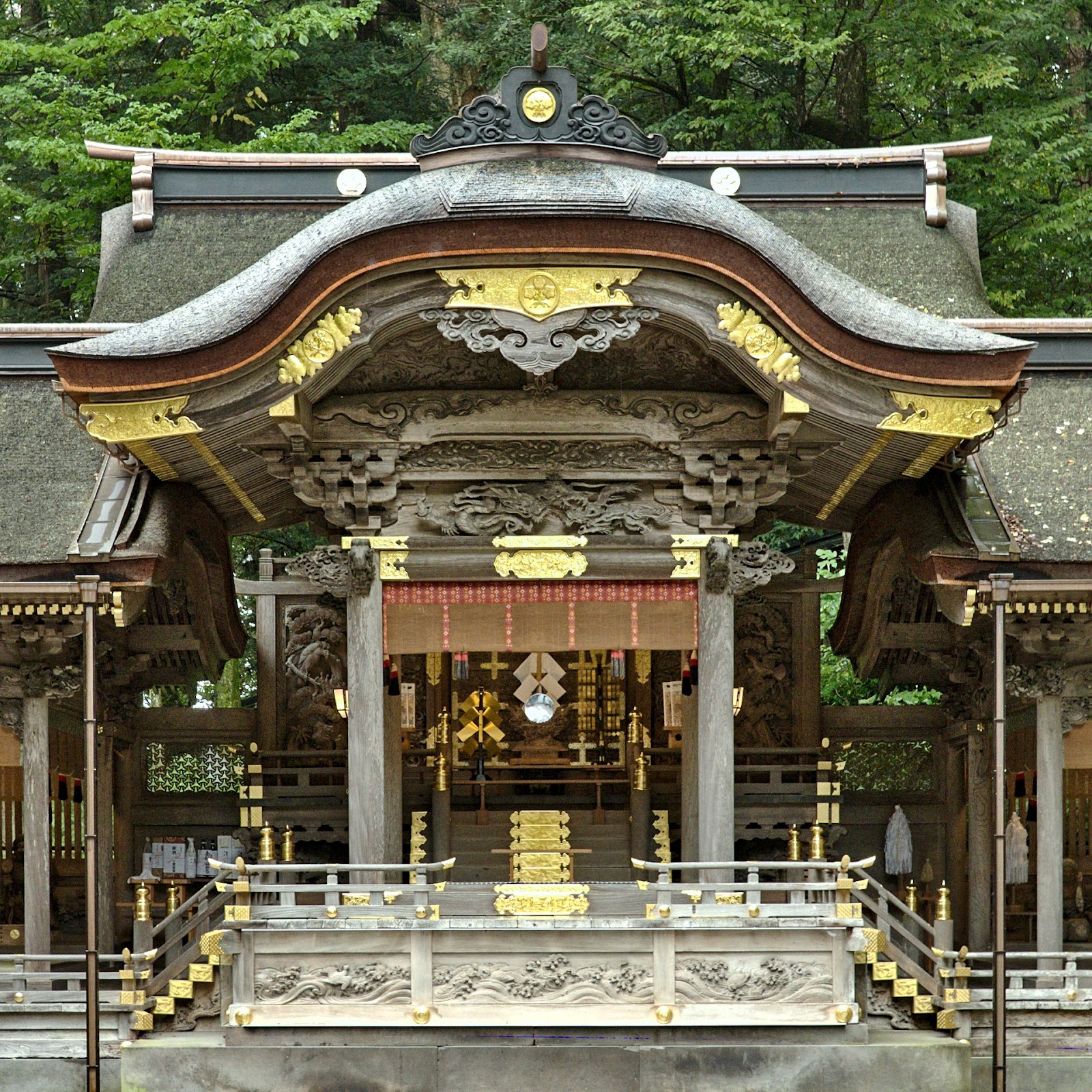
Suwa Taisha Kamisha Maemiya is the quietest and, according to tradition, the oldest of the four shrines that make up Suwa Taisha, the venerable Grand Shrine of the Suwa region. While the nearby Honmiya is the grandest of the upper shrines, Maemiya is widely regarded as the place where the Suwa deity first settled, and many worshippers feel it carries the deepest and most primal atmosphere of the entire complex.
The name Maemiya means front shrine, and the site sits on gently rising ground a short distance from Honmiya. Unlike Honmiya, Maemiya does possess a small honden, a simple wooden inner hall, making it the only one of the upper shrines with an enshrinement building. This modest structure, surrounded by its own four onbashira pillars, has a humble dignity that many find more moving than any large ornate sanctuary.
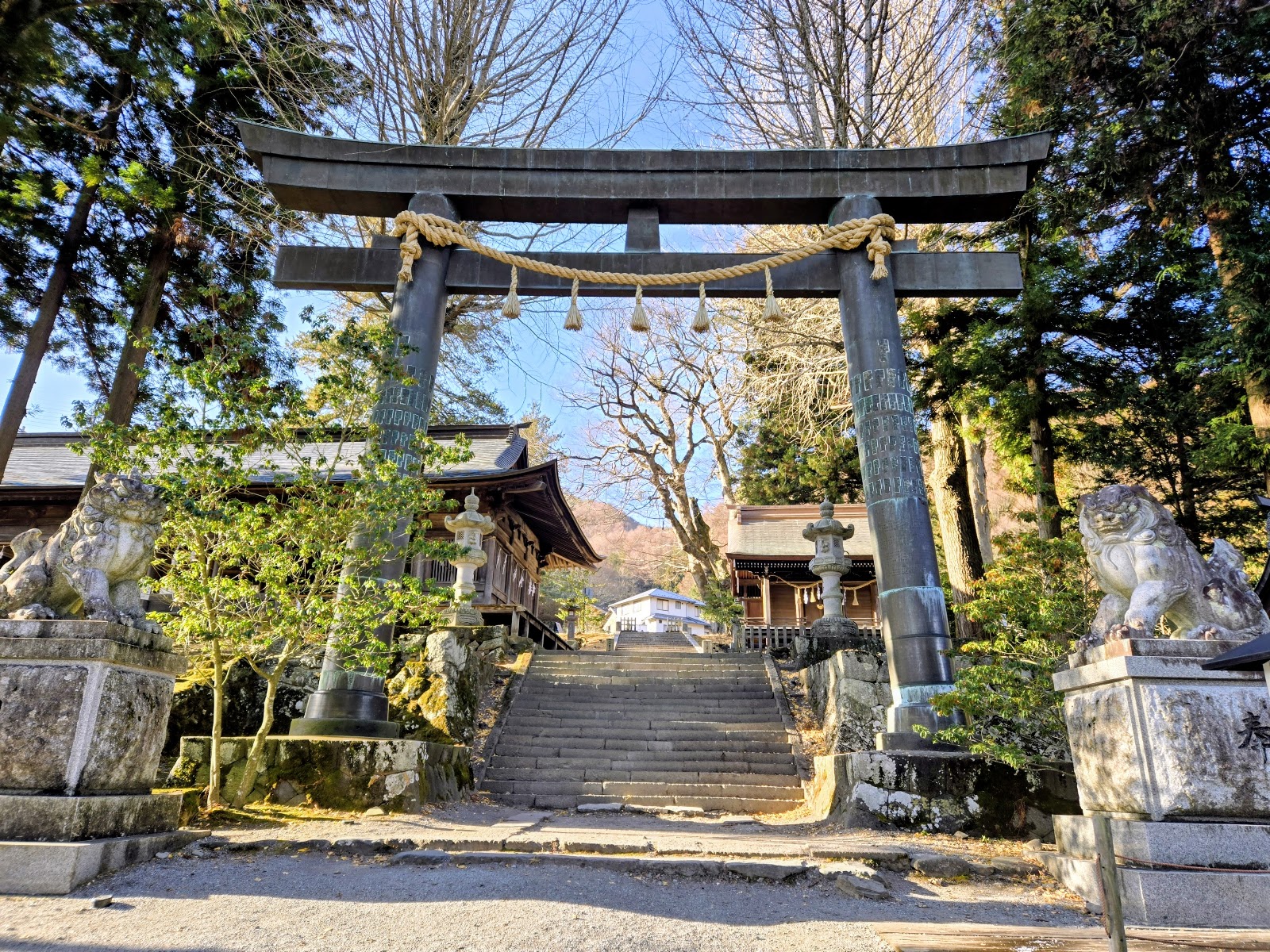
The defining feature of Maemiya is the clear, cold stream that flows straight through the precinct beside the worship hall. This water, known as Suzuri no Shimizu, has long been considered sacred and pure, and its constant gentle sound gives the grounds an almost meditative quality. Cedar trees, mossy stone steps and a rustic torii frame a scene that feels far removed from the busy modern world, even though it lies within easy reach of Chino town.
Maemiya was historically the setting for some of the most important and secretive rites of the ancient Suwa cult, including ceremonies tied to hunting, agriculture and the mysterious Mishaguji nature spirits venerated in this region long before organized Shinto took its current form. Scholars of Japanese religion treasure Suwa precisely because these older layers of belief survive here more visibly than almost anywhere else, and Maemiya is the beating heart of that antiquity.
Like its sister shrines, Maemiya displays four great onbashira logs re-erected every six years during the famous Onbashira Festival, when villagers haul enormous fir trunks down from the mountains and raise them at each corner of the sacred ground. Standing beneath these towering pillars, worn smooth by ritual handling, you sense the continuity of a devotion that has endured for many centuries.
Because Maemiya is a little removed from the main tourist flow, it is often nearly empty, and a visit here can feel like a private encounter with the spiritual roots of central Japan. It pairs naturally with the neighboring Honmiya; pilgrims traditionally walk between the two, and completing all four Suwa shrines, upper and lower, is considered especially auspicious.
To reach Maemiya, travel to Chino Station on the JR Chuo Main Line, then walk about half an hour uphill or take a short taxi. Early morning and the flaming maples of late autumn are the finest times to come. Allow around forty minutes to sit by the stream, follow the mossy paths and absorb the stillness before continuing to the other Suwa shrines that ring the lake.
A local's tip
A clear mountain stream runs right through the precinct beside the main hall — the sound of running water makes this the most serene of the four Suwa shrines.
Best time to visit
Morning; autumn
Getting there
From Chino Station (JR Chuo Main Line) it is about a 30-40 minute walk or a short taxi ride to Maemiya, which sits slightly up the hillside near the Honmiya. Drivers use the small free lot beside the shrine.
Good to know
- Parking
- Restrooms
Plan the whole trip offline
Suwa Taisha Kamisha Maemiya is one of many places in the Real Japan app — with turn-by-turn directions, nearby spots and full offline maps you can use with no signal.