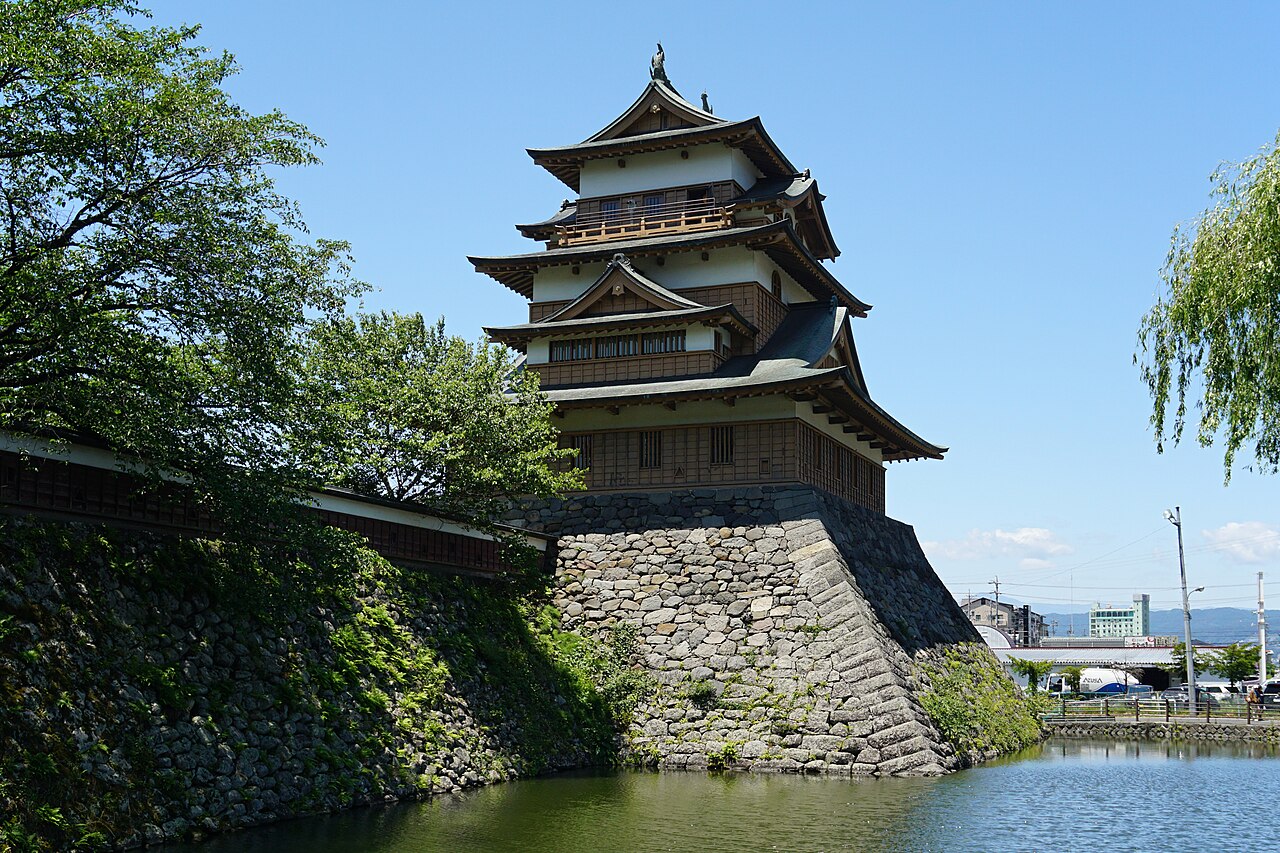
The 'Floating Castle of Suwa,' a reconstructed lakeside keep once surrounded by the waters of Lake Suwa, ringed by cherry trees.
Takashima Castle, known poetically as the "Floating Castle of Suwa" (Suwa no Ukishiro), stands in the lakeside city of Suwa, guarding the approaches to Lake Suwa on the historic route between the Kanto plain and the mountains of central Japan. Its romantic nickname comes from the castle's original setting: when it was built in the late sixteenth century, the waters of Lake Suwa and surrounding marshes came right up to its walls, so that the keep appeared to float on the water — a striking sight that made it one of the most distinctive castles of its era.
The castle was completed in the 1590s by Hineno Takayoshi, a retainer of the great warlord Toyotomi Hideyoshi, and for most of the Edo period it served as the seat of the Suwa clan, who ruled the Takashima domain. Its lakeside position made it both scenic and strategic, controlling movement through the Suwa basin, a key junction of highways. Over the centuries land reclamation gradually pushed the lake back, so the castle no longer literally floats, but its moats and stone bases preserve the memory of its watery origins.
Like many Japanese castles, the original keep was dismantled in the turbulent early Meiji period, when the feudal system was abolished and countless castles were pulled down. The present three-storey keep is a faithful reconstruction from the 1970s, built to recreate the castle's historic appearance, and it houses a museum on the history of the Suwa domain, the castle and the region, with displays of armour, documents and artefacts. From the top floor, visitors gain views over the modern city toward Lake Suwa and the surrounding mountains.
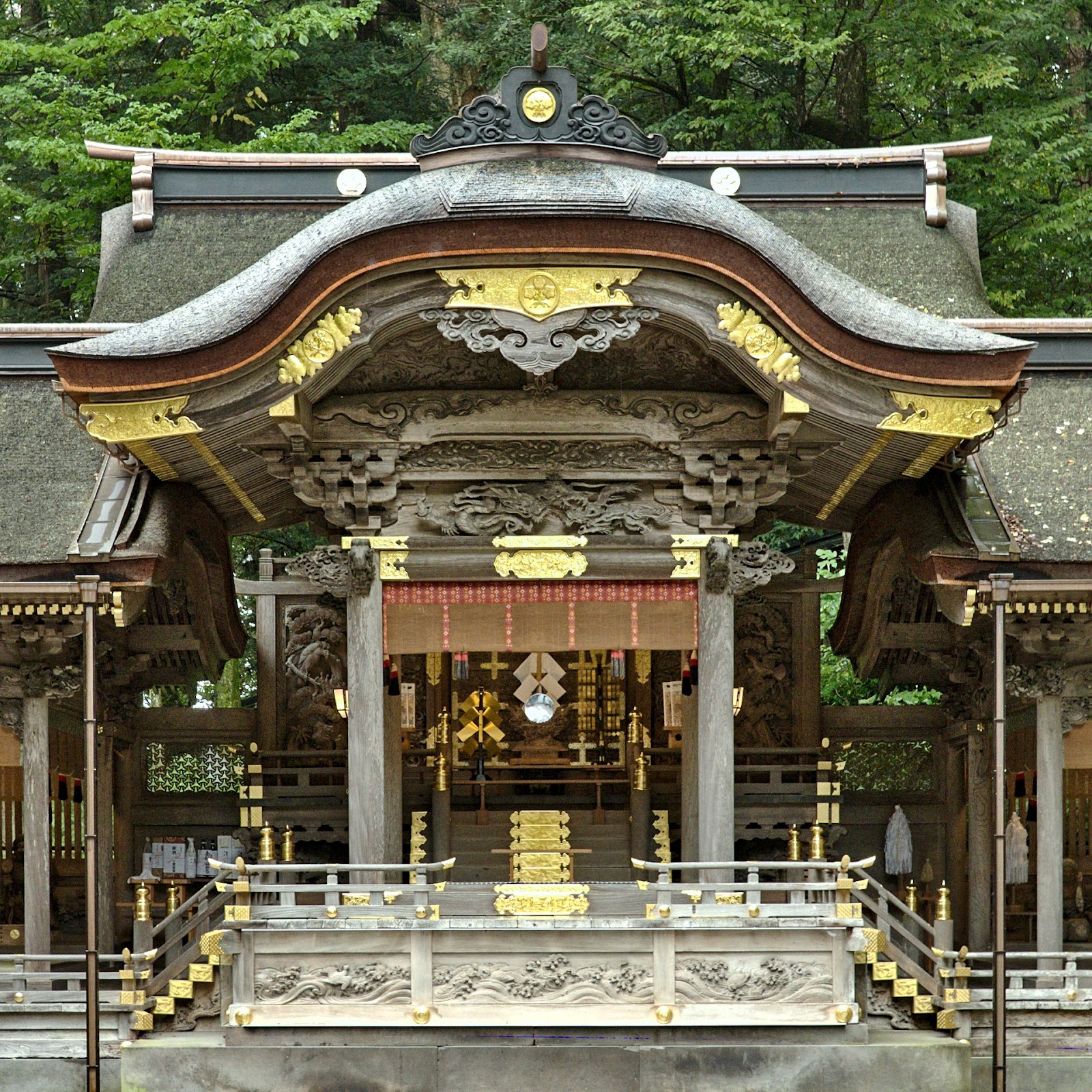
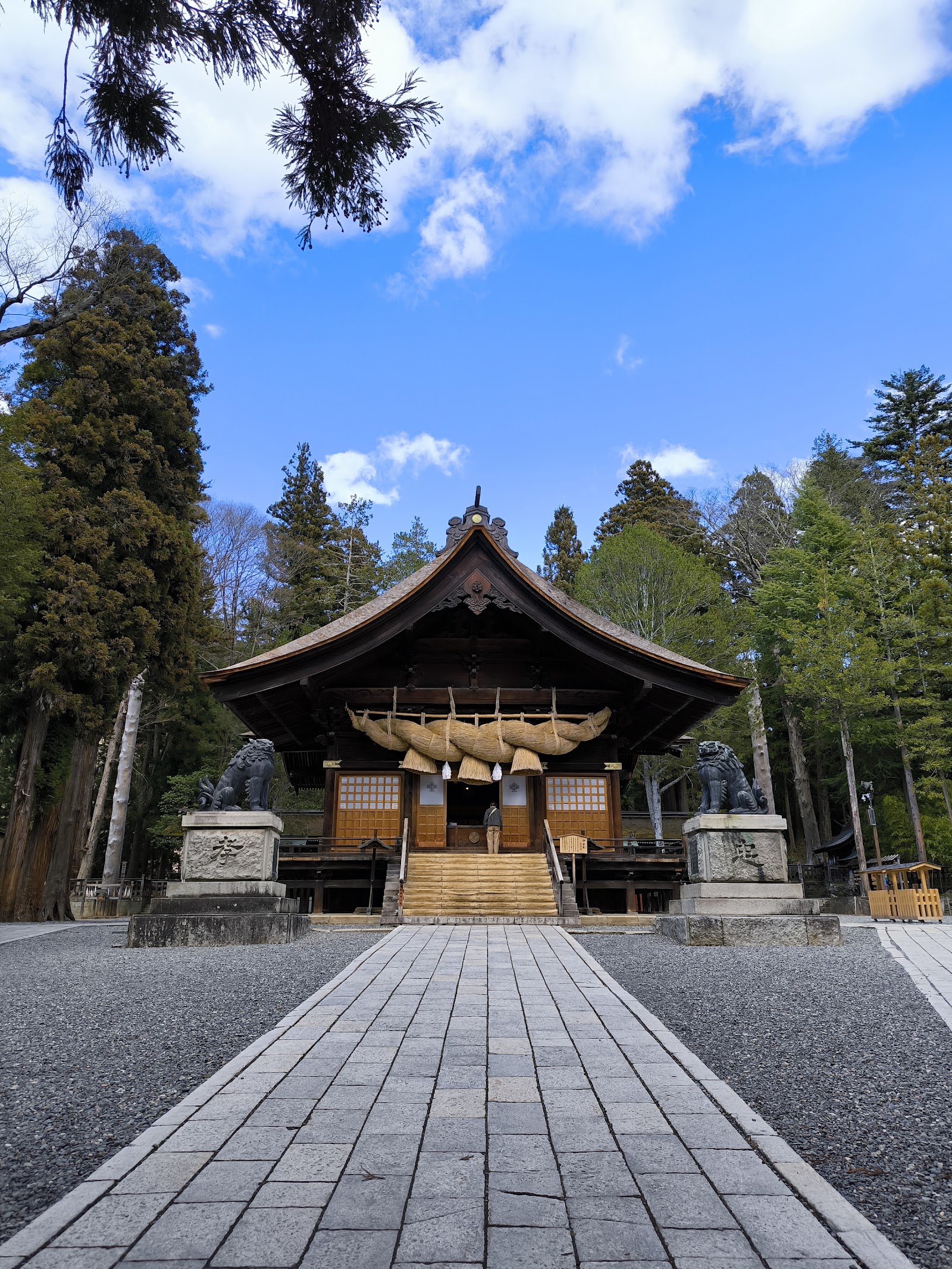
The grounds today form a pleasant castle park, with the reconstructed keep rising above stone walls and a moat, a small shrine, and landscaped gardens. It is an easy, compact site to explore in about an hour, combining a modest but genuine slice of samurai-era history with a relaxing green space in the heart of the city. The Suwa area is also famous for the Suwa Grand Shrine and its dramatic Onbashira festival, and for its lakeside hot springs, so the castle fits naturally into a wider day exploring the region.
The experience is most rewarding in spring, when the castle grounds and moat are ringed with cherry trees and the reconstructed keep rising above the blossom becomes one of the loveliest hanami scenes in the Suwa basin. Autumn foliage and summer greenery frame it attractively at other times, and the site is pleasant year-round.
Access is very easy: Takashima Castle is only about a ten-minute walk from JR Kamisuwa Station on the Chuo Main Line, which connects the Suwa basin to Matsumoto and the wider region. For travellers exploring the highlands and lakes around Suwa — or following the historic routes that link Matsumoto, the Kiso Valley and the Fuji region — Takashima Castle offers an accessible and atmospheric taste of Nagano's feudal past.
A local's tip
In spring the moat and grounds are ringed with cherry blossom — one of the Suwa area's prettiest hanami spots.
Best time to visit
Spring for cherry blossom around the moat
Getting there
About a 10-minute walk from JR Kamisuwa Station on the Chuo Main Line, in the city of Suwa beside Lake Suwa.
Good to know
- Garden
- Restrooms
- Keep museum
Plan the whole trip offline
Takashima Castle is one of many places in the Real Japan app — with turn-by-turn directions, nearby spots and full offline maps you can use with no signal.