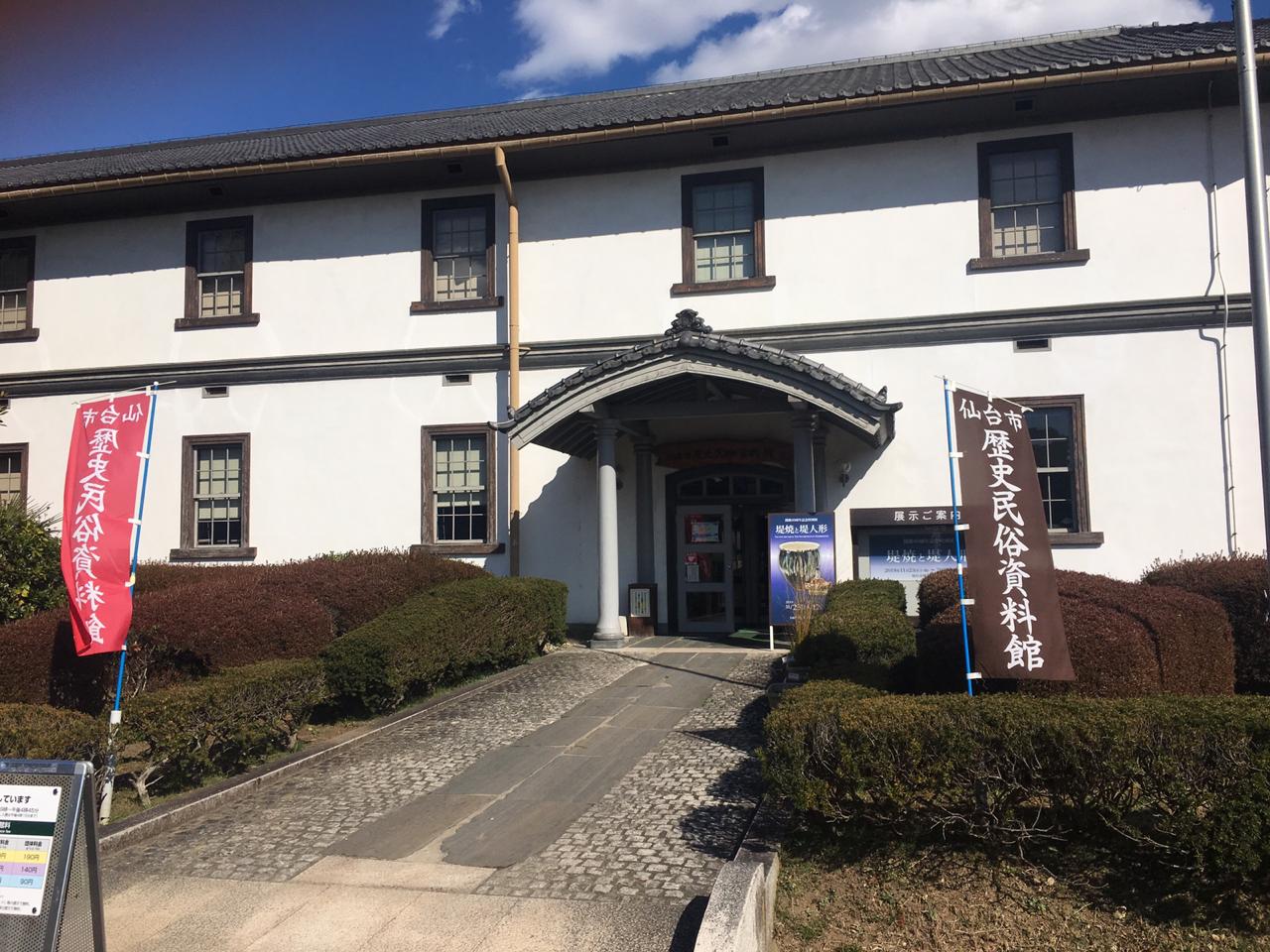
A folk-history museum housed in Japan's oldest surviving wooden army barracks, set in leafy Tsutsujigaoka Park near Sendai Station.
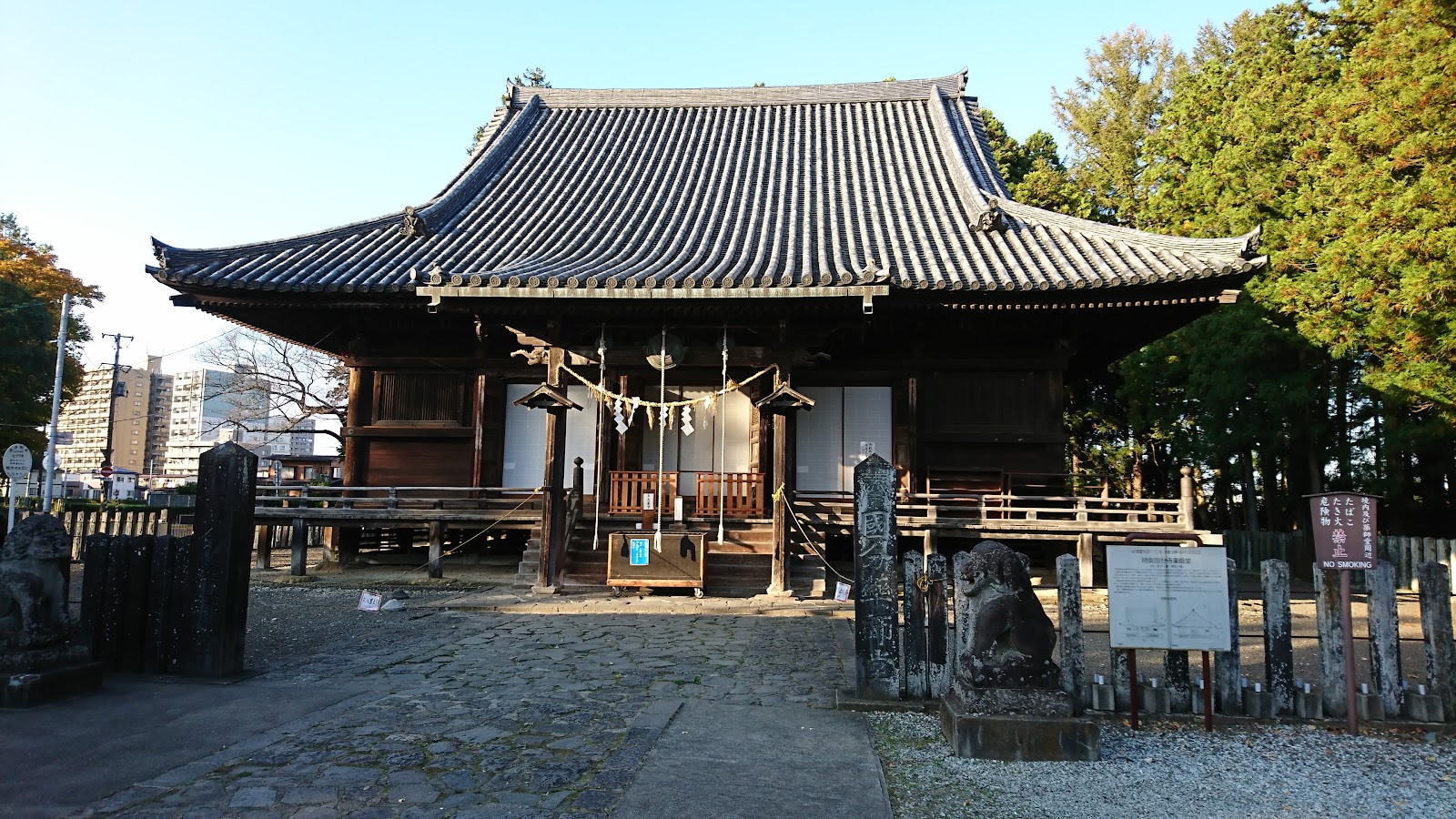
The Sendai City Museum of History and Folklore occupies a building that is itself a rare historical artefact: the oldest surviving wooden barracks of the former Imperial Japanese Army, built in 1874 in the Meiji era. Standing within Tsutsujigaoka Park, just one stop from Sendai Station, this handsome timber structure now houses a museum devoted to the everyday life, work and folk traditions of the Sendai region, making it a doubly interesting stop - a museum whose home is as significant as its contents.
The collection focuses on the lives of ordinary people in and around Sendai from the Edo period through the 20th century. Displays of farming and fishing tools, household objects, textiles, festival gear and craft implements trace how the region's inhabitants lived, worked and celebrated across the seasons, offering a grounded, human counterpoint to the grander narratives of castles and warlords. Reconstructed settings and folk-culture exhibits bring these material lives into focus, and the museum documents local customs, seasonal festivals and vanishing crafts with care.
The building deserves attention in its own right. As a preserved Meiji-era military barracks, it embodies a formative moment in Japan's modernisation, when the country rapidly built a Western-style army, and the exposed wooden framework, long corridors and period construction give the interior an authentic atmosphere that a purpose-built gallery could never match. Interpretive material explains the barracks' own history alongside the folk collection, weaving military modernisation and everyday tradition into a single story of how Sendai changed.
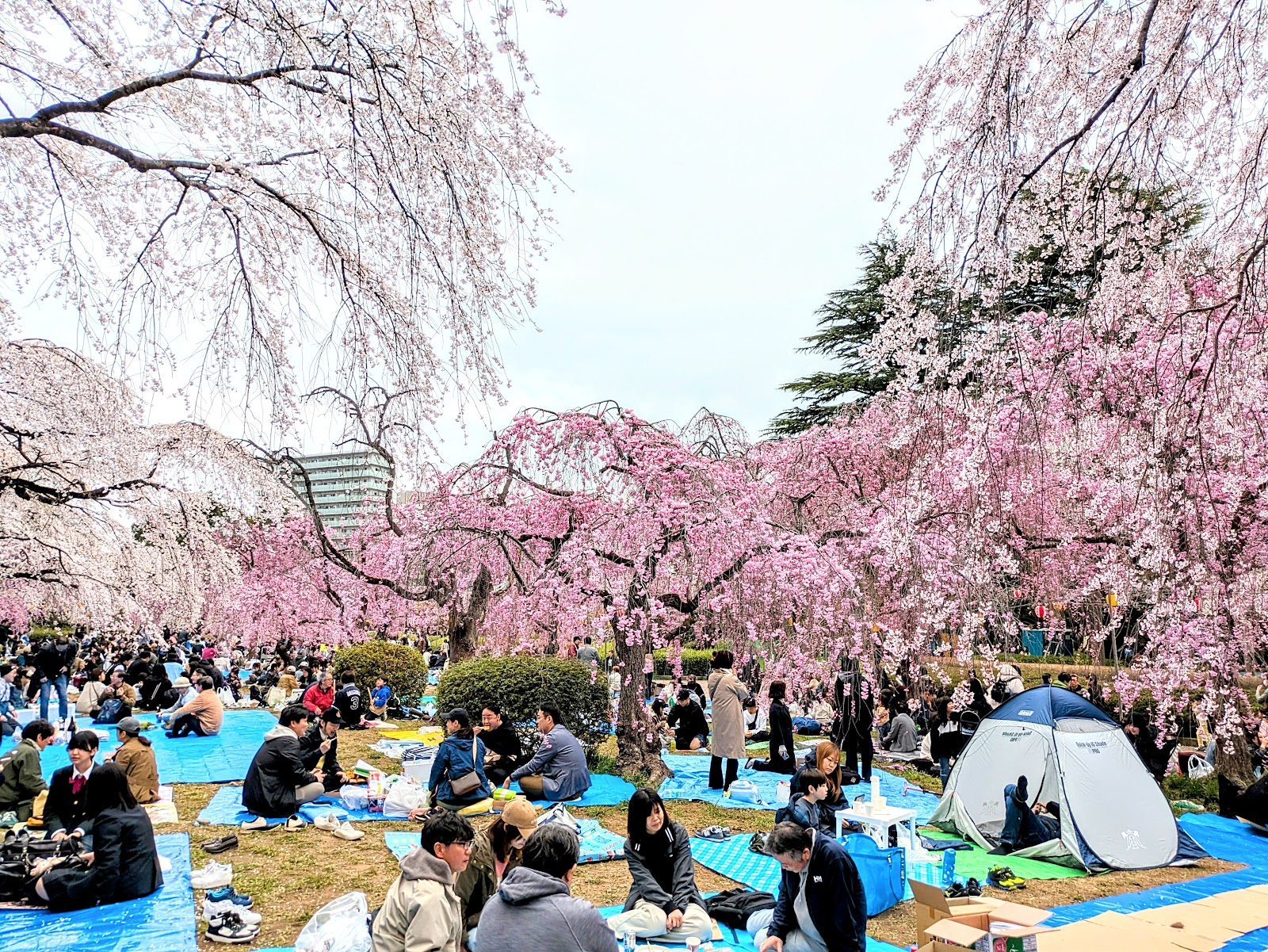
The visiting experience is modest, quiet and quickly rewarding, typically taking around an hour. Its setting in Tsutsujigaoka Park means a visit combines naturally with a stroll among the park's cherry trees and the historic Tenmangu shrine, especially lovely in spring blossom season. The historic building has some of the access limitations of a 19th-century timber structure, with stairs and traditional flooring, so it is less suited to those needing full step-free access, though the ground-floor displays are reachable.
Because it is an indoor attraction in a central park, the museum works in any weather, with spring and autumn adding the appeal of the surrounding greenery. Interpretation is largely in Japanese, but the tangible, everyday objects on display communicate a great deal regardless of language, and history-minded visitors will appreciate the rare survival of the barracks building itself. Allow about an hour, and pair it with the park.
Getting there is easy and Rail Pass friendly. The JR Senseki Line runs from Sendai to Tsutsujigaoka Station in a single stop, and the museum is an eight-minute walk into the adjoining park. For travellers curious about the ordinary lives behind Sendai's history - and about the modernising Meiji era that reshaped Japan - this small museum in its remarkable wooden home offers an authentic and easily accessible glimpse, just minutes from the city centre.
A local's tip
The building itself is the oldest surviving wooden army barracks in Japan - look up at the original Meiji-era timber structure as you tour the folk exhibits.
Best time to visit
Spring, when the surrounding park blossoms
Getting there
One stop from Sendai Station on the JR Senseki Line to Tsutsujigaoka Station, then an 8-minute walk into Tsutsujigaoka Park where the museum stands.
Good to know
- Restrooms
- Historic building
Plan the whole trip offline
Sendai City Museum of History and Folklore is one of many places in the Real Japan app — with turn-by-turn directions, nearby spots and full offline maps you can use with no signal.