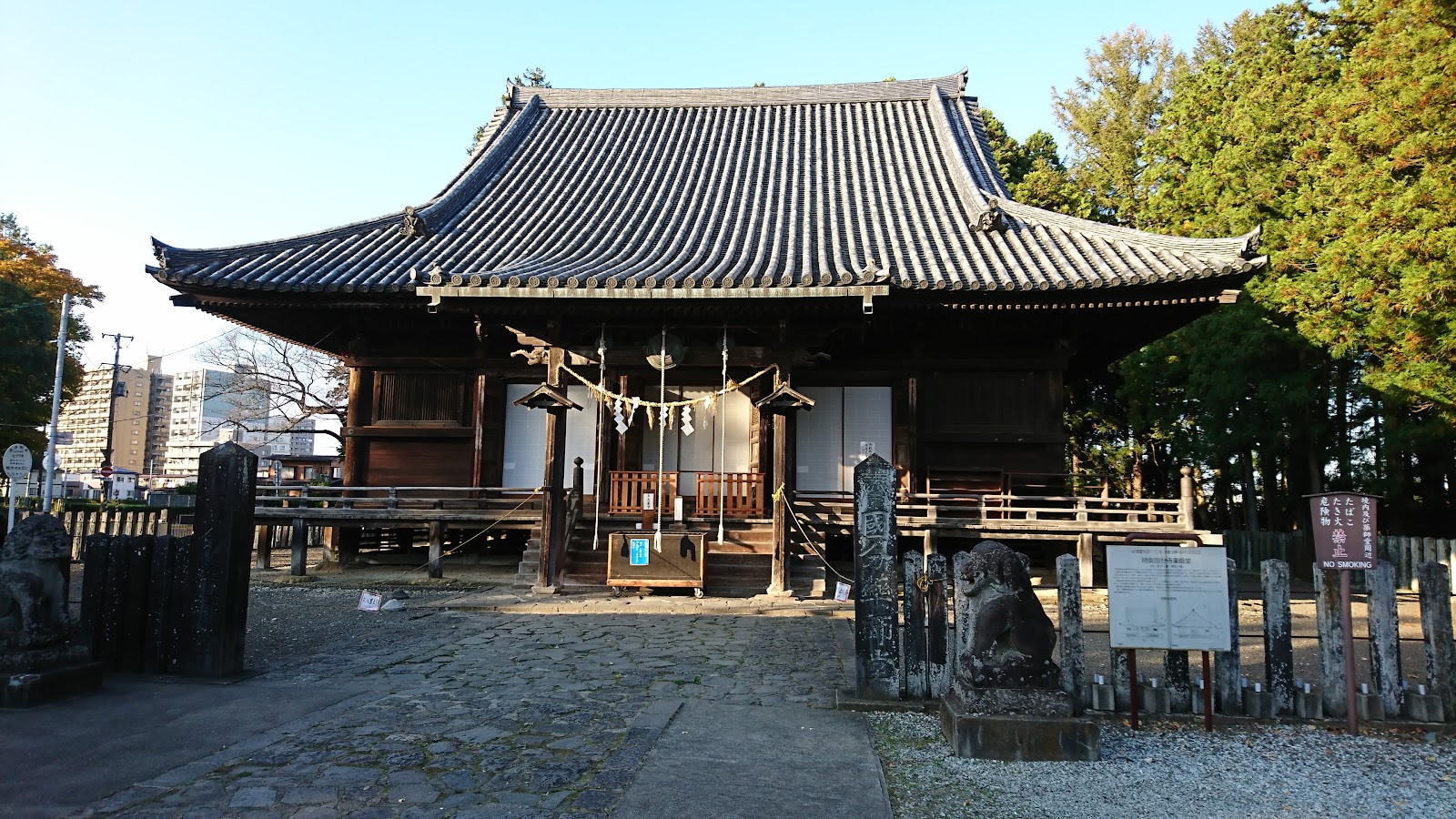
The northernmost of Japan's ancient provincial temples, its Yakushido hall rebuilt by Date Masamune in 1607.
The Mutsu Kokubunji Yakushido carries a remarkable depth of history for a site that sits quietly beside a Sendai subway station. It marks the location of the ancient Mutsu Kokubunji, the official provincial temple of Mutsu Province, which was the northernmost of the network of state temples ordered built across Japan in the eighth century by Emperor Shomu to protect the nation through Buddhist prayer. In its day this was the spiritual frontier of the classical Japanese state, the furthest reach of imperial power into the north.
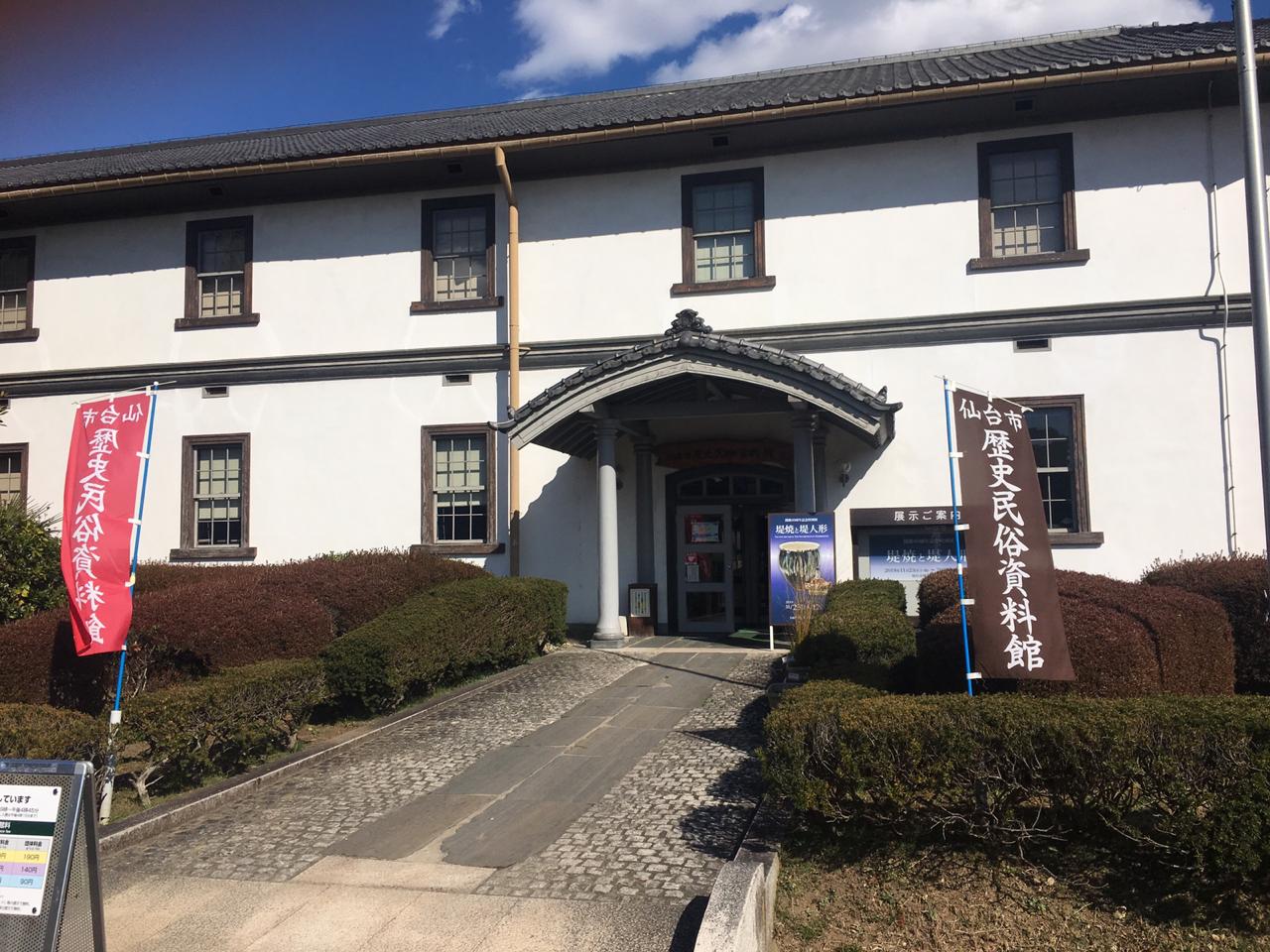
The great temple complex of the Nara period is long gone, but its memory and its sacred ground endure. The centerpiece today is the Yakushido, a hall dedicated to Yakushi Nyorai, the Buddha of healing and medicine. The present hall was rebuilt in 1607 on the orders of Date Masamune, the founder of Sendai, as part of his broad program of restoring temples and shrines across his new domain. It is a fine, dignified example of Momoyama-period architecture and is designated an Important Cultural Property.
Approaching the hall, you pass through a Nio-mon gate guarded by a pair of fierce muscular guardian kings, also dating from the Date restoration. The weathered wood, the deep eaves, and the sense of age make this one of the oldest surviving structures in Sendai, a tangible link to the very beginnings of the city under Masamune. Foundation stones and markers on the grounds recall the far larger ancient complex that once stood here, including the sites of its pagoda and main hall.
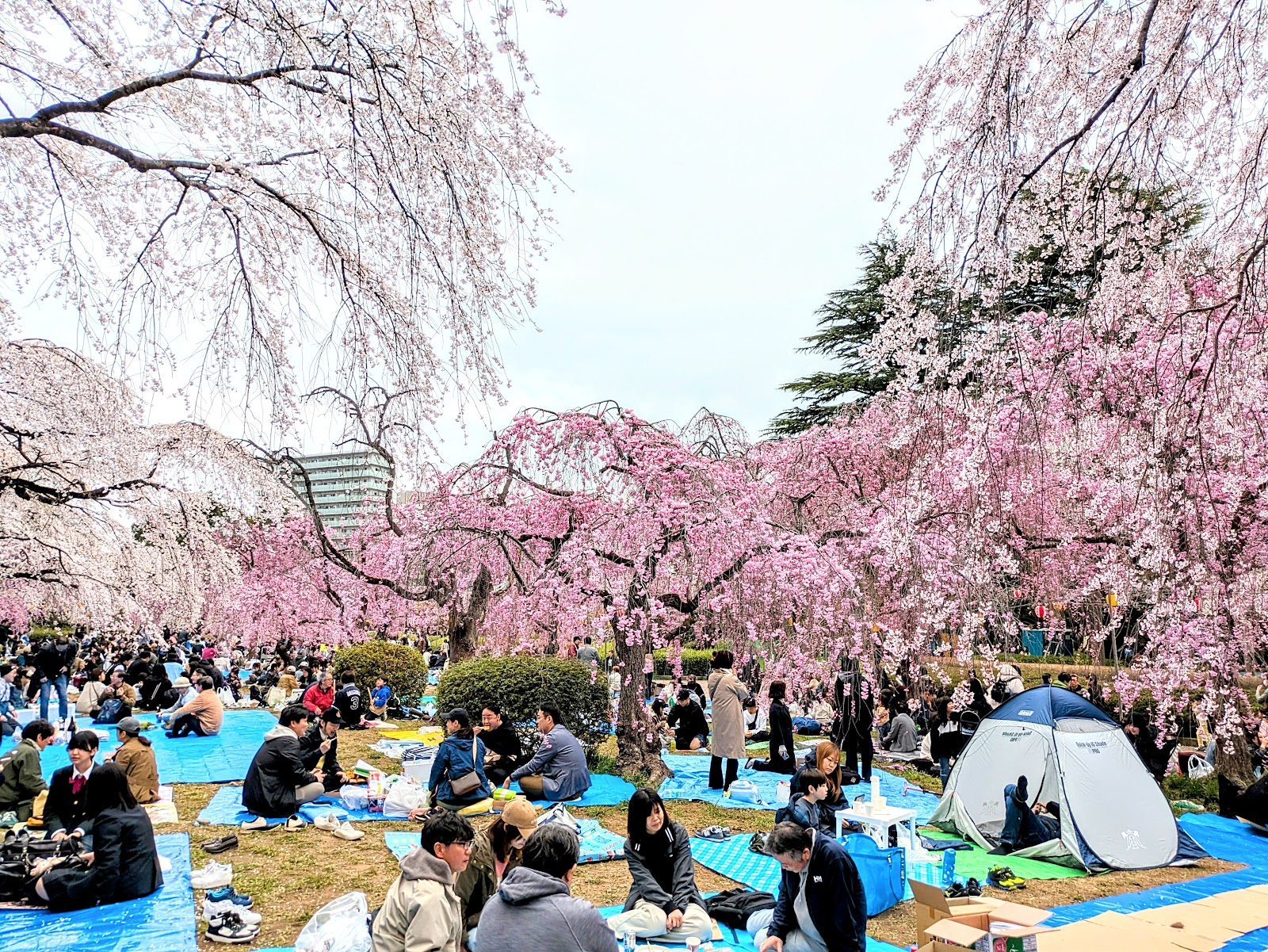
The grounds are open, uncrowded, and pleasant to wander, especially in spring when cherry blossoms frame the old hall, and in autumn when the surrounding trees turn. Because it is a working local temple rather than a major tourist attraction, the mood is genuinely peaceful; you are far more likely to encounter neighborhood residents paying respects than tour groups.
For travelers interested in the deeper layers of Japanese history, the Yakushido offers something the flashier sights cannot: a direct thread running from the Nara-period imperial project of the 700s through the Sengoku-era ambitions of Date Masamune to the present-day city. It rewards a little imagination, letting you picture the vast wooden temple that once commanded this northern province.
Conveniently, the site gives its name to Yakushido Station on the Sendai Subway Namboku Line, and the hall is only about a five-minute walk from the exit. Note that the subway is not covered by the Japan Rail Pass, so a small fare applies. Admission to the grounds is free, and they are accessible at all hours, with the hall best appreciated in daylight. Allow around thirty-five minutes for an unhurried visit. It combines well with the nearby Daikannon statue or a broader Date-themed itinerary, adding an ancient dimension to Sendai's story that most visitors never discover.
A local's tip
Look closely at the Momoyama-style Yakushido and its Nio guardian gate: both were rebuilt by Date Masamune in 1607 and are among the oldest wooden structures surviving in the city.
Best time to visit
Spring for cherry blossoms around the old hall
Getting there
A five-minute walk from Yakushido Station on the Sendai Subway Namboku Line, which is named for the hall itself.
Good to know
- Parking
- Restrooms
Plan the whole trip offline
Mutsu Kokubunji Yakushido is one of many places in the Real Japan app — with turn-by-turn directions, nearby spots and full offline maps you can use with no signal.