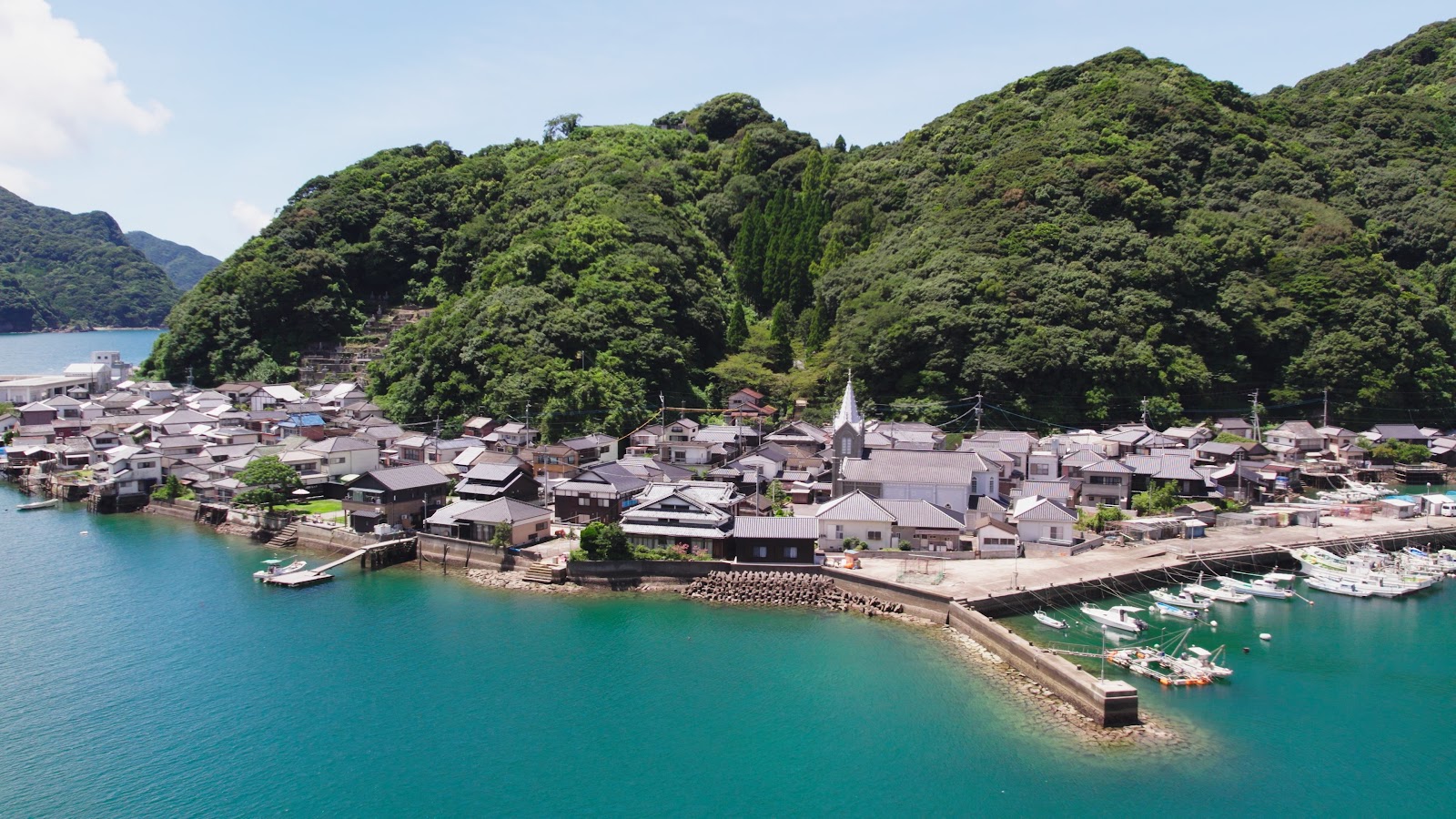
A UNESCO-listed fishing village on the Amakusa coast where a gothic church rises among the tiled roofs of former hidden Christians.
Sakitsu is a small fishing village on the far southwestern coast of the Amakusa islands, and it holds one of the most moving stories in Japanese history. Tucked into a narrow inlet, its densely packed wooden houses and fishing boats cluster around a slender gothic church whose spire rises improbably over the tiled roofs. In 2018 the village was inscribed on the UNESCO World Heritage List as one of the components of the 'Hidden Christian Sites in the Nagasaki and Amakusa Region', a recognition of the extraordinary faith kept alive here in secret for more than two centuries.
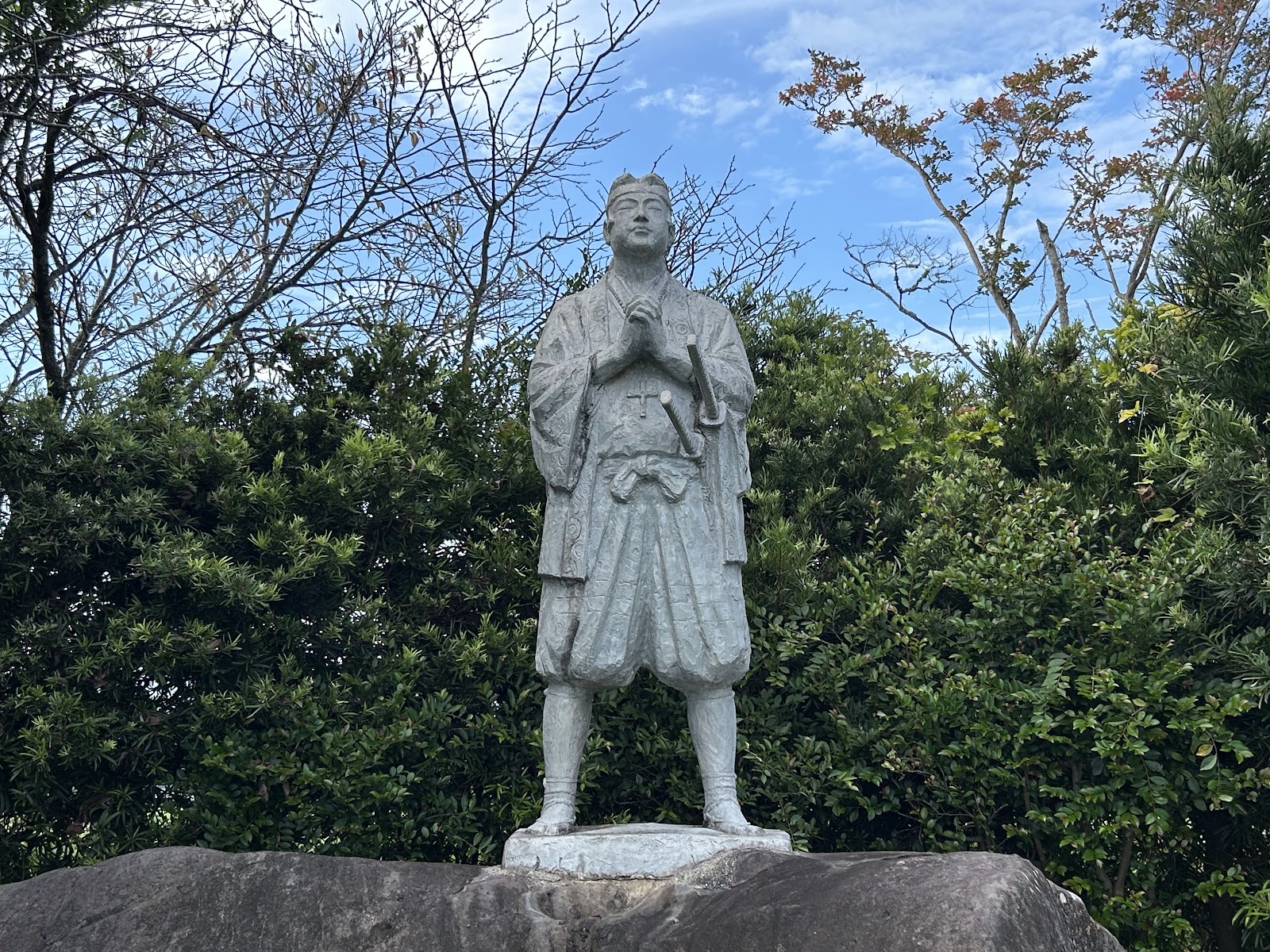
Christianity reached this remote coast with sixteenth-century missionaries, but when the Tokugawa shogunate banned the religion and persecuted its followers, the Christians of Sakitsu did not abandon their faith. Instead they hid it, disguising devotion within the outward forms of Buddhism and Shinto, secretly praying over everyday objects, shells, medals, images of Kannon repurposed as the Virgin Mary, and passing belief down through generations without priests or churches. Only after the ban was lifted in the Meiji era could they worship openly again. The present Sakitsu Church, a graceful gothic structure completed in 1934 with French missionary support, was built, remarkably, on the very site where villagers had once been forced to trample on Christian images to prove they had renounced the faith. Inside, unusually, it has tatami flooring, and soft light falls through stained glass, a poignant fusion of Japanese and Christian sensibilities.
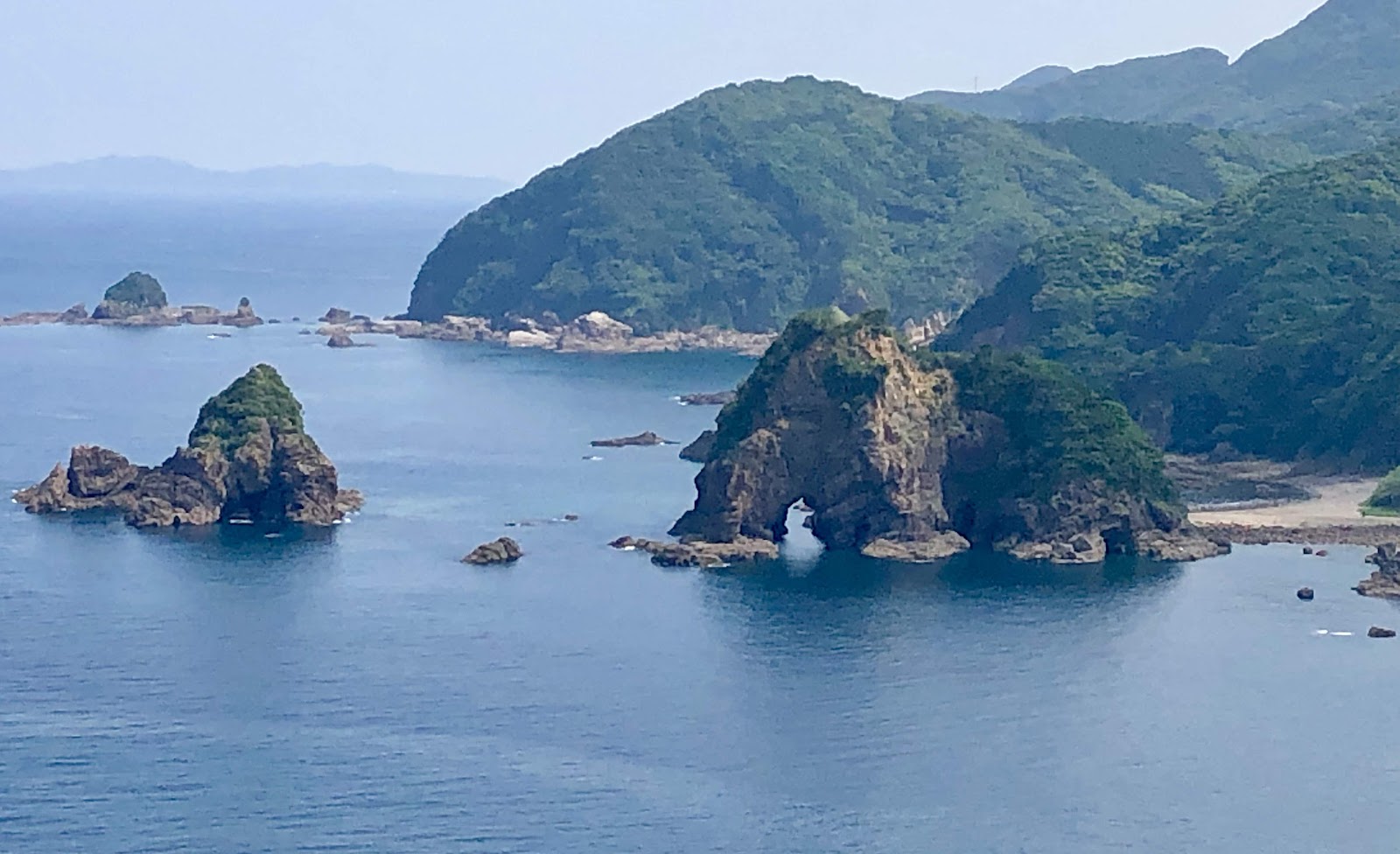
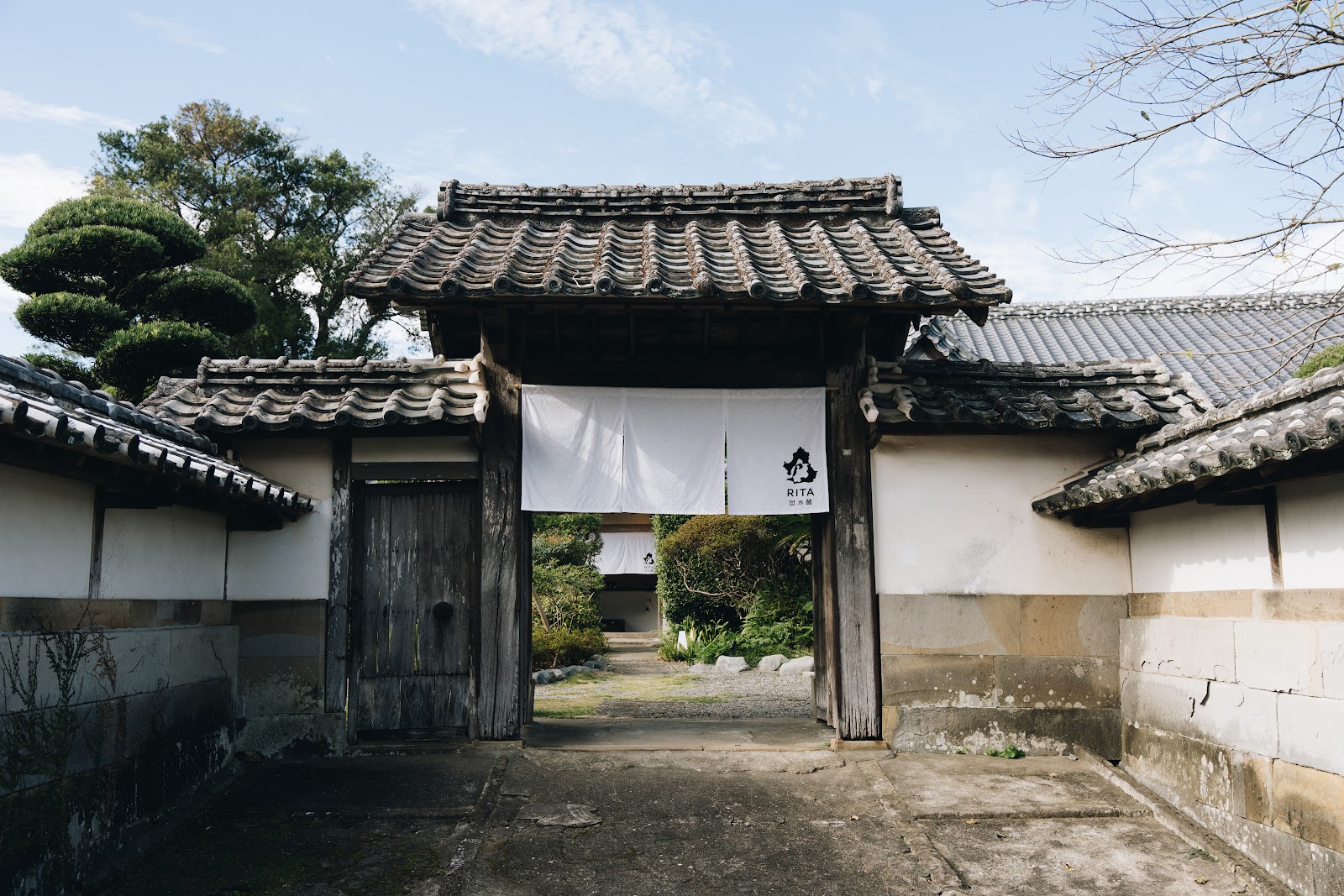
Beyond the church, the village itself is the attraction: a tight, atmospheric warren of lanes between the mountain and the sea, where fishing life continues much as it has for generations. Narrow passages called toya thread between the houses, nets and boats line the harbour, and the whole settlement feels held between the steep green hills and the calm inlet. A short climb to a hillside viewpoint yields the iconic composition, the church spire, the tiled roofs and the boats in the harbour framed together, especially beautiful in the low light of late afternoon.
A visit is contemplative rather than busy. There are no crowds or ticket gates; the village is simply lived in, and visitors are asked to respect that. The church interior can usually be seen, but out of consideration for services and the congregation, advance contact is generally requested; a small guidance centre in the village explains the history and etiquette. Walking the lanes and the harbour is free, and there are restrooms and modest facilities, though dining options are limited, so plan accordingly.
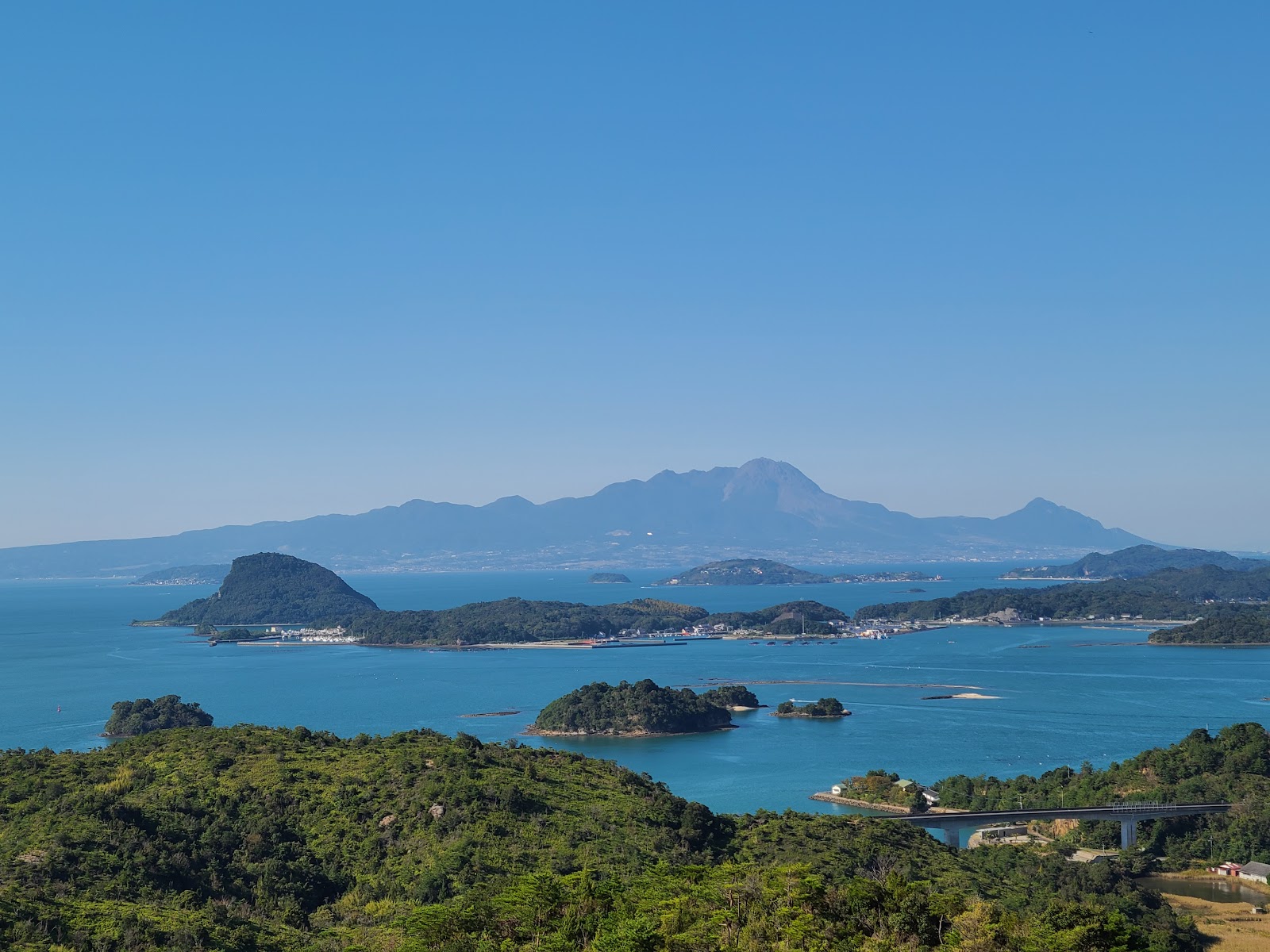
The one real challenge is getting there. Sakitsu sits at the southwestern tip of Amakusa's Shimoshima island, a long journey from Kumamoto city: typically by road and bridge via Misumi across the famous Amakusa Gokyo (Five Bridges), then a local bus down the coast, or by rental car, which is by far the easiest way to explore the islands. The effort is repaid by one of the most beautiful and deeply human places in all of Kyushu, a tiny village where faith, endurance and the sea are woven into every lane.
A local's tip
Climb to the small hillside viewpoint above the village for the classic shot of the gothic church spire rising over the fishing harbour and tiled roofs.
Best time to visit
Clear days for the church-and-harbour view; sunset over the bay
Getting there
Reach Amakusa via Misumi and the Amakusa road/ferries to Hondo, then a local bus to Sakitsu on the Shimoshima coast.
Good to know
- Cafes
- Restrooms
- Tourist Info
Plan the whole trip offline
Sakitsu Village, Amakusa is one of many places in the Real Japan app — with turn-by-turn directions, nearby spots and full offline maps you can use with no signal.