Otaru's preserved merchant street—Meiji-era stone shophouses now full of glassware, music boxes and Hokkaido sweets.
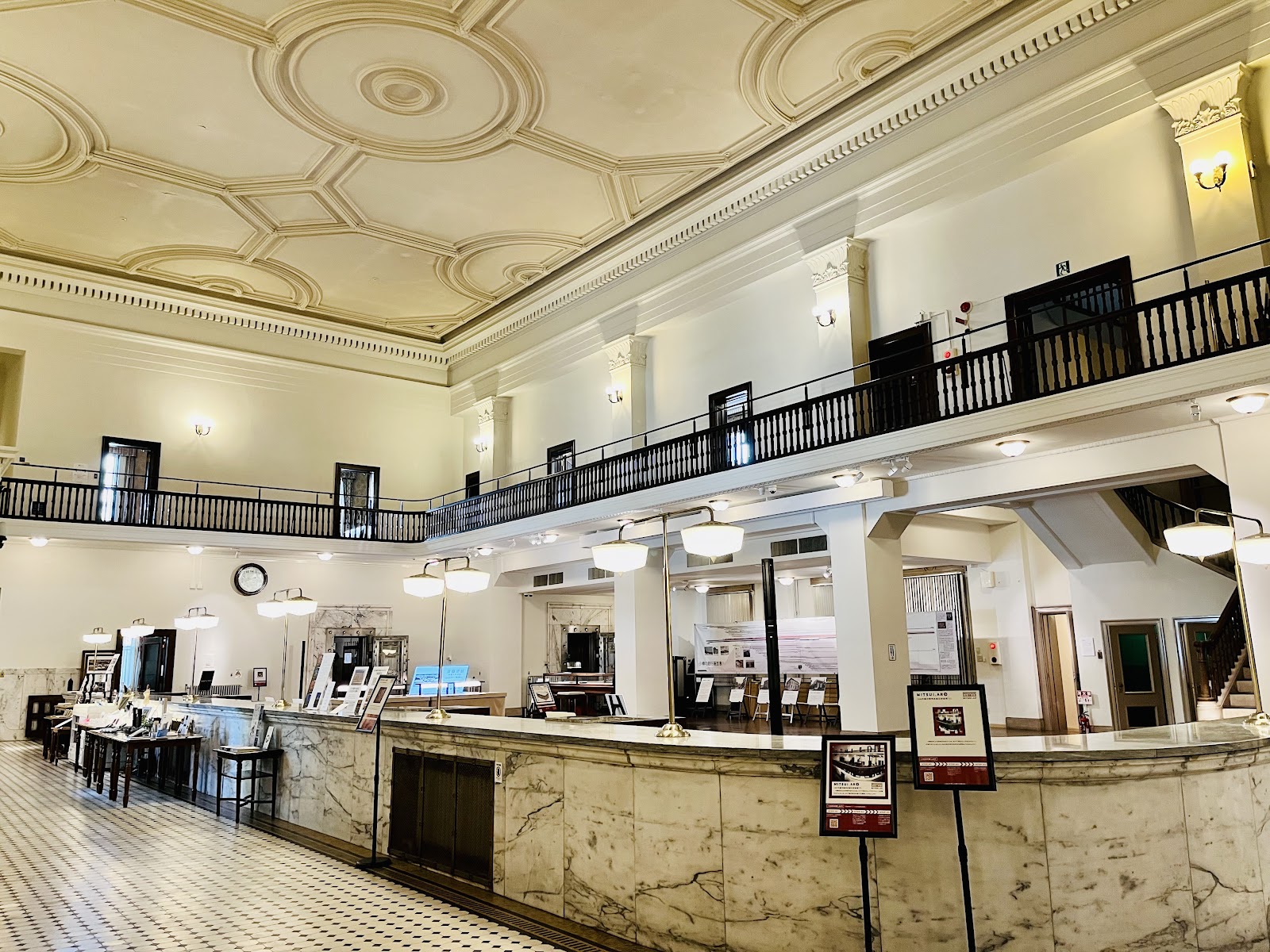
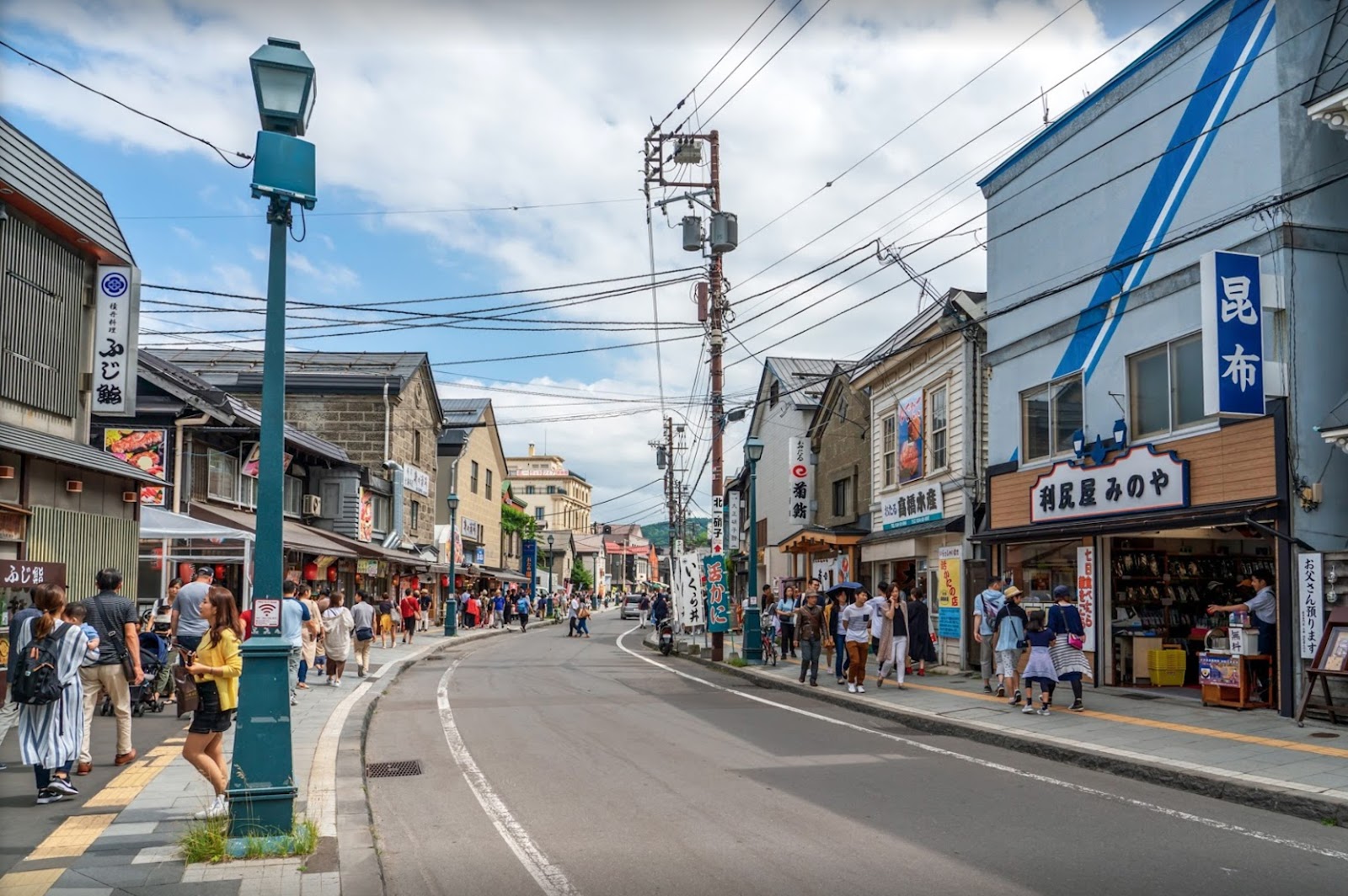
Sakaimachi Street is the historic merchant thoroughfare of Otaru, running roughly parallel to and a short walk inland from the famous canal. Where the canal preserves the town's industrial and shipping heritage, Sakaimachi preserves its commercial one: a well-kept row of late-Meiji and Taisho-era shophouses, banks and trading offices built in stone, brick and the distinctive fireproof "kura" warehouse style, dating largely from the 1890s to the 1910s when Otaru was one of the richest ports in northern Japan.
Today the street is a pedestrian-friendly shopping and browsing district, and it plays beautifully to Otaru's two signature crafts: glass and music boxes. Otaru's glass industry began practically, making oil-lamp chimneys and the glass floats that once buoyed the herring nets of the local fishing fleet; when those trades declined, the skills were redirected into decorative glassware, and the town is now one of Japan's best-known centres for the craft. The Kitaichi Glass shops along Sakaimachi are the most famous, their flagship hall lit entirely by scores of oil lamps, and several studios let visitors try glass-blowing or bead-making for themselves.
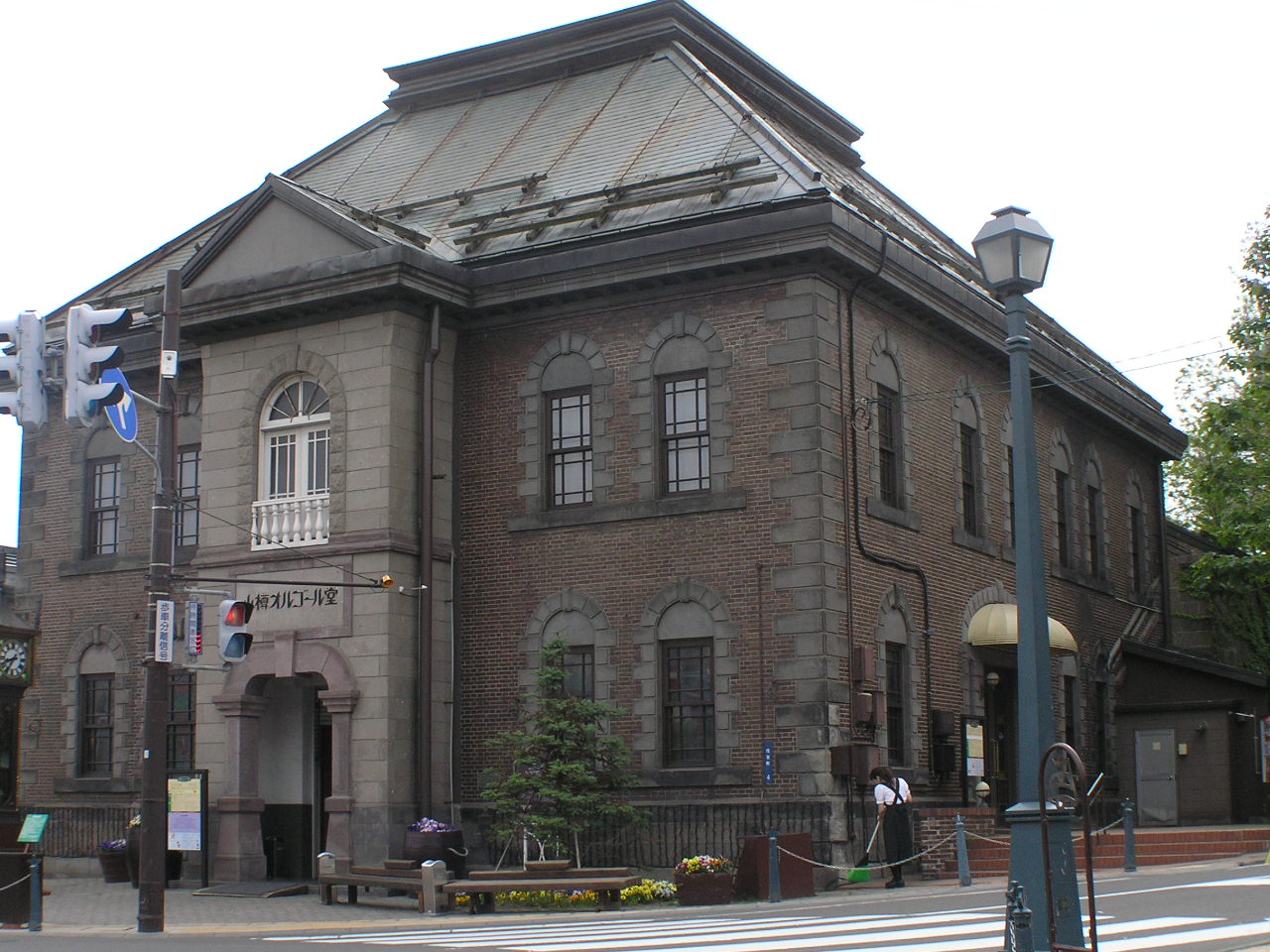
At the southern end of the street stands the Otaru Music Box Museum, housed in a handsome 1912 brick building, with a working steam clock outside that chimes on the hour and puffs steam—one of only a handful of such clocks in the world, built by a Canadian clockmaker. Inside are thousands of music boxes, from tiny trinkets to elaborate antique orchestrions, and it is a genuinely enchanting place, especially for families.
Between the headline attractions, Sakaimachi is simply a pleasant place to graze and browse. Confectioners such as LeTAO give out samples of their famous double-fromage cheesecake; sake breweries offer tastings; there are ice-cream and cream-puff stands, souvenir emporia, and small museums of everything from kaleidoscopes to antique clocks. Many of the shopfronts retain their original facades and old company signboards, so even without going inside the street rewards a slow wander with a camera.
The whole district is compact and flat, easily combined with the canal into a single outing. A common route is to arrive at Minami-Otaru Station, walk down through Sakaimachi sampling as you go, reach the music-box museum, then continue to the canal and finish with a sushi lunch near Otaru Station before catching the train back. In winter the snow softens the stone facades and the street takes on a hushed, festive feel; in summer it is bright and busy with day-trippers.
Otaru sits about 40 minutes from Sapporo by frequent JR rapid trains, all covered by the Japan Rail Pass, making Sakaimachi one of the most accessible heritage streetscapes in Hokkaido. Allow a couple of hours to do it justice, more if you plan to try a glass-blowing workshop or linger over cheesecake and coffee in one of the converted warehouse cafes.
A local's tip
The music-box museum's steam clock chimes on the hour—time your visit to catch it, then sample free glass-of-water tastings at the sake and sweets shops along the street.
Best time to visit
Daytime for the shops; year-round
Getting there
From Sapporo take the JR Hakodate Main Line to Otaru or Minami-Otaru (about 40 minutes, JR Pass covered). Sakaimachi runs between the two stations and links to the Otaru Canal, so most visitors walk the whole loop.
Good to know
- Wi-Fi
- Restrooms
Plan the whole trip offline
Sakaimachi Street is one of many places in the Real Japan app — with turn-by-turn directions, nearby spots and full offline maps you can use with no signal.