A romantic, free museum and shop in a historic brick building, filled with thousands of music boxes and fronted by a steam clock.
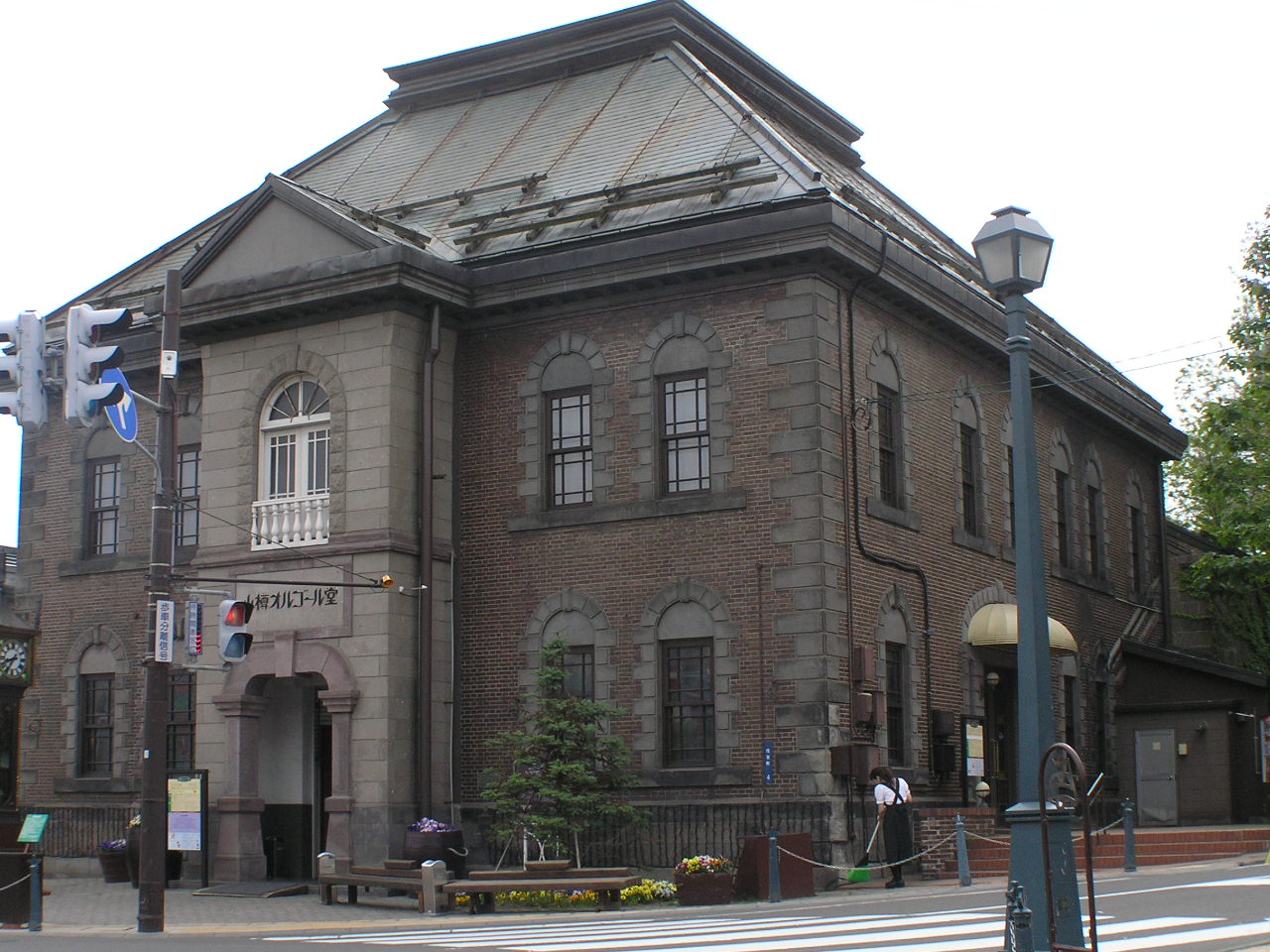
The Otaru Music Box Museum stands at the head of Sakaimachi Street in the charming canal town of Otaru, a short train ride from Sapporo, and it is one of the most beloved and photographed spots on the whole Hokkaido tourist trail. Housed in a beautiful red-brick and stone building dating from 1912, it is part museum, part enormous shop, and entirely free to enter, a place where the gentle, tinkling sound of thousands of music boxes fills the air and even reluctant visitors tend to leave charmed.
Otaru grew wealthy as a herring-fishing and trading port in the late nineteenth and early twentieth centuries, and its legacy of grand old warehouses and Western-style commercial buildings gives the town a nostalgic, almost European atmosphere. The music box museum occupies one of these historic structures, and the contrast between the vintage architecture and the delicate craft inside is a large part of its appeal. The main hall, with its high ceilings and antique fittings, is filled from floor to gallery with music boxes of every conceivable kind, from tiny pocket pieces to elaborate cabinets, in an astonishing range of designs.
Beyond the retail floor, the museum preserves a collection of antique and mechanical music boxes, including large, ornate automata and disc-playing machines from Europe, many of which are demonstrated so you can hear how these ingenious devices produced music long before recordings existed. This upper gallery is quieter and often overlooked, but it is where the museum truly earns its name, offering a genuine slice of the history of mechanical music.
A notable and much-loved feature stands outside the door: a steam-powered clock, one of only a handful in the world, built in Canada and installed here in 1977. On the hour it releases puffs of steam and plays a chiming melody, drawing a small crowd of onlookers with cameras. Together with the building's ornate interior, it makes the museum a magnet for photographers, especially in winter when snow softens the brick facades and the warm lights inside glow invitingly.
The visiting experience is light and joyful rather than scholarly. You can wander freely, wind up sample boxes, and even assemble a custom music box to take home, making it a popular stop for souvenirs and gifts. Because it is free and central to Sakaimachi Street's cluster of glassware shops, sweet stores and cafés, it fits naturally into a stroll through old Otaru. Around an hour is enough to enjoy both the shop and the antique gallery. The ground floor is accessible, though the historic upper areas involve stairs.
It is a year-round attraction, delightful in every season, but Otaru is especially magical in winter, when the town hosts its Snow Light Path festival and the whole streetscape twinkles.
Getting there is easy and scenic. Take the JR Hakodate Line from Sapporo to Minami-Otaru Station, a ride of roughly thirty to forty minutes, and walk about seven minutes downhill to the head of Sakaimachi Street, where the museum and its steam clock mark the start of Otaru's most atmospheric shopping street.
A local's tip
Watch the British-made steam clock outside puff and chime on the hour, then head upstairs to the antique music-box gallery most visitors miss.
Best time to visit
Any time; the steam clock chimes on the hour and the shop glows beautifully in winter
Getting there
Take the JR Hakodate Line to Minami-Otaru Station (about 30-40 minutes from Sapporo) and walk 7 minutes to the head of Sakaimachi Street, where the museum stands.
Good to know
- Cafe
- Restrooms
- Museum Shop
Plan the whole trip offline
Otaru Music Box Museum is one of many places in the Real Japan app — with turn-by-turn directions, nearby spots and full offline maps you can use with no signal.