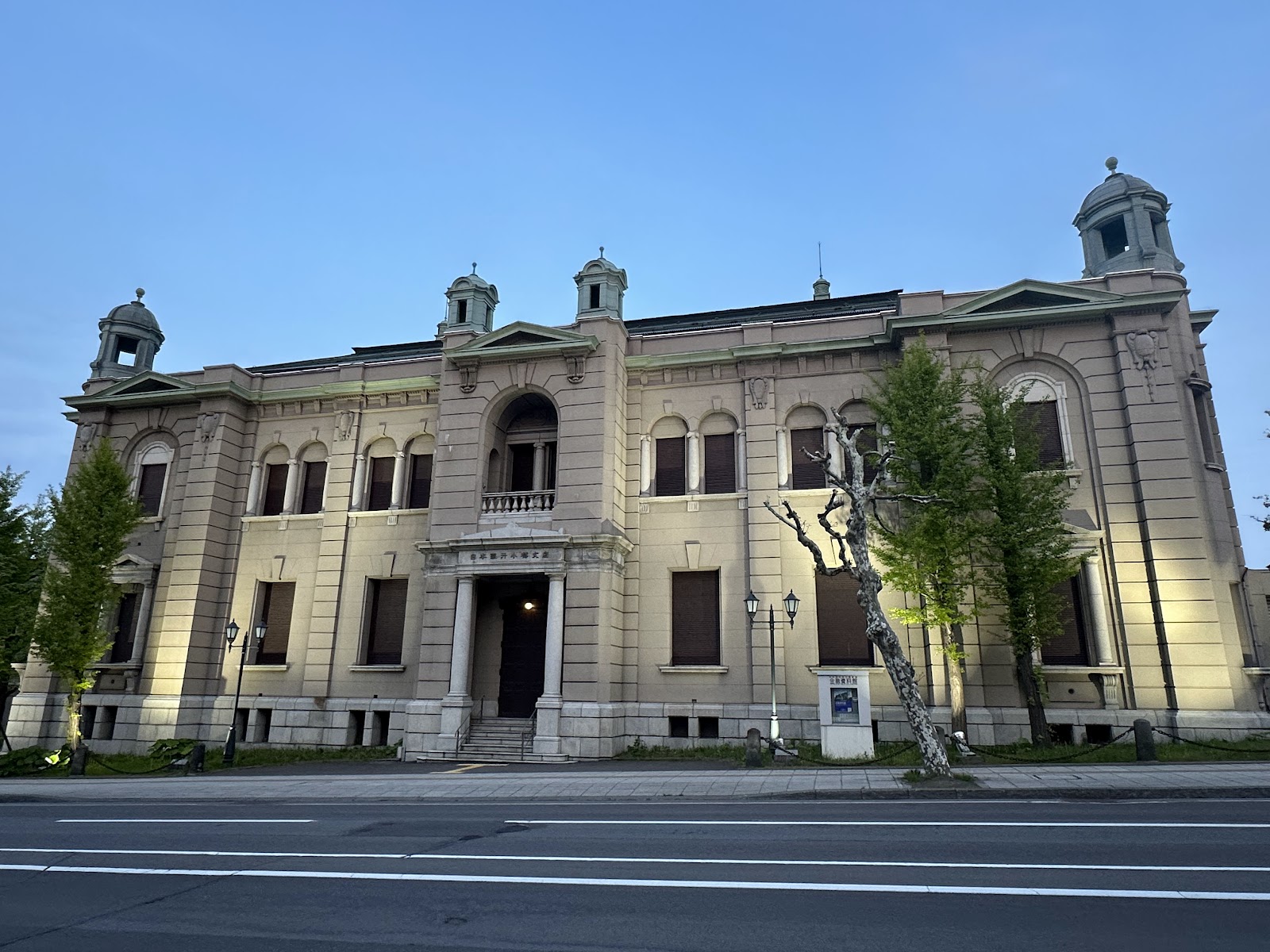
A free money museum inside a magnificent former Bank of Japan branch, recalling Otaru's era as the financial capital of the north.
The Bank of Japan Otaru Museum is one of the most rewarding free attractions in Otaru, a grand stone building that once housed a branch of Japan's central bank and now tells the story of money and of the town's remarkable golden age. It stands on Nichigin-dori, the old banking street sometimes called the Wall Street of the North, a reminder that this modest canal town was once the financial heart of Hokkaido.
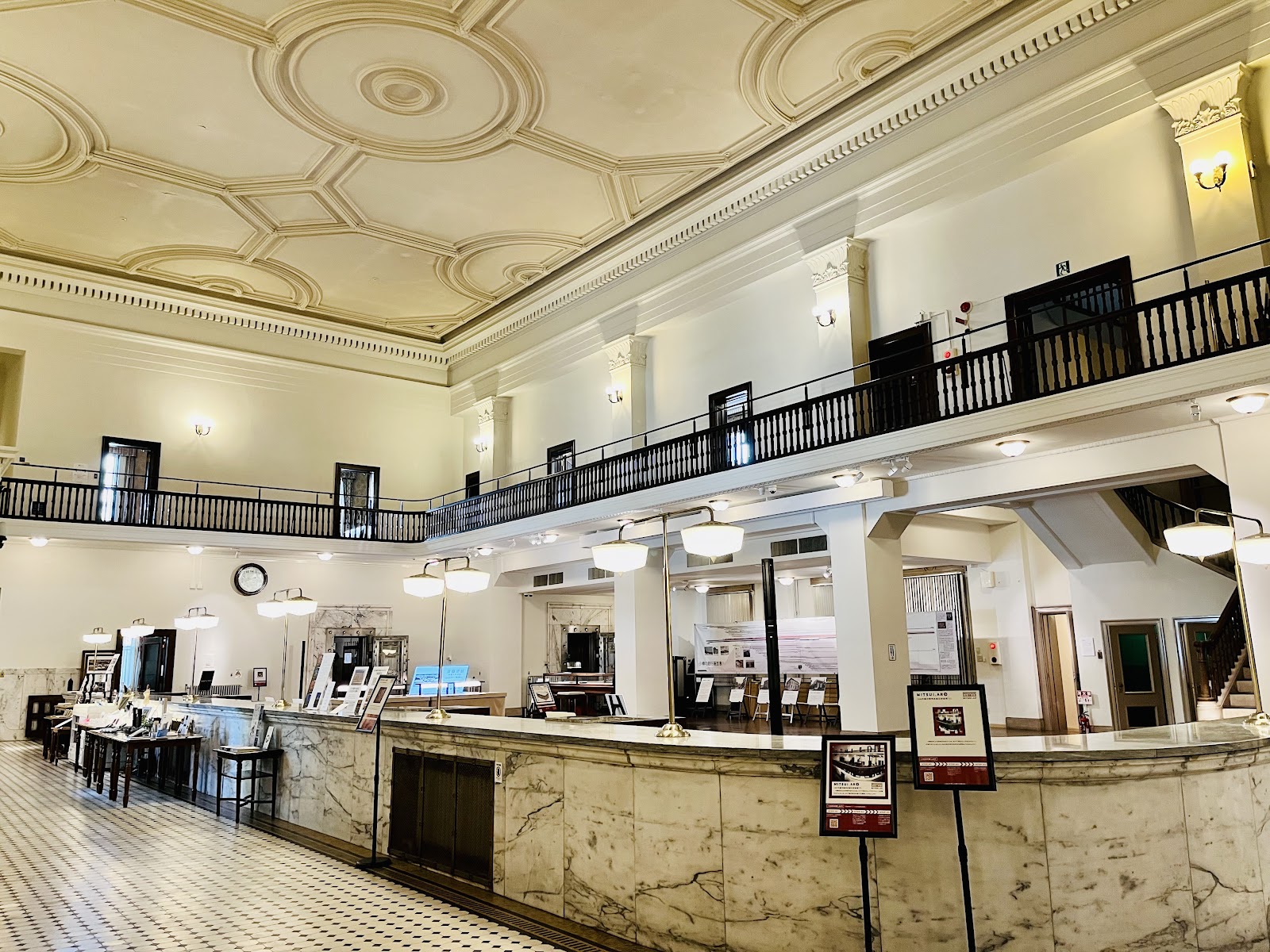
Otaru's prosperity was built on herring, coal and trade. In the late nineteenth and early twentieth centuries, as Hokkaido was rapidly developed, Otaru became the island's principal port and commercial centre, and the major banks built imposing branches here to handle the flow of money. The Bank of Japan opened its Otaru branch in 1912 in a monumental building designed by Tatsuno Kingo, the architect behind Tokyo Station, and its dignified stone facade, domes and columns still dominate the street. When the branch closed in 2002, the building was preserved and reopened as a museum, so that the architecture itself is a large part of the attraction.
Inside, the museum explains the role of the Bank of Japan and the history of Japanese currency, with displays of banknotes and coins, exhibits on how money is made and how counterfeiting is prevented, and a look at the workings of a central bank. The setting adds greatly to the experience: you can peer into the great banking hall, explore areas that once handled vast sums, and step into the old vault. A popular hands-on moment lets visitors lift a mock bundle of banknotes representing one hundred million yen to feel its surprising weight, a favourite with children and photographers alike.
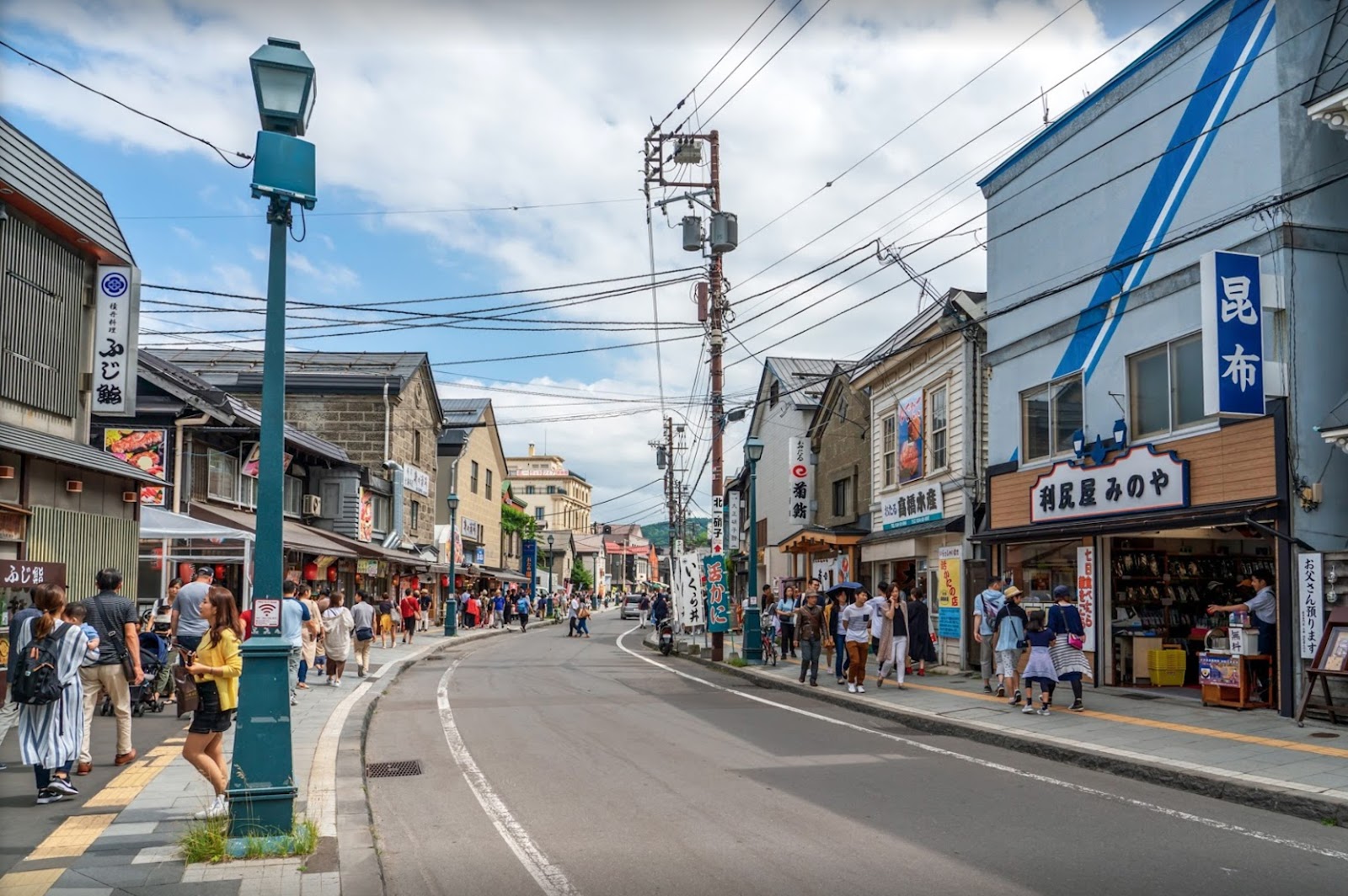
A notable feature is how the museum captures a lost chapter of Hokkaido's history. Walking the surrounding streets, lined with other former banks now repurposed as shops, restaurants and hotels, you sense the ambition of Otaru at its peak, and the museum anchors that story with real substance rather than nostalgia alone. English signage is present though limited, but the visual displays and the building itself communicate clearly.
The visiting experience is compact and easy, ideal as one stop among several in Otaru. The exhibits can be enjoyed thoroughly in around forty-five minutes, admission is free, and there are restrooms and a small shop on site. The ground-floor areas are largely accessible. Because it is indoors, it makes a welcome retreat in poor weather or the cold of a Hokkaido winter.
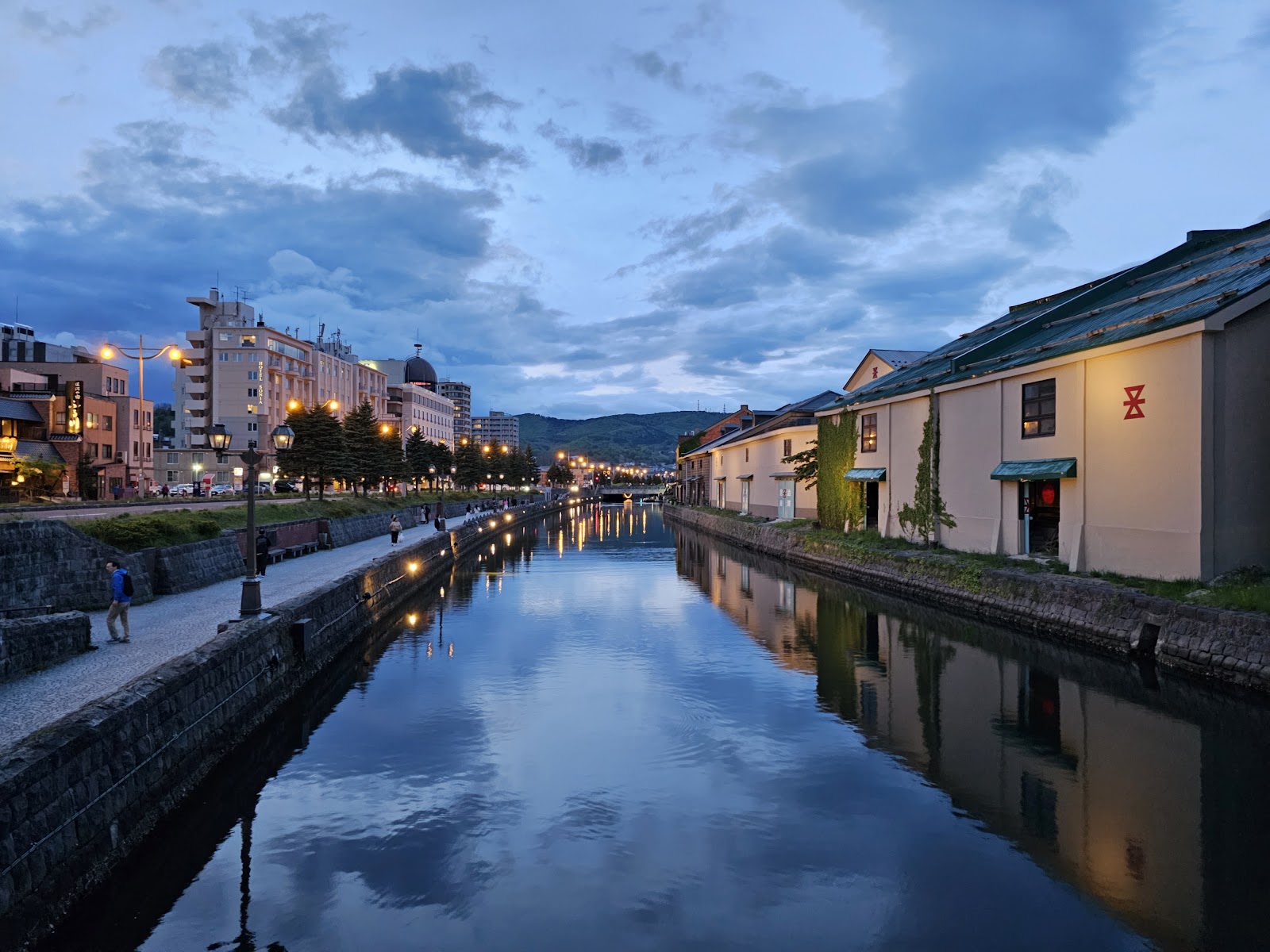
It is a year-round attraction, and it pairs naturally with Otaru's other sights, the canal, the historic warehouses, the music box museum and Sakaimachi Street, all within easy walking distance.
Getting there is simple. From JR Otaru Station it is about a ten-minute walk downhill toward the canal, and the museum stands prominently on Nichigin-dori among the town's cluster of grand former banks. For anyone interested in architecture, economic history, or simply how a small northern port once punched far above its weight, it is a genuinely interesting and cost-free stop.
A local's tip
Try lifting the display bundle of banknotes worth 100 million yen, a favourite photo moment inside the old vault.
Best time to visit
Any season; a good indoor stop while exploring Otaru's old banking street
Getting there
Walk about 10 minutes from JR Otaru Station down toward the canal; the museum stands on Nichigin-dori, the old banking street, in a grand former Bank of Japan branch.
Good to know
- Wi-Fi
- Restrooms
- Museum Shop
Plan the whole trip offline
Bank of Japan Otaru Museum is one of many places in the Real Japan app — with turn-by-turn directions, nearby spots and full offline maps you can use with no signal.