A historic street of white-walled sake breweries in Saijo, one of Japan's three great sake towns, offering tours and tastings.
Saijo Sake Brewery Street, known in Japanese as Sakagura-dori, is a historic run of traditional breweries in the town of Saijo, part of the city of Higashihiroshima east of the prefectural capital. Saijo is celebrated as one of Japan's three great sake-brewing centres, alongside Nada in Kobe and Fushimi in Kyoto, and this compact street packs seven working breweries into a few walkable blocks. With its white-plastered warehouse walls, dark-tiled roofs and red-brick chimneys, it is a wonderfully atmospheric place to explore - and, for lovers of sake, close to a pilgrimage.
The reason so many breweries gathered here lies underground and overhead. Saijo enjoys an ideal combination for brewing: soft, mineral-rich spring water flowing from the surrounding hills, high-quality local rice, and a cool climate well suited to fermentation. From the late nineteenth century onward, brewers refined their techniques here and the town's reputation grew, until this short street became one of the most concentrated and productive brewing districts in the country. Several of the breweries trace their origins back centuries, and their Edo- and Meiji-era buildings still stand along the road.
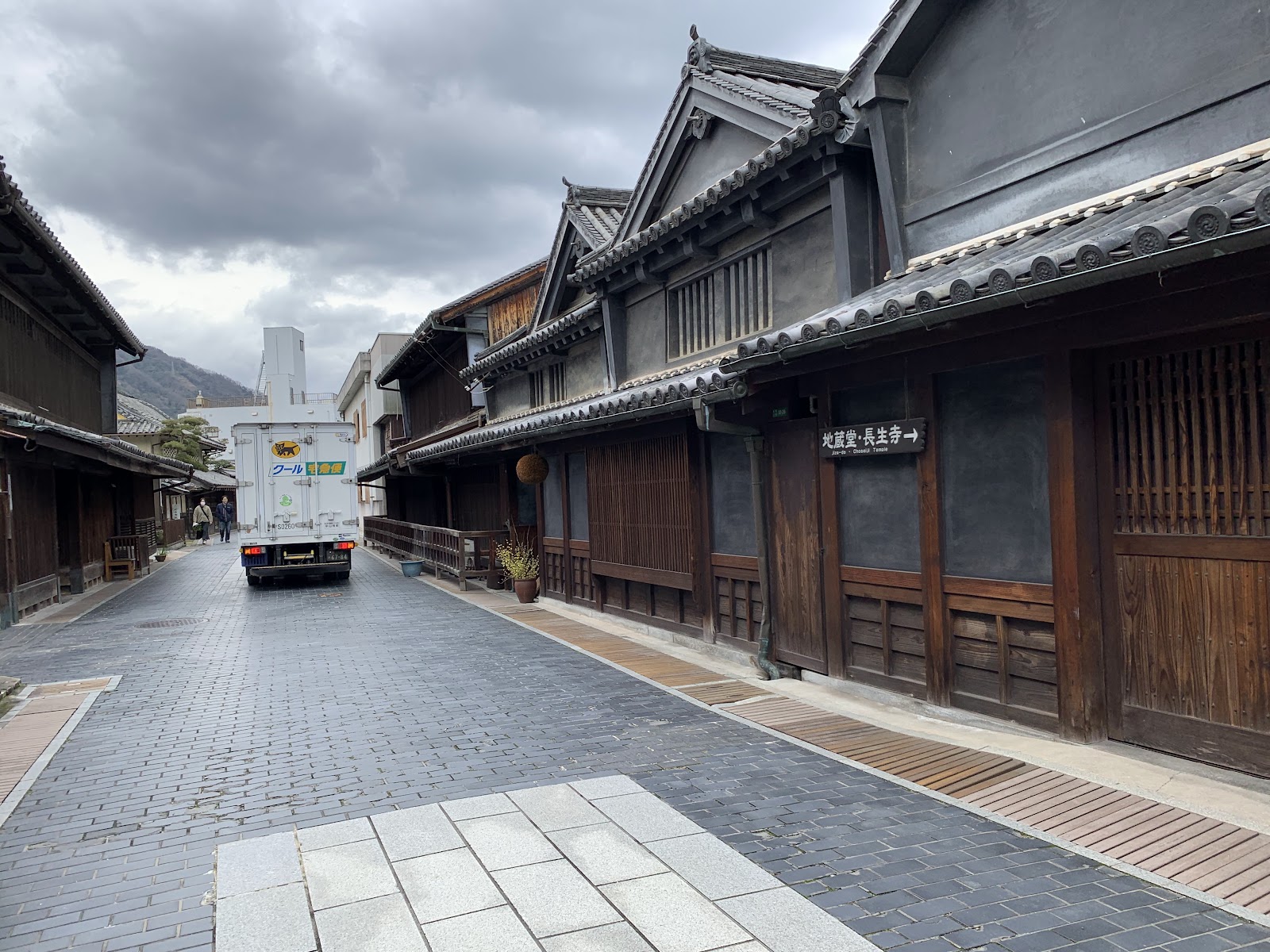
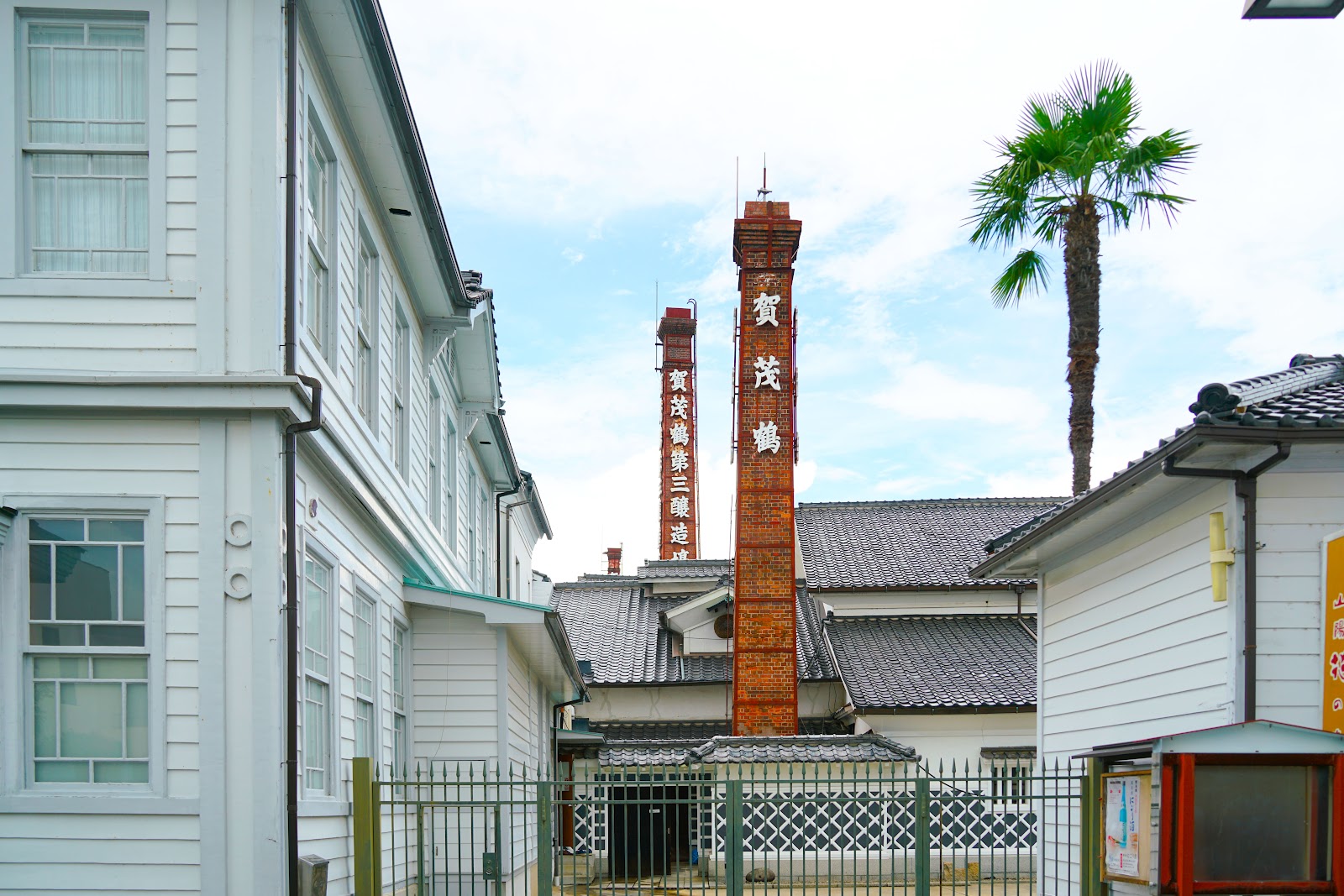
Walking Sakagura-dori is a pleasure in itself. The distinctive brewery townscape - the namako white-and-black walls, the tall red-brick chimneys that once vented the steam of brewing, the old warehouses and shopfronts - gives the street a strong sense of place and history. In the brewing season of winter, steam rises from the chimneys and the aroma of fermenting rice hangs in the air. Spring-water fountains along the way let you taste the very water that goes into the sake, and each brewery has its own character, from grand old houses to smaller family operations.
The real draw, though, is the tasting. Most of the seven breweries welcome visitors, offering tours of their facilities and tastings of their sake, often free or for a small fee, along with shops selling their bottles and sometimes sake-flavoured sweets, ice cream and snacks. Going brewery to brewery, comparing the dry and the sweet, the crisp and the rich, is a delightful way to spend an afternoon and to learn how Japan's national drink is made. The town's greatest moment comes each October with the Sake Matsuri, one of Japan's largest sake festivals, when a booth pours hundreds of different sakes from across the country and the streets throng with happy crowds - a legendary event for enthusiasts.
The experience is easy and flat, an unhurried stroll suitable for everyone, with the obvious caveat that it involves alcohol - pace yourself, use the water fountains, and let the train do the driving. Beyond the tastings, the district rewards slow appreciation of its historic architecture and its distinctive brewing atmosphere. It makes an excellent half-day excursion from Hiroshima, a change of pace from the city's memorials and shopping.
Getting there is straightforward: take a JR Sanyo Line train from Hiroshima Station about thirty-five to forty minutes to Saijo, and the brewery street begins just a few minutes' walk south of the station. Come with a small cup, a healthy curiosity and, ideally, a designated plan for the ride home, and let Saijo introduce you to one of the great capitals of Japanese sake.
A local's tip
Many of the seven breweries offer free or cheap tastings, and free-flowing spring water fountains line the street - bring a small cup. If you visit in October, the Sake Matsuri is one of Japan's great drinking festivals, pouring hundreds of sakes from across the country.
Best time to visit
October, during the Sake Matsuri festival, or any clear day
Getting there
Take a JR Sanyo Line train from Hiroshima Station about 35-40 minutes to Saijo; the brewery street, Sakagura-dori, begins a few minutes' walk south of the station.
Good to know
- Wi-Fi
- Restrooms
Plan the whole trip offline
Saijo Sake Brewery Street is one of many places in the Real Japan app — with turn-by-turn directions, nearby spots and full offline maps you can use with no signal.