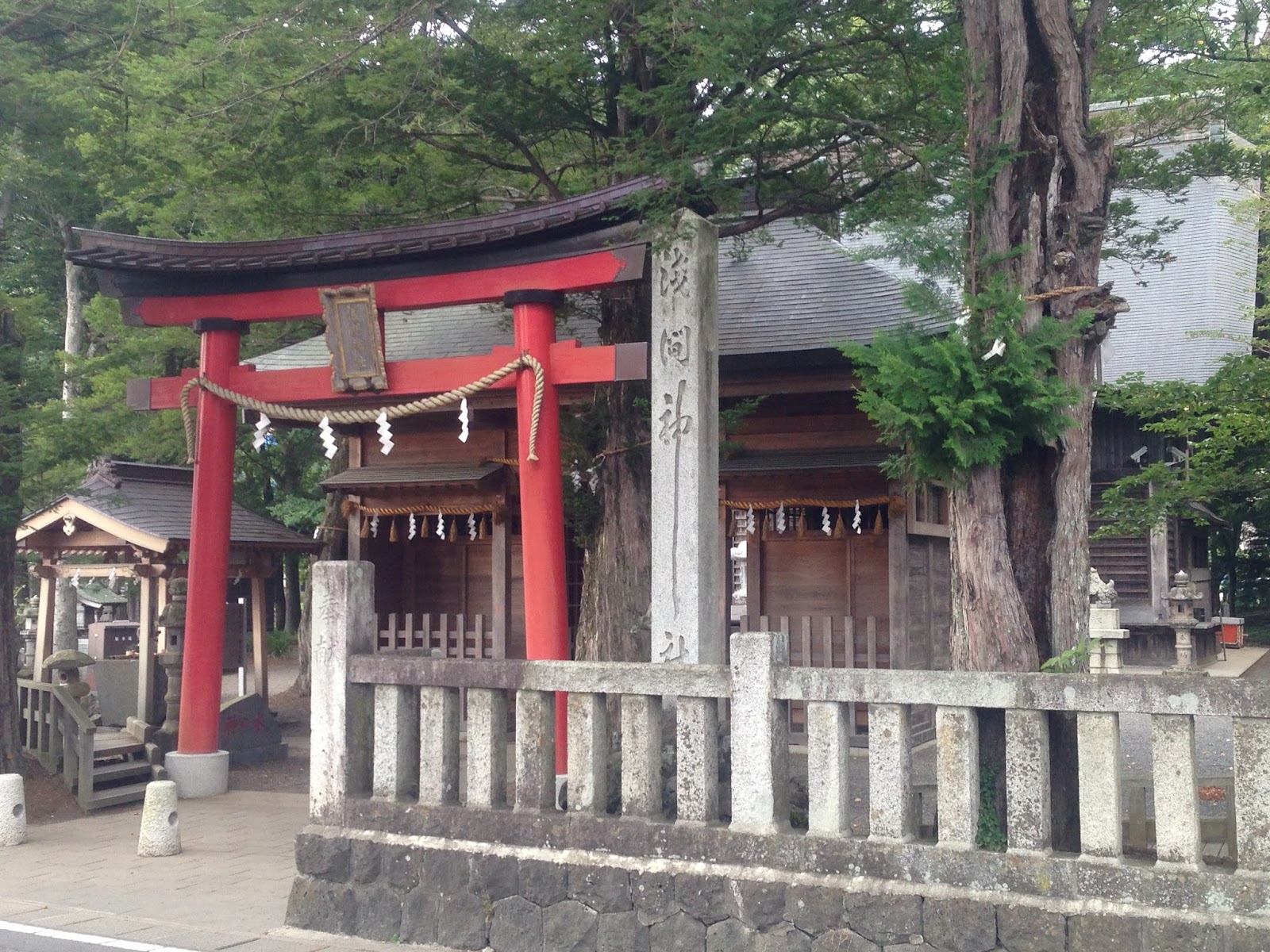
The 9th-century guardian shrine of Oshino village, ringed by giant cedars beside the famous spring ponds.
Oshino Sengen Shrine (Shinobu Oshino Sengen Jinja) is the ancient spiritual heart of Oshino village, the picturesque settlement between Lake Kawaguchi and Lake Yamanaka famous for its crystal-clear spring ponds. Said to have been founded in 807, the shrine is the guardian deity of the village and of the celebrated Oshino Hakkai, the eight sacred ponds fed by snowmelt filtered through the lava beds of Mount Fuji. For over twelve centuries it has watched over this place where the mountain's meltwater rises pure and cold from the ground, and it remains a serene, atmospheric counterpart to the busier ponds nearby.
The shrine belongs to the wider network of Sengen shrines devoted to the worship of Mount Fuji, and it served as one of the traditional stations for pilgrims and ascetics preparing to climb the sacred peak. Its most striking features are its trees: the precincts are flanked by towering ancient cedars, some of great age and size, whose massive trunks and high canopy create a hushed, cathedral-like atmosphere. Weathered stone lanterns, mossy approaches and a dignified main hall complete a scene of deep, quiet antiquity that rewards unhurried exploration.
Because Oshino village is best known for the Oshino Hakkai ponds, many visitors pass through without realising that the shrine is the sacred anchor of the whole site. Taking the short walk to the shrine adds real depth to a visit, connecting the famous clear waters to the Fuji worship that gave them their sacred status. The ponds were considered holy, used by pilgrims for ritual purification before ascending the mountain, and the shrine is where that spiritual meaning is rooted. Together, ponds and shrine tell a single story of water, mountain and faith.
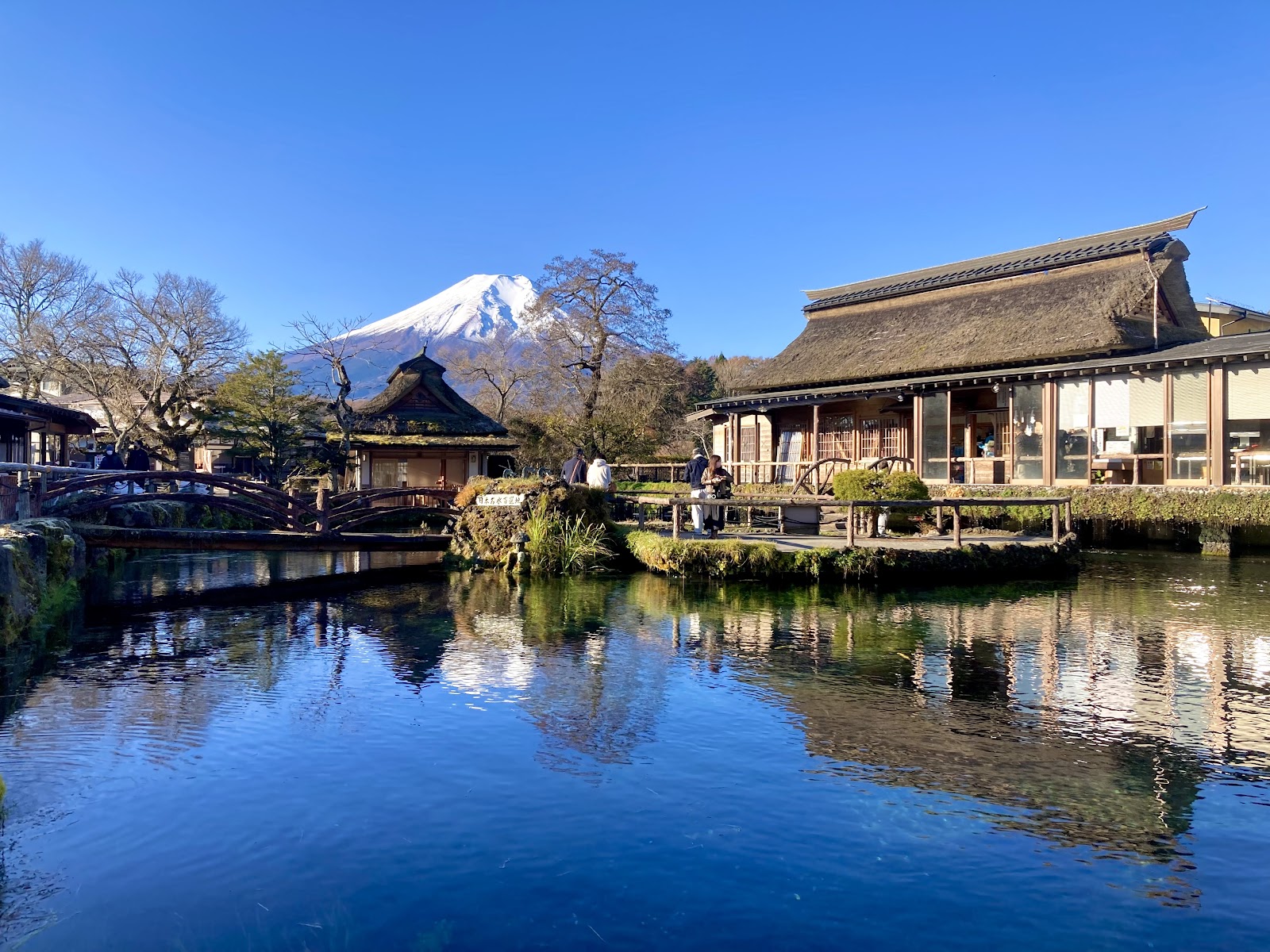
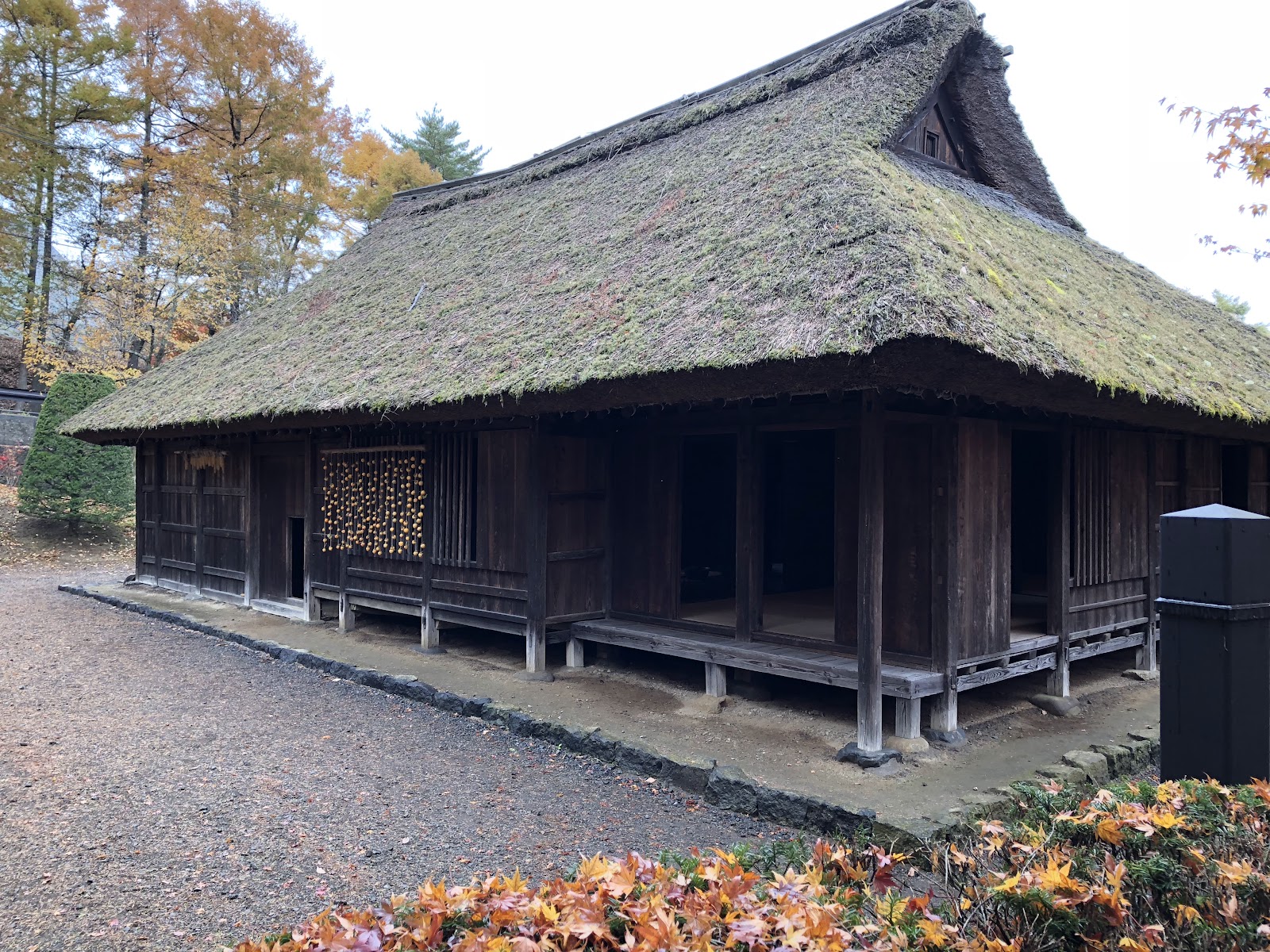
The setting is charming in every season. The ancient cedars are impressive year-round, autumn brings colour to the surrounding trees, and the traditional village atmosphere of Oshino, with its old thatched-roof houses and views of Mount Fuji rising beyond, makes the whole area a delight to explore on foot. The shrine's peaceful grounds offer a calm retreat from the crowds that gather at the ponds, especially in the middle of the day.
Getting there is easy as part of an Oshino outing. Buses run to Oshino Hakkai from both Kawaguchiko and Fujisan stations, and the shrine is a short walk from the ponds. There is no admission charge and the grounds are open at all hours, so it slots naturally into any visit to the village.
Allow around 40 minutes to walk the shrine precincts and admire the great cedars, and combine it with the eight ponds for a rewarding half-day of village history and clear-water scenery. For travellers exploring the Fuji Five Lakes, Oshino Sengen Shrine reveals the sacred heart behind one of the region's most photographed spots, an ancient, cedar-shrouded sanctuary that has guarded Oshino's holy springs for more than a thousand years.
A local's tip
Guardian deity of the Oshino Hakkai springs, the shrine is flanked by towering ancient cedars; combine it with the eight ponds for a half-day of village history and clear-water scenery.
Best time to visit
Any season; pairs with an Oshino Hakkai visit
Getting there
In Oshino village, between Lake Kawaguchi and Lake Yamanaka. Reach it by bus from Kawaguchiko or Fujisan stations toward Oshino Hakkai; the shrine is a short walk from the famous ponds.
Good to know
- Parking
- Restrooms
Plan the whole trip offline
Oshino Sengen Shrine is one of many places in the Real Japan app — with turn-by-turn directions, nearby spots and full offline maps you can use with no signal.