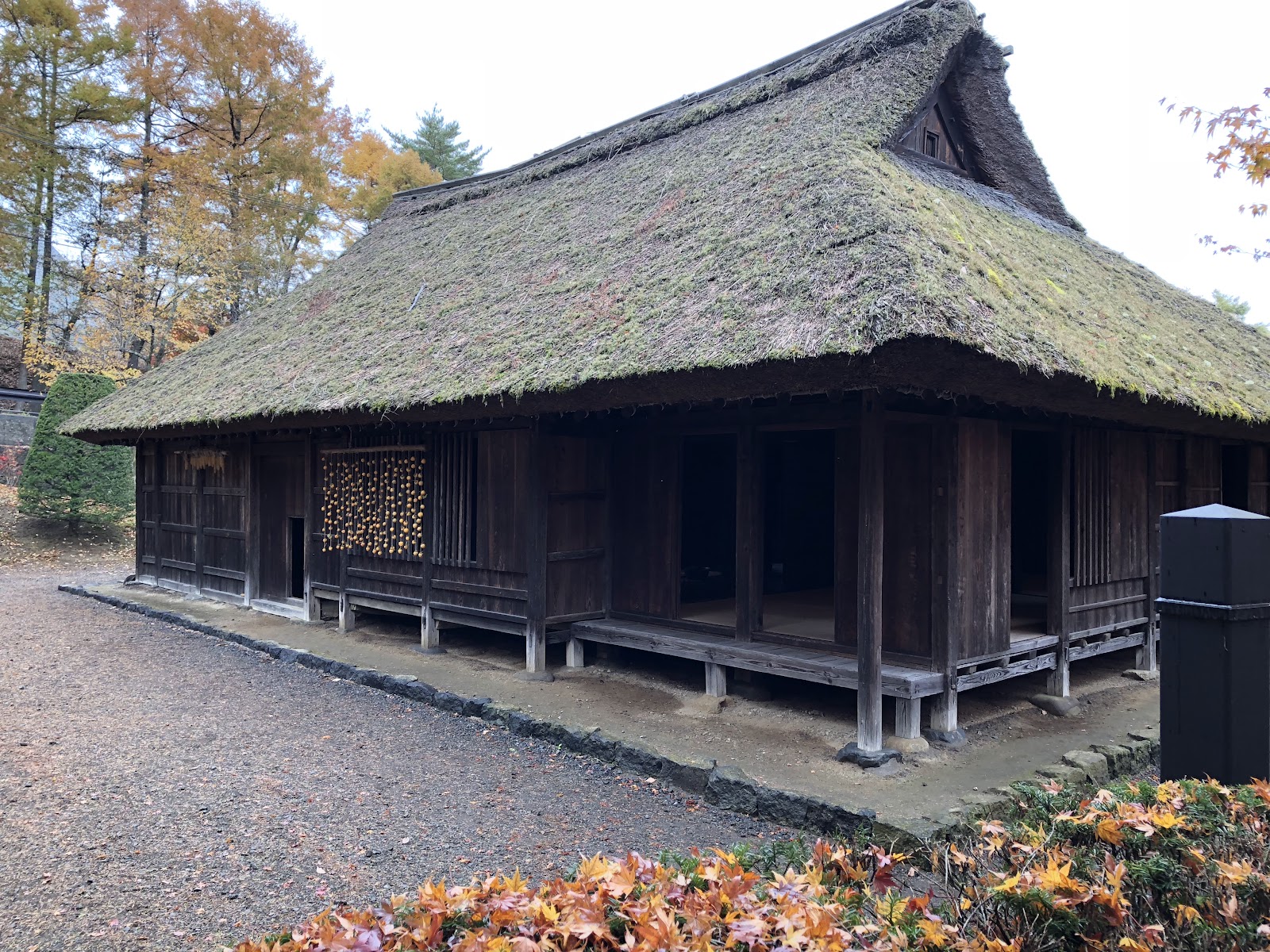
Fujiyoshida's municipal museum on the history of Mt. Fuji worship and the Yoshida pilgrimage route.
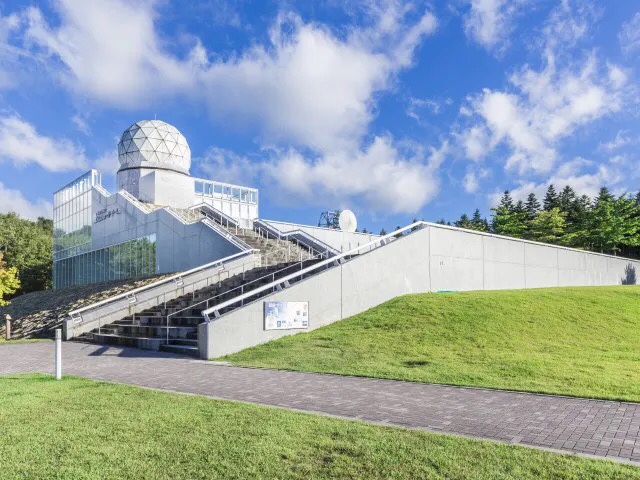
The Fujisan Museum — the municipal museum of Fujiyoshida, sometimes still called by its older name — is the region's deepest dive into the human story of Mt. Fuji, and especially into the centuries-old tradition of pilgrimage that made the mountain sacred. While the World Heritage Center across town gives the polished overview, this museum goes further into the folk history, the faith and the everyday lives of the people who climbed and worshipped Fuji.
The permanent exhibits trace the rise of Fuji-ko, the popular pilgrimage confraternities that flourished in the Edo period, when townsfolk from across Japan saved money to send members on the arduous ascent up the Yoshida trail. You see the pilgrims' white robes, walking staffs, guidebooks, votive objects and the network of oshi lodging houses in Fujiyoshida that once hosted them — a whole spiritual tourism economy from centuries before the age of trains and buses. There are also displays on the volcano's geology and eruptions, on local life at the mountain's foot, and on how Fuji became the artistic and religious symbol it is today.
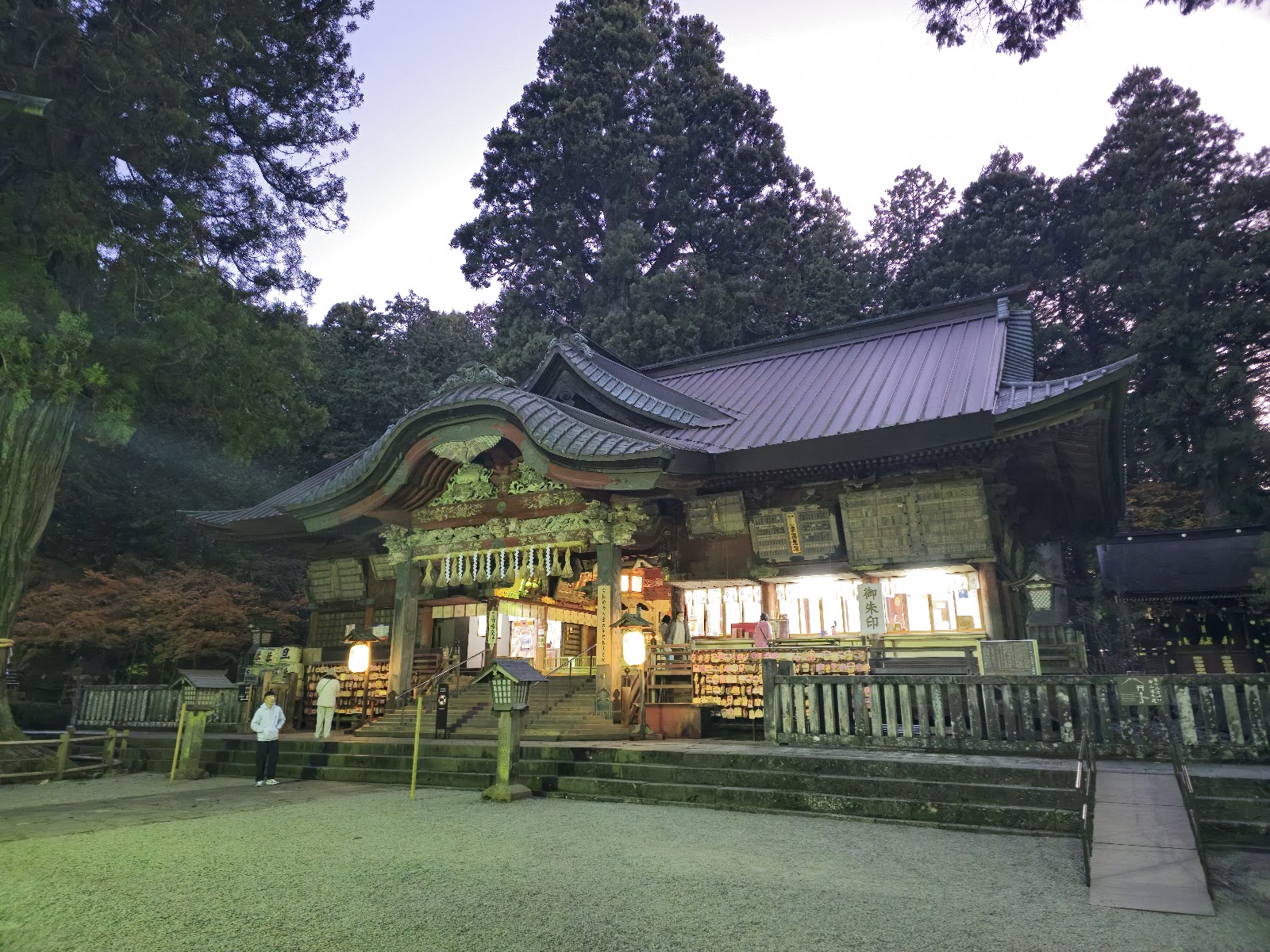
What gives the museum its power is location and context. It sits within a history park in Fujiyoshida, close to the Kitaguchi Hongu Fuji Sengen Shrine, the atmospheric cedar-shaded shrine that was the traditional gateway to the Yoshida climbing route. After learning the story indoors, you can walk to the very shrine and trailhead where real pilgrims began their climb — a rare case where a museum and its subject sit side by side. The surrounding park also preserves old buildings and grounds that reward a slow wander.
Historically, the museum matters because it preserves the intangible heritage that earned Fuji its UNESCO listing: not the rock and ice, but the beliefs, rituals and communities built around the mountain. For visitors used to thinking of Fuji purely as a photo subject, it reframes the peak as a place people have revered, feared and climbed for spiritual reasons for many hundreds of years.
The exhibits are thoughtfully presented with a good measure of English explanation, and the scale is manageable — around an hour is enough to take it in without fatigue. It works well in any weather and is a particularly rewarding rainy-day option, since it turns a lost mountain view into a richer understanding of the mountain itself.
The visiting experience is easy and uncrowded compared with the lakeside attractions: the museum is mostly single-level, with restrooms, a gift shop and parking on site, and the adjoining park is pleasant to stroll. Cherry trees around the grounds add spring colour. To get there, ride a local bus or take a short taxi from Fujisan Station toward Sengen Park; drivers will find free parking. Pair it with the Sengen shrine next door for a half-day that connects Fuji's landscape to its long human history.
A local's tip
Combine it with the nearby Kitaguchi Hongu Fuji Sengen Shrine, the traditional starting point of the Yoshida climbing route — the museum explains exactly what you are looking at there.
Best time to visit
Any season; pairs well with a visit to Kitaguchi Hongu Fuji Sengen Shrine nearby
Getting there
From Fujisan Station take a local bus or taxi toward Sengen Park; the museum sits within the Fujiyoshida history park near the historic Sengen shrine and the old pilgrimage trailhead.
Good to know
- Parking
- Gift Shop
- Restrooms
Plan the whole trip offline
Fujisan Museum (Fujiyoshida) is one of many places in the Real Japan app — with turn-by-turn directions, nearby spots and full offline maps you can use with no signal.