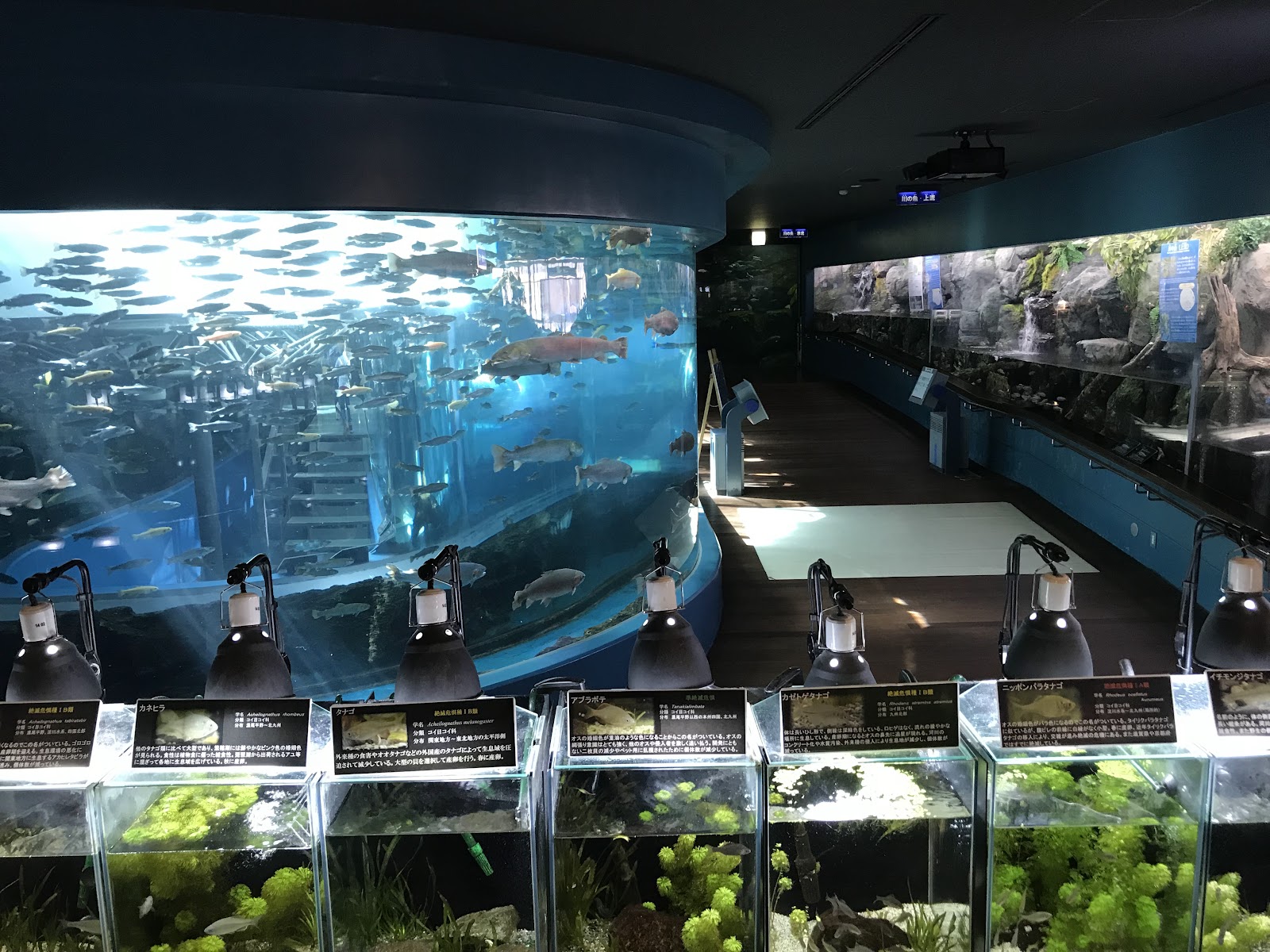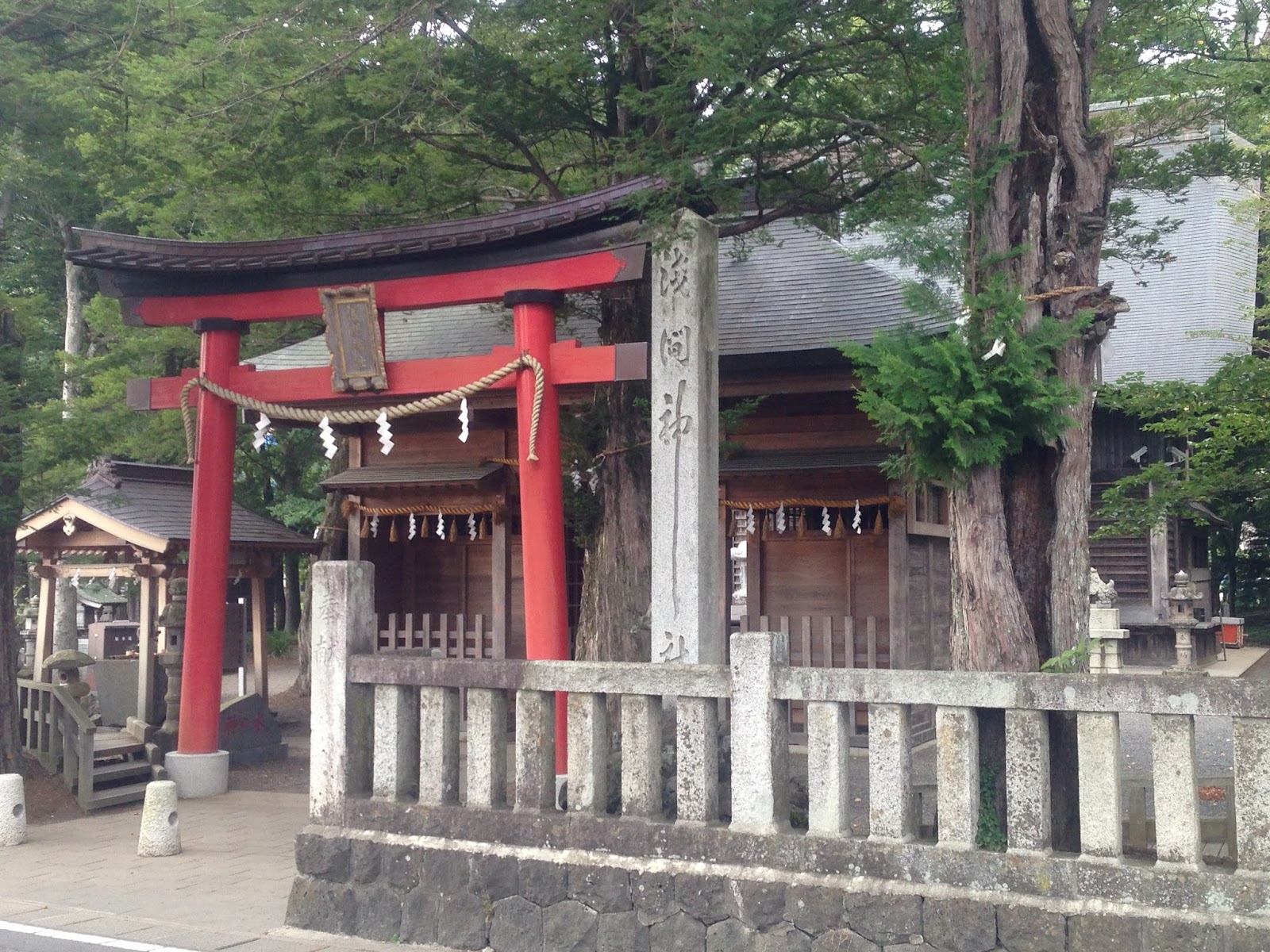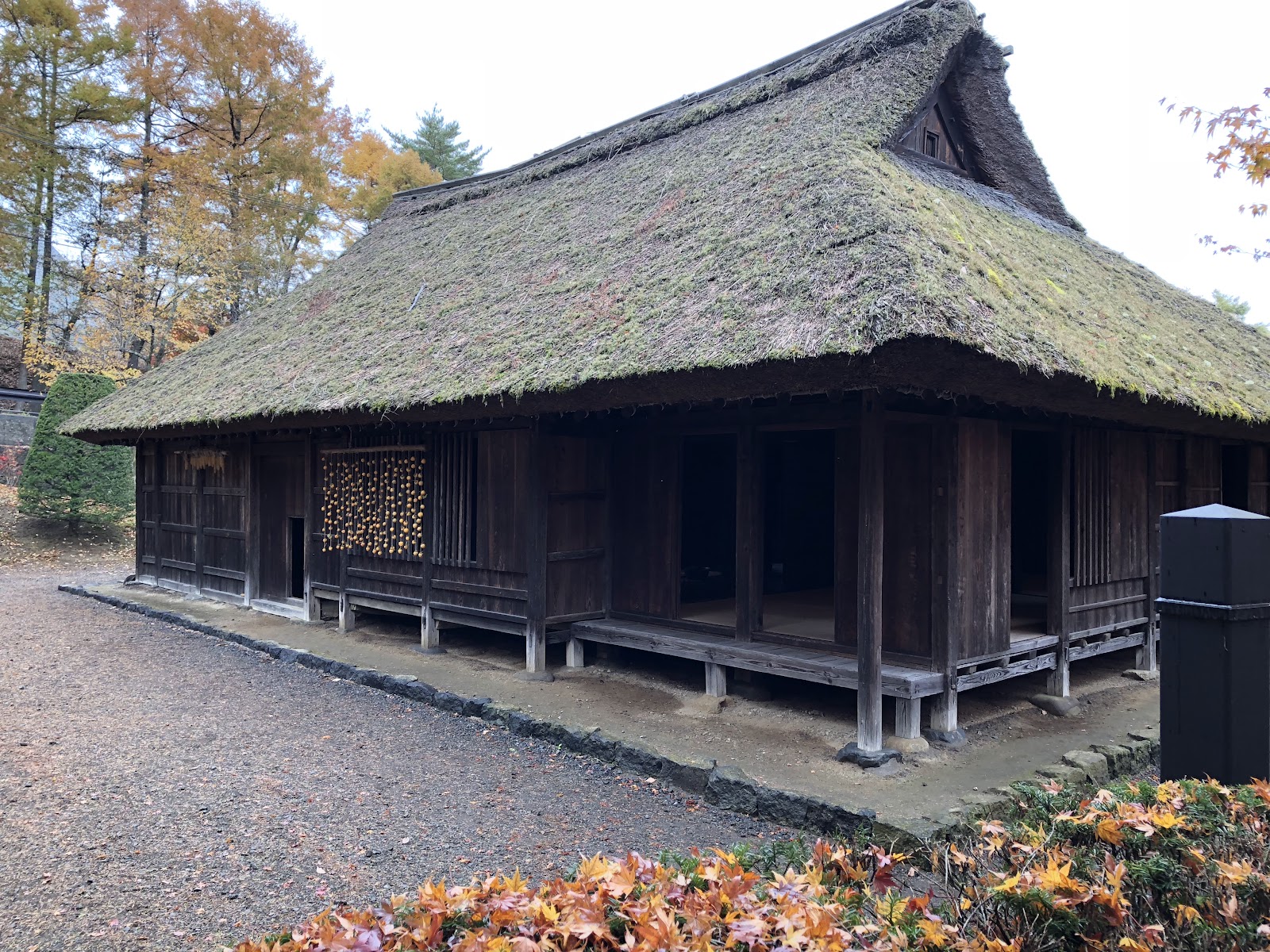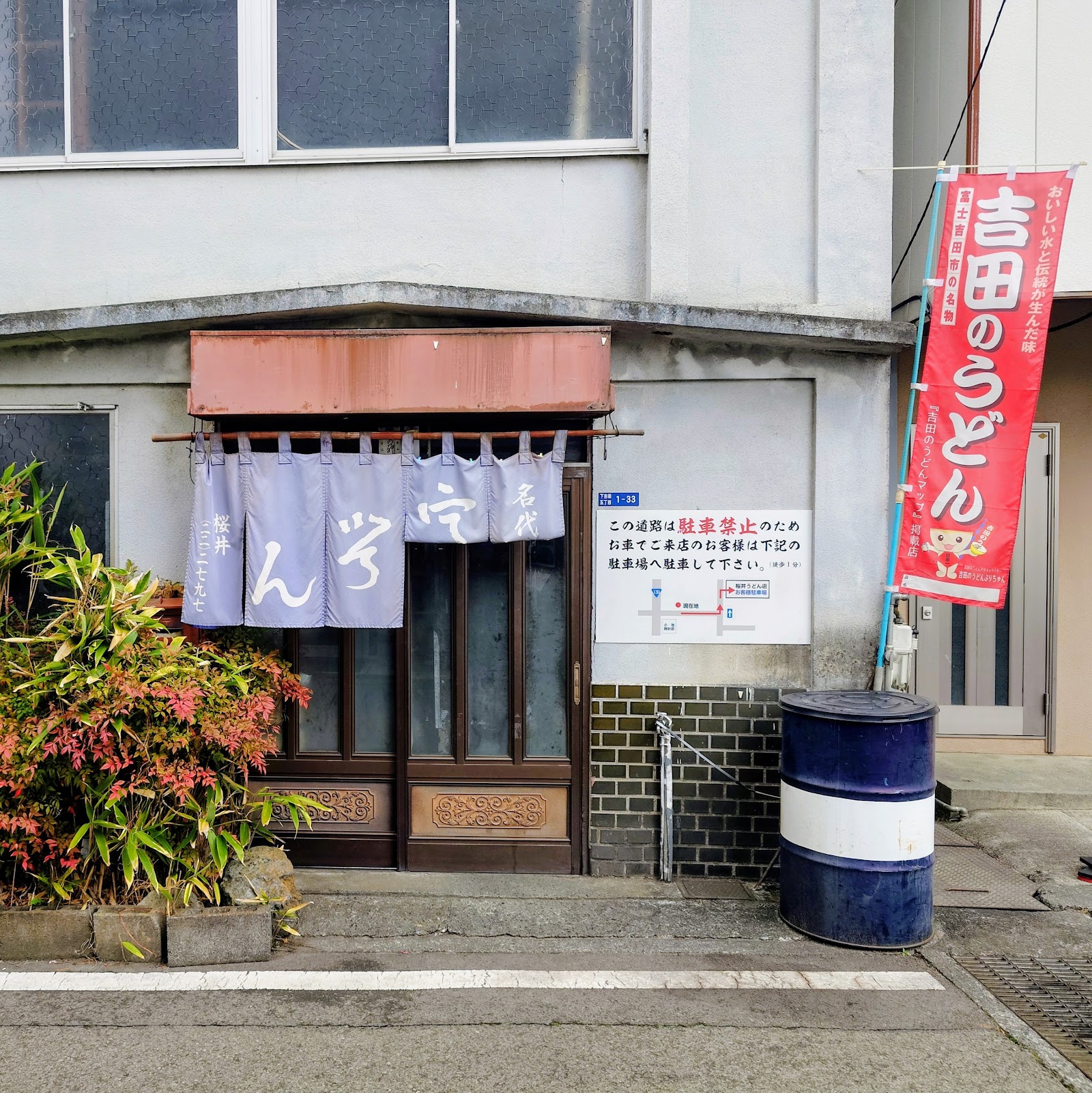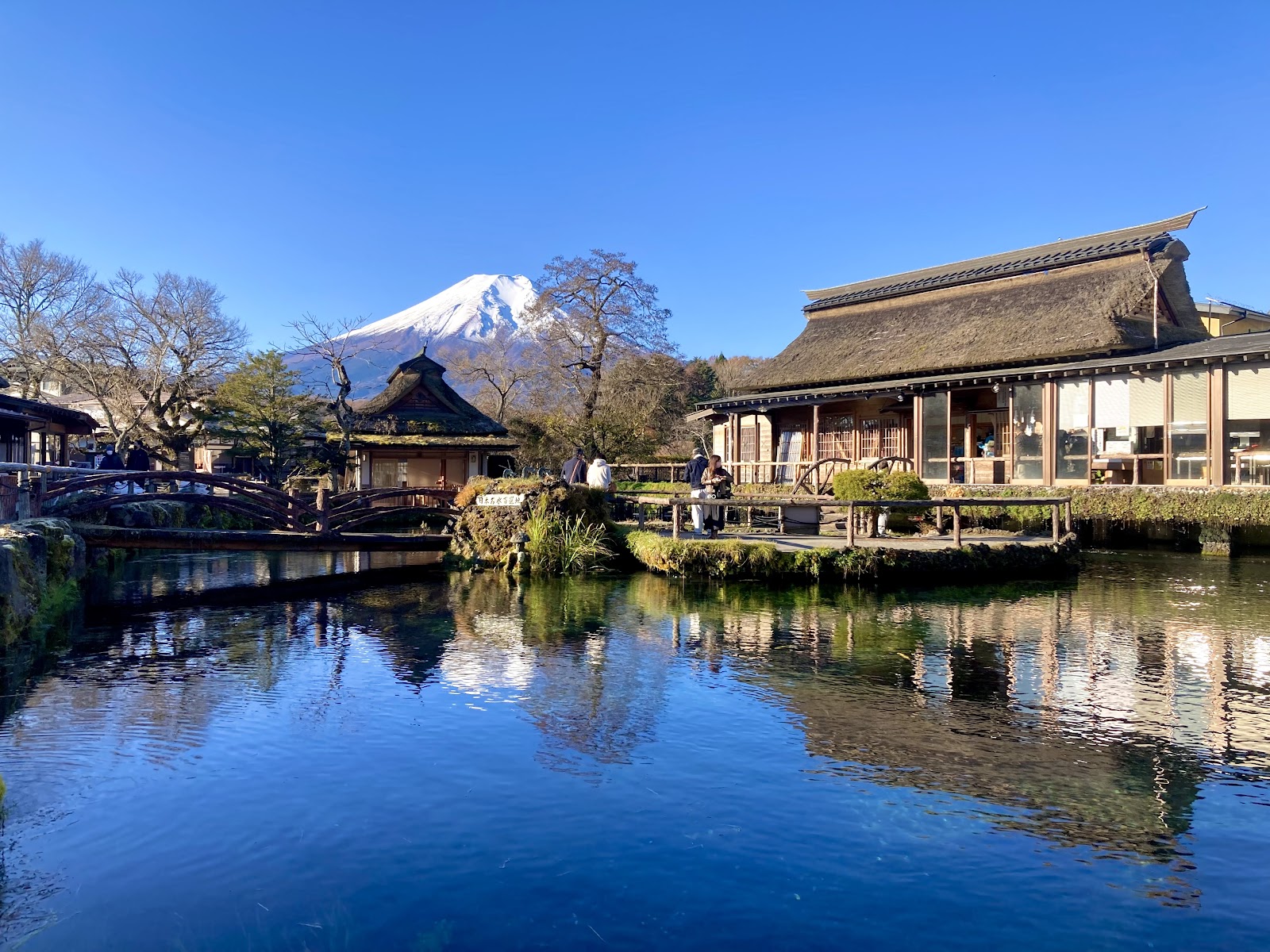
A cluster of eight crystal-clear spring-fed ponds fed by Mount Fuji snowmelt, set in a traditional thatched village.
Oshino Hakkai, literally 'the eight seas of Oshino', is a set of eight startlingly clear ponds in the village of Oshino, nestled on the plateau between Lake Kawaguchi and Lake Yamanaka. The ponds are fed by snowmelt from Mount Fuji that percolates down through porous layers of lava rock over a span estimated at around 80 years, emerging filtered to remarkable purity. The water is so transparent that fish and waterweed appear to float in mid-air, and some pools reach depths of several metres while looking shallow enough to touch bottom.
The site has deep spiritual roots. For centuries, pilgrims climbing Mount Fuji would perform ritual purification in these waters before beginning their ascent, and each of the eight ponds is associated with one of eight guardian dragon deities. Oshino once held a ninth lake that dried up, leaving these eight, and the springs were designated a Natural Monument of Japan in 1934. In 2013 they were inscribed as part of the 'Fujisan' UNESCO World Heritage Site, recognised as a component of Mount Fuji's cultural and religious landscape.
The ponds are scattered through a compact, walkable village of traditional thatched-roof farmhouses, water wheels and small shops selling local soba noodles, grilled mochi and Fuji spring water. Each pond has its own character: Wakuike is the largest and most photographed, while the deep, cobalt-tinted Oshino pond behind the Hannoki Bayashi open-air museum is among the most striking. On a clear day, Mount Fuji rises directly behind the village rooftops, completing a scene that feels lifted from an old woodblock print. A notable fact: the spring water is certified as some of the best in Japan and can be drunk directly from designated taps.
Visiting is easy and gentle. The village paths are flat and mostly accessible, the eight ponds can be strolled in under an hour, and there is no admission to walk among most of them, though the Hannoki Bayashi Museum with its preserved farmhouse and private pond charges a small fee. The main drawback is popularity: Oshino Hakkai is a fixture on bus tours, and the narrow lanes grow crowded from mid-morning. Early arrival or a late-afternoon visit rewards you with quiet, clear water and unobstructed photographs.
The springs are beautiful in every season. Spring brings cherry blossoms and fresh green, summer offers cool respite and lush growth, autumn frames the ponds in red and gold foliage, and winter occasionally dusts the thatched roofs with snow beneath a clear view of Fuji. The water temperature stays remarkably constant year-round, so the ponds never freeze and their clarity is undiminished by the seasons.
Getting there requires a short bus ride, as Oshino has no train station. From Fujisan Station or Kawaguchiko Station, board a Fujikyu bus bound for Oshino or Lake Yamanaka and alight at the Oshino Hakkai stop after about 20 to 25 minutes, then walk a few minutes to the ponds. The Fujikyuko trains that reach these stations are not covered by the Japan Rail Pass, but IC cards work on both the trains and the local buses, and drivers will find paid parking beside the village.
A local's tip
Come right at opening or late afternoon; the eight ponds sit in a compact village that fills with tour groups by mid-morning, and the water is clearest before feet stir the surrounding paths.
Best time to visit
Early morning on a weekday to avoid crowds
Getting there
From Fujisan Station or Kawaguchiko Station take a Fujikyu bus toward Oshino, alighting at the Oshino Hakkai stop, roughly a 20-25 minute ride, then a short walk to the springs.
Good to know
- Parking
- Restrooms
- Food stalls
- Souvenir shops
Plan the whole trip offline
Oshino Hakkai is one of many places in the Real Japan app — with turn-by-turn directions, nearby spots and full offline maps you can use with no signal.