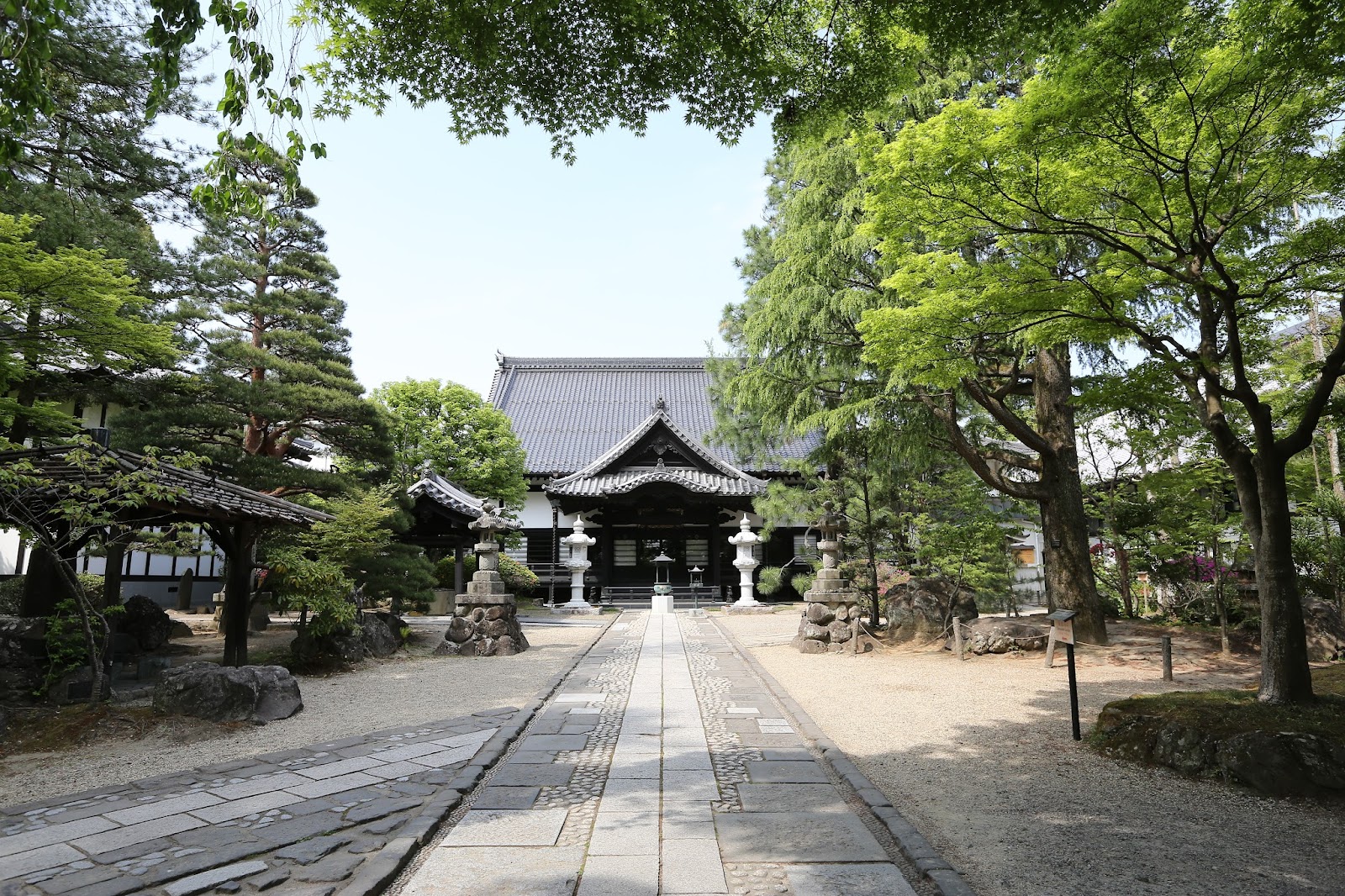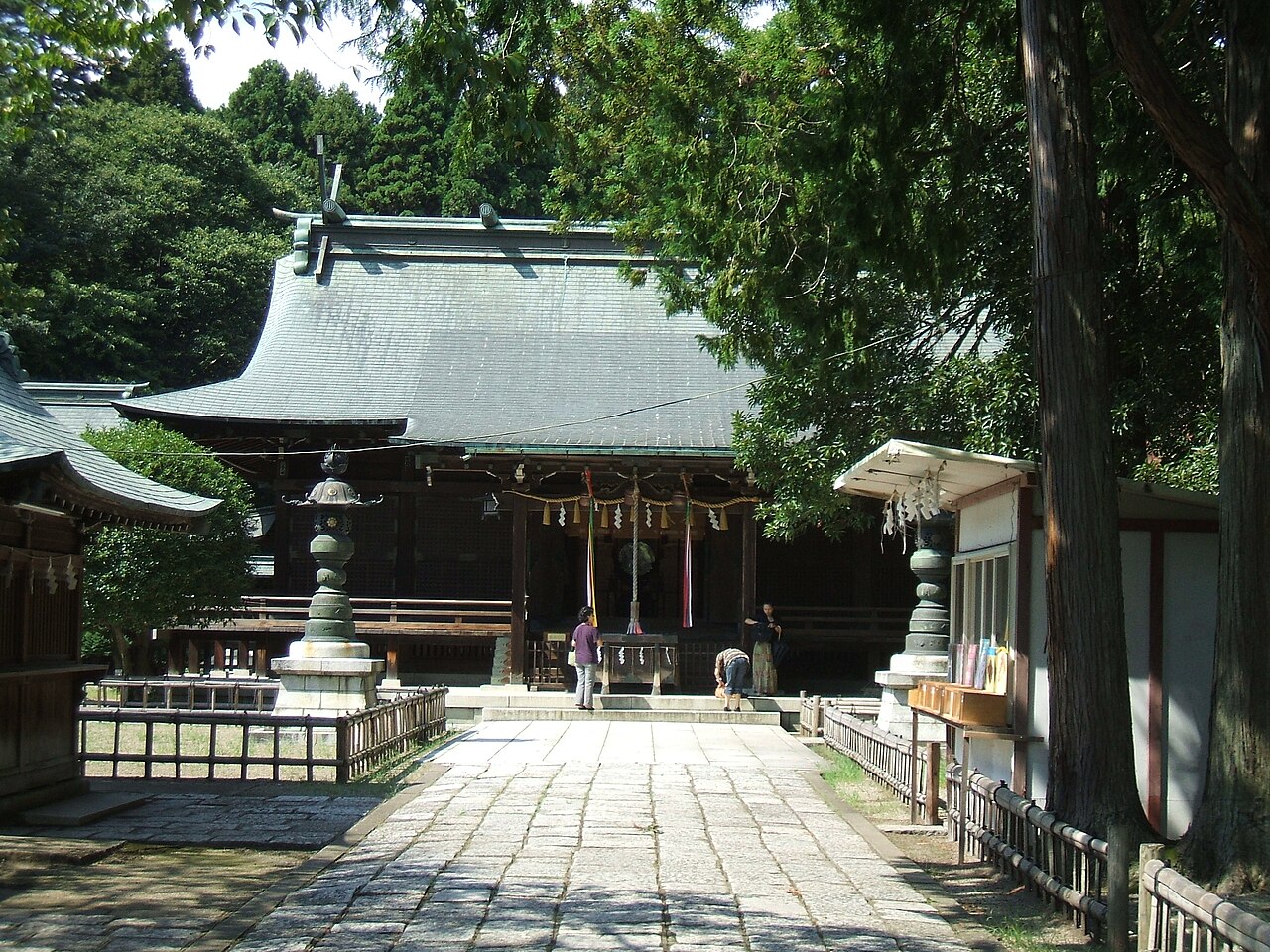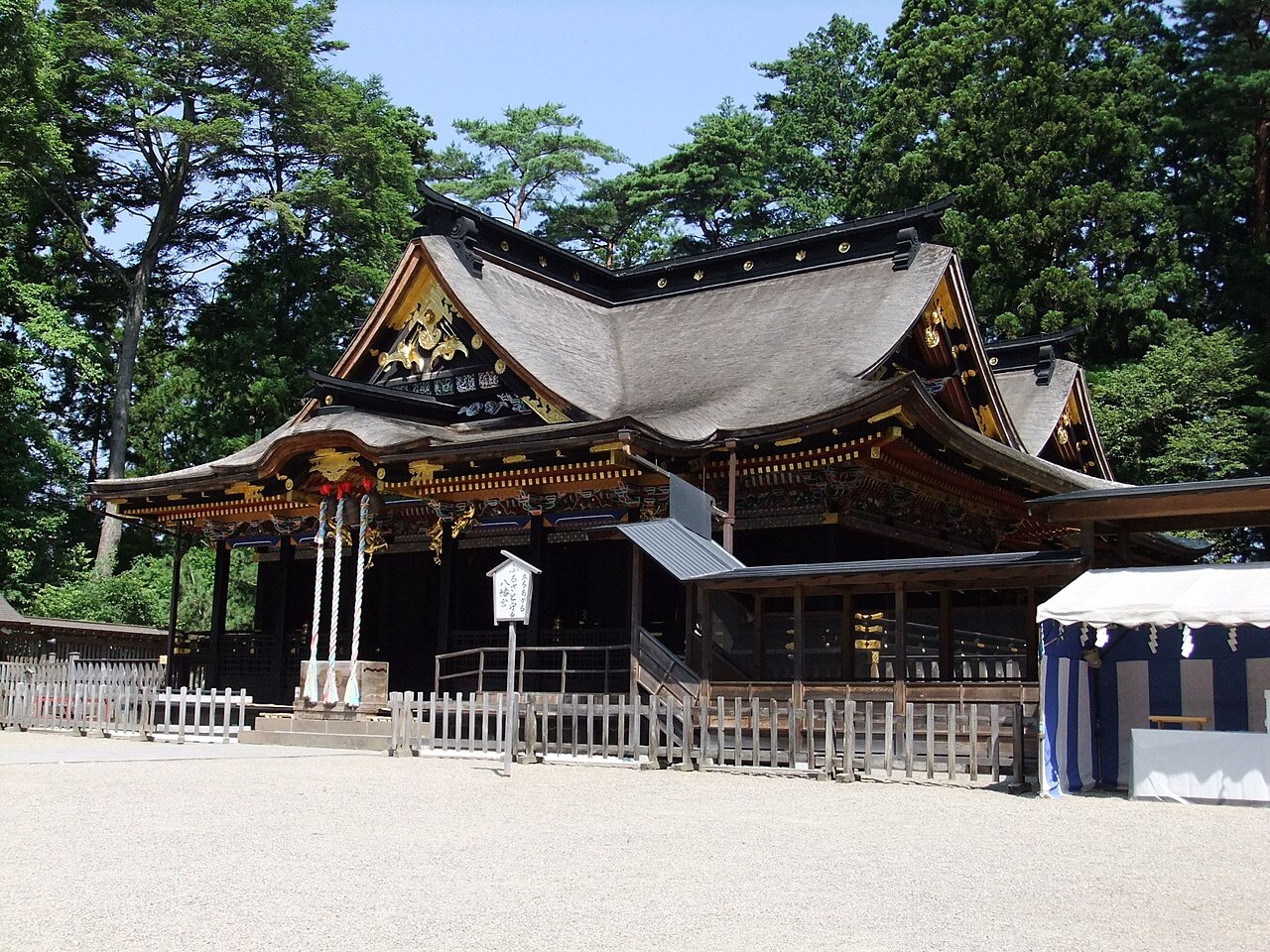
A gleaming black-and-gold National Treasure shrine built by Date Masamune, host of a famous fire festival.
Osaki Hachimangu is the most magnificent shrine in Sendai and one of the finest surviving examples of early Edo-period religious architecture in Japan, its main hall designated a National Treasure. Built by Date Masamune and completed in 1607, this striking black-lacquered and gold-adorned shrine sits atop a wooded hill in the northwest of the city and offers both architectural splendour and, each January, one of the Tohoku region's most dramatic festivals.
The shrine has ancient roots. It traces its origins to a Hachiman shrine established centuries earlier and moved by the Date clan, first to their former stronghold at Osaki and finally to Sendai when Masamune founded the city, bringing the family's guardian deity with them. Hachiman, the Shinto god of war and archery, was the natural protector for a warrior clan, and Masamune spared no expense in building a shrine worthy of the Date name. Remarkably, the current main hall is the original 1607 structure, having survived the centuries and the wartime destruction that levelled so much of Sendai, which makes it a genuinely rare and precious building.
Architecturally, Osaki Hachimangu is a jewel of the ornate Momoyama style. The main hall combines the honden sanctuary and haiden worship hall under a single roof in the elaborate ishinoma-zukuri form, and its exterior gleams with black lacquer offset by brilliant gold fittings, vividly coloured carvings and intricate decorative detail. The lavishness reflects both the confidence of the Date domain at its height and the artistic currents of the age, and the dark, glittering facade against the surrounding forest is unforgettable.
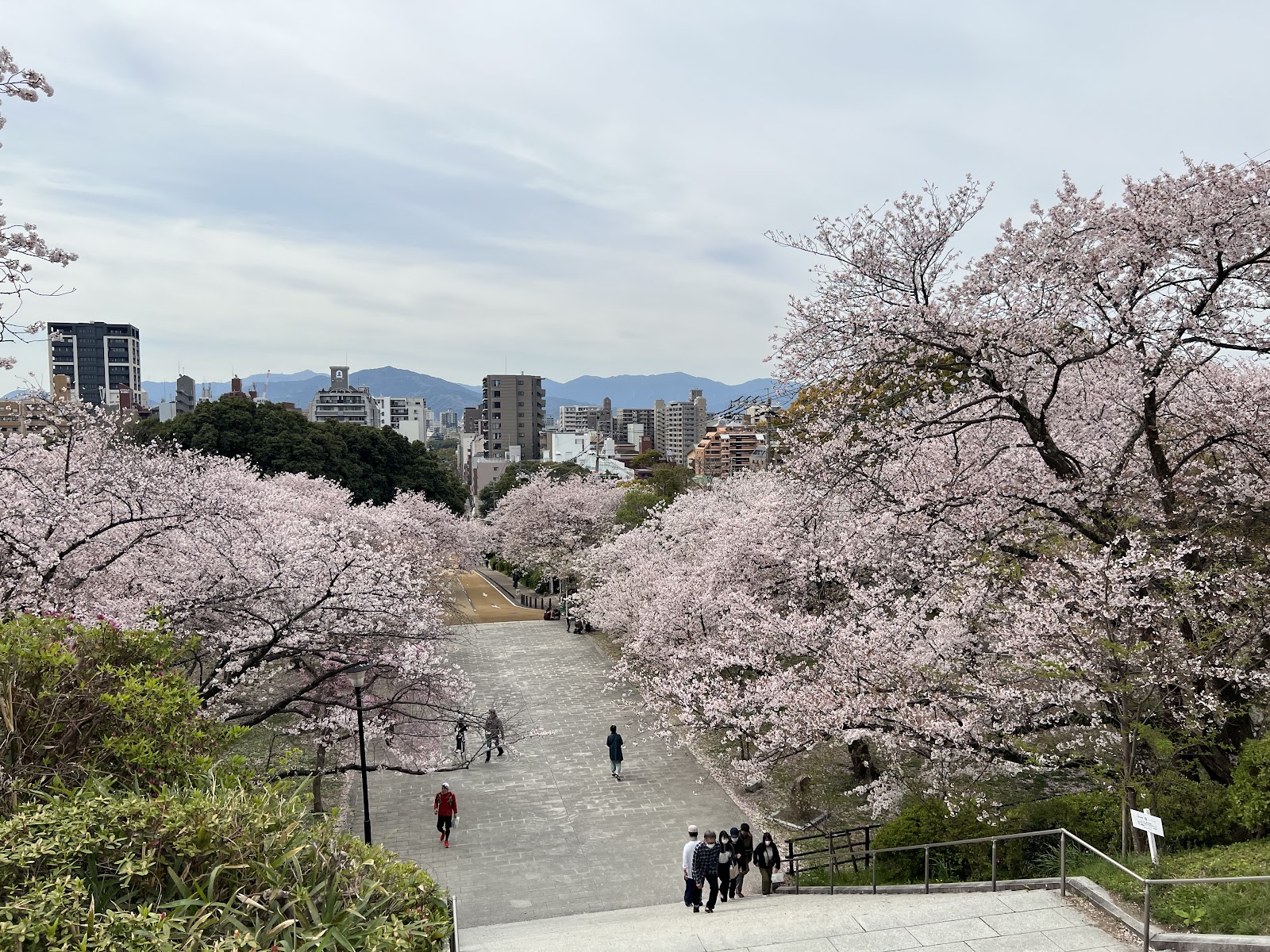
The shrine is reached by a long stone stairway climbing through tall trees, an approach that builds a sense of anticipation and ceremony, though it makes the visit moderately demanding. At the top, the compact precinct centres on the great hall, with subsidiary buildings, a shrine office selling amulets, and the hush of the hilltop woods. Autumn brings fine maple colour to the grounds.
Osaki Hachimangu is most famous for the Dontosai festival held on 14 January, one of the largest and most spectacular fire festivals in the region. A huge sacred bonfire is lit to burn the previous year's New Year decorations and offer prayers for health and good fortune, and thousands of worshippers attend. Most striking are the hadaka-mairi participants, who parade through the freezing winter night wearing only loincloths and carrying bells and lanterns as an act of purification and devotion, a stirring and photogenic sight that draws visitors from far beyond Sendai.
A visit is free and takes under an hour, the main cost being the climb up the stairs. Restrooms, parking and a shop are available, and the shrine is busiest at New Year and during Dontosai. Getting here is straightforward via the Loople Sendai sightseeing bus, which stops nearby, or the subway and a short walk. Combining architectural grandeur, Date-clan history and a dramatic living festival tradition, Osaki Hachimangu is one of Sendai's essential and most rewarding sights.
A local's tip
Visit during the Dontosai festival on 14 January, when a huge sacred bonfire draws thousands and near-naked participants parade through the winter night — one of Tohoku's most striking rituals.
Best time to visit
January for the Dontosai fire festival; autumn for foliage
Getting there
Take the Loople Sendai bus to the Osaki Hachimangu stop, or the Tozai subway line and walk; a long stone stairway climbs through the trees to the shrine.
Good to know
- Parking
- Gift Shop
- Restrooms
Plan the whole trip offline
Osaki Hachimangu Shrine is one of many places in the Real Japan app — with turn-by-turn directions, nearby spots and full offline maps you can use with no signal.