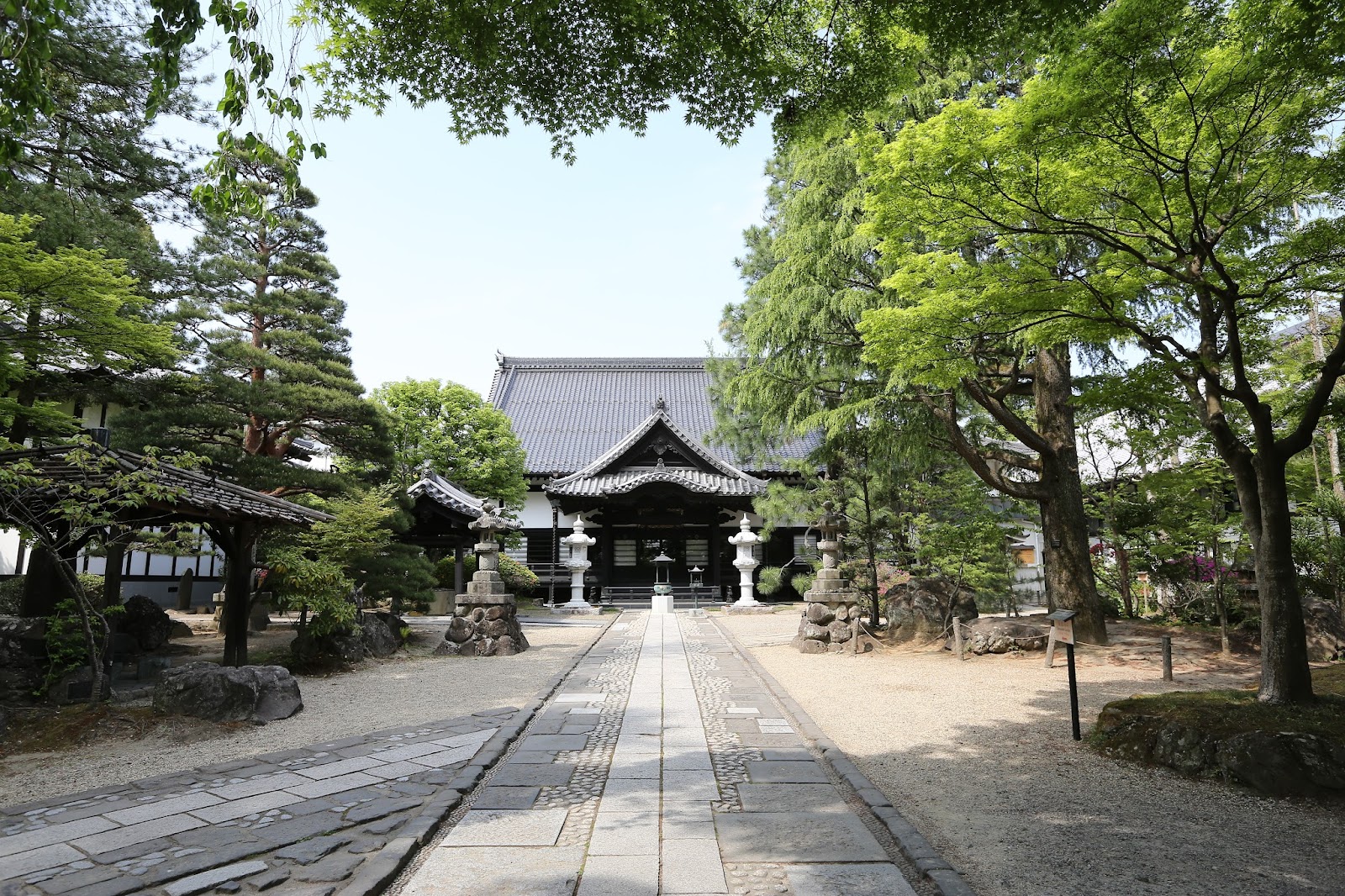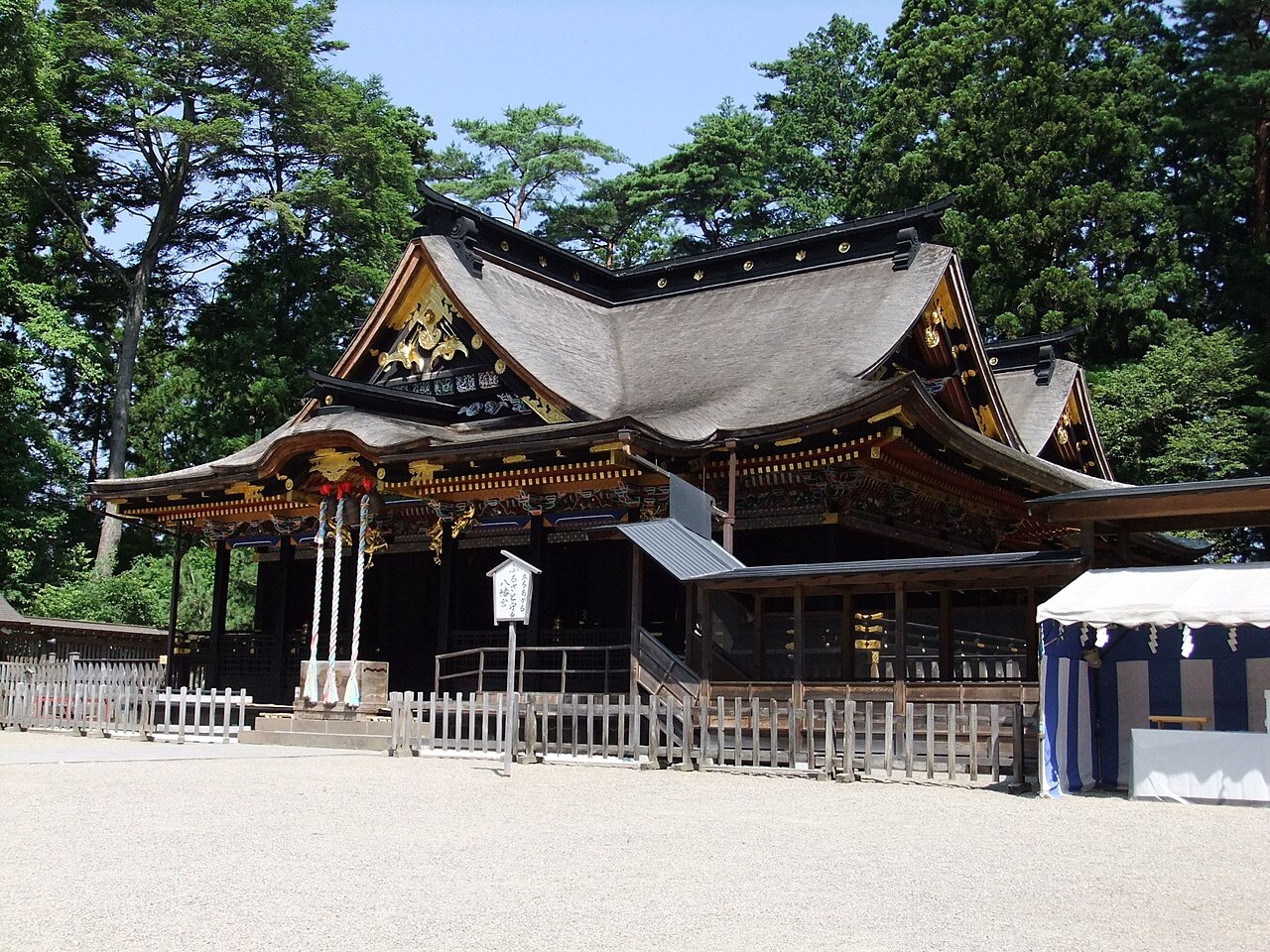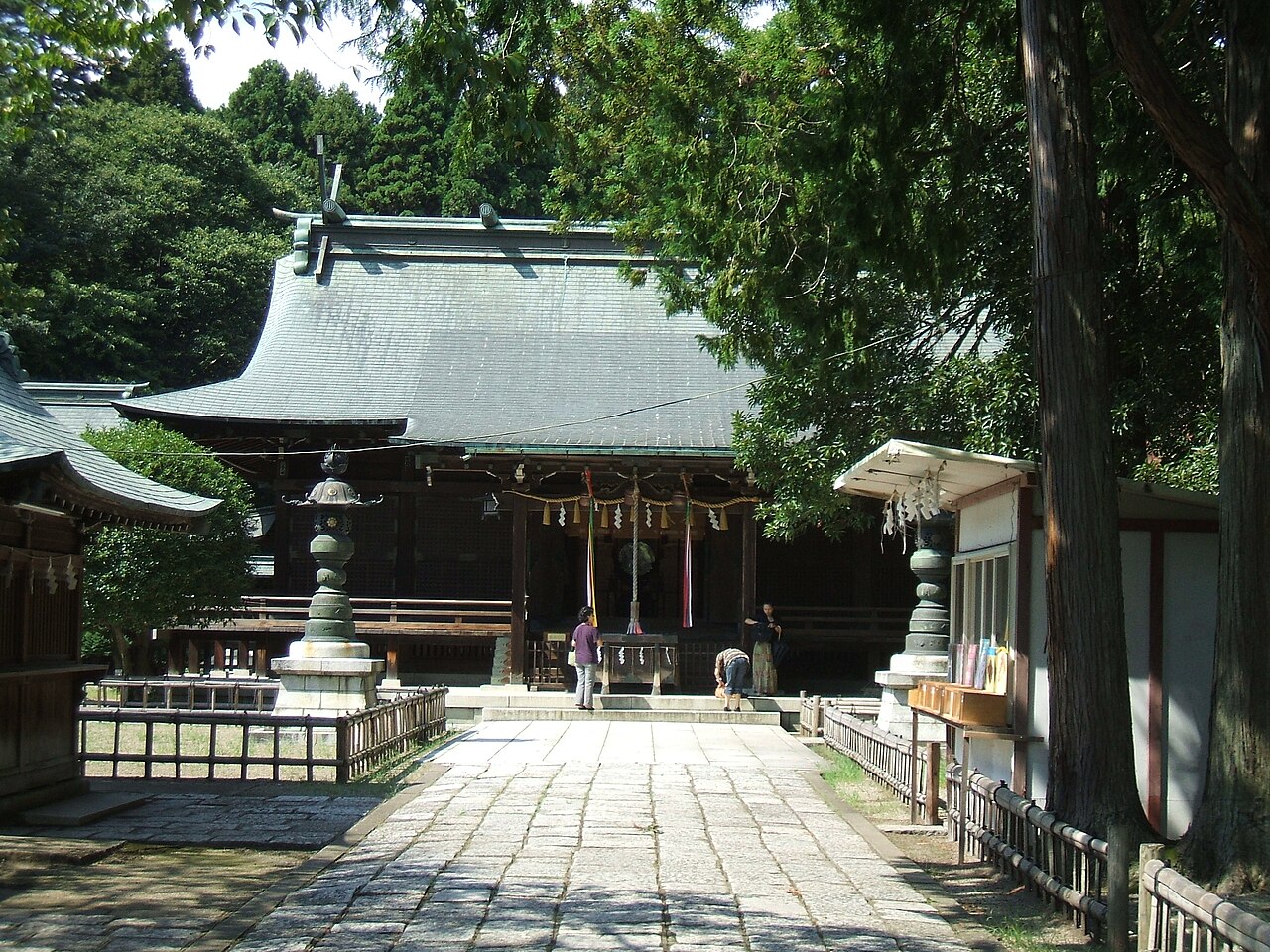
The memorial shrine of Date Masamune, the one-eyed warlord who founded Sendai, set among quiet cedars in Aoba-ku.
Aoba Shrine is the spiritual heart of Sendai's Date legacy, dedicated to the deified spirit of Date Masamune (1567-1636), the brilliant, one-eyed daimyo who founded the city and shaped the entire Tohoku region. Enshrined here under the divine name Takefuruhiko-no-mikoto, Masamune is remembered not only as a fierce warrior known as the 'One-Eyed Dragon of Oshu' but as a cultured patron who sent an embassy across the Pacific to Rome and laid out the streets that Sendai still follows today.
The shrine was established in 1874, shortly after the Meiji Restoration, when former retainers of the Date clan petitioned to honor their founding lord. Fittingly, the chief priesthood has long been held by descendants of the Katakura family, whose ancestor Katakura Kojuro was Masamune's most trusted strategist. That continuity gives the grounds a genuine sense of living history rather than a museum-piece feel.
Set in the Aoba ward near the site of the former Aoba Castle, the shrine occupies a leafy pocket of the modern city. A stone torii and a tree-lined approach lead to a dignified wooden main hall in restrained Shinto style. It is rarely crowded on ordinary days, making it a peaceful place to pause, buy a goshuin seal stamp, and reflect on the man whose ambitions built everything around you.
The shrine truly comes alive in mid-May during the Sendai Aoba Festival, one of the city's signature events. The festival centers on a grand Date warrior procession, with participants in full samurai armor parading through central Sendai, and on the exuberant suzume-odori, or 'sparrow dance', whose flitting, fan-waving movements are said to have originated with stonemasons who worked on Aoba Castle. Floats, drums, and food stalls turn the normally sedate neighborhood into a celebration of the city's origins.
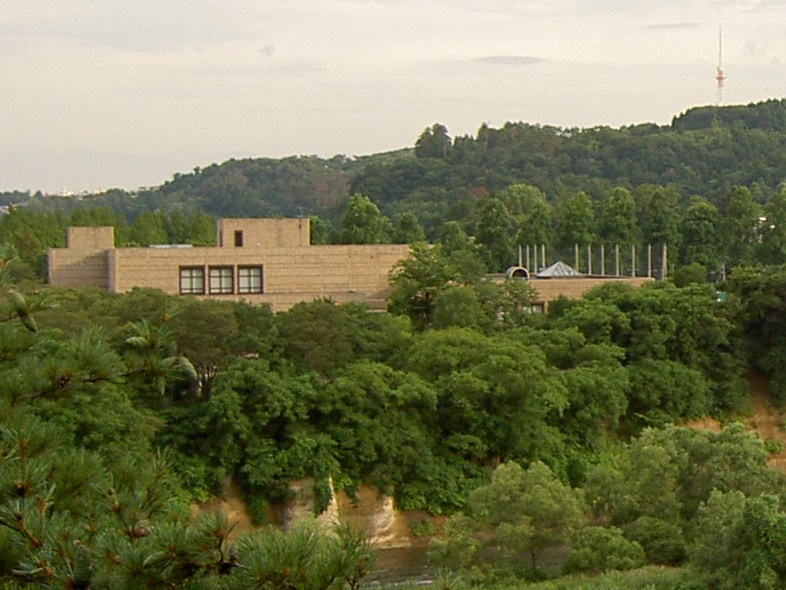
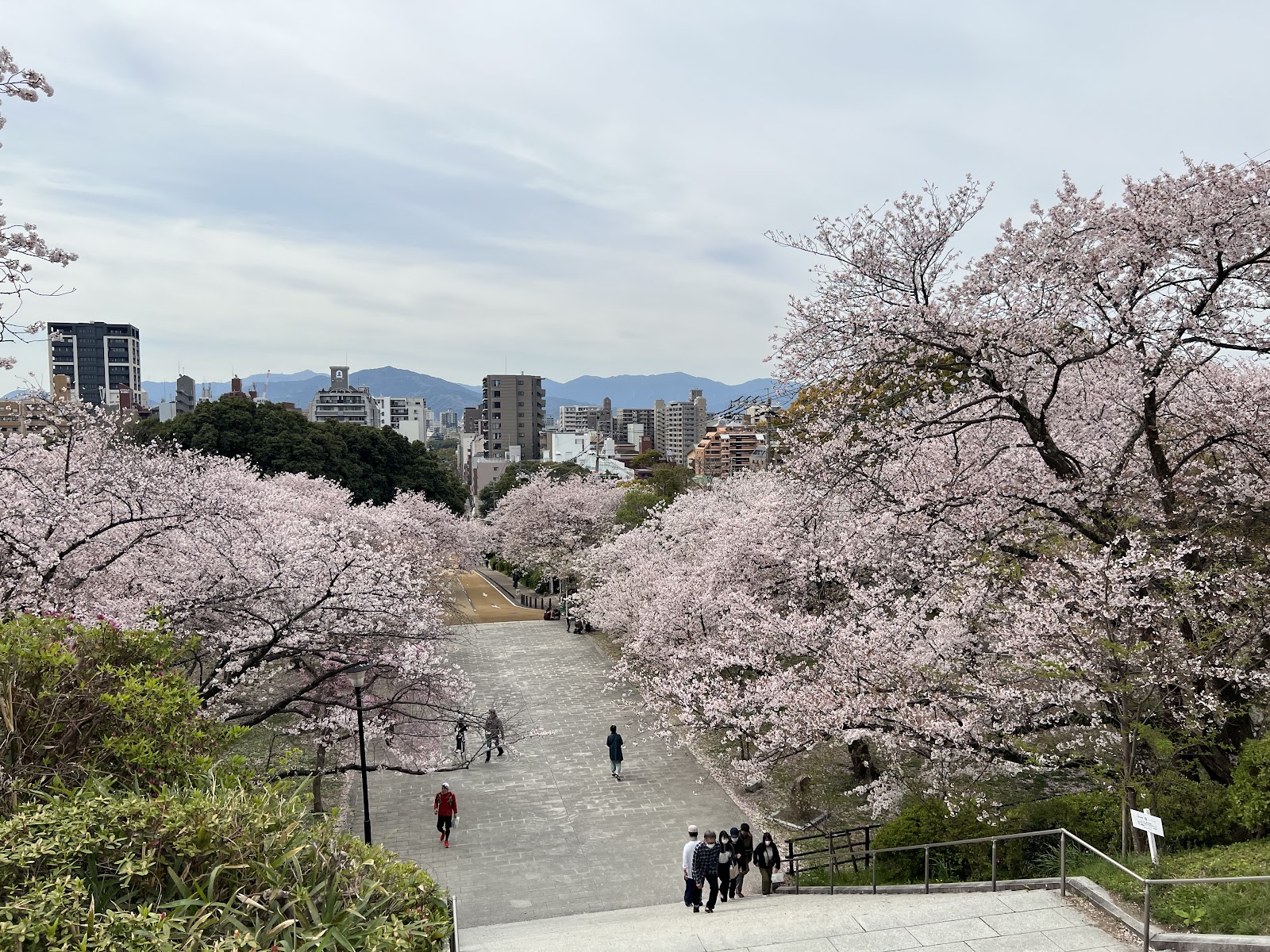
Beyond the festival, spring brings cherry blossoms to the grounds, and the shrine pairs naturally with a wider Date-themed day: the nearby Aoba Castle ruins with their famous equestrian statue of Masamune, the Zuihoden mausoleum where he is entombed, and the Sendai City Museum all deepen the story. Together they let you trace the arc of a remarkable life from castle to shrine to tomb.
Getting here is easy. From Sendai Station, hop on the Loople Sendai sightseeing loop bus, which stitches together the main Date-era sights, or walk about twelve minutes from Kita-Sendai Station on the JR Senzan Line. Admission is free, and the grounds are open around the clock, though the office selling amulets and seal stamps keeps daytime hours. Allow roughly forty minutes for a relaxed visit, more if you linger over the details or combine it with the neighboring historical sites. For anyone curious about why Sendai calls itself the City of Trees and carries the Date crest with such pride, Aoba Shrine is the quiet, essential starting point.
A local's tip
Time your visit for the third weekend of May, when the Sendai Aoba Festival fills the streets with the samurai Date procession and the lively suzume-odori 'sparrow dance' that traces back to Masamune's own castle masons.
Best time to visit
Mid-May during the Sendai Aoba Festival
Getting there
A 12-minute walk from Kita-Sendai Station on the JR Senzan Line, or a short ride on the Loople Sendai sightseeing bus from Sendai Station. On-site parking is available for drivers.
Good to know
- Goshuin
- Parking
- Restrooms
Plan the whole trip offline
Aoba Shrine is one of many places in the Real Japan app — with turn-by-turn directions, nearby spots and full offline maps you can use with no signal.