A zelkova-lined 'Tokyo Champs-Elysees' of designer flagships and landmark architecture from Harajuku to Aoyama.
Omotesando is a broad, gently sloping avenue lined with keyaki (Japanese zelkova) trees that runs from the entrance of Meiji Shrine down to Aoyama-dori, and it is often called Tokyo's Champs-Elysees. It began life in the Taisho era (1912-1926) not as a shopping street at all but as the formal frontal approach — omote-sando — to Meiji Shrine, dedicated to the deified spirits of Emperor Meiji and Empress Shoken. That ceremonial origin still shapes it: the wide pavements, the stately trees and the sense of a grand processional route survive beneath the luxury gloss.
Today the avenue is celebrated as one of the finest architectural showcases in the world. Within a few hundred metres you pass fashion flagships designed by a roll-call of star architects: the shimmering glass-block Louis Vuitton by Jun Aoki, Toyo Ito's tree-like Tod's, the translucent Dior by SANAA, and, at the heart of it all, Tadao Ando's Omotesando Hills, a sleek concrete shopping complex whose interior spirals down a sloping atrium that echoes the street outside. Even if luxury retail holds no interest, the buildings themselves are a free open-air museum of contemporary design.
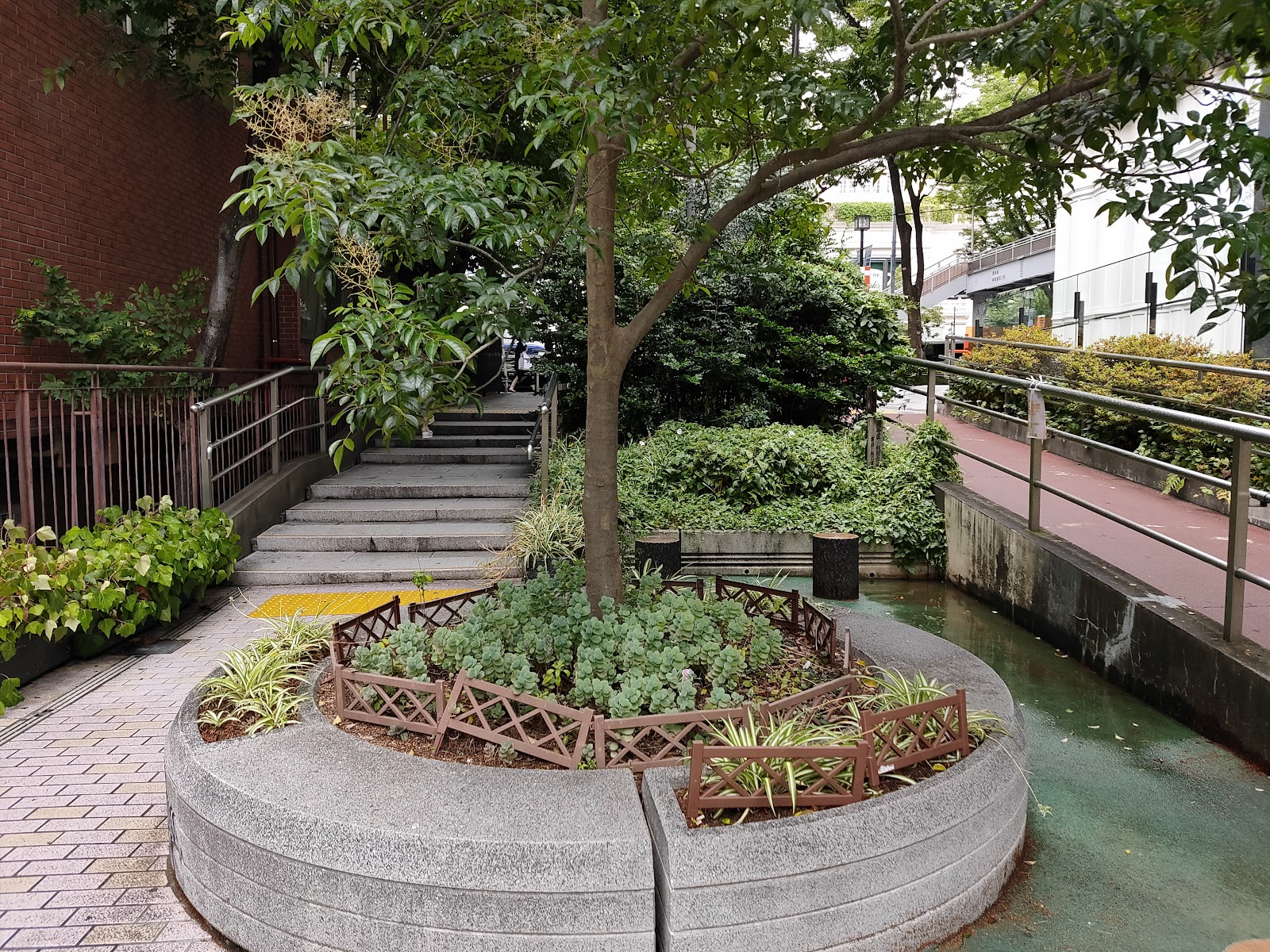
The experience shifts with the day. Mornings are calm and good for photographing the architecture; late afternoon and evening bring the crowds, the lit shopfronts and the buzz of one of Tokyo's most fashionable districts. The real reward for curious walkers lies just off the main axis, in the tangle of backstreets known as Ura-Harajuku toward Harajuku and the leafier lanes of Aoyama on the far side, where independent boutiques, vintage stores, galleries and quiet specialty-coffee cafes reward anyone willing to wander.
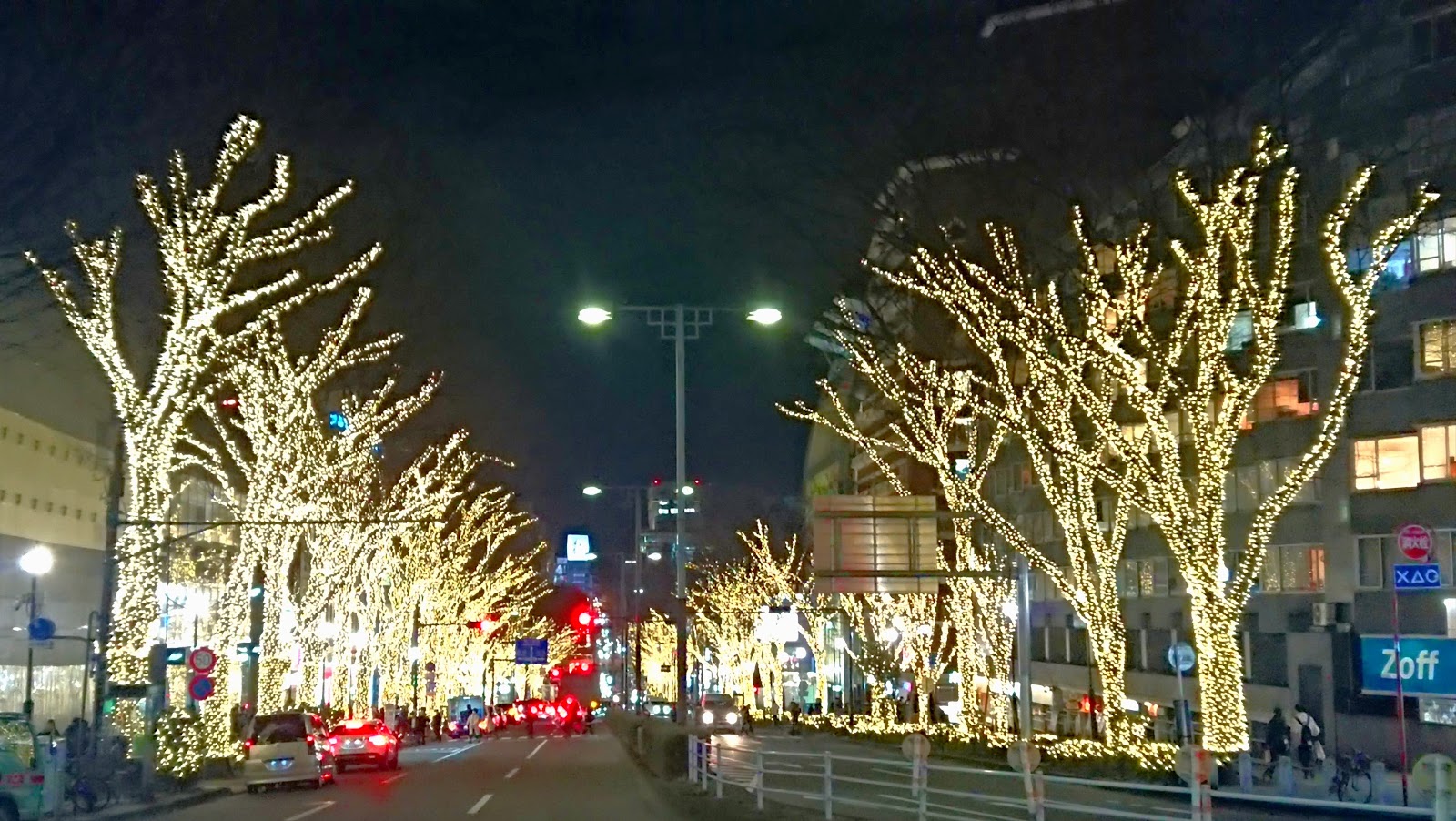
Omotesando is at its most magical in early December, when the bare zelkova trees are strung with hundreds of thousands of champagne-gold lights for the winter illumination, turning the whole avenue into a glowing tunnel — one of the city's signature seasonal sights. Autumn is lovely too, when the same trees turn gold before the leaves fall. The avenue is flat, wide and fully accessible, easy for strollers and wheelchairs, and dotted with department stores and malls whose restrooms and cafes are open to all.
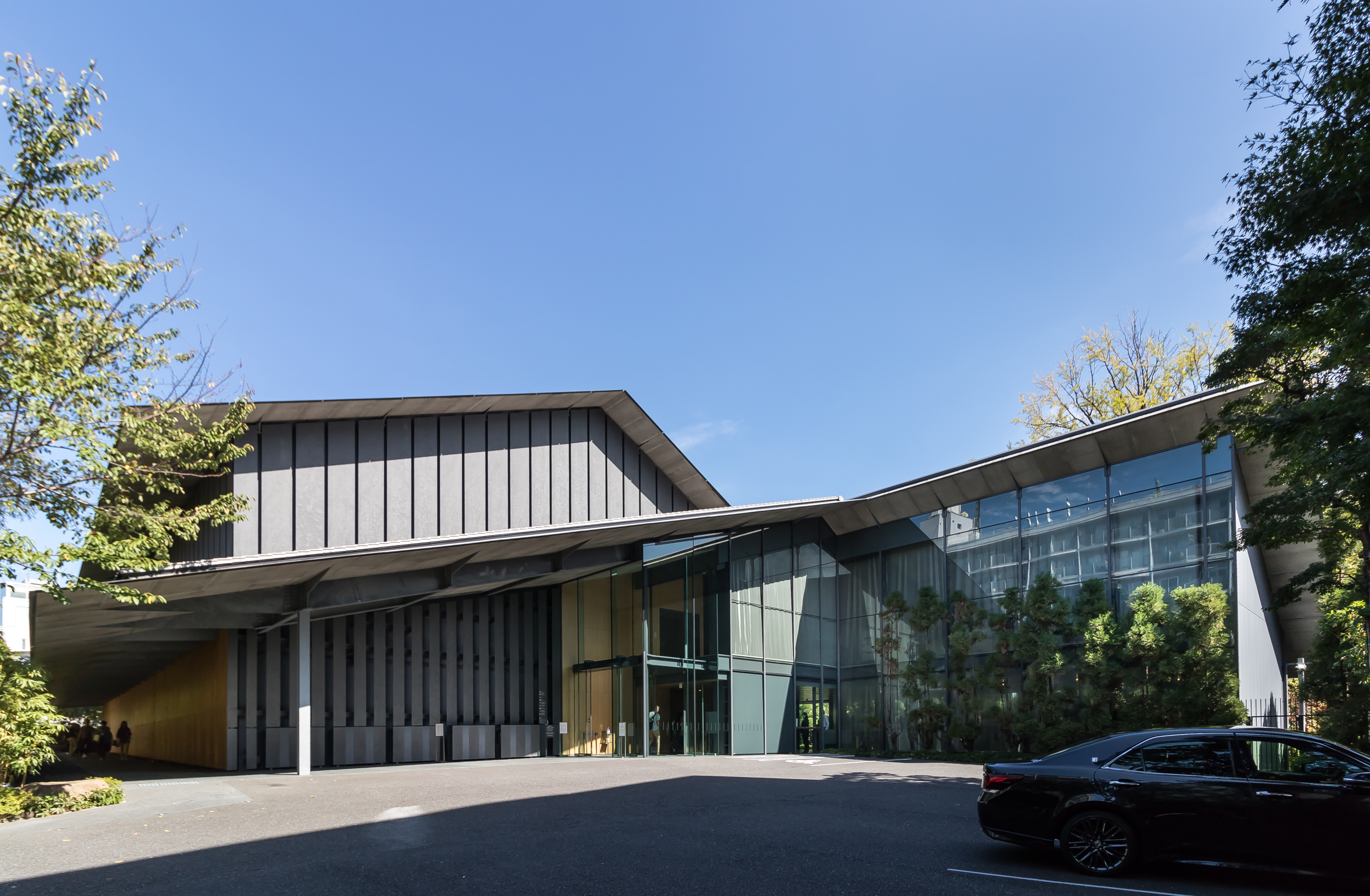
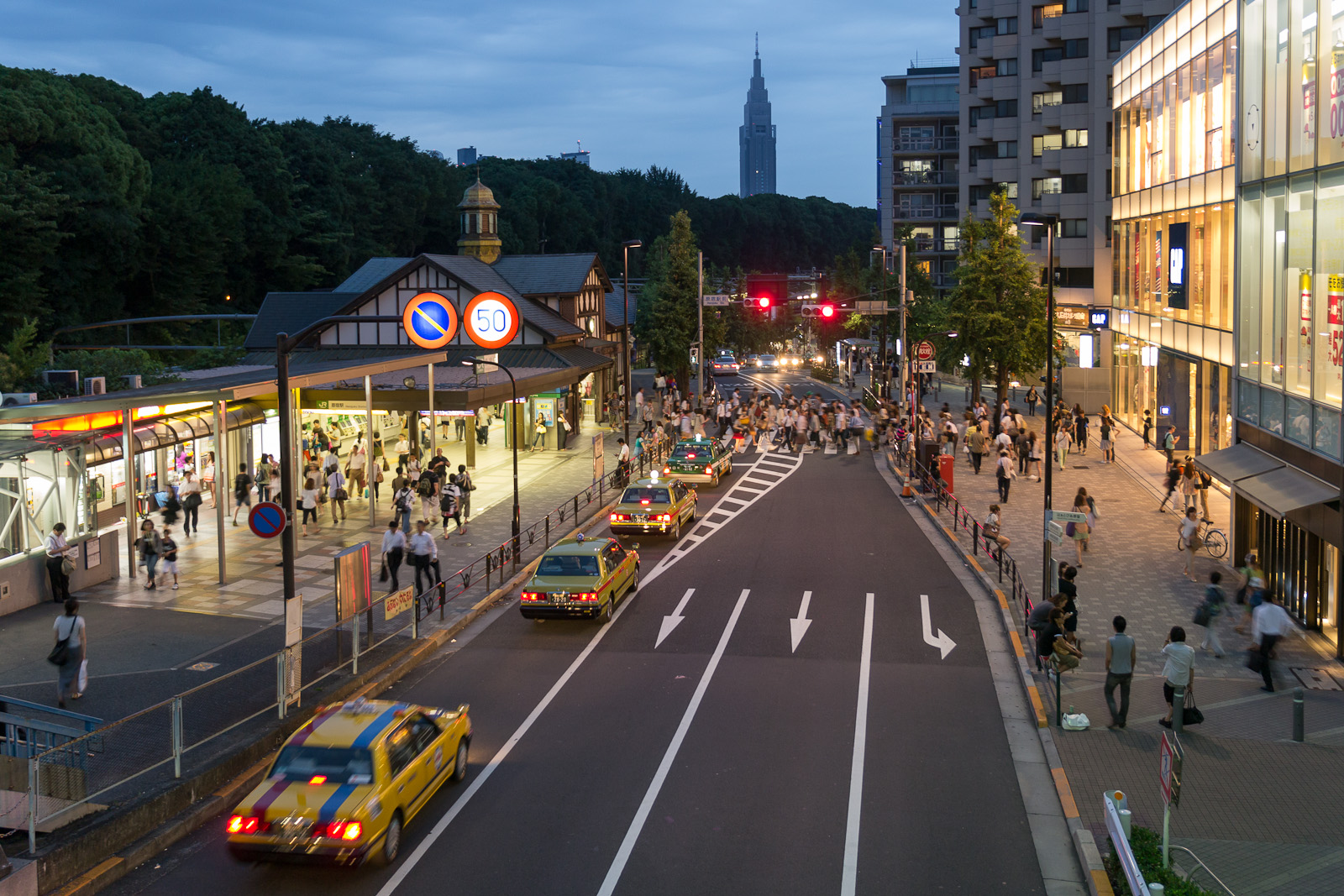
Getting there could hardly be simpler. Omotesando Station, served by the Tokyo Metro Ginza, Chiyoda and Hanzomon lines, exits directly onto the avenue near the Aoyama end. Alternatively, arrive at Meiji-jingumae 'Harajuku' Station and walk downhill, combining the stroll with Meiji Shrine, Takeshita Street's teen-fashion chaos and the Nezu Museum's serene garden at the Aoyama end. It is not covered by the Japan Rail Pass since it is served only by Tokyo Metro, but a Suica or Pasmo IC card works on every line to the door.
A local's tip
Duck off the main avenue into the quiet backstreets of Ura-Harajuku and Aoyama for the independent boutiques and cafes locals actually shop; the flagships are for looking, the side lanes for buying.
Best time to visit
Late afternoon into evening; December for the zelkova illuminations
Getting there
Exit directly onto the avenue at Omotesando Station (Ginza, Chiyoda, Hanzomon lines), or approach downhill from Meiji-jingumae 'Harajuku' Station at the top of the slope.
Good to know
- Cafes
- Wi-Fi
- Restrooms
- Luxury shopping
Plan the whole trip offline
Omotesando is one of many places in the Real Japan app — with turn-by-turn directions, nearby spots and full offline maps you can use with no signal.