Tokyo's neon-bright teen-fashion lane, packed with crepe stands, kawaii boutiques and rainbow cotton candy.
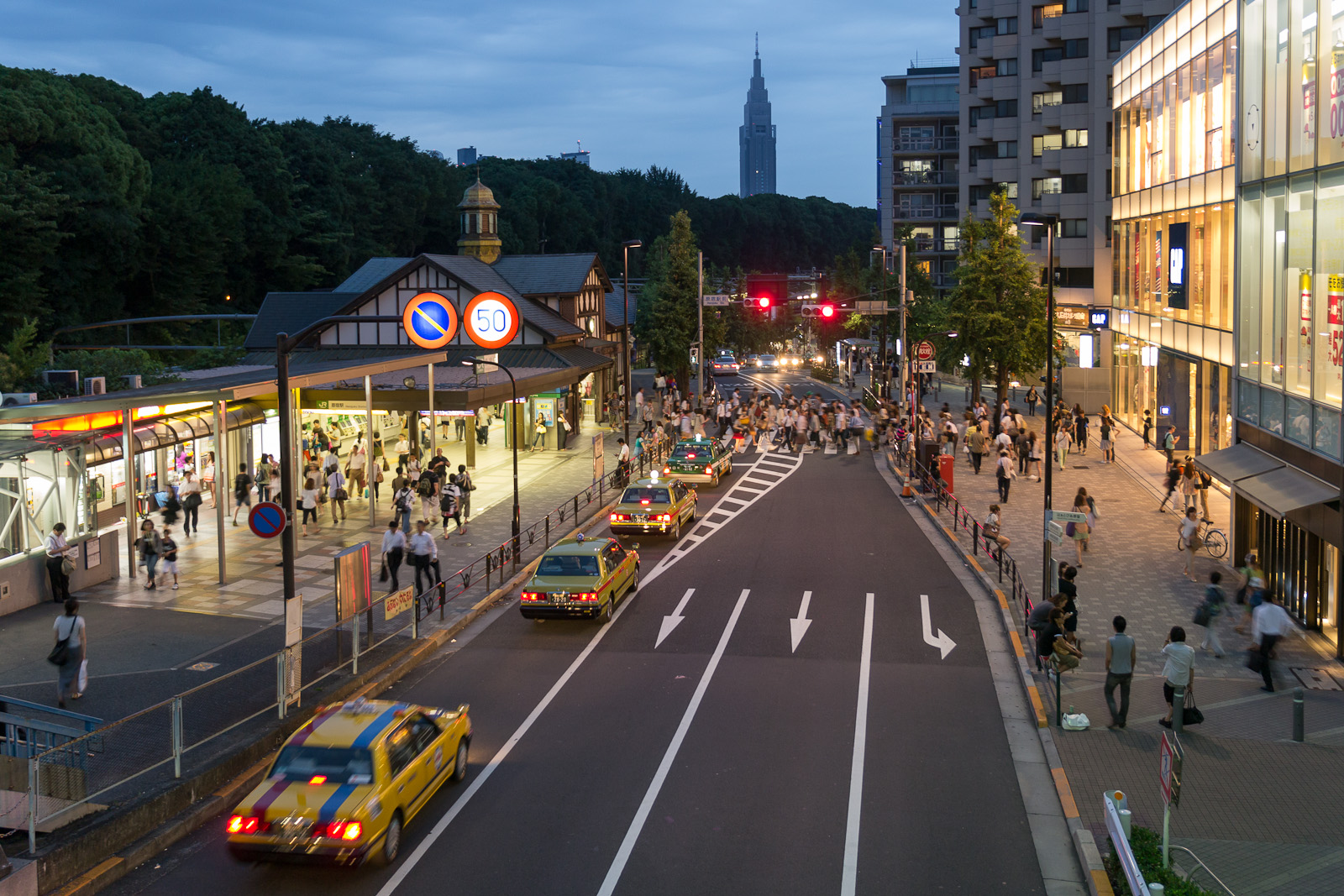
Takeshita Street (Takeshita-dori) is a narrow, 350-metre pedestrian lane that begins directly across from JR Harajuku Station and runs to Meiji-dori. For more than four decades it has been the beating heart of Japanese youth and 'kawaii' culture, and it remains the single most concentrated dose of Tokyo teen fashion you can find anywhere in the city.
The street rose to fame in the late 1970s and 1980s when it became the gathering point for Harajuku's subcultures, and it never let go of that identity. Today its shopfronts are a dense collage of independent boutiques, vintage stores, cosmetics shops, character goods, and fast-fashion chains. You will pass everything from Lolita and gothic labels to pastel 'fairy kei' outfits, second-hand denim, and shops selling nothing but socks or phone cases. Interspersed with them are the food stalls Takeshita is equally known for: rainbow cotton candy the size of a beach ball, oversized crepes folded around fresh cream and fruit, bubble tea, and cheese-pull hot dogs.
The experience is deliberately sensory overload. Music spills from doorways, hand-painted signage competes for attention, and the crowd itself is part of the spectacle, especially on Sundays when Harajuku's most adventurous dressers come out. Even if you buy nothing, walking the length of the street and people-watching is the point. Photographers love the entrance arch, which changes its illustrated design seasonally.
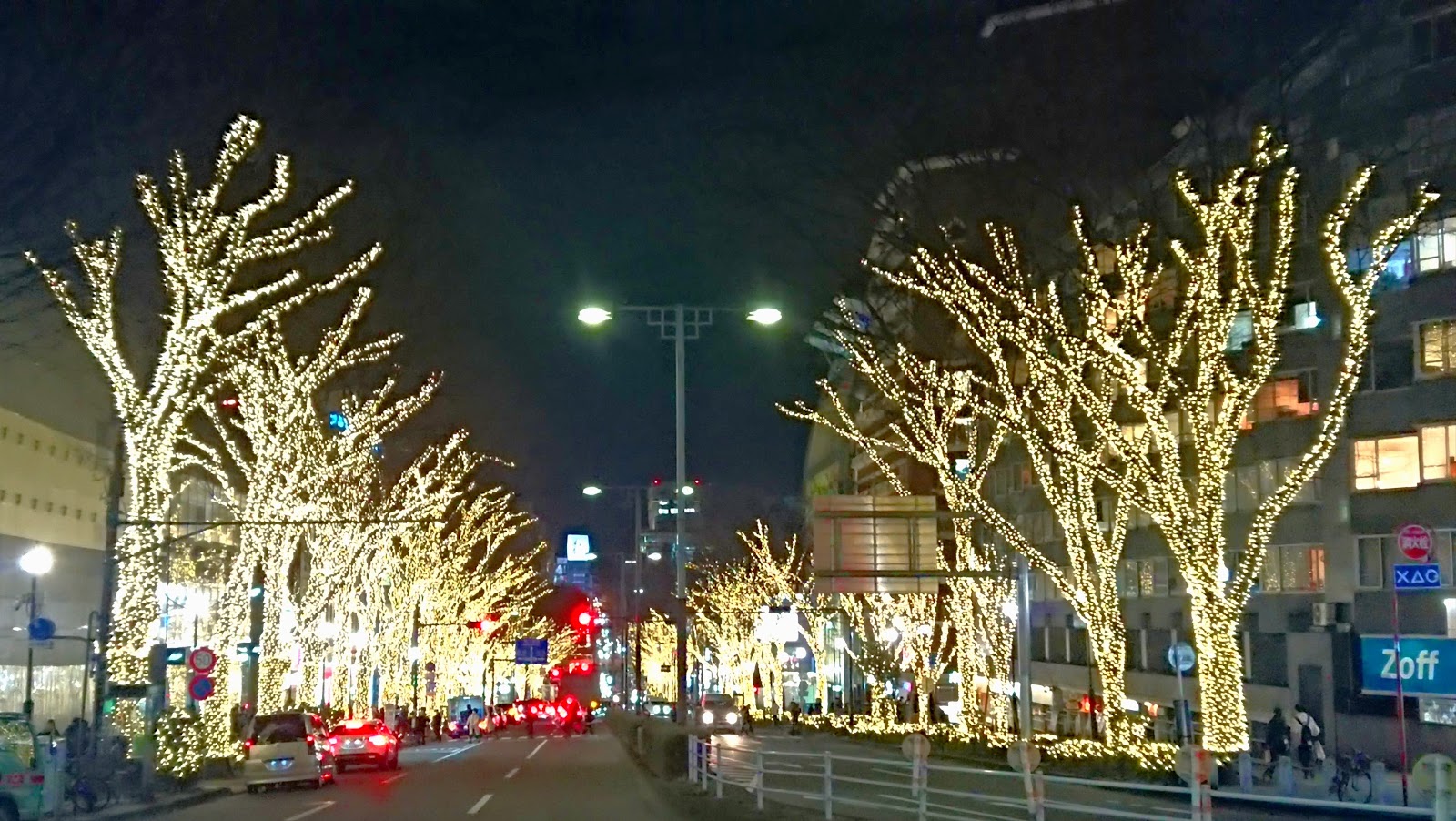
A useful visitor's note: Takeshita is intense and can feel claustrophobic at peak times. If the crush becomes too much, slip out onto Meiji-dori at the far end, or cross over to the calmer, more upscale Omotesando boulevard and the leafy backstreets of 'Ura-Harajuku' just to the south, where the boutiques turn boutique-designer and the crepe stands give way to specialty coffee. This contrast between chaotic Takeshita and refined Omotesando, a few steps apart, is one of the defining pleasures of the Harajuku area.
The street is genuinely accessible. It is flat, entirely pedestrianised during the day, and one minute on foot from the station, making it easy for families and first-time visitors. There is no admission and most shops open from around 10:00 to 20:00.
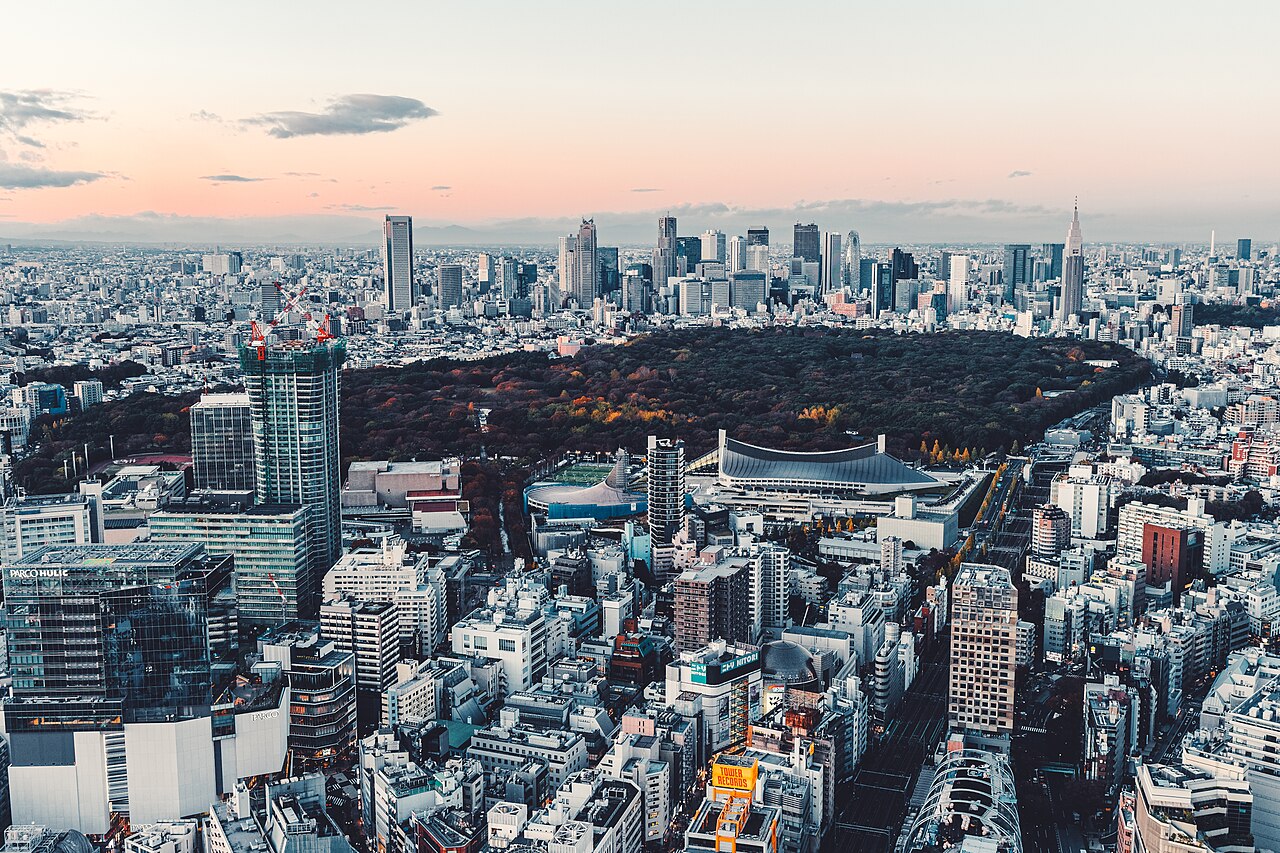
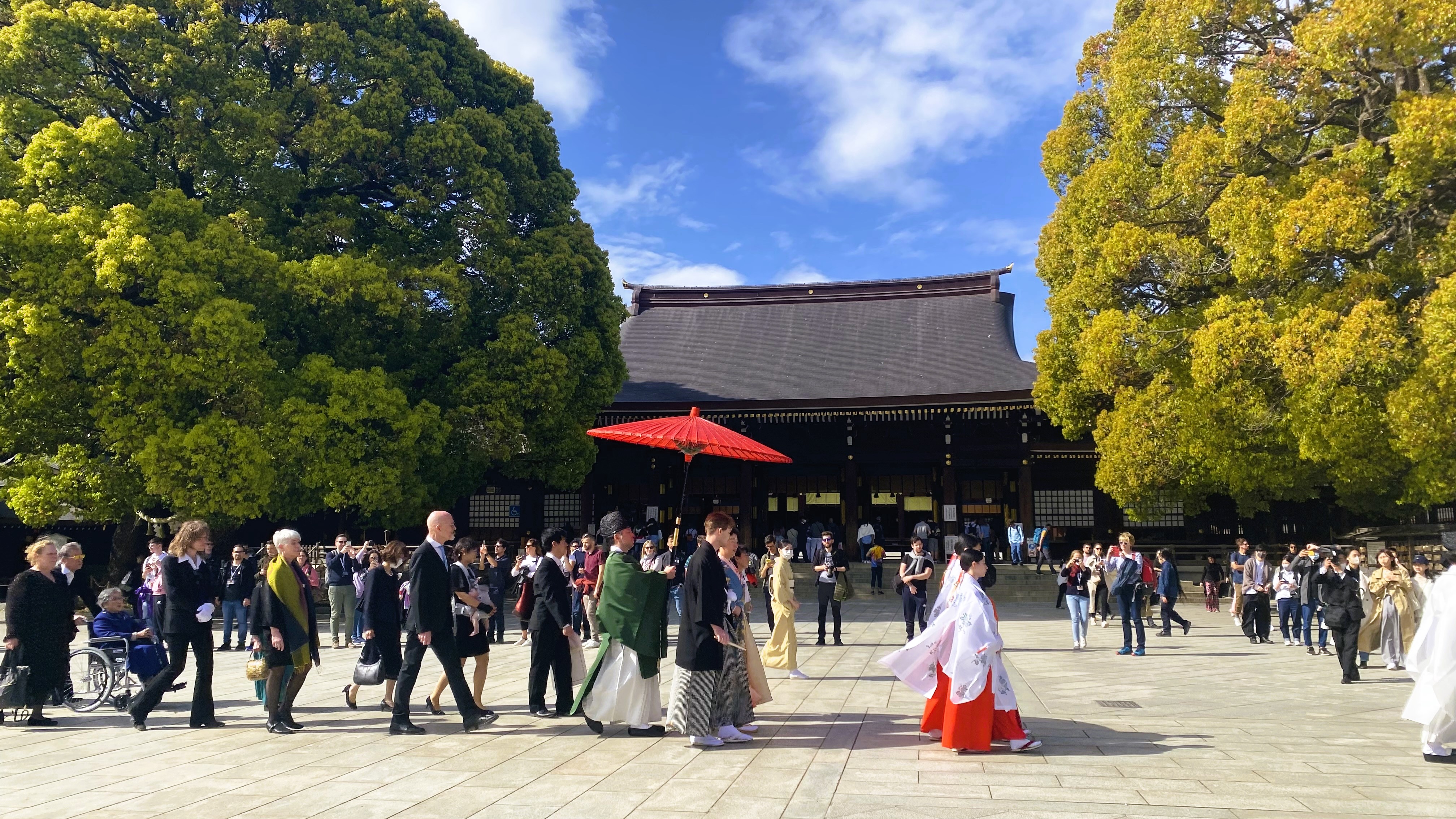
Best time to visit is a weekday late morning: you get the atmosphere and the open shops without the weekend gridlock, when the lane can take half an hour to traverse end to end. Spring adds the bonus of nearby Yoyogi Park and Meiji Shrine's greenery a short walk away, so many visitors pair a chaotic Takeshita crepe run with a calm stroll through the shrine forest the same afternoon.
Getting there could not be simpler. JR Harajuku Station sits on the Yamanote loop line, so it is reachable from Shibuya, Shinjuku, and Tokyo Station without a transfer, and the Takeshita Exit opens almost onto the street's entrance. The Tokyo Metro Chiyoda and Fukutoshin lines stop at Meiji-Jingumae 'Harajuku' Station, whose exit 2 leaves you at the Meiji-dori end of the lane.
A local's tip
Come on a weekday before noon. On weekends the 350-metre lane becomes a shoulder-to-shoulder river of teenagers and it can take 30 minutes just to walk its length.
Best time to visit
Weekday late morning to beat the crowds
Getting there
Exit JR Harajuku Station at the Takeshita Exit; the street entrance is directly across the road. From Meiji-Jingumae 'Harajuku' Station on the Chiyoda/Fukutoshin lines, use exit 2.
Good to know
- Wi-Fi
- Cashless
- Restrooms
Plan the whole trip offline
Takeshita Street is one of many places in the Real Japan app — with turn-by-turn directions, nearby spots and full offline maps you can use with no signal.