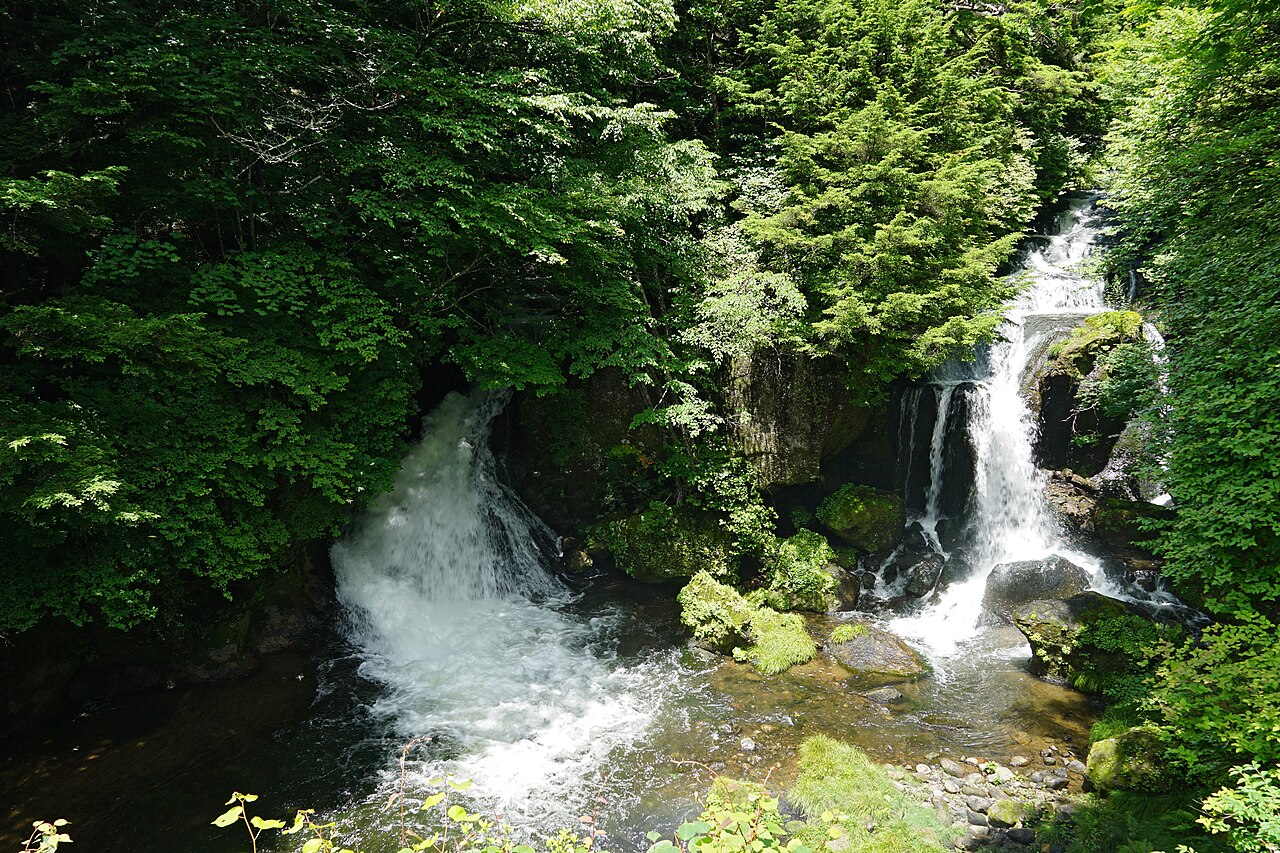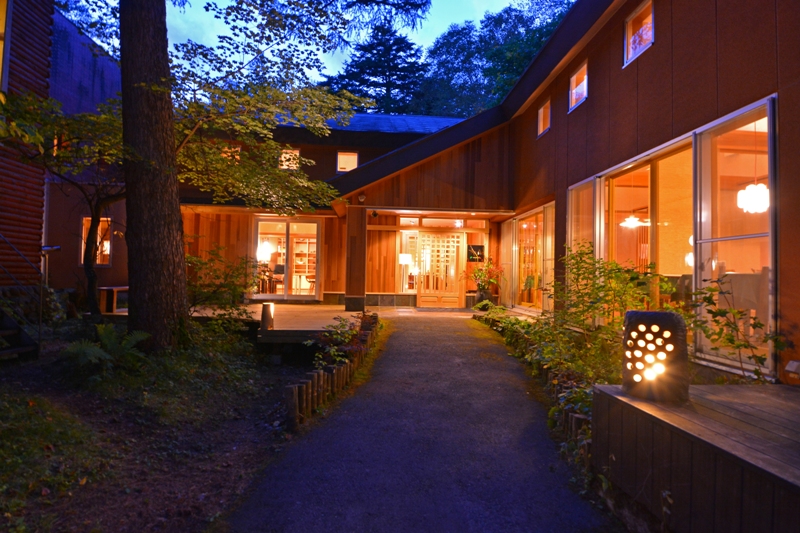
Tranquil sulphur hot-spring village in the depths of Okunikko beside Lake Yunoko, with a 1,200-year-old spring source.
Okunikko Yumoto Onsen, usually just called Yumoto, is a small, tranquil hot-spring village tucked at the far back of the Okunikko highlands within Nikko National Park. Its name literally means the origin of the hot water, and it sits attractively on the northern shore of Lake Yunoko (the hot-water lake) at high elevation, ringed by mountains and forest. The village consists mainly of ryokan with hot-spring baths, a handful of shops and a bus terminus, and it serves as the quiet, remote counterpart to the busier Chuzenji Onsen lower down.
The springs here are ancient. Local tradition holds that they were discovered around 1,200 years ago, with some accounts dating the find to 788 and crediting the monk Shodo Shonin. North of the village stands Onsenji, a Buddhist temple with a small hot-spring bath that is open to the public, and just beside it lies Yunodaira Marsh, where much of the town's milky, sulphur-rich water bubbles up from the ground. This is the actual source that is piped roughly 12 kilometres downhill to supply the baths of Chuzenji Onsen.
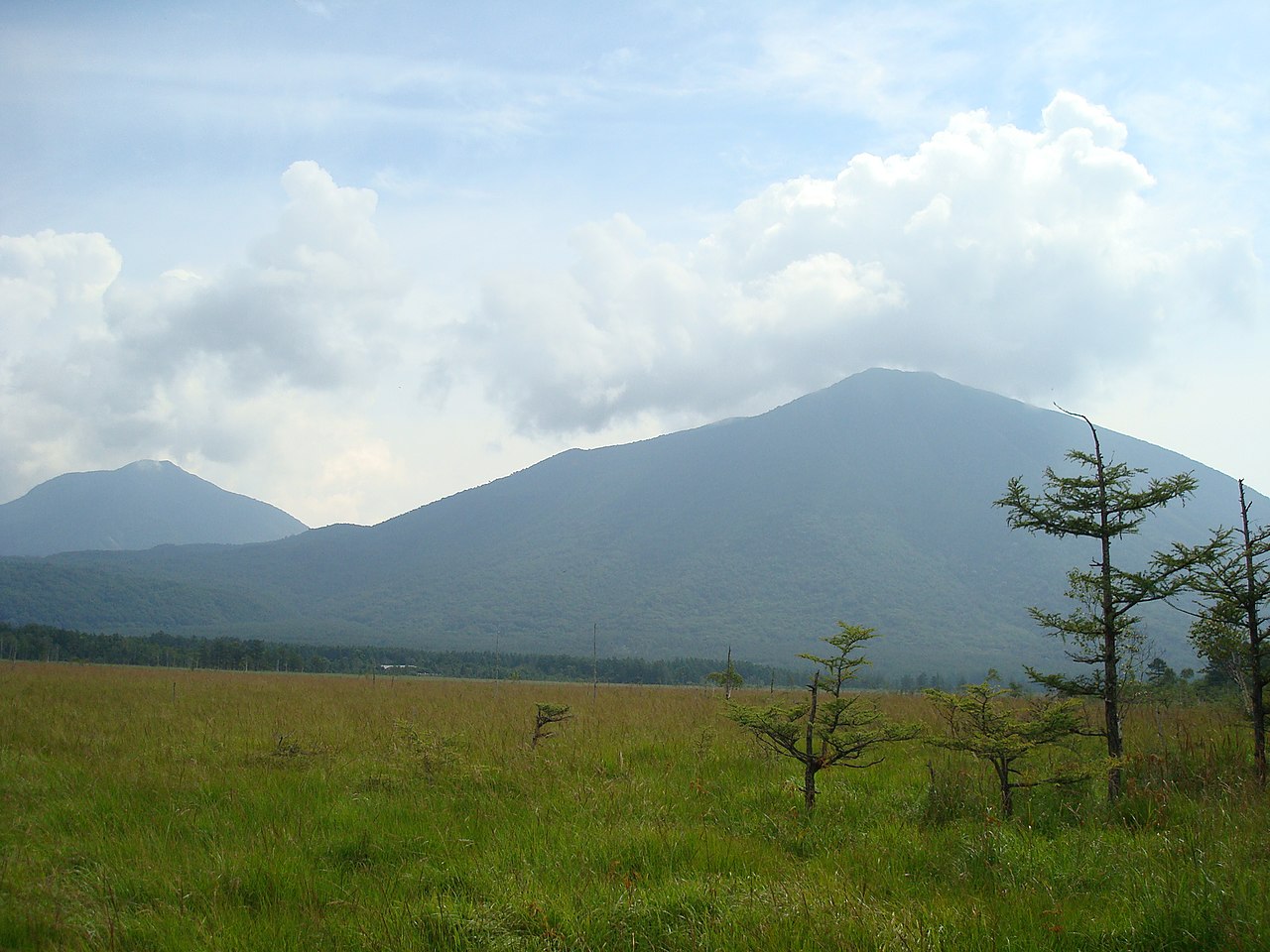
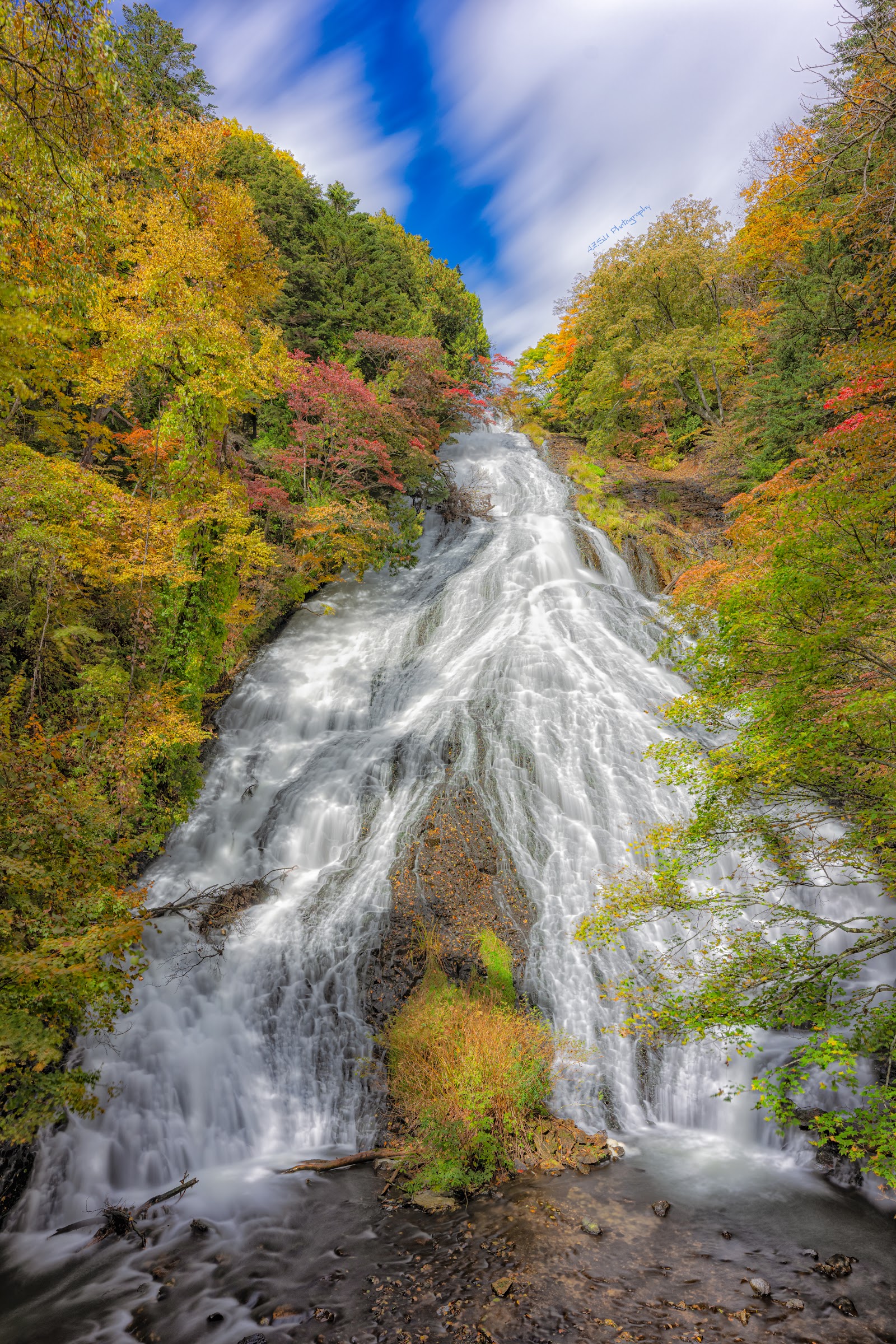
The waters are cloudy white and strongly sulphuric, prized for their skin and healing qualities, and the setting is superb for combining a soak with the outdoors. In warm months, visitors hike the boardwalks of nearby Senjogahara Marshland, stroll to Yudaki Falls, or paddle and fish on Lake Yunoko. In winter the village is snowbound and hushed, and bathing outdoors in a rotenburo while snow falls is a signature experience.
A memorable fact for visitors is the temperature journey of the water: it emerges from Yunodaira at around 78 degrees Celsius and cools naturally over the long pipe run to Chuzenji, so the same source feeds two towns at very different temperatures.
The experience is calm, rustic and nature-immersed rather than lively. The central area around the bus terminus, footbath and marsh boardwalk is flat and easy to walk, and public restrooms and a free ashiyu (footbath) add comfort; some ryokan sit on slight rises. Because Yumoto is the highest and most northerly of the Nikko onsen towns, it is genuinely cold much of the year and is nicknamed part of the refrigerator of the Kanto region, so warm clothing is essential outside midsummer.
Autumn colours and snowy winter soaks are the standout seasons, while summer offers cool escape from the lowland heat. Getting here takes commitment: board a Tobu bus bound for Yumoto Onsen at Tobu-Nikko or JR Nikko Station, and enjoy a scenic 80-to-90-minute ride up the Irohazaka switchbacks, past Lake Chuzenji and the Senjogahara plateau, to the Yumoto terminus. IC cards are accepted and the wider-area Nikko Pass covers the fare, making it a rewarding overnight base for anyone wanting the quietest corner of Nikko.
A local's tip
Walk five minutes north of the ryokan to the Yunodaira Marsh boardwalk to see the milky, sulphur-scented spring source bubbling from the ground, then soak your feet in the free ashiyu footbath nearby.
Best time to visit
Autumn colours or snowy winter soaks
Getting there
Take a Tobu bus bound for Yumoto Onsen from Tobu-Nikko or JR Nikko Station; the ride climbs the Irohazaka road, passes Lake Chuzenji and Senjogahara, and reaches the Yumoto Onsen terminus in roughly 80-90 minutes. IC cards accepted; covered by the wider-area Nikko Pass.
Good to know
- Parking
- Footbath
- Restrooms
- Bus terminal
Plan the whole trip offline
Okunikko Yumoto Onsen is one of many places in the Real Japan app — with turn-by-turn directions, nearby spots and full offline maps you can use with no signal.