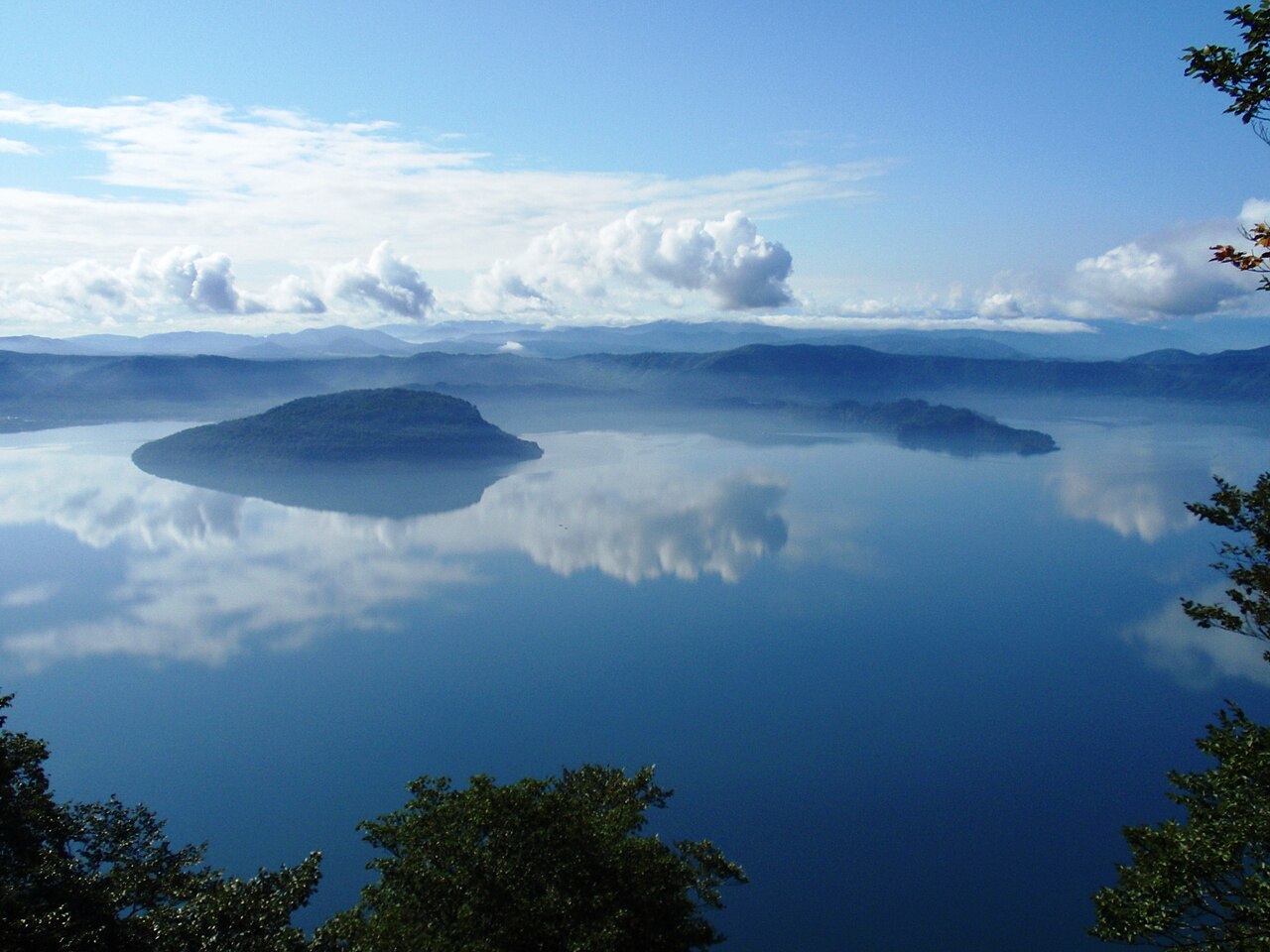
A famed streamside trail of moss, rapids, and waterfalls flowing from Lake Towada, at its most spectacular in autumn color.
The Oirase Gorge follows the only river that drains Lake Towada, a mountain-caldera lake straddling the Aomori-Akita border. For roughly 14 kilometres between the lakeside at Nenokuchi and the settlement of Yakeyama, the Oirase Stream tumbles through a wooded ravine, and a well-maintained walking trail runs alongside it almost the entire way. It is one of the most beloved nature walks in the Tohoku region and, for many, the single most beautiful stretch of scenery in Aomori Prefecture.
What makes Oirase special is the intimacy of the landscape. Unlike grand alpine panoramas, the gorge is a close, enclosed world of clear rushing water, moss-cushioned rocks, fallen logs, and a green canopy that filters the light. The stream is dotted with named cascades — Choshi Otaki, the largest, drops directly across the river's course, while smaller falls such as Kumoi no Taki and Ashura no Nagare slip down the ravine walls or churn through boulder-strewn rapids. Because the path and the road both hug the water, the scenery is remarkably accessible, and the constant sound of the stream accompanies every step.
The gorge is famous above all for autumn. In the second half of October the beeches, maples, and other broadleaf trees ignite into red and gold that reflect in the water, and the narrow road along the stream can fill with sightseers and traffic at the peak. Early summer offers a quieter, equally lovely alternative, when fresh green foliage and higher water flow give the falls extra force. Winter transforms the gorge again into a hushed, frozen scene, when guided snow walks reveal ice-clad cascades.
Walking the whole route takes the better part of a day, but the trail is easy to sample in sections. The stretch between Nenokuchi and Ishigedo is widely regarded as the most scenic, packing in many of the best falls over a manageable few kilometres. The path is mostly flat and follows the valley floor, but it is a genuine unpaved nature trail with roots, rocks, and occasional mud, so proper footwear matters and the full length demands reasonable stamina. Rest areas at Ishigedo and elsewhere provide restrooms and seasonal refreshments.
Getting there requires a bus, as the gorge lies deep in the mountains with no railway. The classic approach is the JR Bus Tohoku 'Mizuumi-go' line, which runs from Aomori Station past Hakkoda and Sukayu Onsen and along the Oirase Stream toward Lake Towada; because it is a JR bus, it is covered by the Japan Rail Pass. Services also run from Hachinohe Station. A common strategy is to ride to Ishigedo or Nenokuchi, walk the finest central section, and rejoin the bus rather than retracing the entire trail on foot. Many visitors continue to the shore of Lake Towada at Nenokuchi, combining the two into one outstanding day in the Towada-Hachimantai highlands. Check the seasonal bus timetable in advance, as frequency is reduced outside the main tourist months.
A local's tip
Walk the trail downstream-to-upstream from Ishigedo toward Nenokuchi so the current and best waterfalls, including Choshi Otaki, unfold ahead of you, then catch the bus back rather than doubling the distance.
Best time to visit
Autumn foliage late Oct; fresh green early summer
Getting there
From Aomori Station take the JR Bus Tohoku 'Mizuumi-go' line toward Towadako; alight at Ishigedo or Nenokuchi to start the trail. Buses also run from Hachinohe Station.
Good to know
- Cafe
- Parking
- Restrooms
Plan the whole trip offline
Oirase Gorge is one of many places in the Real Japan app — with turn-by-turn directions, nearby spots and full offline maps you can use with no signal.