The earthworks of a Sengoku-era fort tied to Oda Nobunaga's decisive Battle of Okehazama.
Odaka Castle Ruins, in the green southern reaches of Nagoya's Midori Ward, preserve the site of a small but historically important Sengoku-period fortress. Little remains above ground beyond grassy earthen ramparts, dry moats and the shaped contours of the old baileys, now wrapped in woodland and quiet residential streets, but for those who know the story this modest hilltop park is one of the most evocative historical sites in the Nagoya area. It is intimately connected to the Battle of Okehazama in 1560, the clash that launched Oda Nobunaga toward the unification of Japan.
In the years before that battle, Odaka Castle had fallen under the control of the Imagawa clan, powerful lords advancing on Nobunaga's home territory of Owari. The great commander Imagawa Yoshimoto marched west in 1560 with a large army, in part to relieve and resupply his forward positions, including Odaka. It was a young Tokugawa Ieyasu — then still known as Matsudaira Motoyasu and serving the Imagawa — who successfully delivered supplies into Odaka Castle on the morning of the battle. While that operation succeeded, Yoshimoto's main force was caught and annihilated by Nobunaga's surprise attack at nearby Okehazama that same day, an upset that shattered Imagawa power and changed the course of Japanese history. Odaka thus sits at the very heart of one of the country's most storied campaigns.
Today the ruins are maintained as a public park, free and open at all hours. Visitors can walk the surviving earthworks and terraces, read interpretive signs about the castle and the battle, and enjoy the peaceful, tree-shaded setting. In spring cherry trees bloom across the old ramparts, making it a pleasant local hanami spot, while the elevated ground offers glimpses over the surrounding neighbourhoods. It is a place for imagination as much as sightseeing: there are no reconstructed towers or grand keeps, only the shaped land that once bristled with palisades and the knowledge of what unfolded here.
Because it is a genuine archaeological and historical site rather than a tourist attraction, facilities are minimal and English information is limited. That authenticity is part of the appeal for history enthusiasts, castle-ruin hunters and fans of the Sengoku era, who value the chance to stand on ground linked to Nobunaga, Ieyasu and the Imagawa.
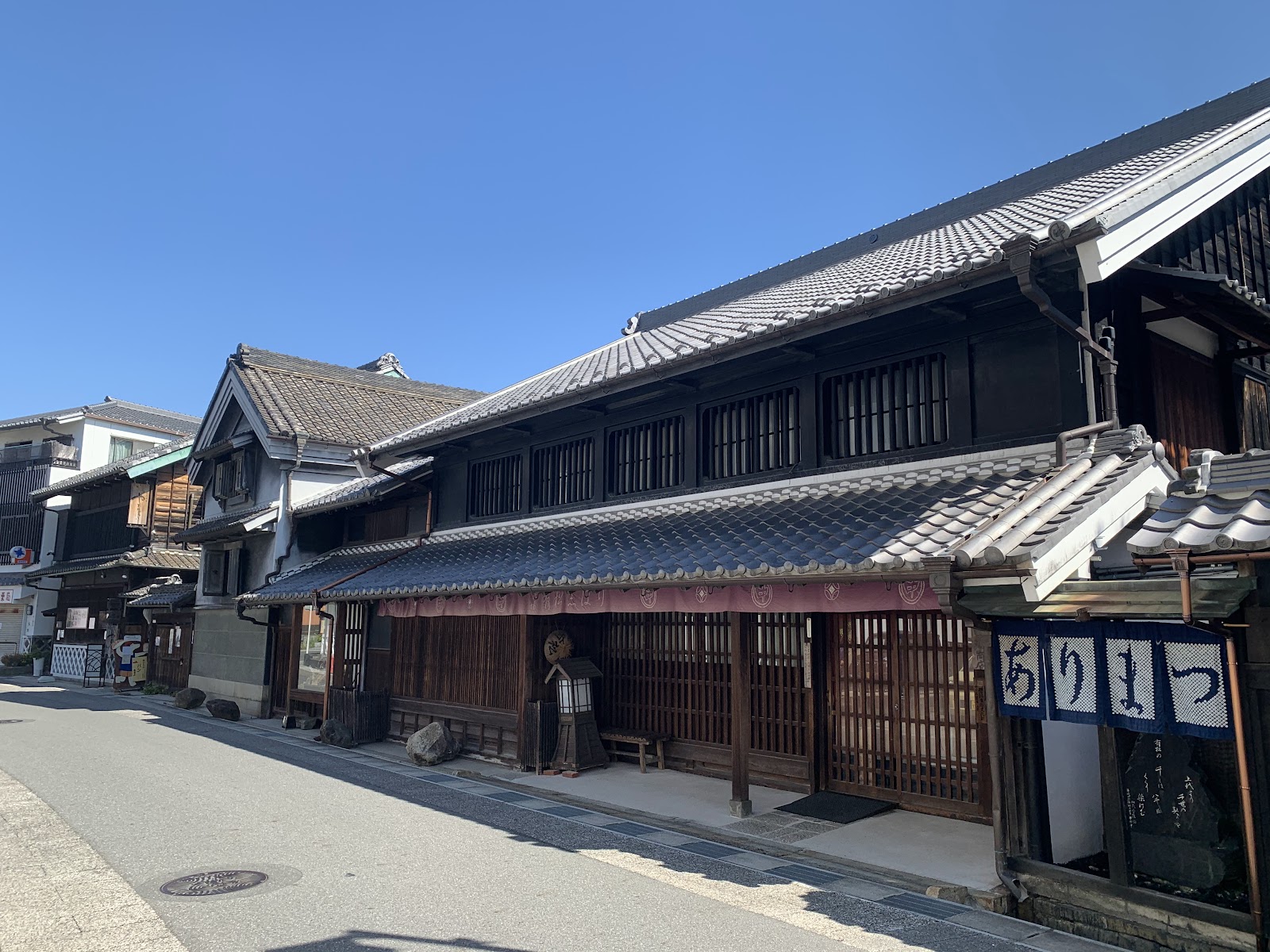
Odaka is easy to reach by JR train to Odaka Station, followed by a fifteen-minute walk, and it pairs perfectly with the other Okehazama-related sites scattered through southern Nagoya and neighbouring Toyoake, including memorials marking where Yoshimoto fell. A visit can also be combined with the preserved Tokaido post town of Arimatsu, which lies close by, for a full day of Sengoku and Edo-period history south of the city centre.
For travellers who prefer their history raw and uncrowded — the shaped earth of a real fortress over a concrete reconstruction — Odaka Castle Ruins offer a quiet, meaningful stop at the edge of the drama that made Nobunaga's name.
A local's tip
Combine it with the nearby Okehazama battlefield sites — Odaka was the fort Nobunaga's rivals relieved on the very morning of his famous 1560 victory.
Best time to visit
Spring for cherry blossoms on the earthworks
Getting there
Take the JR Tokaido Main Line south to Odaka Station and walk about 15 minutes uphill to the wooded castle park in Midori Ward.
Good to know
- Restrooms
- Free entry
- Interpretive signs
Plan the whole trip offline
Odaka Castle Ruins is one of many places in the Real Japan app — with turn-by-turn directions, nearby spots and full offline maps you can use with no signal.