A free working farm park in Tenpaku Ward famous for its spring grove of 700 weeping plum trees.
The Nagoya City Agricultural Center, in the green suburbs of Tenpaku Ward, is a free public facility that combines a small working farm, gardens and educational exhibits, and it is best known throughout the city for one spectacular seasonal display: its grove of weeping plum trees. Each late winter and early spring, around 700 shidare-ume — plum trees whose branches cascade downward like a willow — burst into bloom in shades of pink, red and white, drawing crowds to the Weeping Plum Festival (Shidare-Ume Matsuri) that is one of Nagoya's most beloved floral events.
Plum blossoms, or ume, open before the cherry trees and are treasured in Japan as the first sign that spring is on the way, their delicate flowers appearing while the air is still cold. The weeping variety at the Agricultural Center is especially photogenic, forming tunnels and curtains of blossom that hang toward the ground. During the festival, which typically runs across late February and March, paths wind beneath the flowering canopy, and stalls sell local produce and snacks. Because admission to the center is free, it offers one of the best-value blossom experiences in the region, and its slightly out-of-the-way location keeps it feeling more relaxed than the city's crowded cherry spots.
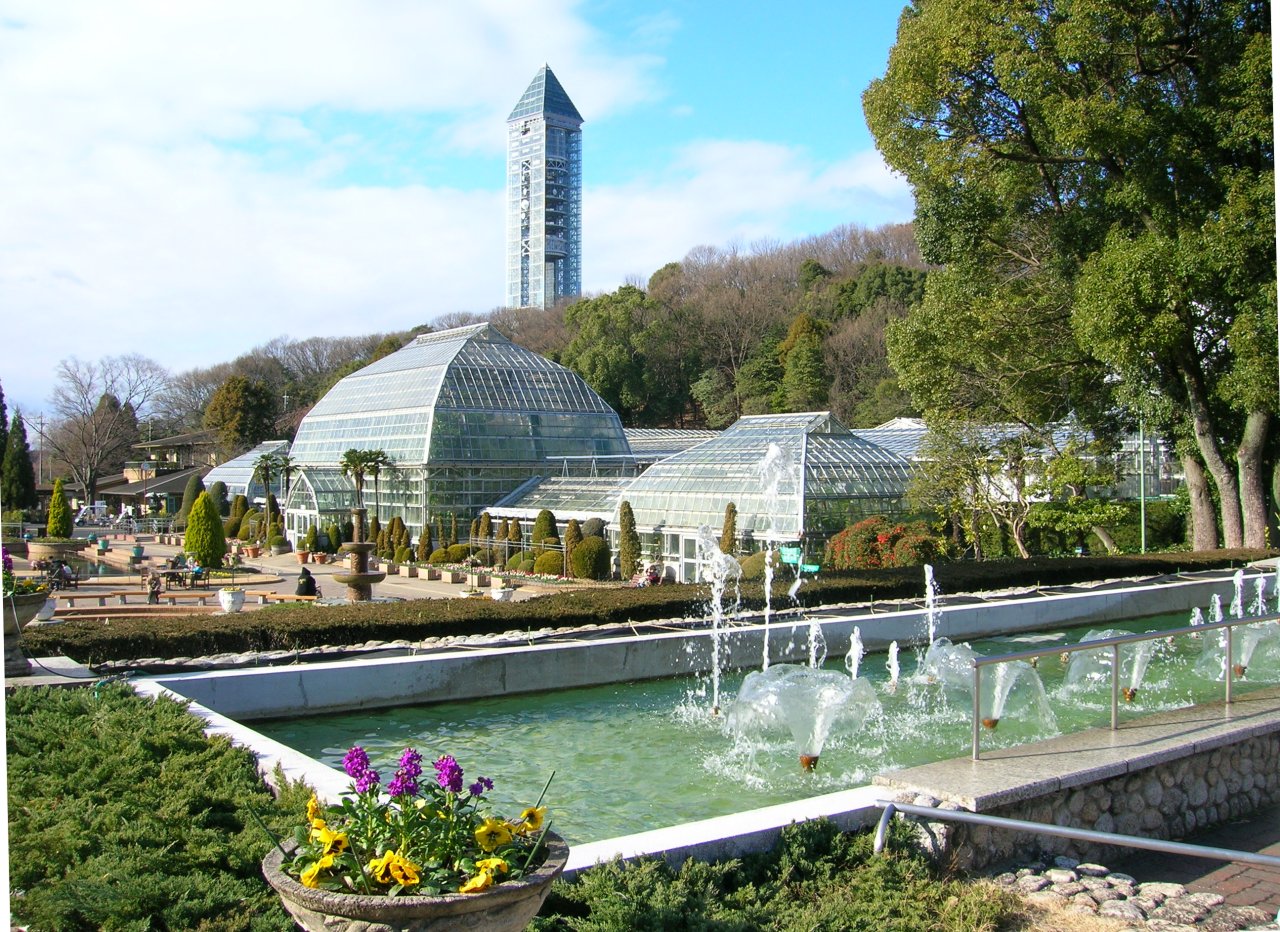
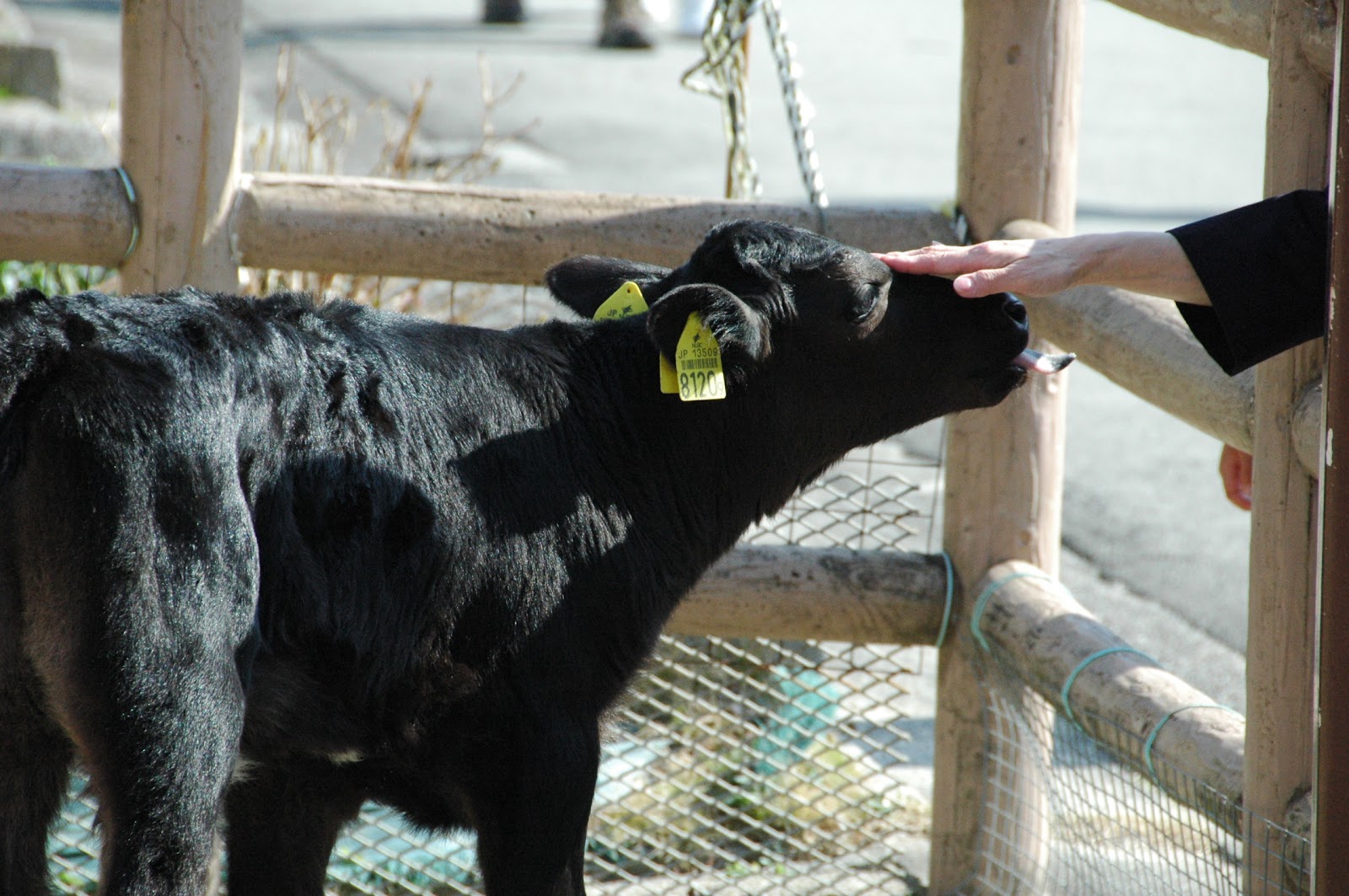
The center is far more than a seasonal flower park, however. As a facility dedicated to agriculture and the appreciation of farming, it maintains cattle, and other farm animals, small orchards, vegetable plots and greenhouses, and it runs programmes to teach city children where their food comes from. Families visit year-round to see the animals, and the shop sells fresh milk, dairy products and produce from the farm. Other flowers follow the plums through the seasons, from irises and hydrangeas to autumn foliage, so there is usually something in bloom.
The atmosphere is gentle and unhurried, a genuine slice of countryside preserved within the boundaries of a large city. For travellers it offers a change of pace from Nagoya's urban attractions and a glimpse of a quieter, more rural side of Japan, all without an entrance fee. It is particularly rewarding for those visiting in the plum season, when the weeping trees are at their peak and the festival is in full swing.
Access takes a little more effort than the central parks: from downtown Nagoya you ride the Meijo Subway Line out toward Tenpaku Ward, then walk or take a local bus to reach the center. The journey is straightforward, and the reward is a peaceful, family-friendly destination that few overseas visitors reach. The center is open daily except Mondays during daytime hours.
For anyone in Nagoya in late winter or early spring, timing a visit to catch the weeping plum blossoms at the Agricultural Center is well worth it — a free, uncrowded and distinctly local celebration of the season's first flowers, set on a working farm that offers a restful escape from the city.
A local's tip
Visit in early March for the Shidare-Ume Matsuri, when about 700 weeping plum trees bloom in pink and white cascades — the standout floral event and largely free.
Best time to visit
Early to mid-March for the famous weeping plum blossoms
Getting there
From central Nagoya take the Meijo Subway Line toward Tenpaku; alight at Hiragishi Station and walk about 15 minutes, or transfer to a local bus toward the center in Tenpaku Ward.
Good to know
- Shop
- Restrooms
- Free entry
- Farm animals
Plan the whole trip offline
Nagoya City Agricultural Center Delfino is one of many places in the Real Japan app — with turn-by-turn directions, nearby spots and full offline maps you can use with no signal.