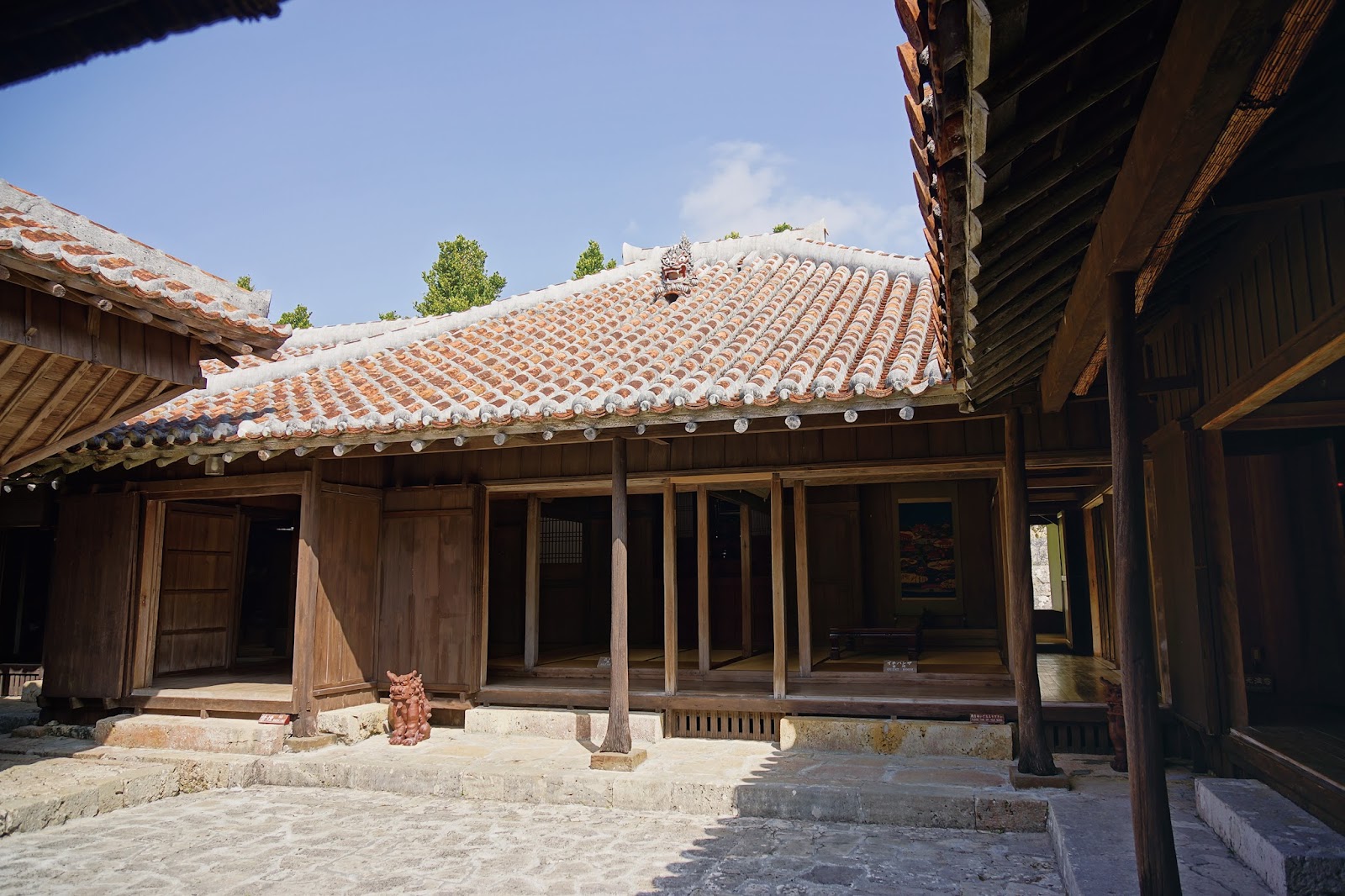
A superbly preserved 18th-century Okinawan farmhouse showing traditional Ryukyu domestic architecture.
Nakamura House, known in Japanese as Nakamura-ke, is one of the finest surviving examples of traditional Okinawan residential architecture, a preserved gentleman-farmer's homestead in the village of Kitanakagusuku, in the hills of central Okinawa. Having escaped the destruction that leveled so much of the island in 1945, it offers a rare and vivid glimpse of how a prosperous rural family lived in the days of the Ryukyu Kingdom, and it is designated an Important Cultural Property.
The Nakamura family were wealthy landowners whose fortunes were tied to the nearby Nakagusuku Castle, and the core of the present house dates from around the eighteenth century, with elements reaching back even earlier. The compound is a complete architectural ensemble rather than a single building, and walking through it reveals the practical wisdom with which Okinawans adapted their homes to a subtropical climate prone to typhoons and fierce summer heat.
Several features stand out as characteristically Okinawan. The entire property is enclosed by thick walls of coral limestone, and just inside the entrance stands a hinpun, a freestanding screen wall that blocks the direct line of sight into the home and, according to tradition, wards off evil spirits, which were believed to travel only in straight lines. A dense windbreak of fukugi, the sturdy evergreen trees planted around traditional Okinawan houses, shelters the buildings from storms. The low-slung roofs are covered in heavy red tiles bonded with white lime plaster to resist typhoon winds, and along the ridges perch shisa, the ceramic lion-dog guardians that protect the household.
Inside, the main house is divided into formal reception rooms, family living spaces and a kitchen with its traditional hearth, arranged around wooden verandas that open onto the garden to catch cooling breezes. Separate structures include stores, a barn and, at the rear, the distinctive Okinawan pig-sty toilet, where pigs were once kept beneath the outhouse, an efficient if startling arrangement that reflects the importance of pork in the island's cuisine and economy. Period furnishings, farm tools and household objects are displayed throughout, helping visitors imagine daily life in a well-to-do Ryukyu household.
The setting, on a breezy hillside amid trees, is peaceful and atmospheric, and the whole property can be explored at a leisurely pace. A small tea service is sometimes offered, and the shaded garden makes a pleasant place to pause. Because the house survived the war intact, it carries an authenticity that reconstructed sites cannot match, and architecture enthusiasts particularly prize it.
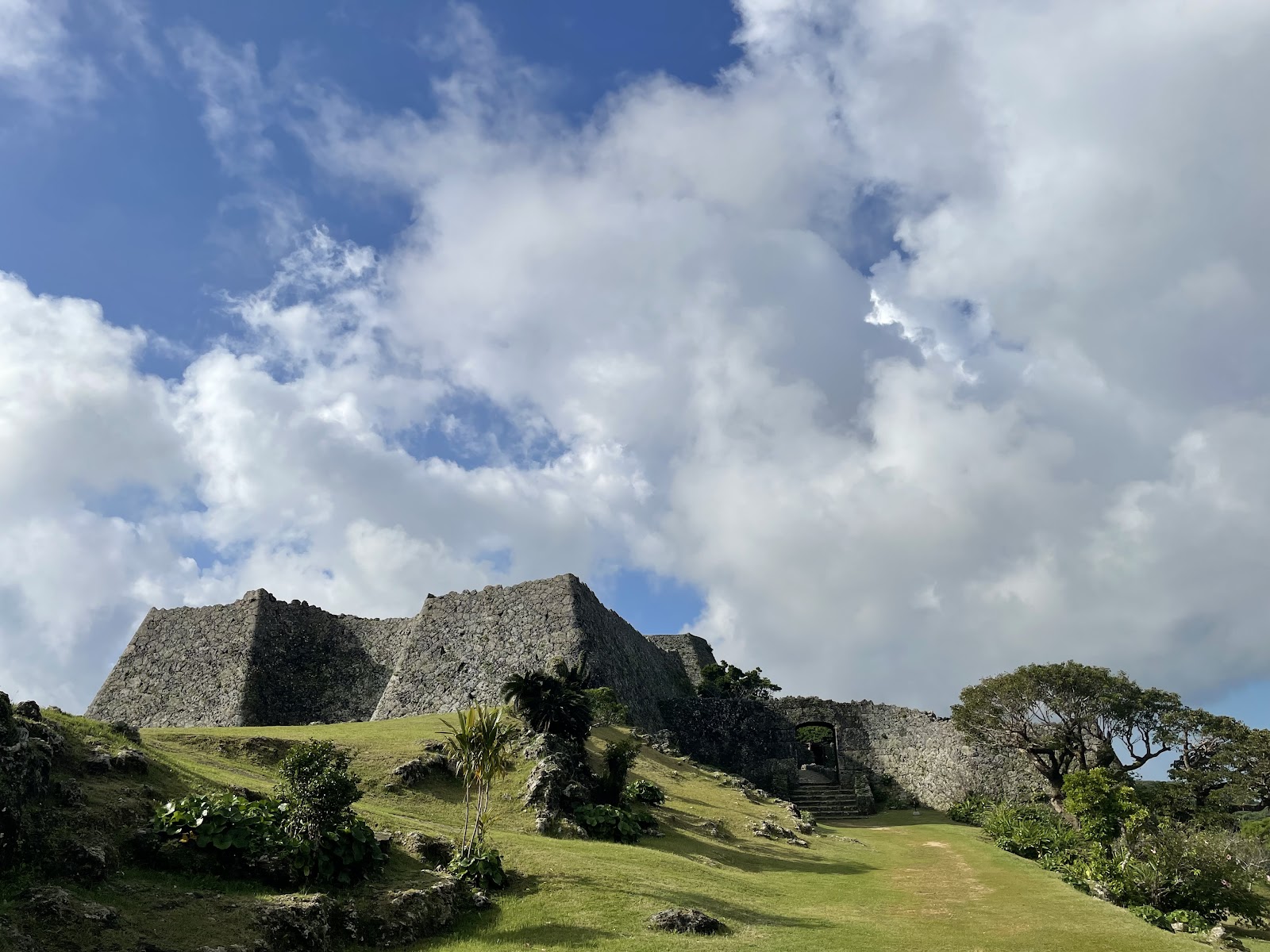
Nakamura House sits very close to the ruins of Nakagusuku Castle, a UNESCO World Heritage gusuku with commanding views over the island, and the two make a natural pairing for a half-day exploring the traditional culture of central Okinawa. The area is most easily reached by car, about forty-five minutes from Naha, with free parking on site; public transport requires a bus and a walk. Allow around forty-five minutes for the house itself. For anyone interested in how Okinawans built and lived before the upheavals of the modern era, Nakamura House is an understated but genuinely rewarding museum of everyday Ryukyu life.
A local's tip
Notice the fukugi tree windbreak, the coral-stone walls and the pig-sty toilet at the rear — this is a rare surviving example of a complete pre-war Okinawan gentry homestead.
Best time to visit
Morning; combine with nearby Nakagusuku Castle
Getting there
From Naha drive about 45 minutes north to Kitanakagusuku, or take a bus toward Okinawa City and transfer locally; the house sits close to Nakagusuku Castle. Free parking is available and a car is the easiest way to visit.
Good to know
- Parking
- Restrooms
Plan the whole trip offline
Nakamura House (Nakamura-ke) is one of many places in the Real Japan app — with turn-by-turn directions, nearby spots and full offline maps you can use with no signal.