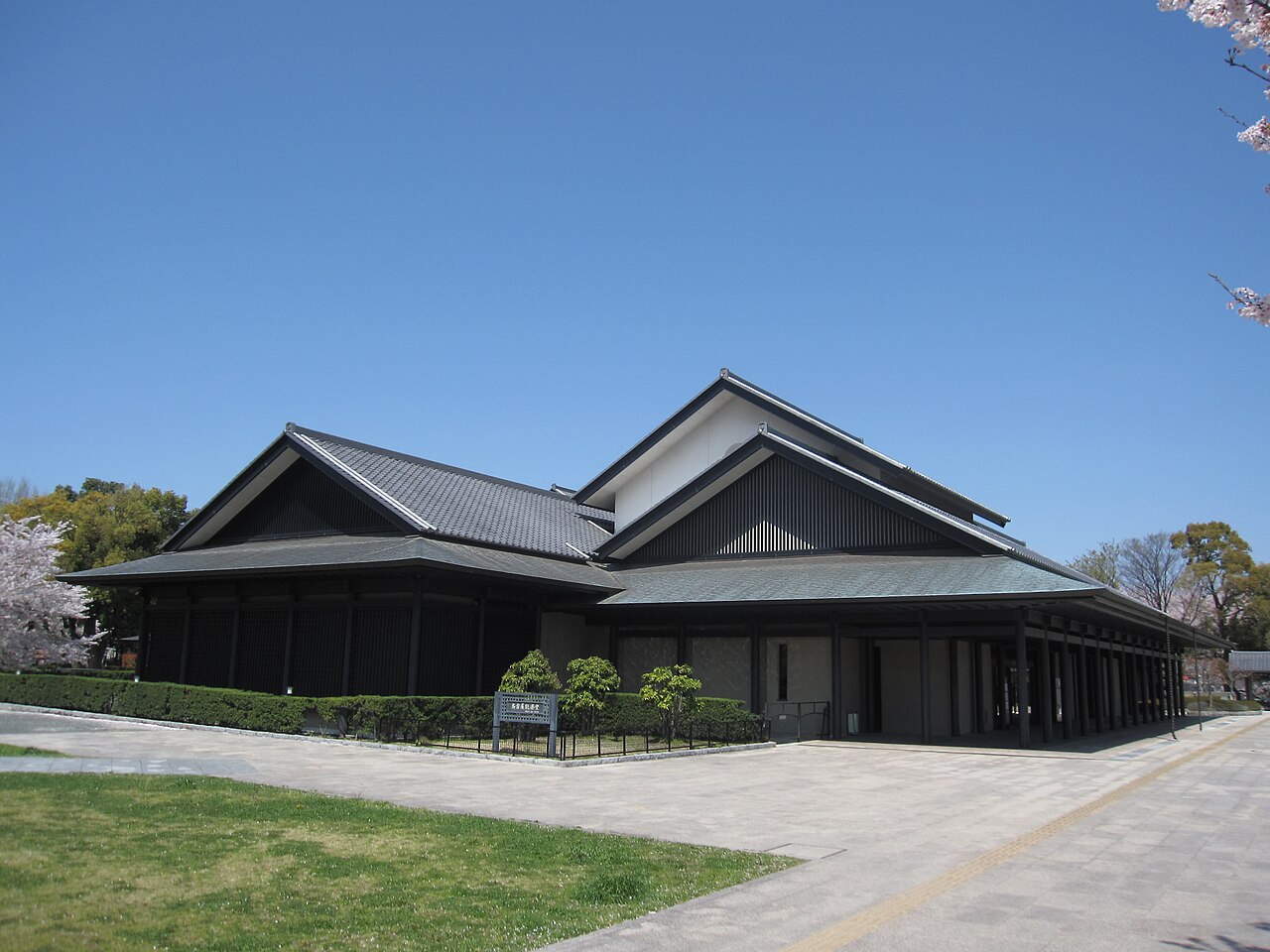
Nagoya's dedicated noh theater, home to a classical cypress stage and a free exhibition of masks and costumes.
The Nagoya Noh Theater is the city's dedicated home for noh, the stately masked musical drama that is among the oldest continuously performed theatrical traditions in the world. Opened in the 1990s just south of Nagoya Castle, the theater keeps alive an art form with deep roots in the region: the Owari Tokugawa lords who ruled from Nagoya Castle were passionate patrons of noh, maintaining their own troupes and stages, and the city has preserved that heritage into the modern day. For visitors, the theater offers a rare and accessible window onto a refined, meditative performing art.
At the heart of the building is a classical noh stage built in the traditional manner: a raised platform of unpainted Japanese cypress, roofed like a shrine even though it stands indoors, with a bridgeway (hashigakari) along which performers make their slow, deliberate entrances past three symbolic pine saplings. A large painted pine tree, the kagami-ita, forms the backdrop, as it does on every noh stage. The auditorium is designed so that the audience can appreciate the precise, economical movements of the masked actors, the haunting chant of the chorus and the sharp calls and drums of the musicians. Performances may be full noh dramas, drawing on tales of warriors, spirits and gods, or the comic kyogen interludes that lighten the programme.
Even outside performance hours, the theater is worth visiting for its free exhibition space, where noh masks, richly embroidered silk costumes and instruments are displayed with explanations of their meaning. The carved wooden masks are especially fascinating: subtly designed so that a slight tilt of the actor's head appears to change their expression from sorrow to serenity, they are considered treasures of Japanese craftsmanship. The gift shop and information corner help newcomers understand what can otherwise be an opaque art form.
For travellers hoping to see a live performance, Nagoya offers a real advantage over larger cities: tickets to daytime and community noh programmes here are often far more affordable and easier to obtain than in Tokyo or Kyoto, and the intimate scale makes the experience approachable. Because noh is slow and highly stylised, first-time viewers are encouraged to read a synopsis in advance, and some performances provide English summaries; approached with patience, the combination of chant, music, movement and mask can be genuinely transporting.
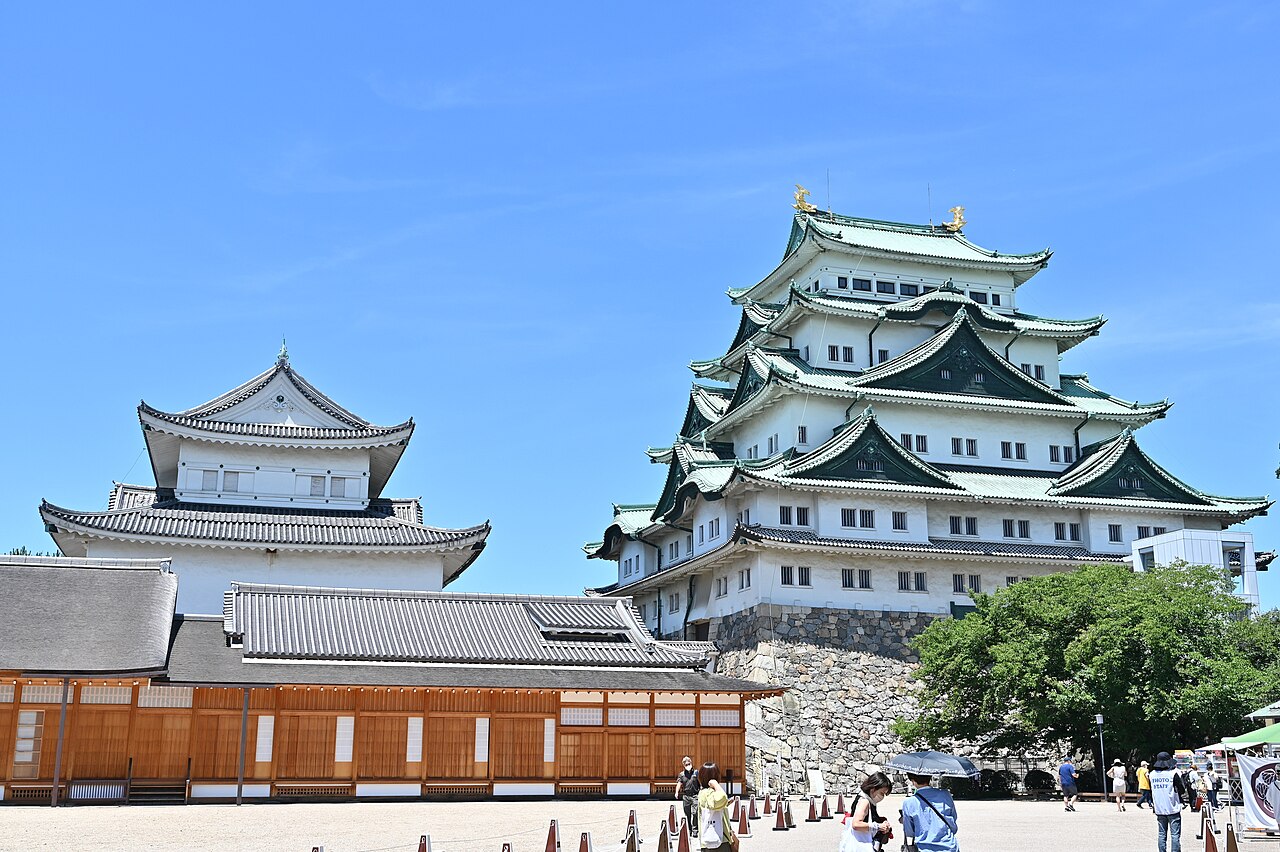
The theater's location makes it easy to fold into a day around Nagoya Castle. It sits a short walk from the castle and the green expanse of Meijo Park, so you can combine a morning at the fortress and Hommaru Palace with an afternoon exploring the theater's exhibition or attending a performance. The exhibition room keeps daytime hours and is closed on Mondays, while performance schedules should be checked in advance.
As a living link to the cultural patronage of the Tokugawa lords who built Nagoya, the Noh Theater complements the city's castles and museums with something intangible — the sound and movement of a courtly art the domain once nurtured, still performed on a cypress stage in the heart of the city.
A local's tip
Even with no performance on, the free lobby exhibition of masks and costumes is worth a look — and the reasonably priced day performances are far more accessible to newcomers than Tokyo's.
Best time to visit
Check the schedule for a live noh or kyogen performance
Getting there
A 10-minute walk from Sengencho Station on the Tsurumai Line, just south of Nagoya Castle near the Meijo Park area.
Good to know
- Gift shop
- Restrooms
- Exhibition room
Plan the whole trip offline
Nagoya Noh Theater is one of many places in the Real Japan app — with turn-by-turn directions, nearby spots and full offline maps you can use with no signal.